ATLAS / 1000 BC—PRESENT
How Atlas is sourced← Back to Atlas
Back to Atlas timeline

1905–1929 · Europe · Science

Relativity and the expanding universe

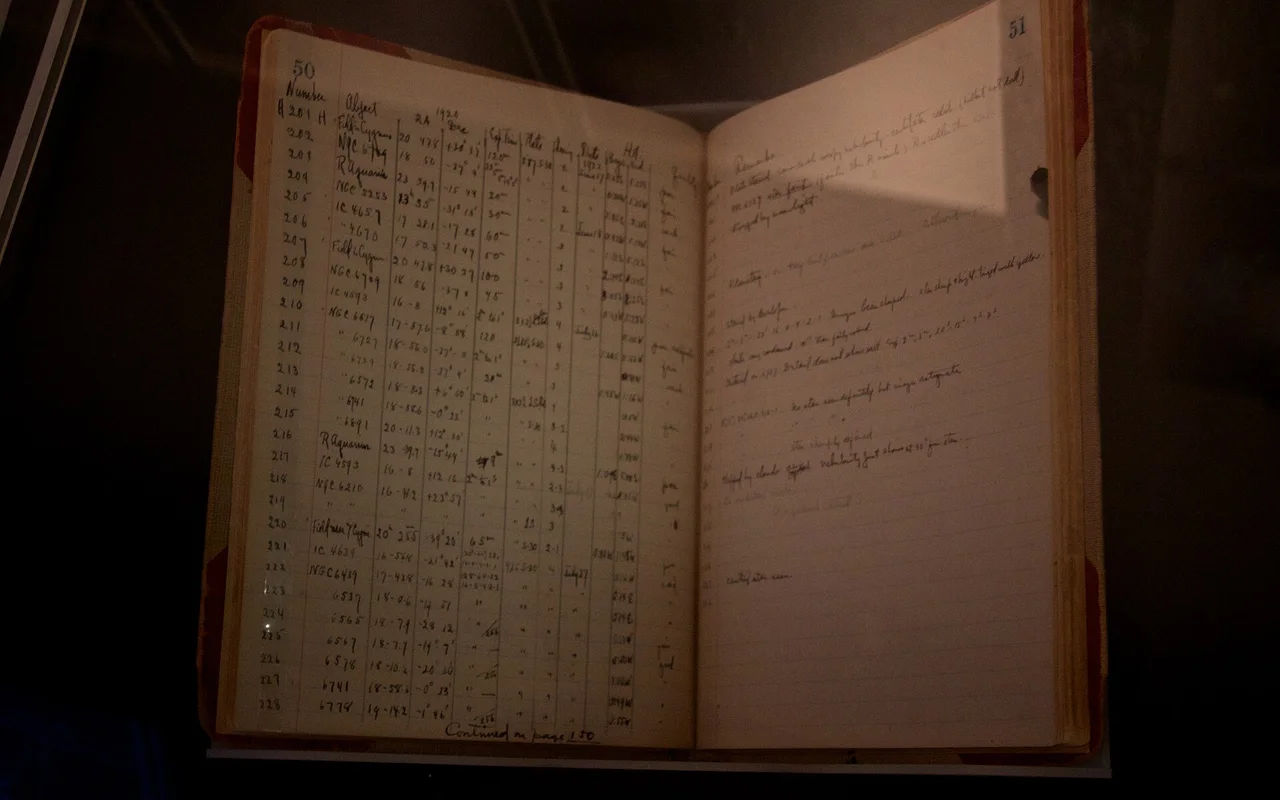
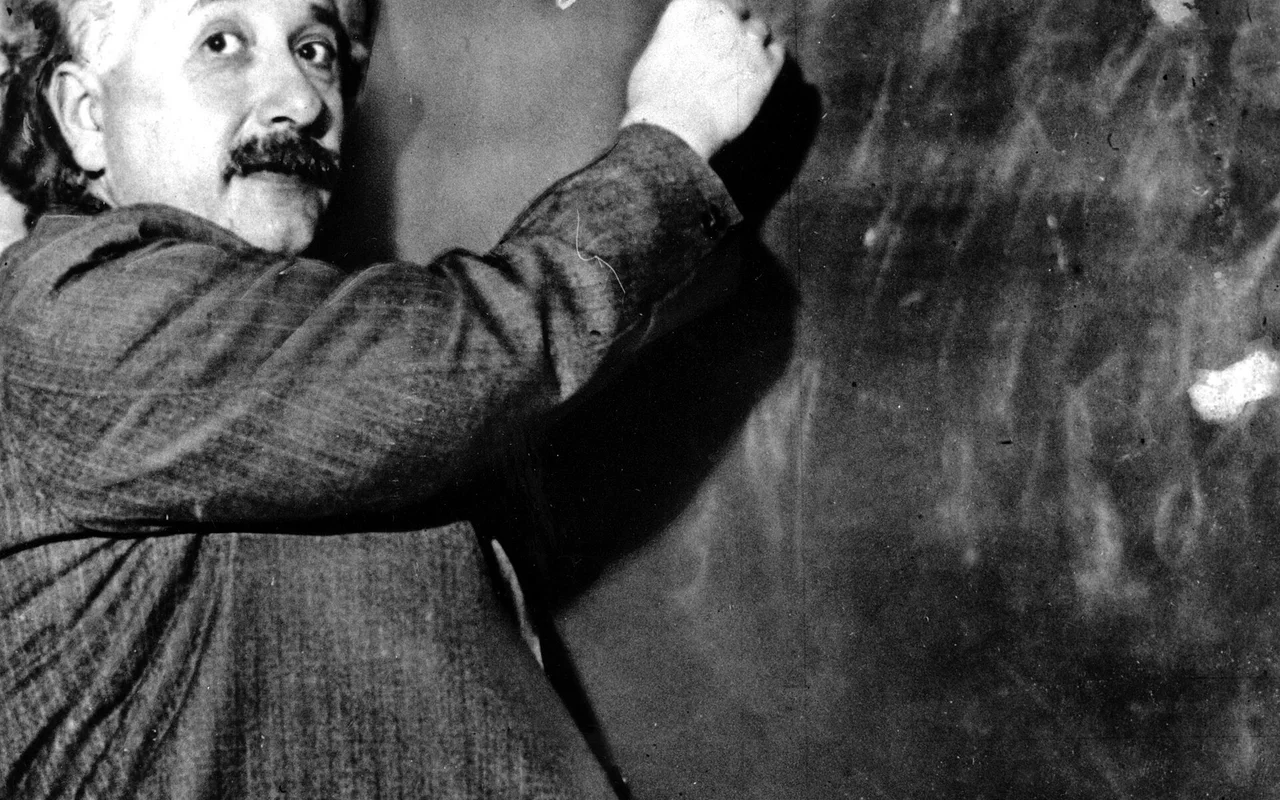
Relativity recast gravity as the geometry of space-time, while observations of distant galaxies supported a universe that was not static.

Atlas dossier · World Wars

Free device narration · synchronized English captions · transcript available

Why it matters

These ideas remade modern cosmology and remain essential to precision navigation, astrophysics and understanding the universe’s history.

Date
1905–1929
Historical setting
World Wars · Europe
People & communities
Albert Einstein · Henrietta Leavitt · Georges Lemaître · Edwin Hubble · observatory teams

01

Event

Relativity recast gravity as the geometry of space-time, while observations of distant galaxies supported a universe that was not static.

02

People

Albert Einstein · Henrietta Leavitt · Georges Lemaître · Edwin Hubble · observatory teams
03

Consequences

These ideas remade modern cosmology and remain essential to precision navigation, astrophysics and understanding the universe’s history.

Interpretation note

Evidence, memory and historical debate

This dossier distinguishes the event’s basic chronology from later arguments about meaning, responsibility and legacy. When comparing religious, national, Indigenous or scholarly interpretations, consult the primary and institutional sources above alongside peer-reviewed historical work.

Elsewhere in the world

Parallel histories near this moment

1903 · AmericasPowered flight

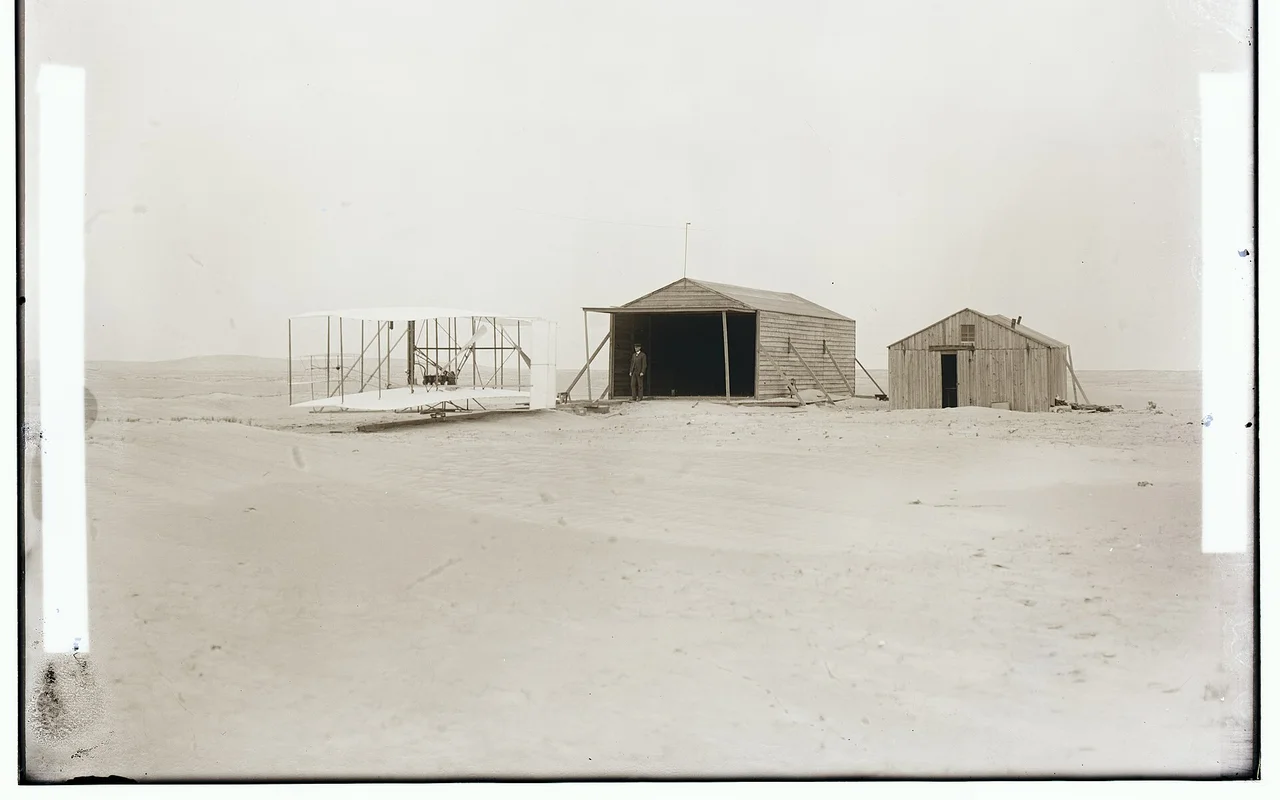
The Wright brothers achieved sustained, controlled powered flight, beginning a rapid transformation of transport, warfare, migration and global connection.

1911–1949 · AsiaChinese revolutions and divided sovereignty

The Xinhai Revolution ended Qing imperial rule; republican experiments, warlordism, Japanese invasion and civil war culminated in the People’s Republic on the mainland and ROC government in Taiwan.

1913 · AmericasAssembly lines and mass production

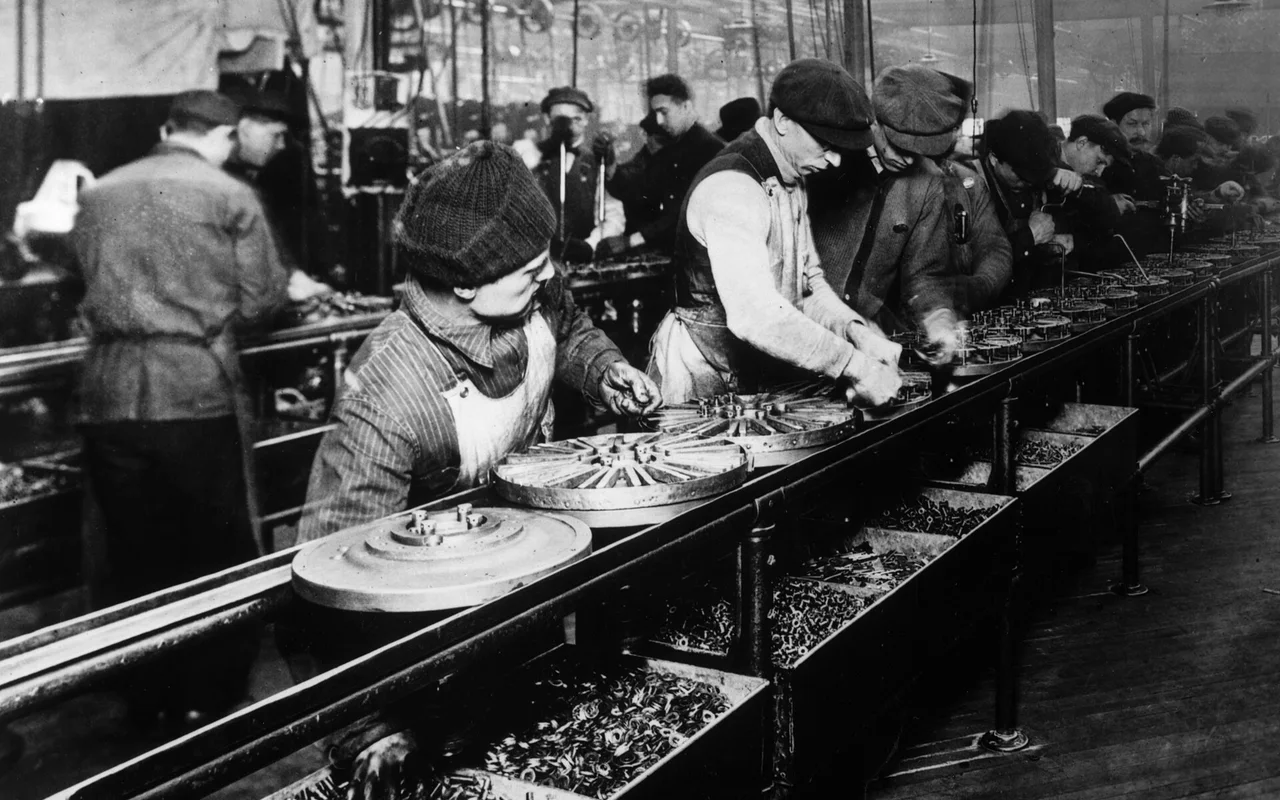
Moving assembly lines divided production into repeatable tasks, allowing factories to make standardized goods rapidly and at much larger scale.