ATLAS / WORLD HISTORY IN PICTURES

The reading room

Find your way through history.

Explore 228 entries across places and centuries. Follow an event, compare its context, and examine the evidence.

228 entries · Earliest to latest

3100–1070 BCE
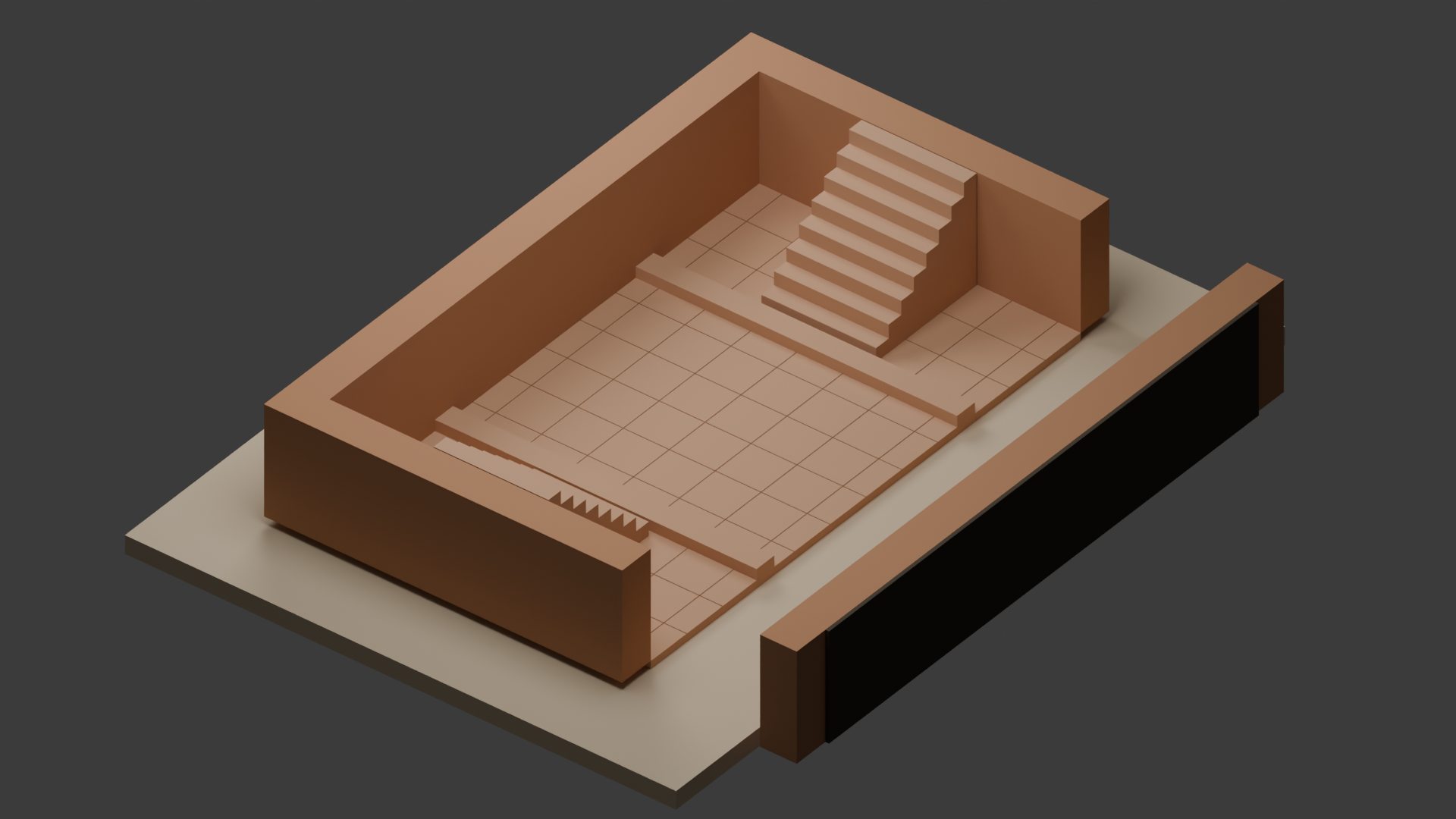
The Temple of Khonsu at Karnak, photographed in 2012. Present-day architectural remains illustrate the ancient Egyptian setting.

Africa / Empire

Ancient Egypt: Nile kingdoms and the New Kingdom

For more than two millennia, Nile Valley kingdoms developed durable systems of agriculture, writing, taxation, religion, craft and state power. The New Kingdom extended Egyptian rule into Nubia and the eastern Mediterranean while leaving a vast architectural and textual record.

Read →
2600–1900 BCE
The Great Bath and surrounding ruins at Mohenjo-daro, photographed in 2014. Visible remains include conservation work.

Asia / Trade

Indus Valley cities and regional exchange

Harappa, Mohenjo-daro and related settlements formed a vast ancient urban network, with carefully planned streets, drainage, standardized weights and long-distance exchange across South Asia and the Persian Gulf.

Read →
1290–1224 BCENew study
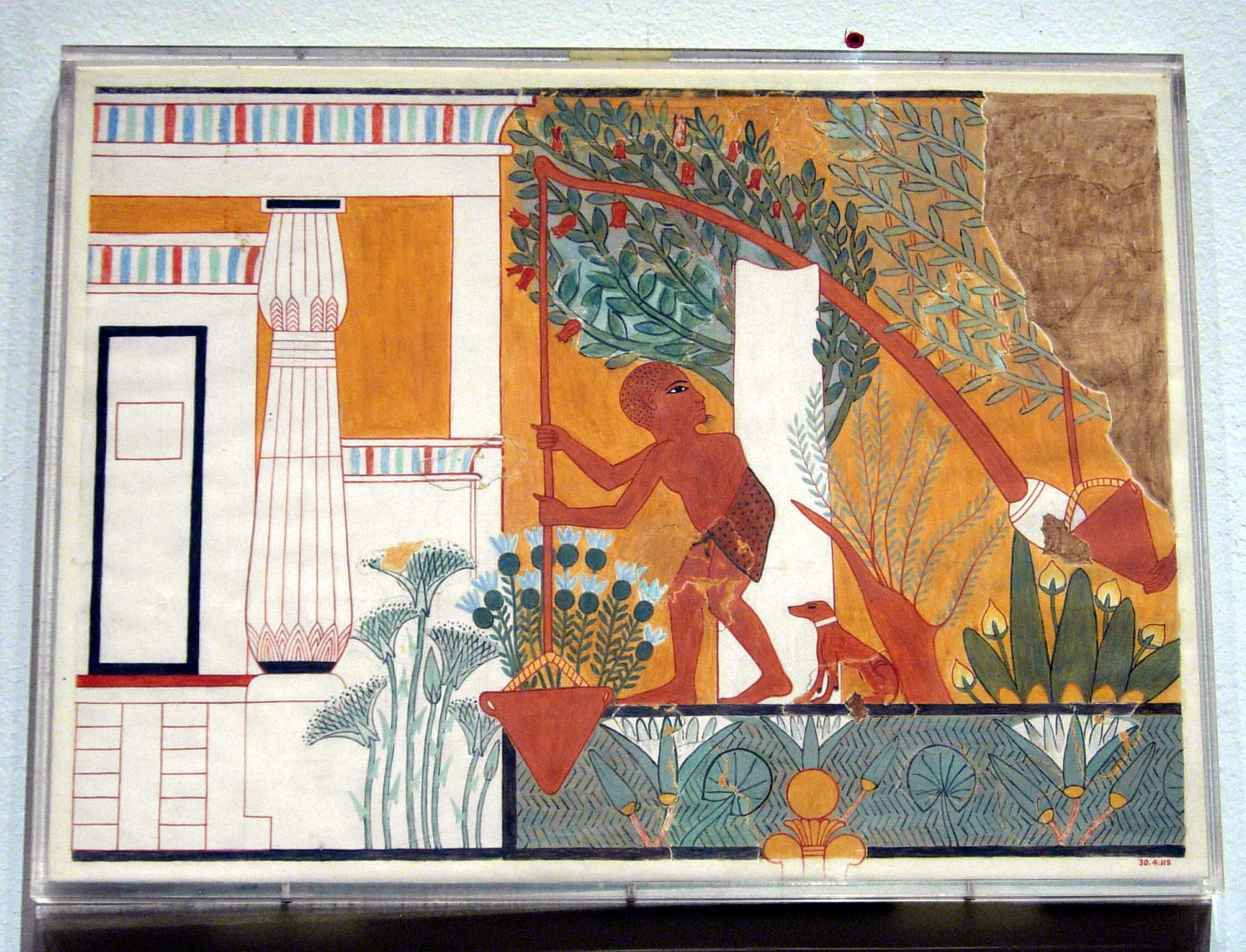
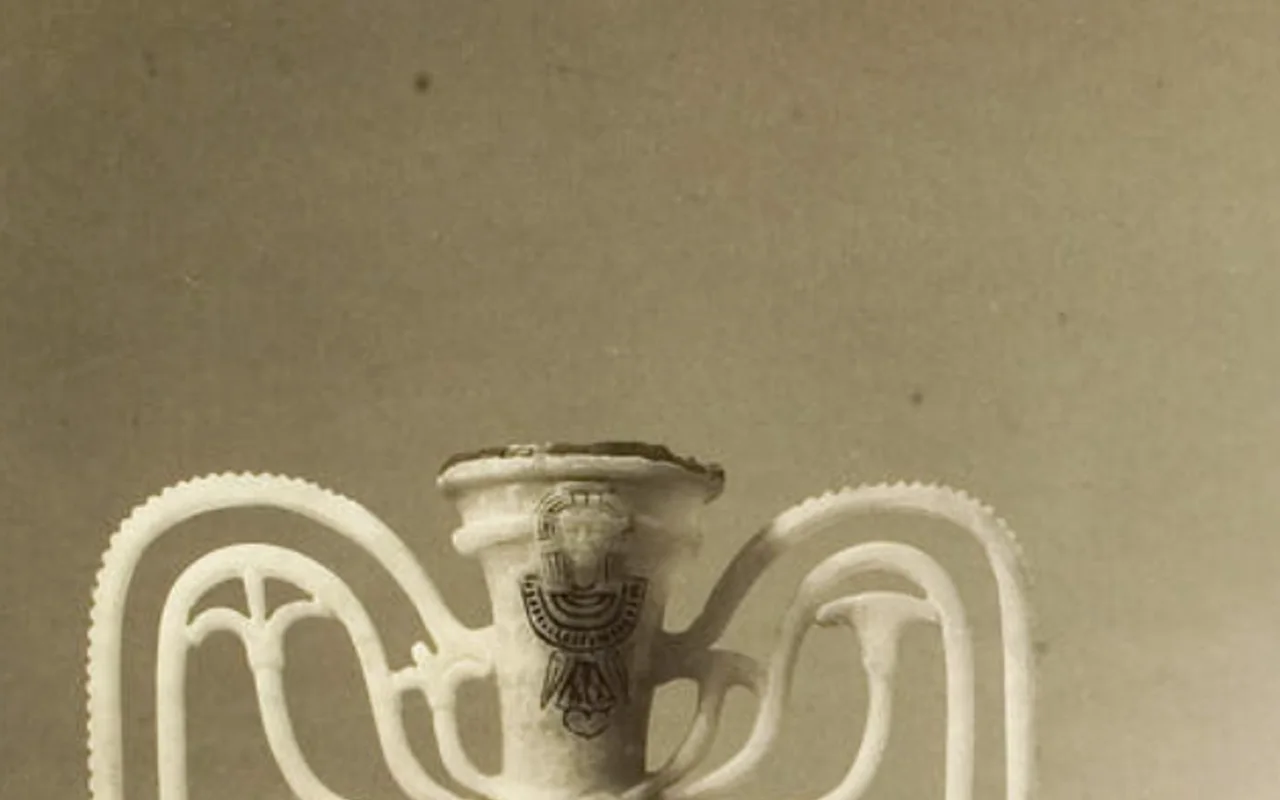
Norman de Garis Davies’s facsimile of the Garden Scene in the tomb of Ipuy. The original scene dates to about 1290–1224 BCE; this is a modern copy on paper. The Metropolitan Museum of Art · 30.4.115 · Public domain / Open Access · Resized for web
Interactive 3D →

Africa / Technology

Water lifting, gardens and irrigation along the Nile

A garden scene from the tomb of Ipuy opens a view onto the practical work of obtaining water. A counterbalanced lifting device links a simple mechanical principle with the labour required to sustain cultivation.

Read →
1000 BCE–1500 CE
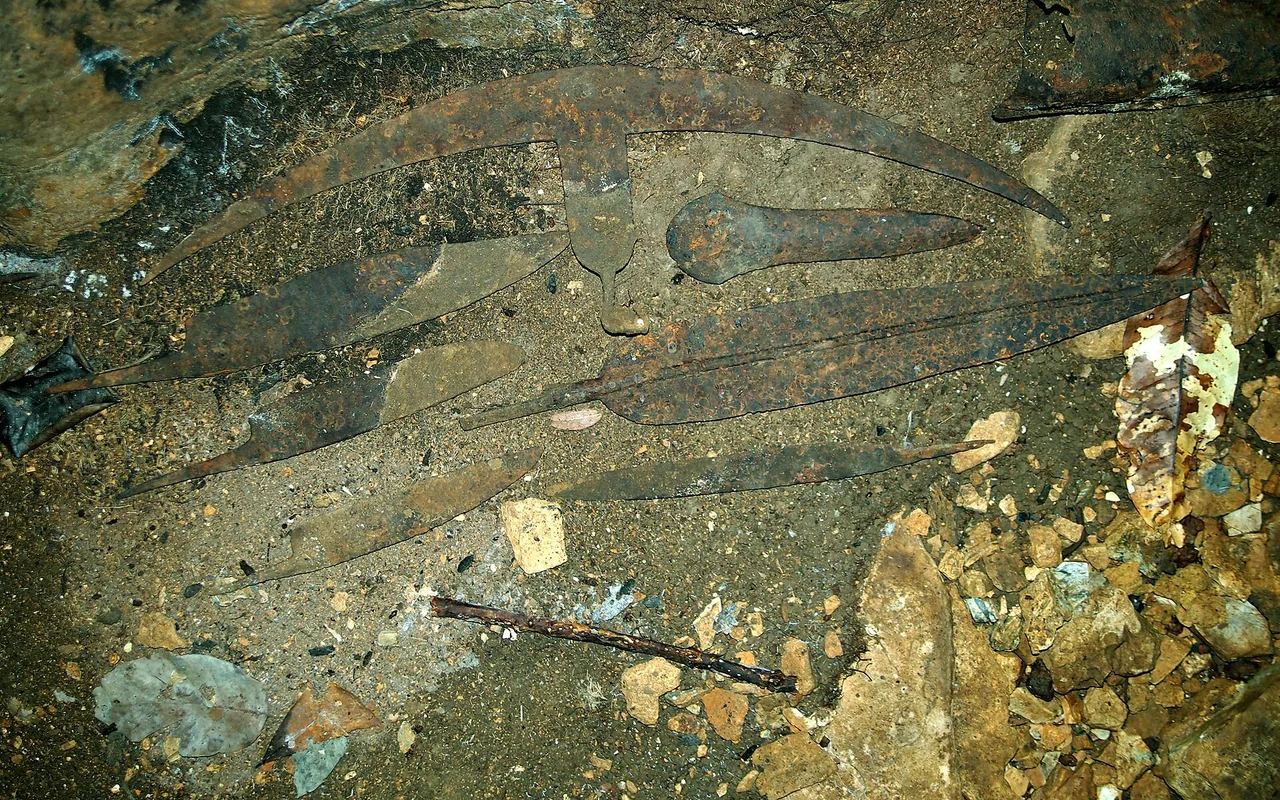
Iron objects from Iroungou, photographed in 2018. These burial finds illustrate African metalworking; they cannot by themselves establish early Bantu-language migrations.

Africa / Technology

Bantu-speaking migrations and African ironworking networks

Over many centuries, Bantu-language dispersals reshaped linguistic landscapes across central, eastern and southern Africa. Communities adopted and developed farming and ironworking in different places and times, through diverse exchanges with peoples already living in these regions.

Read →
1000 BCE–350 CE
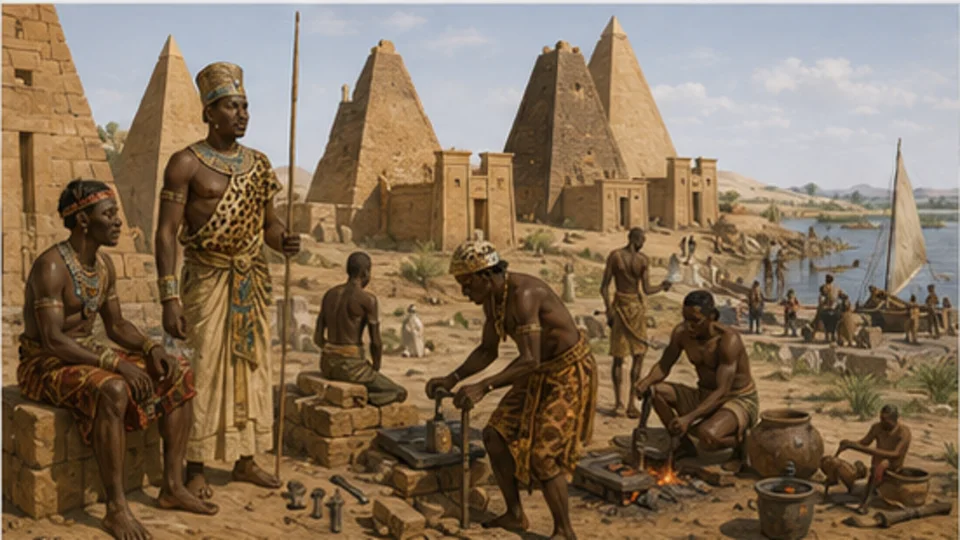
Primary Atlas editorial reconstruction for Kush and Nubian kingdoms.

Africa / Empire

Kush and Nubian kingdoms

Nubian kingdoms south of Egypt developed powerful states, monumental cities and far-reaching trade; Kushite rulers governed Egypt as the Twenty-fifth Dynasty, while the Meroitic kingdom remained a major Nile Valley power into the early centuries CE.

Read →
1000 BCE–1300 CENew study
Marshallese stick chart in the Peabody Museum’s Pacific collection, Harvard University, photographed in 2012. A specifically Marshallese navigational teaching tradition—not a generic Polynesian map or evidence of all Pacific practices. The object’s maker and date are not established here. Daderot / Wikimedia Commons · CC0 · Resized and converted to WebP · Licence terms

Oceania / Trade

Pacific voyaging, settlement and navigational knowledge

Communities explored and settled the Pacific through voyages requiring skilled navigation and capable ocean-going craft. This broad survey begins long before European arrival.

Read →
911–609 BCE
Primary Atlas editorial reconstruction for Neo-Assyrian Empire.

Middle East / Empire

Neo-Assyrian Empire

At its height, the Neo-Assyrian imperial system linked Mesopotamia, the Levant, Anatolia and Egypt through conquest, tribute, provincial administration, communication routes and forced migration.

Read →
800 BCE–900 CE
Primary Atlas editorial reconstruction for Maya city-states and knowledge.

Americas / Science

Maya city-states and knowledge

Maya societies built complex cities, writing systems, calendars, mathematical traditions and regional trade networks across Mesoamerica.

Read →
722–721 BCE
Primary Atlas editorial reconstruction for Fall of Samaria.

Middle East / Faith

Fall of Samaria

Assyria captured Samaria, capital of the northern kingdom of Israel, in 722/721 BCE, deported a large section of its population and incorporated the territory into its imperial system; local population continuity remained.

Read →
587–586 BCE
Primary Atlas editorial reconstruction for Babylon captures and destroys Jerusalem.

Middle East / War

Babylon captures and destroys Jerusalem

In 587/586 BCE, Nebuchadnezzar II’s army breached Jerusalem, burned the Temple and royal buildings, dismantled the city’s defenses and deported a significant part of Judah’s population to Babylon.

Read →
539 BCE
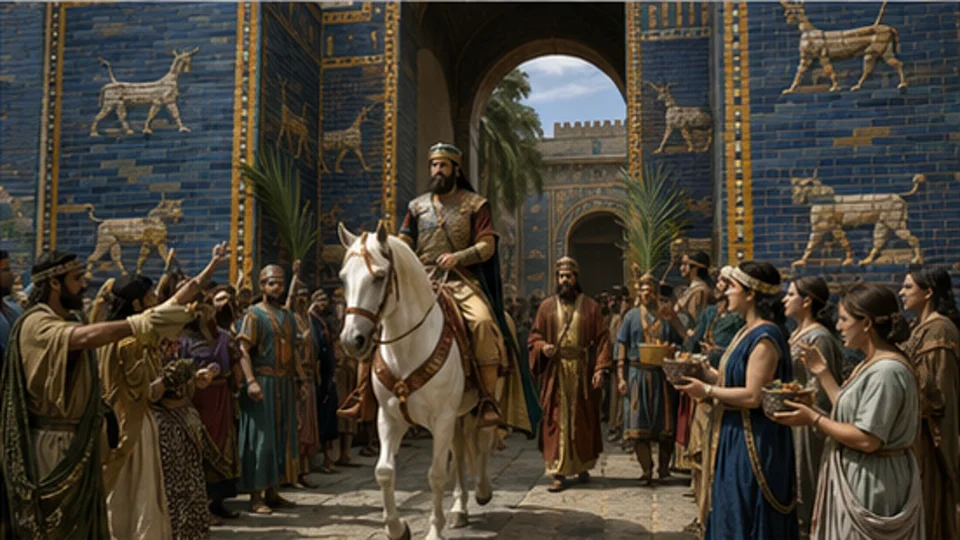
Primary Atlas editorial reconstruction for Cyrus takes Babylon.

Middle East / Empire

Cyrus takes Babylon

Persian forces entered Babylon and absorbed its territories into the Achaemenid Empire. In the biblical restoration tradition, the political change opened a path for Judean exiles to return and rebuild in Jerusalem.

Read →
538–515 BCE
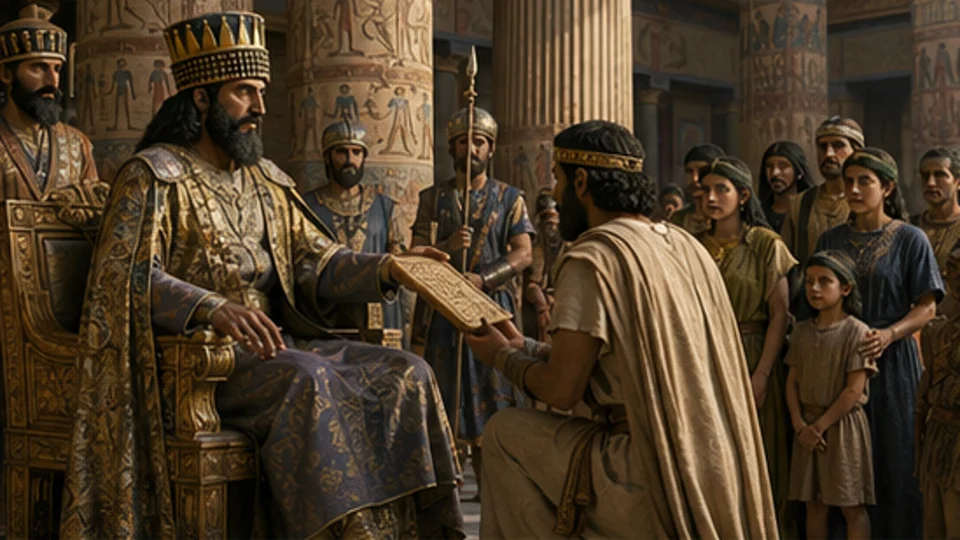
Primary Atlas editorial reconstruction for Cyrus’s decree and the Second Temple.

Middle East / Faith

Cyrus’s decree and the Second Temple

Persian policy permitted Judean exiles to return and rebuild the Temple; work associated with Sheshbazzar, Zerubbabel and Jeshua culminated in its dedication under Darius I.

Read →
490–479 BCE
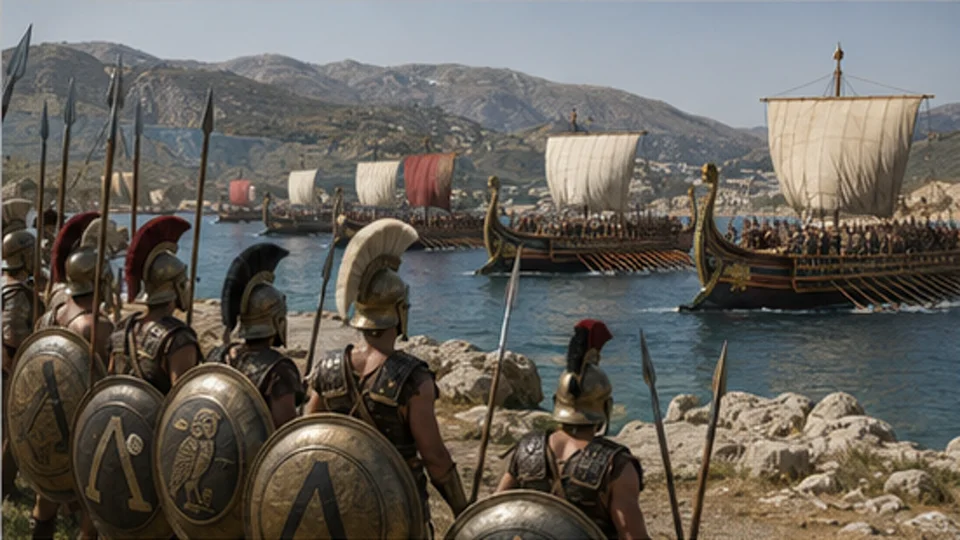
Primary Atlas editorial reconstruction for Greco-Persian Wars.

Europe / War

Greco-Persian Wars

Coalitions of Greek poleis resisted two Achaemenid invasions in campaigns remembered at Marathon, Thermopylae, Salamis and Plataea; other Greek communities supported Persia or remained outside the alliances.

Read →
458–432 BCE
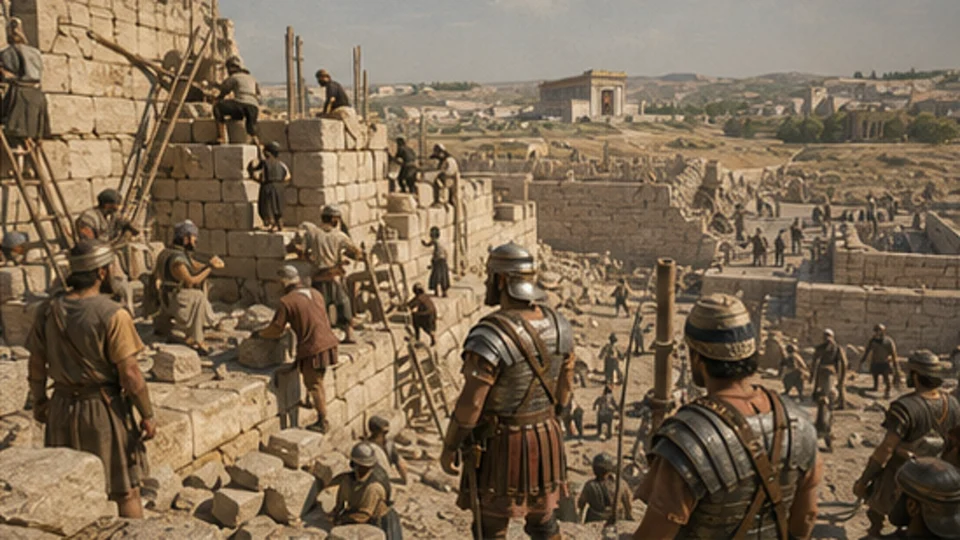
Primary Atlas editorial reconstruction for Ezra, Nehemiah and Jerusalem restored.

Middle East / Faith

Ezra, Nehemiah and Jerusalem restored

In the traditional Artaxerxes I chronology, Ezra strengthened Torah-centered communal life from 458 BCE and Nehemiah governed Judah and organized the rebuilding of Jerusalem’s walls from 445/444 BCE; their sequence remains debated.

Read →
431–404 BCE
Primary Atlas editorial reconstruction for Peloponnesian War.

Europe / War

Peloponnesian War

Athens, Sparta and their alliances fought across the Greek world in a prolonged conflict marked by plague, revolt, naval warfare and the Sicilian disaster; Persian support helped Sparta in the war’s closing phase.

Read →
334–323 BCE
Primary Atlas editorial reconstruction for Wars of Alexander the Great.

Global / Empire

Wars of Alexander the Great

Alexander’s Macedonian army defeated Achaemenid Persia, besieged Tyre, entered Egypt and campaigned through Central Asia to the Indus; his empire fragmented into successor kingdoms after his death.

Read →
264–146 BCE
Primary Atlas editorial reconstruction for Punic Wars.

Europe / War

Punic Wars

Rome and Carthage fought three wars across the western Mediterranean; the final siege ended in 146 BCE with Carthage’s destruction and the enslavement of much of its surviving population.

Read →
221 BCE
Primary Atlas editorial reconstruction for Qin unification of China.

Asia / Empire

Qin unification of China

Qin conquest ended the Warring States period in 221 BCE, divided the empire into centrally administered commanderies and standardized script, currency and measurements while expanding roads and canals.

Read →
146–30 BCE
Primary Atlas editorial reconstruction for Rome conquers the Greek and Egyptian worlds.

Europe / Empire

Rome conquers the Greek and Egyptian worlds

The destruction of Corinth in 146 BCE marked a major stage in Rome's domination of Greece. After the naval battle of Actium in 31 BCE, Octavian took Alexandria and annexed Ptolemaic Egypt in 30 BCE. These were distinct stages in a longer history of conquest.

Read →
44 BCE
Primary Atlas editorial reconstruction for Assassination of Julius Caesar.

Europe / War

Assassination of Julius Caesar

Senators killed Caesar on the Ides of March, claiming to defend the Republic after his accumulation of extraordinary power.

Read →
27 BCE–180 CE
Primary Atlas editorial reconstruction for Pax Romana.

Europe / Empire

Pax Romana

The period conventionally called the Pax Romana, from Augustus to Marcus Aurelius, linked Mediterranean communities through imperial administration, roads, ports and commerce. It also included conquest, slavery, revolts and civil war.

Read →
c. 4 BCE–c. 30 CE · approximate chronology
Primary Atlas editorial reconstruction for Life and ministry of Jesus Christ.

Middle East / Faith

Life and ministry of Jesus Christ

Jesus taught in Roman-ruled Judea and Galilee, was crucified under Pontius Pilate, and—according to the New Testament—rose and ascended.

Read →
c. 1st–8th centuries CE
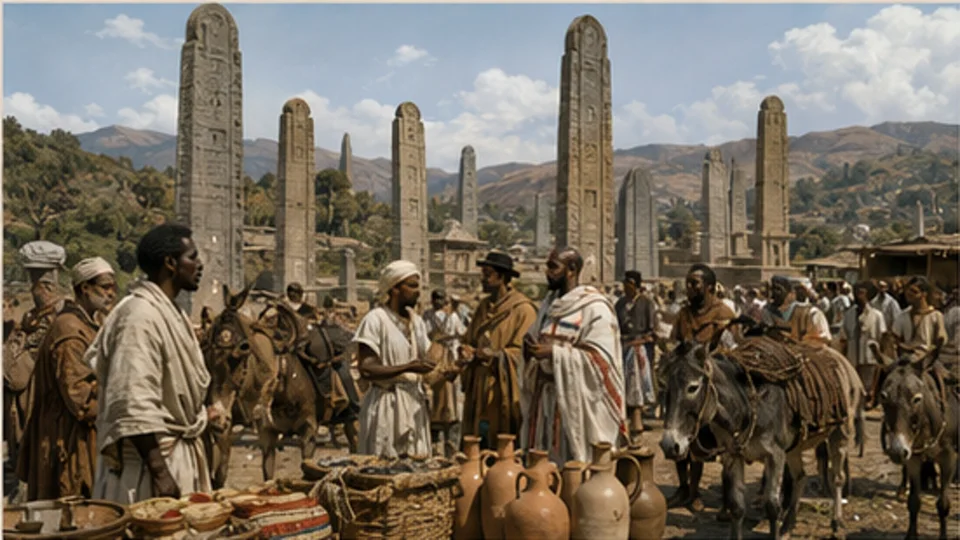
Primary Atlas editorial reconstruction for Kingdom of Aksum.

Africa / Trade

Kingdom of Aksum

Aksum linked the African interior, Red Sea and Indian Ocean, minted coinage and adopted Christianity in the fourth century.

Read →
30–67 CE
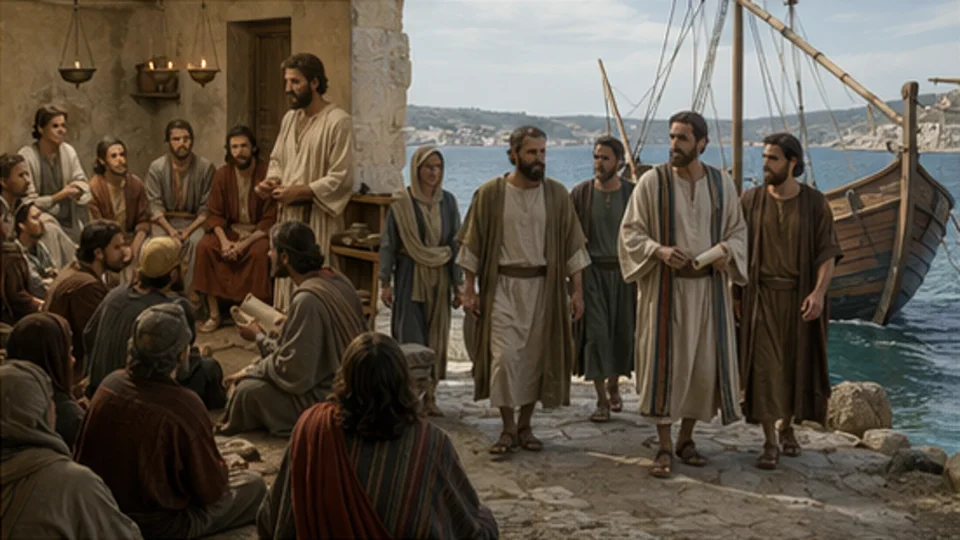
Primary Atlas editorial reconstruction for Apostolic Church and Paul’s journeys.

Middle East / Faith

Apostolic Church and Paul’s journeys

Pentecost, missionary travel and house churches carried the Christian message from Jerusalem through Asia Minor, Greece and Rome.

Read →
64–311 CE
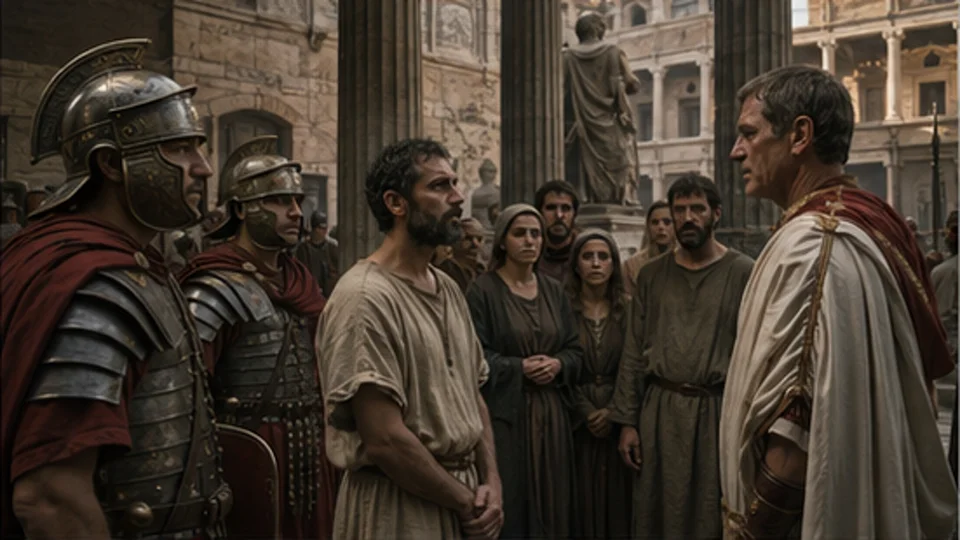
Primary Atlas editorial reconstruction for Christian persecution before Constantine.

Europe / Faith

Christian persecution before Constantine

Persecution varied by place and period, from Nero’s violence at Rome to empire-wide coercion under Decius and Diocletian.

Read →
70 CE
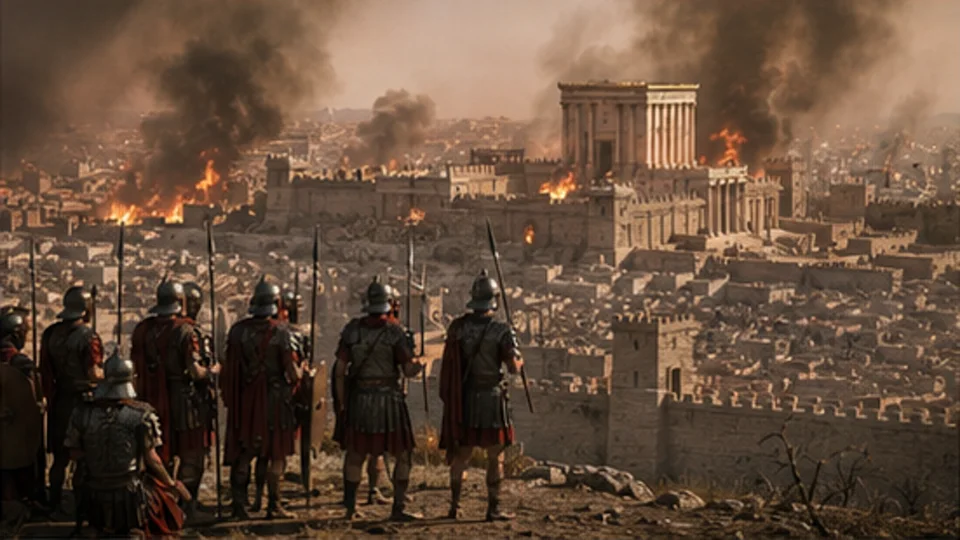
Primary Atlas editorial reconstruction for Destruction of Jerusalem.

Middle East / War

Destruction of Jerusalem

Roman forces under Titus captured Jerusalem and destroyed the Second Temple in 70 CE during the Jewish revolt, which had begun in 66; resistance continued elsewhere after the city's fall.

Read →
300–1200 CENew study
Inscribed shale plate from Koumbi Saleh, displayed at the National Museum of Mauritania in Nouakchott. Photographed in 2020; the object’s maker and date are not established here. Clemens Schmillen / Wikimedia Commons · CC BY-SA 4.0 · Converted to WebP; derivative under the same licence · Licence terms

Africa / Trade

Ghana / Wagadu: a Sahelian empire before Mali

Ancient Ghana, also called Wagadu, developed in the western Sahel. Its history belongs alongside Mali and Songhai, and is distinct from the modern republic of Ghana.

Read →
300–1871 CENew study
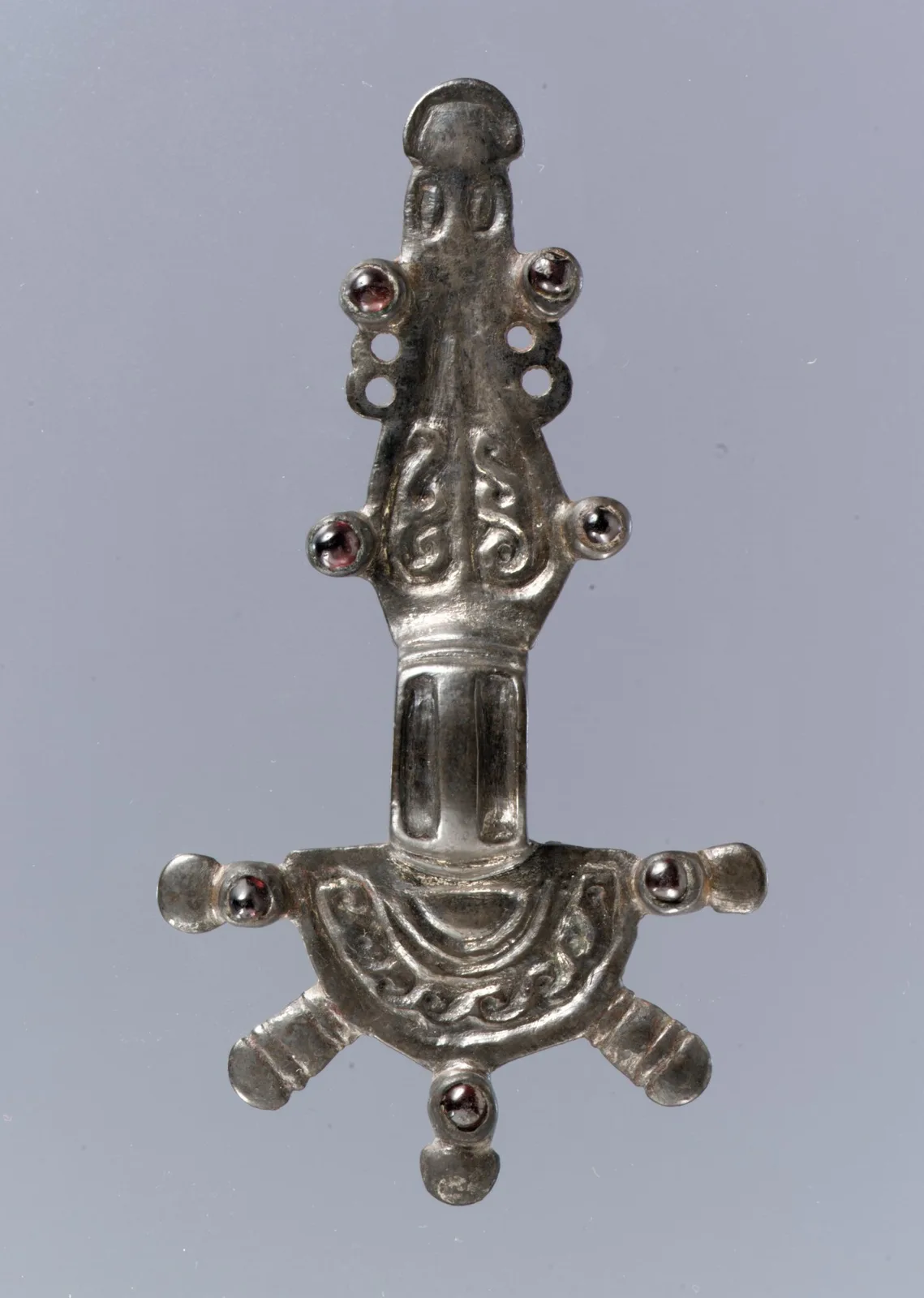
Ostrogothic bow brooch, Italy, first half of the sixth century. A surviving object from the post-Roman world, not a picture of a migration or battle. The Metropolitan Museum of Art · Gift of J. Pierpont Morgan, 1917 · 17.192.150 · Public domain / CC0 · Resized and converted to WebP

Europe / Empire

Rome, the migrations and the long making of Europe

Invasions, settlements and changing alliances transformed Roman Europe. Medieval kingdoms and modern European states emerged through further centuries of political change.

Read →
313–325 CE
Primary Atlas editorial reconstruction for Milan to Nicaea.

Europe / Faith

Milan to Nicaea

Constantine and Licinius extended religious toleration and restored Christian property in 313, following Galerius's edict of 311. Constantine convened Nicaea in 325 to address disputes over the Son's relationship to the Father; controversy continued afterward.

Read →
476 CE
Primary Atlas editorial reconstruction for End of the Western Roman Empire.

Europe / Empire

End of the Western Roman Empire

Odoacer deposed Romulus Augustulus in Italy in 476, a conventional marker for the end of the Western Roman Empire. Roman institutions endured in successor kingdoms, while the Eastern Roman Empire continued from Constantinople.

Read →
493–554 CENew study
Emperor Justinian and Members of His Court: an early-twentieth-century mosaic reproduction after a sixth-century original. This museum object is not the original mosaic in Ravenna. The Metropolitan Museum of Art · Fletcher Fund, 1925 · 25.100.1a–e · Public domain / CC0 · Resized and converted to WebP

Europe / Faith

Justinian, the three kingdoms and the papacy

The fall of Odoacer, the Vandal kingdom and Ostrogothic rule belongs to several campaigns. Protestant historicist readings connect these events to Daniel 7; the military chronology needs its own careful account.

Read →
610–750 CE
Primary Atlas editorial reconstruction for Rise and early spread of Islam.

Middle East / Faith

Rise and early spread of Islam

Muhammad’s preaching in Arabia, the Hijra and the formation of a Muslim community were followed by caliphal conquests across the Byzantine and Sasanian worlds, North Africa and Iberia.

Read →
618–1279 CE
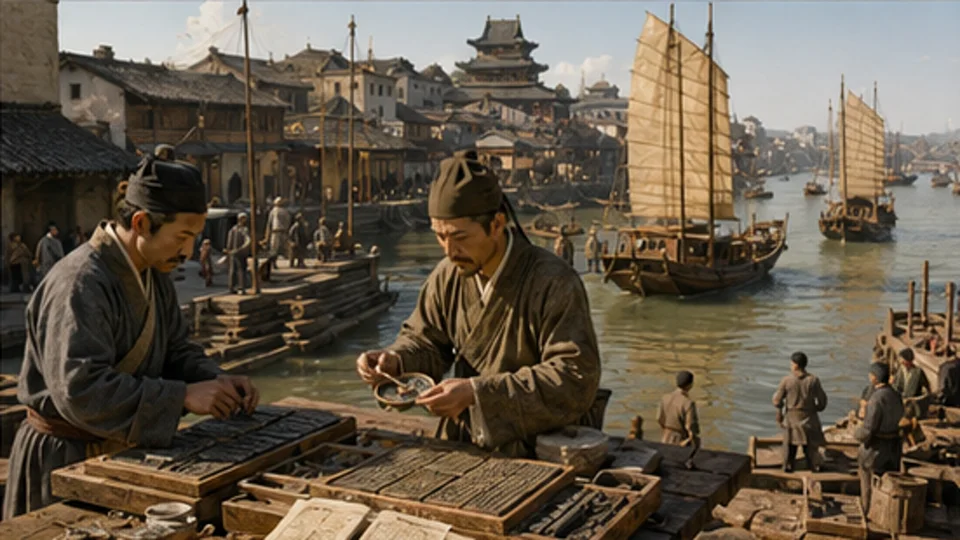
Primary Atlas editorial reconstruction for Tang and Song China.

Asia / Technology

Tang and Song China

Tang (618–907) and Song (960–1279) were separate dynasties, divided by the Five Dynasties and Ten Kingdoms era. Their changing societies developed major cities, commercial networks, printing, technical knowledge and distinctive scholarly and artistic traditions.

Read →
622–1258 CE
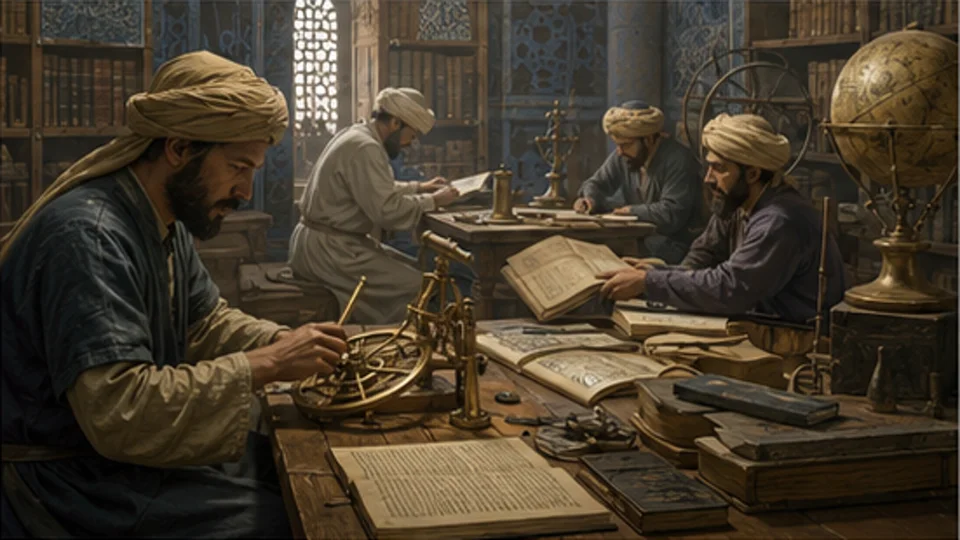
Primary Atlas editorial reconstruction for Islamic expansion and Golden Age.

Middle East / Science

Islamic expansion and Golden Age

Muslim-ruled societies connected trade and scholarship from Iberia to Central Asia; scholars advanced mathematics, astronomy, medicine and philosophy.

Read →
c. 650–early 1900s CE · regional survey
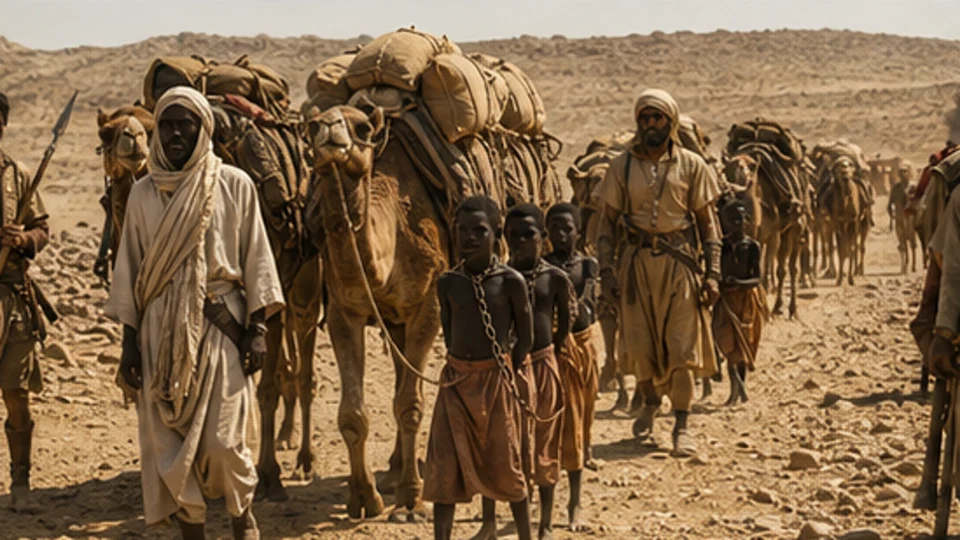
Primary Atlas editorial reconstruction for Trans-Saharan trade and enslavement.

Africa / Trade

Trans-Saharan trade and enslavement

Caravan routes exchanged gold, salt, textiles, books and other goods between North and West Africa; enslaved Africans were also transported northward through Saharan networks over many centuries.

Read →
c. 700–early 1900s CE · regional survey
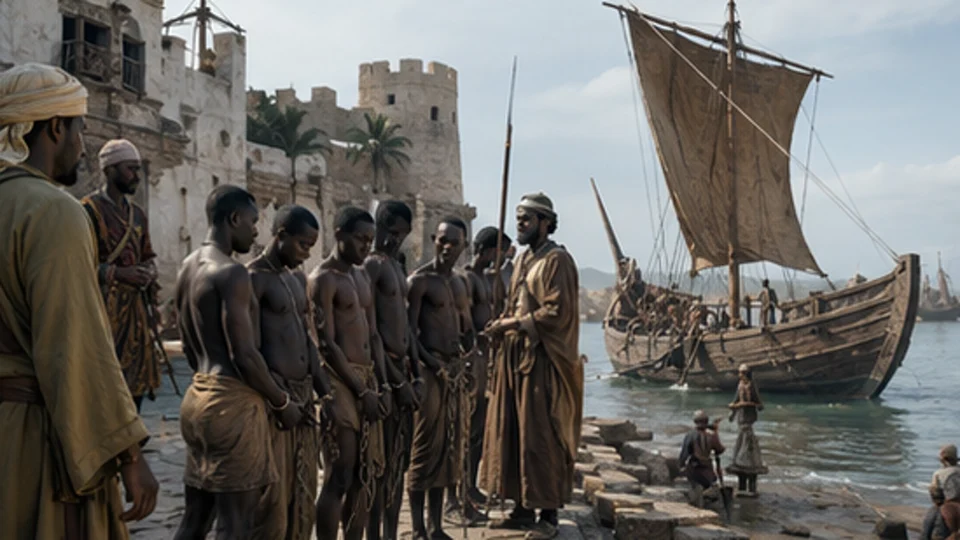
Primary Atlas editorial reconstruction for Indian Ocean and East African slave trades.

Africa / Trade

Indian Ocean and East African slave trades

Interconnected Red Sea and Indian Ocean systems moved commodities and enslaved people among East Africa, Arabia, Persia, India and island societies; Zanzibar became a major nineteenth-century hub.

Read →
711–1600 CE · selected regional survey
Primary Atlas editorial reconstruction for Islam spreads across Africa and Asia.

Global / Faith

Islam spreads across Africa and Asia

Muslim rule and belief expanded through conquest, diplomacy, scholarship, Sufi networks and maritime trade into West and East Africa, Central and South Asia, and island Southeast Asia.

Read →
793–1066 CE
Primary Atlas editorial reconstruction for Viking expansion and Scandinavian worlds.

Europe / Trade

Viking expansion and Scandinavian worlds

Norse raiders, traders and settlers crossed the North Atlantic, entered river routes toward Byzantium and established communities from Ireland and Normandy to Iceland and Greenland.

Read →
900–1500 CENew study
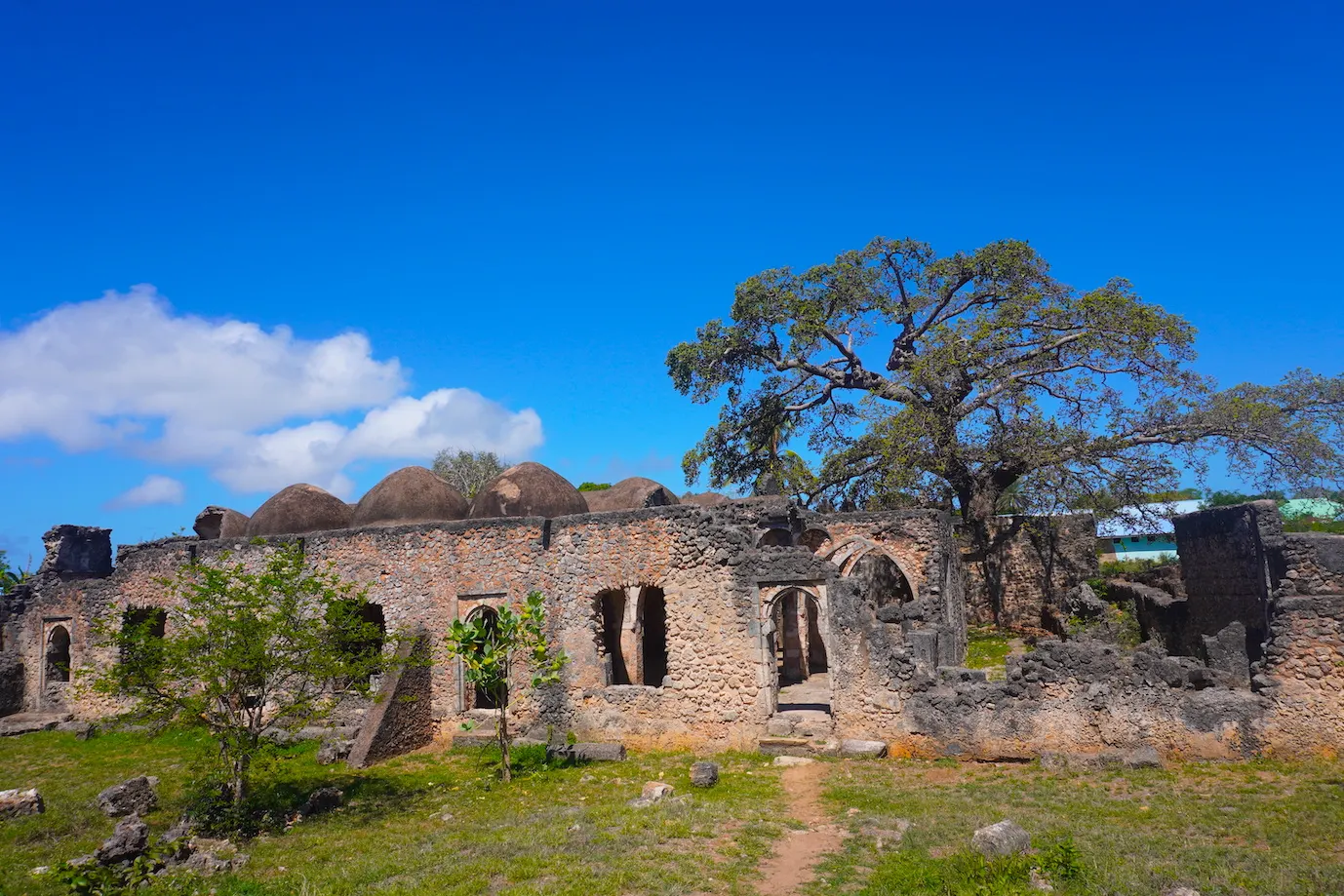
Ruins at Kilwa Kisiwani, Tanzania, photographed in 2021. These surviving remains are not a reconstruction of the medieval port; the source does not identify the individual building. CosMapi / Wikimedia Commons · CC BY-SA 4.0 · Converted to WebP; derivative under the same licence · Licence terms

Africa / Trade

Kilwa and the Swahili worlds of the Indian Ocean

Kilwa Kisiwani and neighbouring settlements reveal an African coastal history connected to commerce, architecture and political networks across the Indian Ocean.

Read →
1066 CE
Primary Atlas editorial reconstruction for Norman Conquest of England.

Europe / Empire

Norman Conquest of England

William of Normandy defeated Harold II at Hastings and imposed a new ruling elite through castles, land redistribution and violent campaigns.

Read →
1095–1291 CE
Primary Atlas editorial reconstruction for Crusades and Mediterranean worlds.

Middle East / War

Crusades and Mediterranean worlds

Latin Christian expeditions, Muslim powers, Byzantines and local communities fought over territory and sacred places while commerce continued across frontiers.

Read →
1100–1450 CE
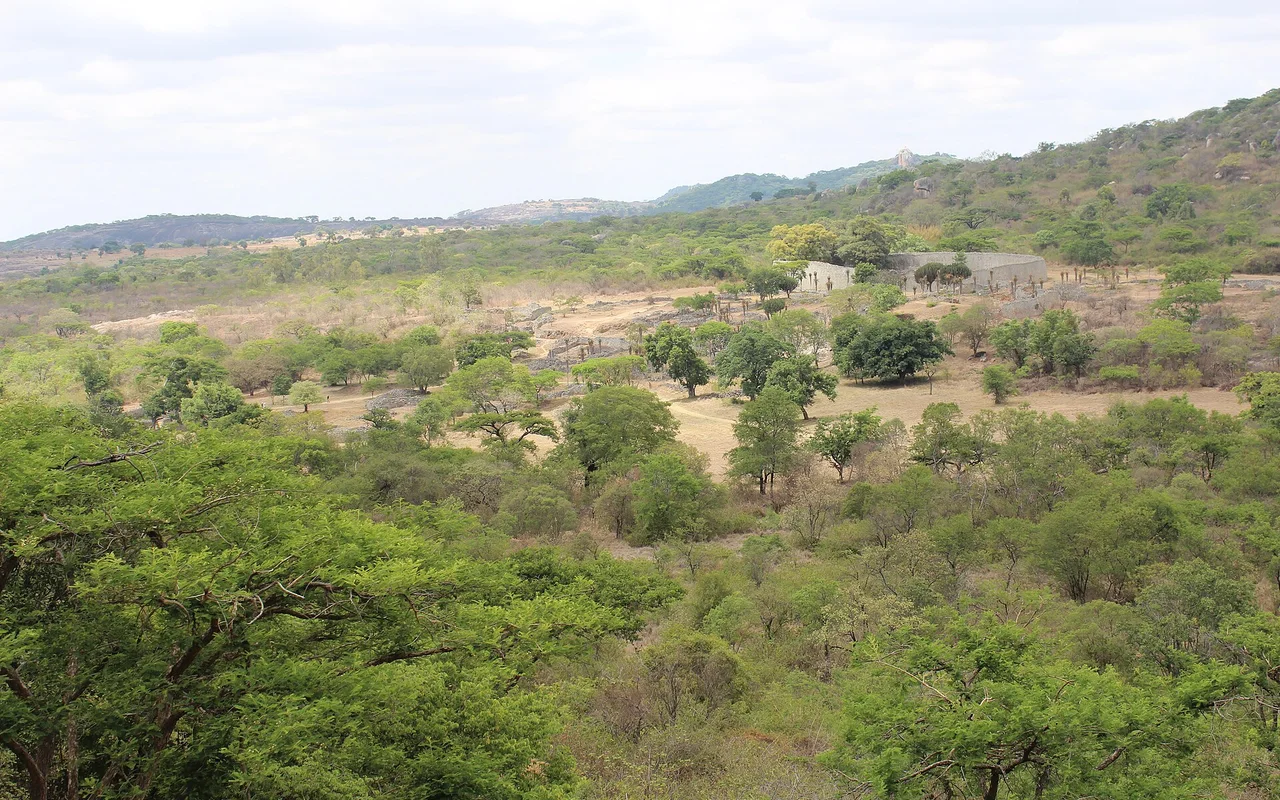
The Great Enclosure at Great Zimbabwe, photographed in 2014. The modern photograph records surviving stone architecture.

Africa / Trade

Great Zimbabwe and southern African trade

Great Zimbabwe became the centre of a Shona-speaking state whose monumental dry-stone architecture and gold, cattle and trade networks connected the southern African interior to the Indian Ocean world.

Read →
c. 1170–1848 CE · persecution and emancipation
Primary Atlas editorial reconstruction for Waldensian witness and persecution.

Europe / Faith

Waldensian witness and persecution

A lay reform movement emphasizing Scripture and preaching survived condemnation, crusade, displacement and later massacres.

Read →
1206–1368 CE · expansion through Yuan rule in China
Primary Atlas editorial reconstruction for Mongol expansions.

Asia / Empire

Mongol expansions

Mongol armies created the largest contiguous land empire, devastating many societies while intensifying Eurasian exchange.

Read →
c. 1230–1591 CE · imperial survey
Primary Atlas editorial reconstruction for Mali and Songhai empires.

Africa / Trade

Mali and Songhai empires

Mali and Songhai were distinct, overlapping Sahelian powers. Mali's rise in the thirteenth century preceded Songhai's expansion under Sunni Ali from 1464; Morocco's invasion broke Songhai's imperial power in 1591. Farming, gold, taxation, trade and scholarship sustained these societies.

Read →
1291 CENew study
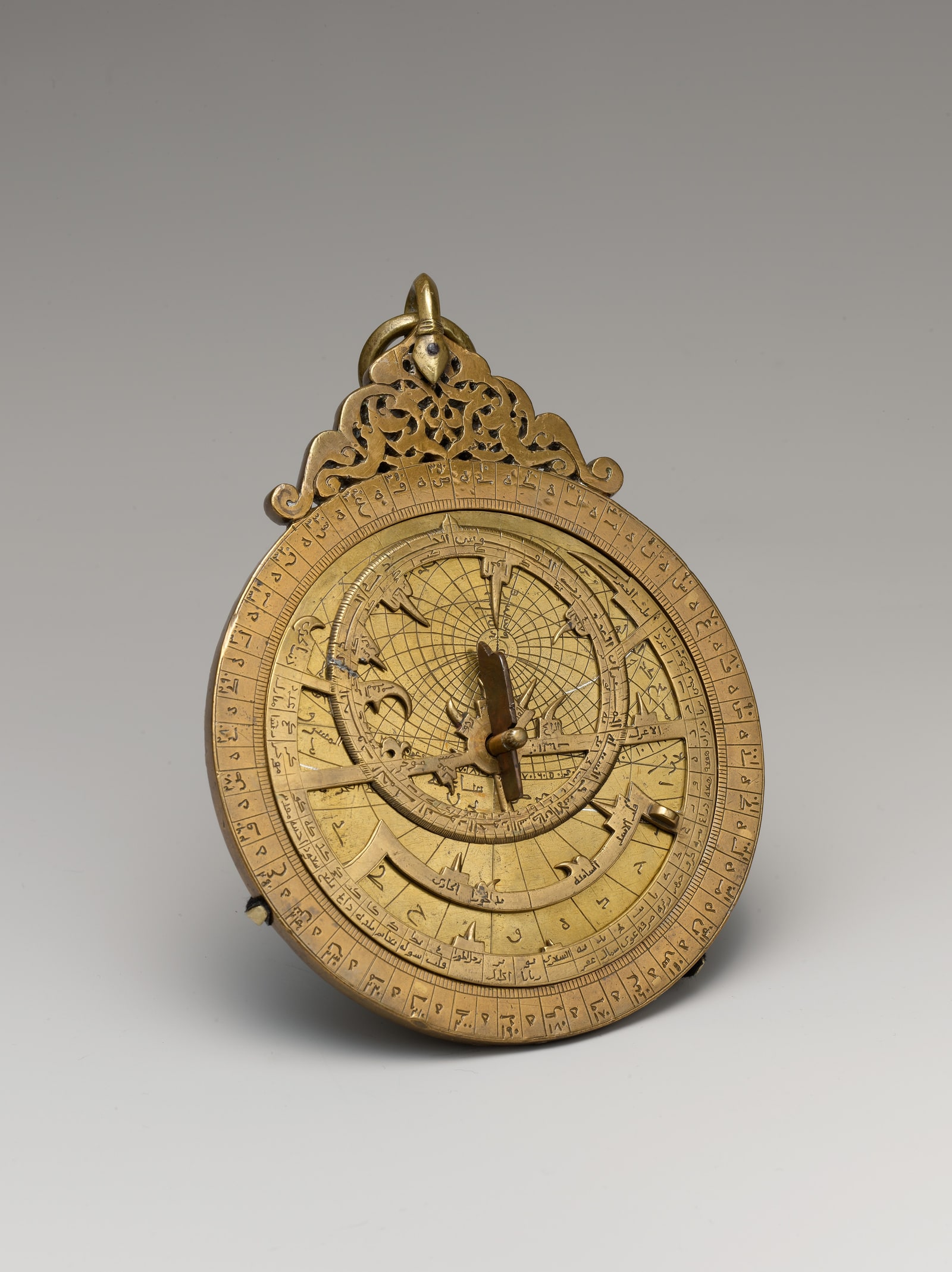
Astrolabe made in Yemen by Umar ibn Yusuf, dated 690 AH/1291 CE. Museum photograph of the surviving object, distinct from the schematic 3D model. The Metropolitan Museum of Art · 91.1.535a–h · Public domain / Open Access · Resized for web
Interactive 3D →

Middle East / Science

Astrolabes, observation and astronomical knowledge

A surviving instrument made in Yemen in 1291 connects mathematical astronomy, skilled metalwork and religious practice. Its parts reveal knowledge that a decorative image alone cannot explain.

Read →
c. 1299–1922 CE · changing imperial rule
Primary Atlas editorial reconstruction for Ottoman Empire.

Middle East / Empire

Ottoman Empire

An Anatolian principality became a multilingual empire spanning Southeast Europe, North Africa and the Middle East, governing vital cities and trade corridors for centuries.

Read →
c. 1299–1922 CE · changing imperial rule
Primary Atlas editorial reconstruction for Ottoman Empire: rise, expansion and dissolution.

Middle East / Empire

Ottoman Empire: rise, expansion and dissolution

A frontier principality became a multiethnic empire spanning Anatolia, southeastern Europe, the Arab lands and North Africa before reform, nationalism, war and partition ended the sultanate.

Read →
c. 1300–1600 CE · regional survey
Primary Atlas editorial reconstruction for Renaissance and humanism.

Europe / Science

Renaissance and humanism

Artists, scholars and patrons revisited classical learning while experimenting with perspective, anatomy, philology and new forms of civic culture.

Read →
1325–1532 CE · paired survey; endpoints are milestones
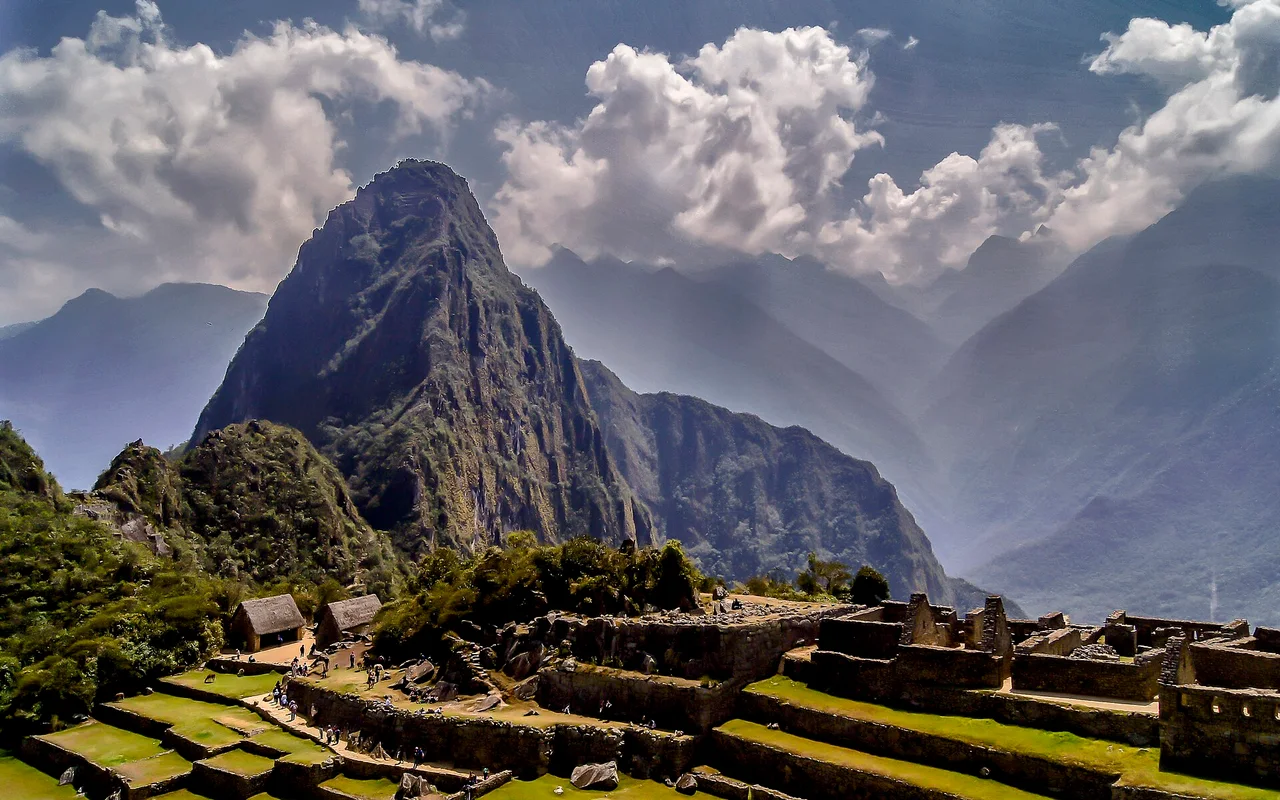
Machu Picchu, photographed in 2012. This image illustrates the Inca setting within the paired study; it does not depict a Mexica site.

Americas / Empire

Mexica and Inca worlds before conquest

The Mexica and Inca built far-reaching political worlds with sophisticated agriculture, engineering, tribute systems, trade, religious life and knowledge traditions before Spanish invasions ruptured them in the sixteenth century.

Read →
1337–1453 CE
Primary Atlas editorial reconstruction for Hundred Years’ War.

Europe / War

Hundred Years’ War

English and French dynasties contested territory and sovereignty through long cycles of war, truce and civil conflict.

Read →
1347–1353 CE
Primary Atlas editorial reconstruction for Black Death.

Global / Medicine

Black Death

Plague moved through Eurasian and North African networks, killing an immense share of local populations.

Read →
1377 CENew study
Pages 4v–5r of the 1377 printed Jikji, digitized by the Bibliothèque nationale de France. This is a surviving printed book, not a photograph of the metal type used to produce it. Bibliothèque nationale de France / Wikimedia Commons · Public domain · Converted to WebP · Licence terms

Asia / Technology

Jikji and the longer history of printing

The surviving volume of Jikji, printed in Korea in 1377, is the oldest extant book printed with movable metal type. It sits within a much longer East Asian history of reproducing texts.

Read →
1419–1436 CE
Primary Atlas editorial reconstruction for Hussite Wars.

Europe / Faith

Hussite Wars

Bohemian followers of Jan Hus defeated repeated crusading armies of the Holy Roman imperial and papal coalition.

Read →
c. 1450 CE · European press development
Primary Atlas editorial reconstruction for Printing press in Europe.

Europe / Technology

Printing press in Europe

Gutenberg’s work combined movable metal type and press production in mid-fifteenth-century Europe. Earlier East Asian woodblock and movable-type traditions form part of the wider printing story.

Read →
1450 CENew study
Historic screw presses at the Plantin-Moretus Museum, Antwerp, photographed in 2009. These surviving presses are a comparison for the mechanism, not an authenticated Gutenberg press. Riopelle / Wikimedia Commons · Public-domain dedication · Resized and converted to WebP
Interactive 3D →

Europe / Technology

The screw printing press: pressure, type and repeated pages

A screw and platen converted a printer’s turning motion into pressure on paper and inked type. The mechanism formed one part of a much larger system of book production.

Read →
1453 CE
Primary Atlas editorial reconstruction for Fall of Constantinople and the Byzantine Empire.

Europe / War

Fall of Constantinople and the Byzantine Empire

Mehmed II’s Ottoman forces captured Constantinople after a major siege, ending Byzantine imperial government in the city and establishing an Ottoman capital. Other Byzantine successor polities survived beyond 1453.

Read →
1492–1700 CE · Atlantic transformation; consequences continued
Primary Atlas editorial reconstruction for Columbian Exchange and Indigenous catastrophe.

Global / Trade

Columbian Exchange and Indigenous catastrophe

Atlantic crossings moved crops, animals, pathogens and people between hemispheres while invasion, epidemic disease, enslavement and forced labour devastated many Indigenous societies.

Read →
1492–c. 1770 CE · selected colonial survey
Primary Atlas editorial reconstruction for European voyages and conquest in the Americas.

Americas / Empire

European voyages and conquest in the Americas

Atlantic voyages intensified connections among Europe, Africa and the Americas and were followed by Iberian and later European invasion, settlement, missionary systems and extraction.

Read →
c. 1501–1866 CE · voyage survey; resistance continued
Primary Atlas editorial reconstruction for Atlantic slave trade and resistance.

Global / Trade

Atlantic slave trade and resistance

European and American traders forcibly transported more than twelve million captive Africans across the Atlantic; resistance by Africans and their descendants took many forms throughout slavery and abolition.

Read →
1517–1648 CE
Primary Atlas editorial reconstruction for Reformation and confessional conflict.

Europe / Faith

Reformation and confessional conflict

Reform movements challenged church authority, doctrine and practice; Catholic renewal and state conflict produced new churches and devastating wars.

Read →
1519–1522 CENew study
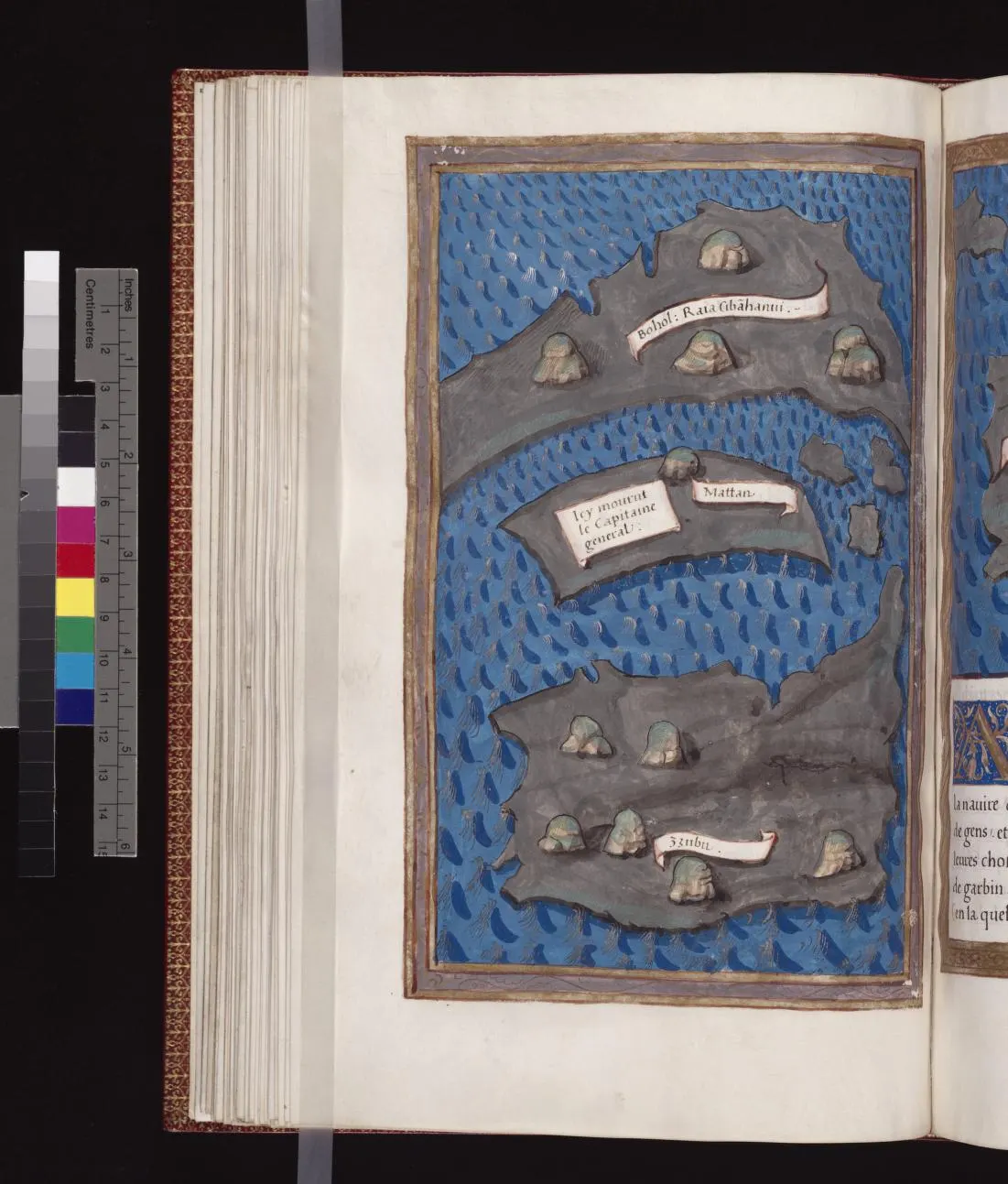
Antonio Pigafetta’s c. 1525 manuscript map of islands encountered during the Philippine stage of the 1519–1522 Magellan–Elcano voyage. It is a near-contemporary participant document, not a complete route map; its labels and geography reflect Pigafetta’s European perspective. Antonio Pigafetta / Yale University Library; World Digital Library / Library of Congress / Wikimedia Commons · Public domain · 25-percent IIIF derivative converted to WebP · Licence terms

Global / Trade

The Magellan–Elcano voyage and the first circumnavigation

An expedition seeking a western route to the Spice Islands became the first documented voyage around the world. Its course connects navigation and commerce with violence, local societies and the work of a multinational crew.

Read →
1526–1858 CE · dynastic survey
Primary Atlas editorial reconstruction for Mughal India.

Asia / Empire

Mughal India

Mughal rulers governed much of South Asia through negotiated sovereignty, taxation and military power while court culture supported major architecture, painting and literature.

Read →
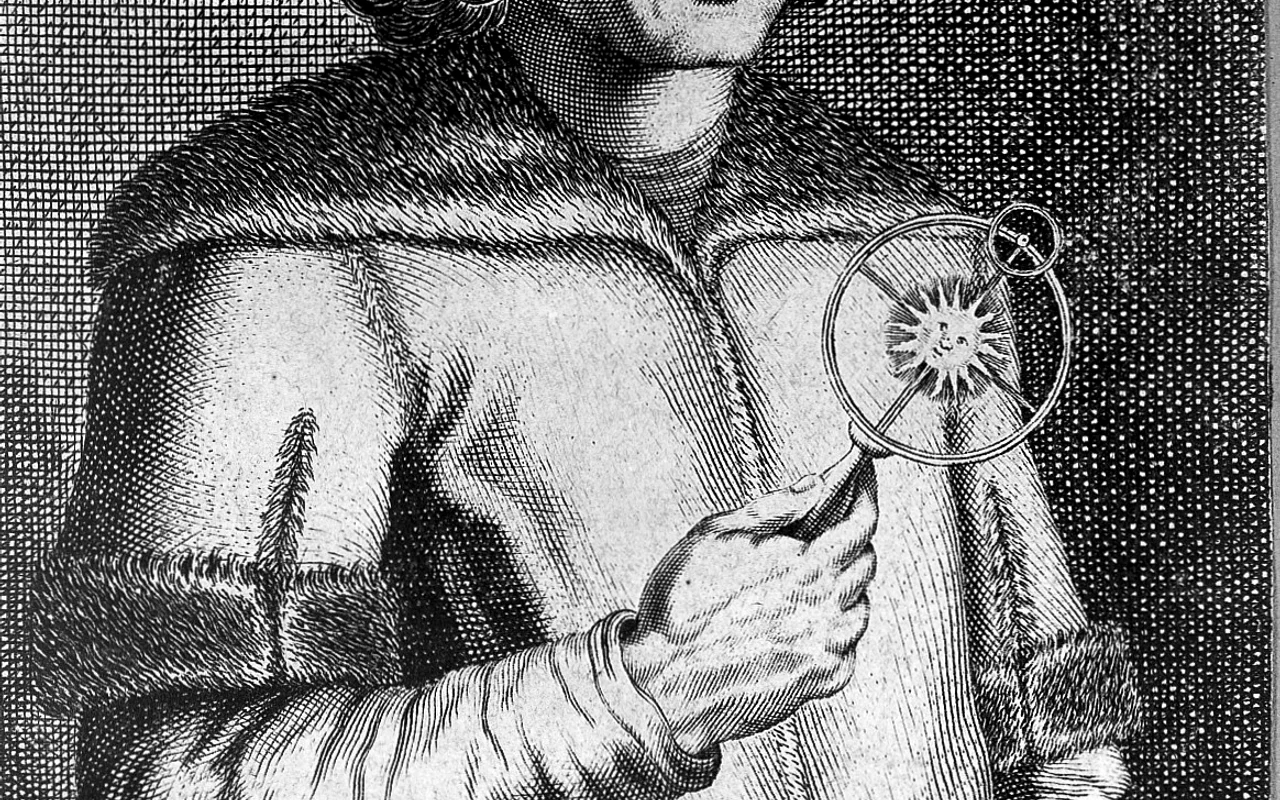
1543 CE
Rights-cleared archival or official image · CC BY 4.0

Europe / Science

Copernican heliocentrism

Nicolaus Copernicus published a Sun-centered mathematical model that reordered the planets and set a long debate about observation, calculation and authority in motion.

Read →
1543–1700 CE · conventional European survey
Primary Atlas editorial reconstruction for Scientific Revolution.

Europe / Science

Scientific Revolution

Across a conventional European survey period, new models of astronomy, experiment, mathematics and instrumentation challenged inherited explanations of nature.

Read →
1568–1815 CE · selected conflict survey
Primary Atlas editorial reconstruction for Major Anglo-French and European wars.

Europe / War

Major Anglo-French and European wars

This selected survey follows dynastic, religious and commercial conflicts from the Dutch Revolt and wars of Louis XIV through the Seven Years’ and Napoleonic Wars, often extending overseas.

Read →
1602–1720 CE · institutional milestones, not a complete history
Rights-cleared archival or official image · Public domain

Global / Trade

Joint-stock companies, exchanges and global finance

The Dutch East India Company, securities trading, insurance and public debt developed durable institutions for pooling capital and financing long-distance commerce; the 1720 crises exposed their risks.

Read →
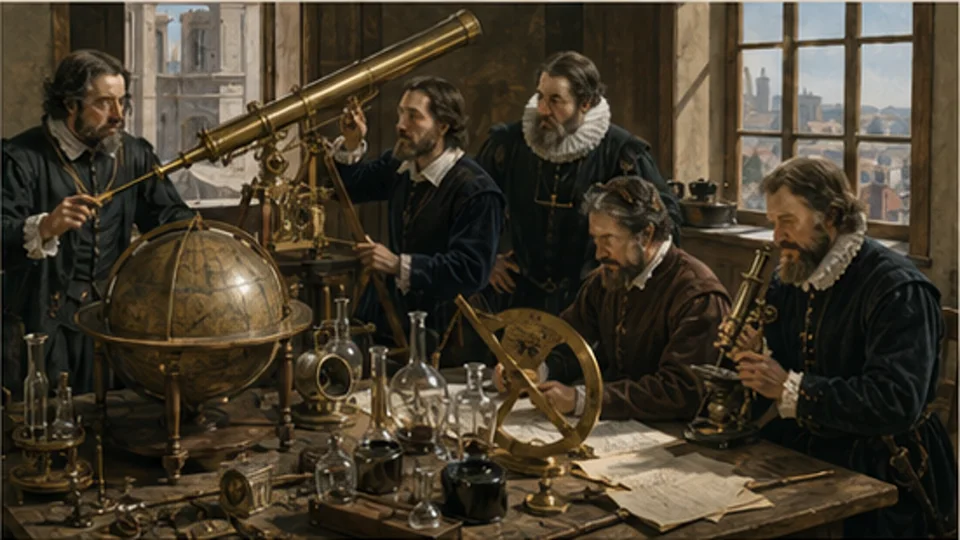
1609–1673 CE
Rights-cleared archival or official image · Public domain

Europe / Technology

Telescope, microscope and experimental observation

New optical instruments brought moons, planets, cells, insects and other previously unseen worlds into view, making careful observation a decisive scientific practice.

Read →
1618–1648 CE
Primary Atlas editorial reconstruction for Thirty Years’ War.

Europe / War

Thirty Years’ War

Confessional and dynastic struggles devastated Central Europe before the Peace of Westphalia.

Read →
1628 CE
Rights-cleared archival or official image · CC BY 4.0

Europe / Medicine

Circulation of the blood

William Harvey argued from experiment and anatomy that the heart pumps blood through a continuous circulation rather than the body continually making and consuming it.

Read →
1654–1858 CE · selected probability and public-health milestones
Rights-cleared archival or official image · CC0

Europe / Science

Probability, statistics and the measurement of populations

Work on probability, mortality tables and statistical graphics created new ways to calculate uncertainty and analyse population health, although the underlying records remained incomplete and selective.

Read →
c. 1680–1901 CE · state formation to colonial annexation
Modern photograph (2018) of the Okomfo Anokye sword site in Kumasi, associated with Asante foundation traditions.

Africa / Empire

Asante Empire

Osei Tutu and Okomfo Anokye helped unite Akan states around Kumasi and the Golden Stool; a sophisticated confederacy grew through military power, diplomacy, law and gold and kola trade.

Read →
1687 CE
Rights-cleared archival or official image · CC BY 4.0

Europe / Science

Newtonian physics

Isaac Newton’s Principia connected terrestrial motion and celestial motion through mathematical laws of motion and universal gravitation.

Read →
1700–1721 CE · coalition war ending at Nystad
Primary Atlas editorial reconstruction for Great Northern War.

Europe / War

Great Northern War

Russia and changing coalition partners challenged Swedish power across the Baltic; Poltava in 1709 was pivotal, while the 1721 Treaty of Nystad closes the displayed war.

Read →
1701–1714 CE · European and imperial conflict
Primary Atlas editorial reconstruction for War of the Spanish Succession.

Europe / War

War of the Spanish Succession

A dispute over the Spanish succession became a coalition war fought in Europe and imperial theatres, with burdens extending far beyond royal courts.

Read →
1712 CENew study
Newcomen atmospheric engine in a 1913 physics textbook. Historical diagram; not a drawing made in 1712. Newton Henry Black and Harvey Nathaniel Davis, Practical Physics (1913), p. 219. Via Wikimedia Commons; public domain in the United States. Image unchanged.
Interactive 3D →

Europe / Technology

Newcomen’s engine: draining mines with atmospheric pressure

The early atmospheric engine turned the pressure of the surrounding air into a pumping stroke. It addressed a practical mining problem and helped open deeper mineral workings.

Read →
1712–1769 CE
Rights-cleared archival or official image · CC BY-SA 2.0

Europe / Technology

Steam power and industrial energy

Newcomen’s mine-pumping engine and Watt’s later separate-condenser design advanced the use of steam power. Subsequent improvements extended its applications to machinery and transport.

Read →
c. 1730–1760 CE · regional revival movements
Primary Atlas editorial reconstruction for The Great Awakening.

Americas / Faith

The Great Awakening

Revival movements transformed Protestant worship, print culture and ideas of individual conscience.

Read →
1752–1831 CE
Rights-cleared archival or official image · CC BY 4.0

Global / Science

Electricity and electromagnetism

Experiments on charge, batteries, current and electromagnetic induction established the principles that would later power generators, motors and electrical networks.

Read →
1752–1866 CENew study
A Francis turbine in the Suffolk Mill wheel pit, Lowell, Massachusetts. This modern NPS photograph shows a turbine, not the undershot wheel demonstrated in the separate 3D model. Lowell used different water-power technologies over time. National Park Service · Public domain (U.S. government work); no claim to original U.S. Government works · Auto-oriented, resized and converted to WebP
Interactive 3D →

Global / Technology

Waterpower, mill systems and industrial work

Waterwheels belong to a longer history than steam-powered factories. Experiments and mill systems show how controlling water and transmitting rotation shaped industrial production.

Read →
1754/1756–1763 CE · connected global theatres
Primary Atlas editorial reconstruction for Seven Years’ War.

Global / War

Seven Years’ War

Fighting began in North America in 1754 and expanded into a formally European war in 1756, connecting Europe, the Americas, West Africa and Asia.

Read →
c. 1760–1914 CE · uneven global survey
Primary Atlas editorial reconstruction for Industrial Revolution.

Global / Technology

Industrial Revolution

Mechanized production, fossil energy, factories, railways and steamships transformed work, cities and global trade, first in Britain and then unevenly worldwide.

Read →
1763–1783 CE · imperial crisis, war and settlement
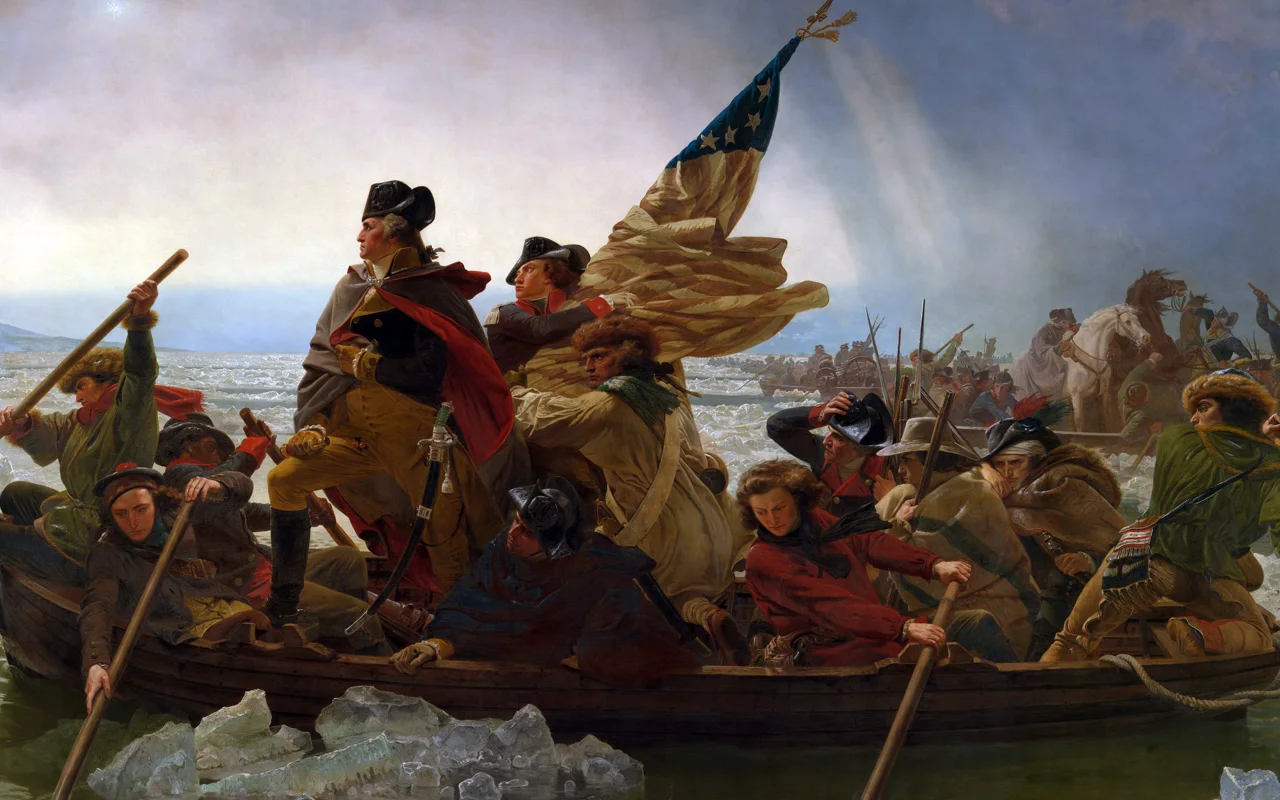
Emanuel Leutze painted Washington Crossing the Delaware in 1851, interpreting an event of December 1776.

Americas / Rights

American Revolution

Conflict over imperial taxation and authority became rebellion and war; thirteen colonies declared independence in 1776 and secured British recognition in 1783.

Read →
c. 1764–1850 CE · selected British-centred milestones
Rights-cleared archival or official image · CC BY-SA 3.0

Europe / Technology

Mechanized textiles, machine tools and factory production

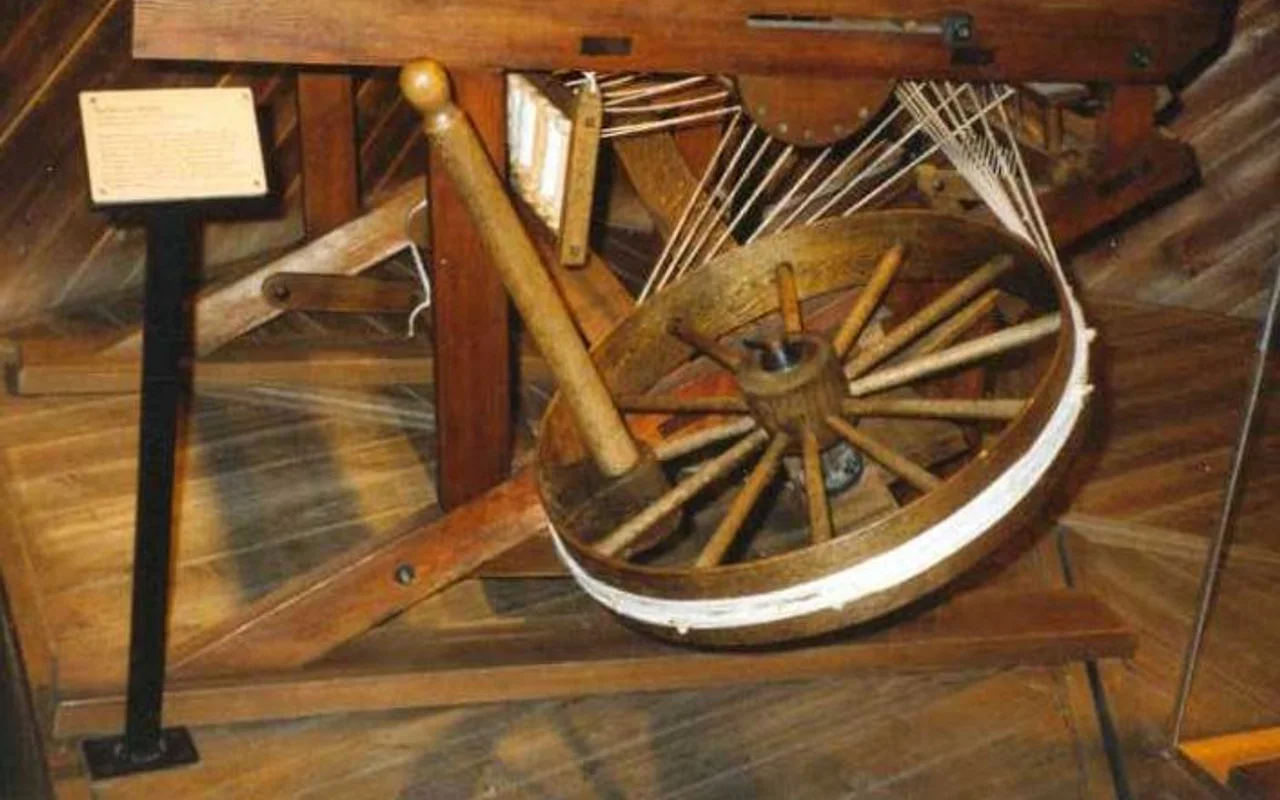
Spinning, weaving, precision metalworking and powered machinery expanded factory production without immediately replacing workshops or domestic labour.

Read →
1772–1888 CE · selected Atlantic legal milestones
Primary Atlas editorial reconstruction for Abolition of Atlantic slave systems.

Global / Rights

Abolition of Atlantic slave systems

Enslaved people, maroon communities, writers, religious organizers and political movements forced successive restrictions and abolitions across the Atlantic world.

Read →
1776–1867 CE · selected publications and debates
Rights-cleared archival or official image · Public domain

Europe / Trade

Political economy and industrial capitalism

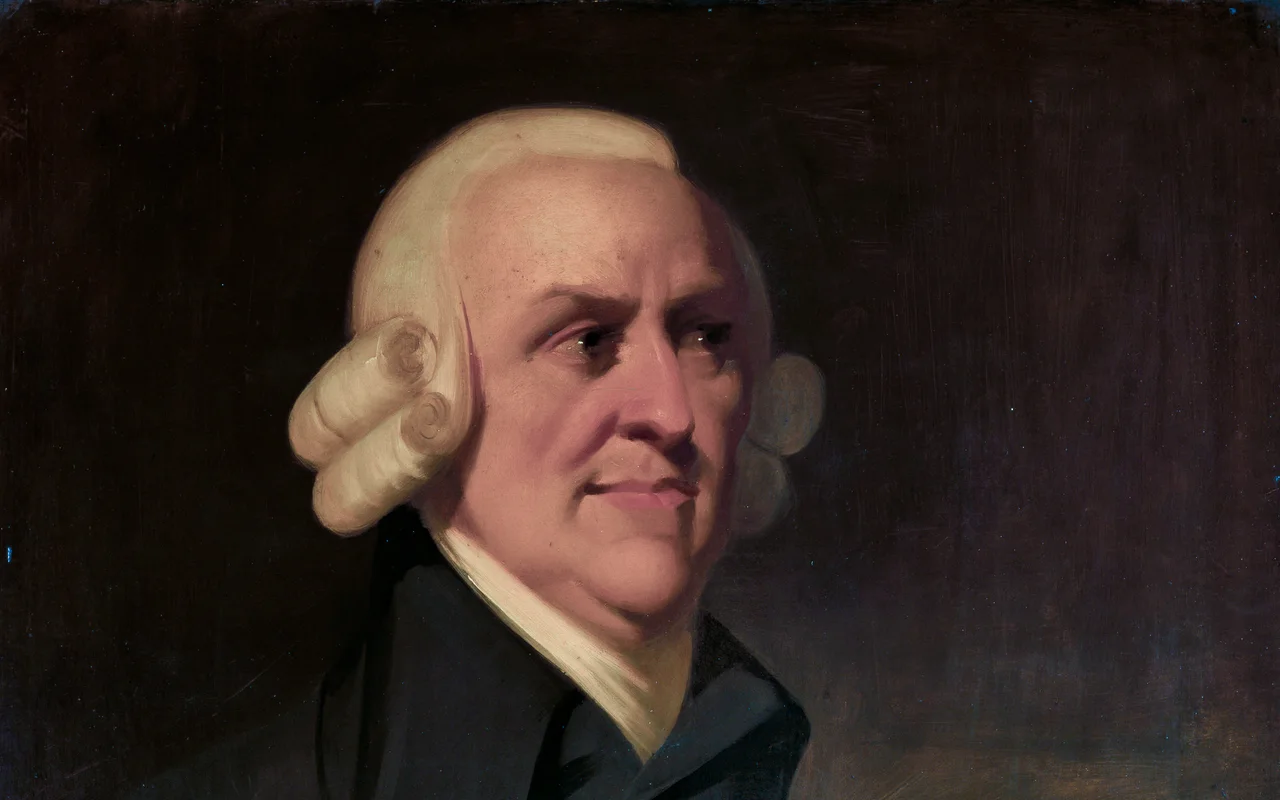
Debates over markets, labor, land, value, poverty and industrial growth became formal political economy, from Adam Smith to Karl Marx and many critics of empire and capitalism.

Read →
1789–1799 CE · constitutional, republican and imperial phases
Primary Atlas editorial reconstruction for French Revolution.

Europe / Rights

French Revolution

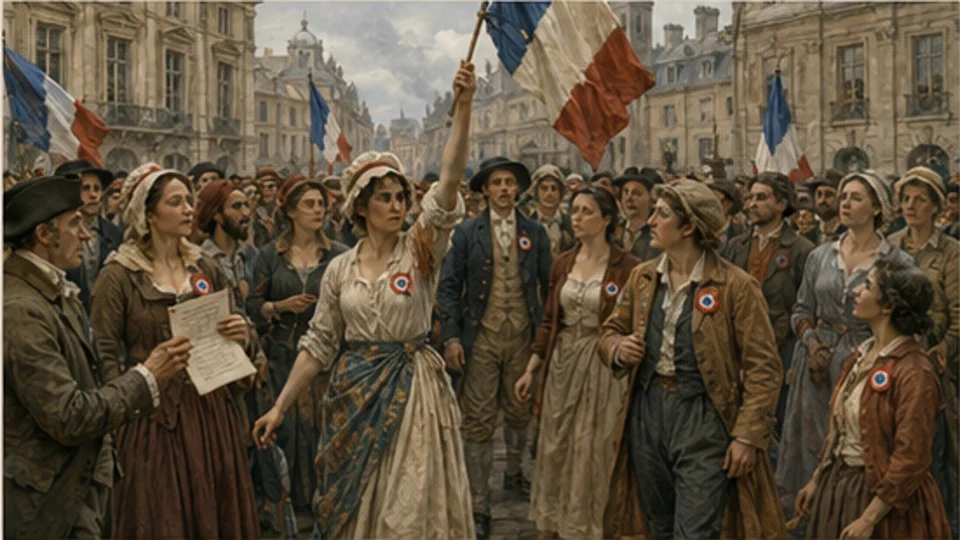
Fiscal crisis, inequality and political conflict toppled the monarchy and produced declarations of rights, republic, terror and war.

Read →
1789–1869 CE
Rights-cleared archival or official image · Public domain

Europe / Science

Modern chemistry and the periodic table

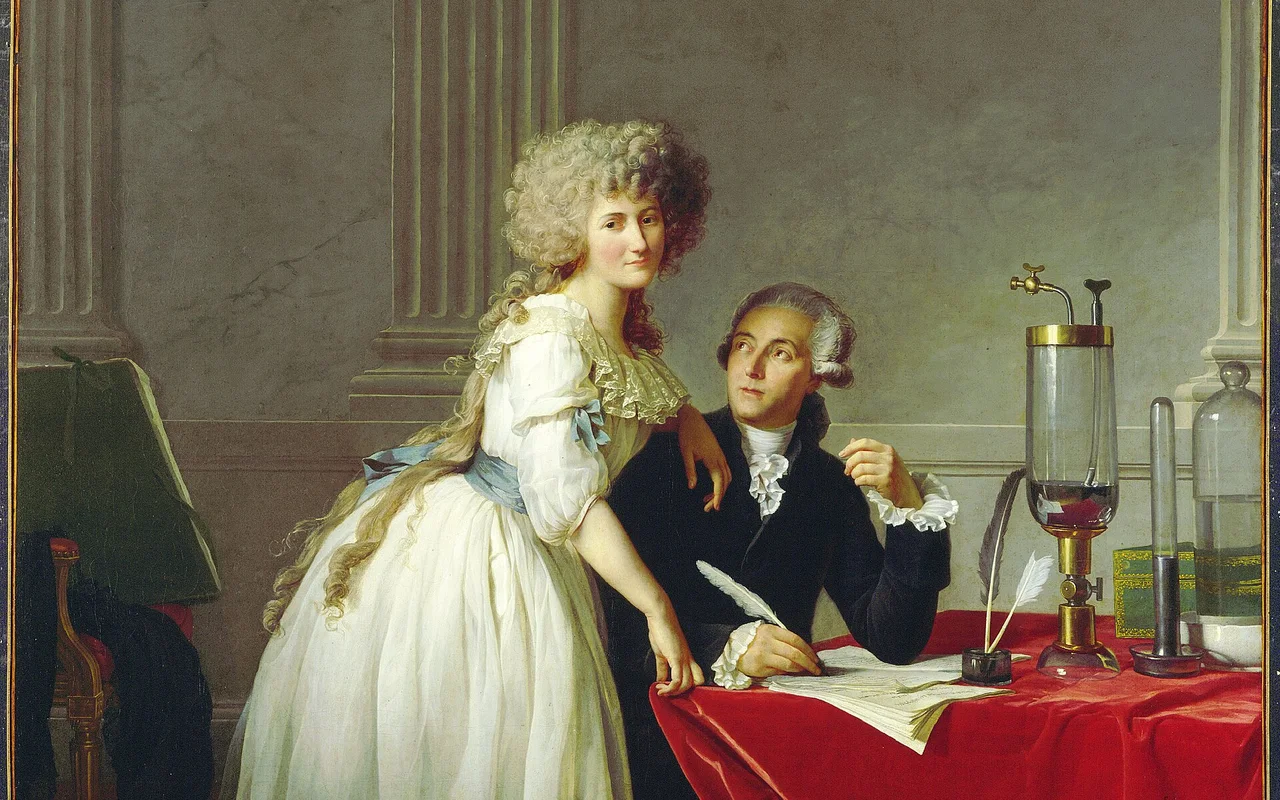
Lavoisier’s chemical language and later periodic classifications made elements, mass and recurring properties easier to identify, compare and predict.

Read →
1791–1804 CE · uprising, emancipation and independence
Denis Alexandre Volozan’s equestrian portrait of Toussaint Louverture, circa 1800; a painted representation, not a photograph.

Americas / Rights

Haitian Revolution

Enslaved and free people in Saint-Domingue fought colonial armies and internal rivals through revolution, emancipation and the establishment of independent Haiti.

Read →
1796–1980 CE · Jenner milestone to certified eradication
Primary Atlas editorial reconstruction for Smallpox vaccination.

Global / Medicine

Smallpox vaccination

Edward Jenner’s experiment helped formalize vaccination, building on earlier variolation knowledge across Asia, Africa and the Ottoman world.

Read →
1798–1799 CE · capture, exile and death
Primary Atlas editorial reconstruction for Capture of Pope Pius VI.

Europe / Faith

Capture of Pope Pius VI

French revolutionary forces occupied Rome and proclaimed a republic in 1798. Pius VI was removed from Rome, held under French authority and died in exile at Valence in 1799.

Read →
1799–1822 CE · discovery and decipherment milestones
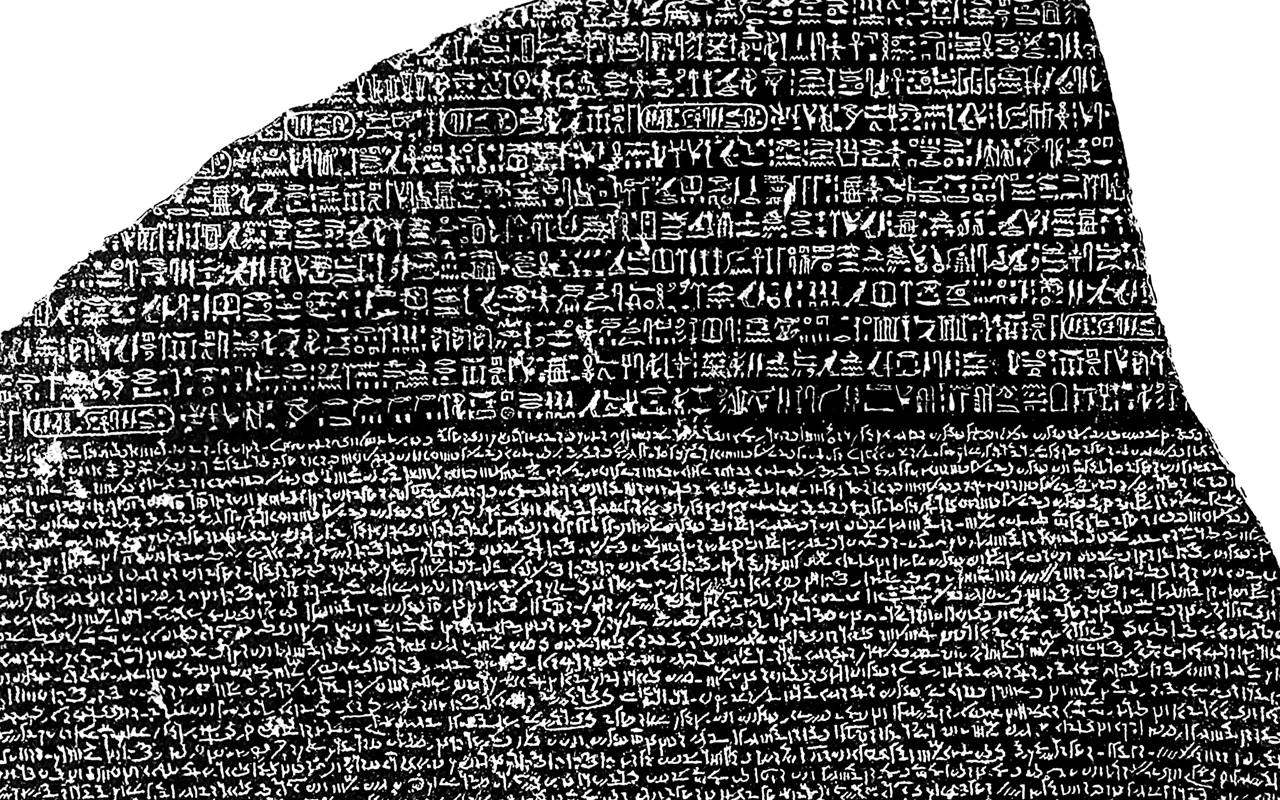
A photograph of the Rosetta Stone published in 1922, subsequently digitally enhanced. It does not show the discovery in 1799.

Africa / Science

The Rosetta Stone unlocks hieroglyphs

French soldiers found the trilingual Rosetta Stone at Rashid in 1799. British forces took it in 1801; in 1822 Jean-François Champollion announced a decisive advance built on Thomas Young’s work and earlier scholarship.

Read →
1803–1890 CE · selected U.S. expansion milestones
Primary Atlas editorial reconstruction for Manifest Destiny and Indigenous wars.

Americas / Empire

Manifest Destiny and Indigenous wars

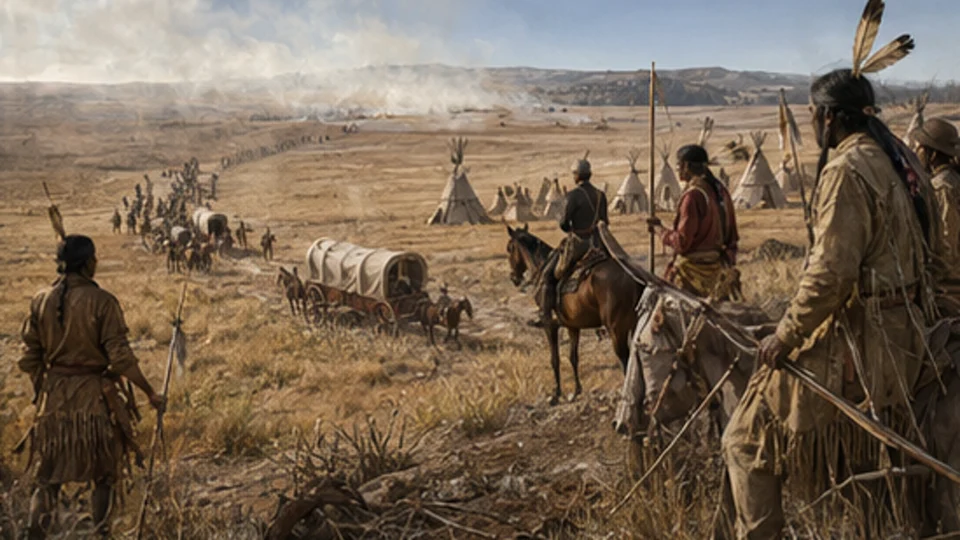
U.S. settlement expanded westward through purchase, annexation, forced removal, broken treaties, warfare and the destruction of Indigenous food systems.

Read →
1804–1826 CE · selected mainland independence survey
Primary Atlas editorial reconstruction for Latin American independence.

Americas / Rights

Latin American independence

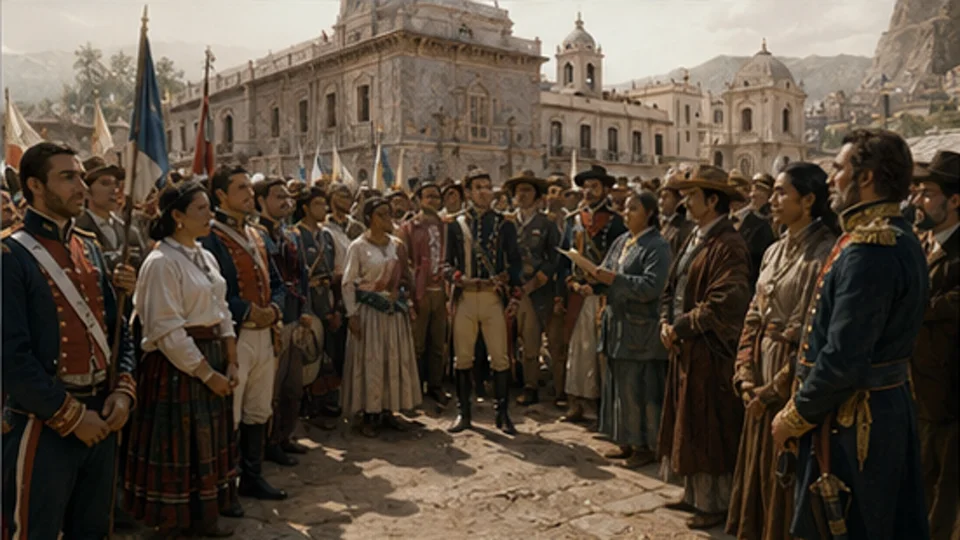
This selected survey follows wars that ended most Spanish rule in mainland Latin America, while distinguishing Haiti’s earlier revolution, Brazil’s different path and surviving colonial territories.

Read →
1804–1869 CE · selected locomotive, steamship and railway milestones
Rights-cleared archival or official image · CC BY-SA 4.0

Global / Technology

Railways, steamships and networked transport

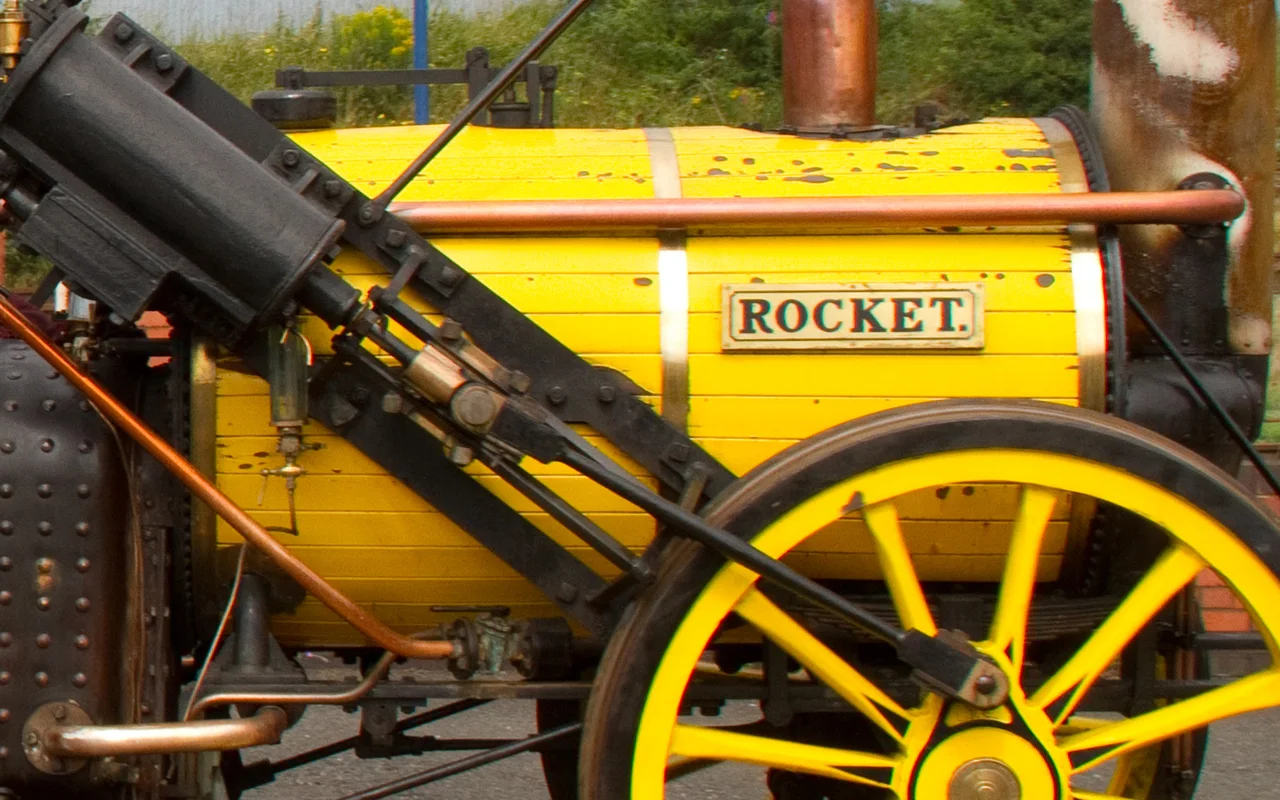
Selected locomotive, railway and steamship milestones trace how transport became faster and more regular, while older sail, road and river systems continued and regional timelines differed.

Read →
1804–1903 CENew study
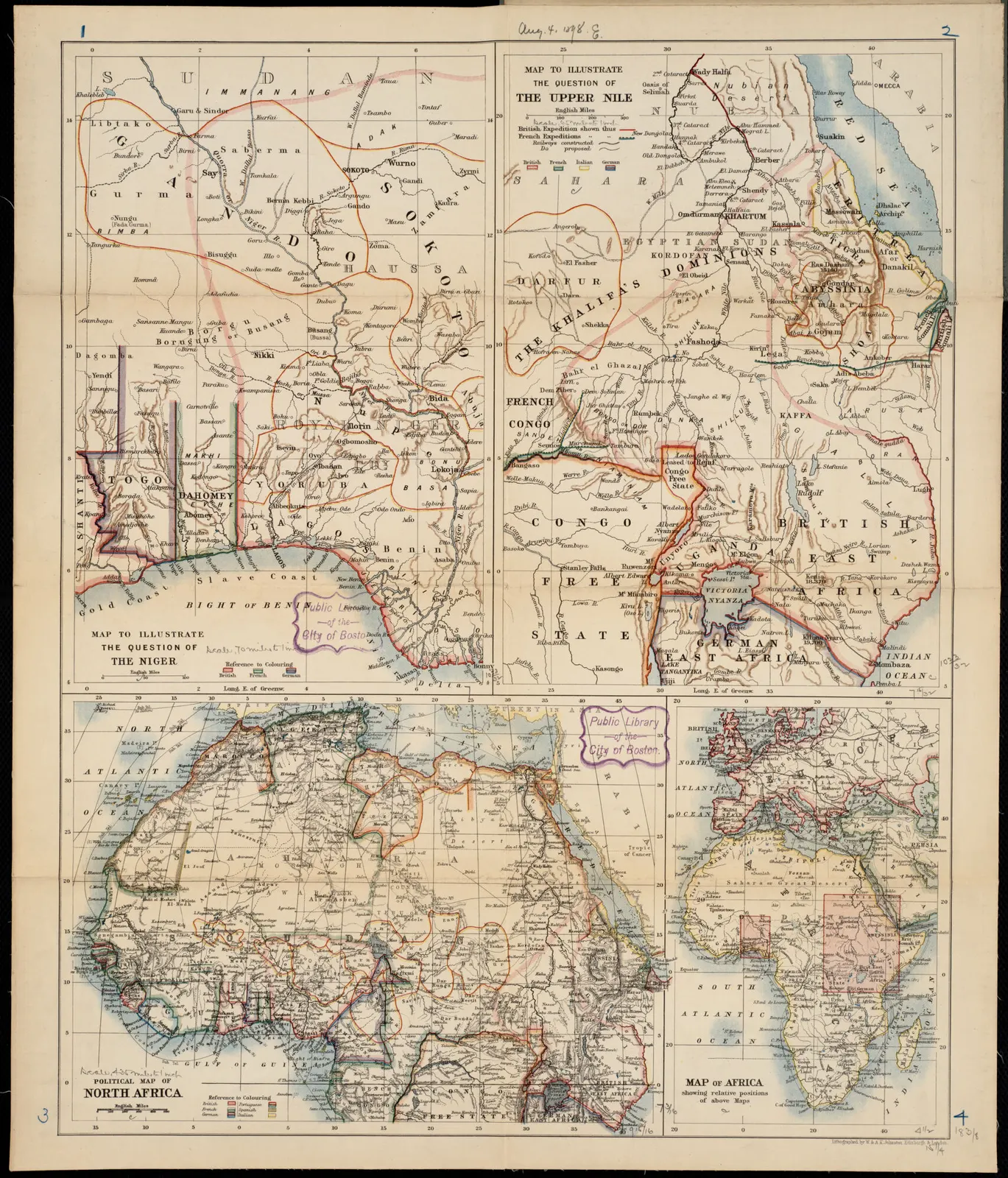
An 1898 British map sheet showing the Niger region, with Sokoto, Gando and Kano visible in its upper-left panel during the late caliphate. It is a colonial map emphasizing European territorial claims; its borders and political categories are not neutral or definitive. W. & A.K. Johnston Limited / Norman B. Leventhal Map & Education Center, Boston Public Library / Wikimedia Commons · 1898 publication, public domain in the United States · Full sheet retained; resized and converted to WebP · Licence terms

Africa / Empire

The Sokoto Caliphate: political power, plantations and slavery

The nineteenth-century Sokoto Caliphate linked religious reform and state formation to an expanding plantation economy sustained by enslaved labour.

Read →
1807–c. 1960 CE · uneven continental survey
Primary Atlas editorial reconstruction for From abolition to colonial conquest.

Africa / Empire

From abolition to colonial conquest

Across different African regions, uneven abolition measures, African political choices, changing commerce and European naval coercion preceded—but did not mechanically cause—later territorial conquest and colonial rule.

Read →
1824–1901 CE · selected wars and colonial annexation
Primary Atlas editorial reconstruction for Asante–British Wars.

Africa / War

Asante–British Wars

Successive conflicts pitted Asante sovereignty against British expansion on the Gold Coast. Yaa Asantewaa led the 1900 War of the Golden Stool; Britain annexed Asante in 1901 without ending Asante identity or institutions.

Read →
c. 1826–1895 CE · selected imaging and projection milestones
Rights-cleared archival or official image · Public domain

Europe / Technology

Photography, film and the recorded image

Experiments by many makers produced chemical photography and then projected motion pictures. The selected European and North American milestones do not represent every photographic tradition or one inventor’s achievement.

Read →
1837–1901 CE · selected signal and recording milestones
Rights-cleared archival or official image · Public domain

Global / Technology

Electrical communication and recording

Selected telegraphy, telephony, sound-recording and radio milestones show distinct technologies becoming systems for rapid communication, coordination and mass media through infrastructure and operator labour.

Read →
1838 CENew study
Herbert River Native Mounted Police camp, Queensland, c. 1870. The photograph documents personnel and infrastructure of a force central to colonial frontier violence, but it does not show an attack or its victims. Aboriginal and Torres Strait Islander viewers are advised that historical photographs may show people who have died. Unknown photographer / State Library of Queensland / Wikimedia Commons · Public domain · Full frame retained; resized and converted to WebP · Licence terms

Oceania / Empire

Australian frontier violence: Myall Creek and its aftermath

The killing of Gamilaraay people at Myall Creek exposes the violence accompanying settler expansion and the exceptional nature of the prosecutions that followed.

Read →
1838–1906 CE · selected cell, physiology and neuron milestones
Rights-cleared archival or official image · CC BY 4.0

Europe / Medicine

Cell theory, neurons and modern physiology

Microscopy, cell theory, experimental physiology and competing work on nervous tissue gradually recast living bodies as organized systems of cells, organs, signals and chemical processes.

Read →
1839–1842 and 1856–1860 CE · two imperial wars
Primary Atlas editorial reconstruction for Opium Wars.

Asia / Trade

Opium Wars

Britain fought Qing China in 1839–1842; Britain and France fought the second war in 1856–1860. Opium commerce, diplomatic conflict and military coercion produced unequal treaties and expanded treaty-port access.

Read →
1845–1852 CENew study
Office of Public Works map of Irish baronies with relief works, dated 13 November 1846. The green marks record works, not deaths, the severity of hunger or the effectiveness of relief. Office of Public Works, Ireland; University of Southampton Library digitization / Wikimedia Commons · Public domain · Full frame retained; resized and converted to WebP · Licence terms

Europe / Rights

The Great Famine in Ireland: distress, relief and the archive

The famine devastated Irish communities. Records of pleas for assistance reveal both local suffering and the institutions responsible for relief.

Read →
1845–1872 CENew study
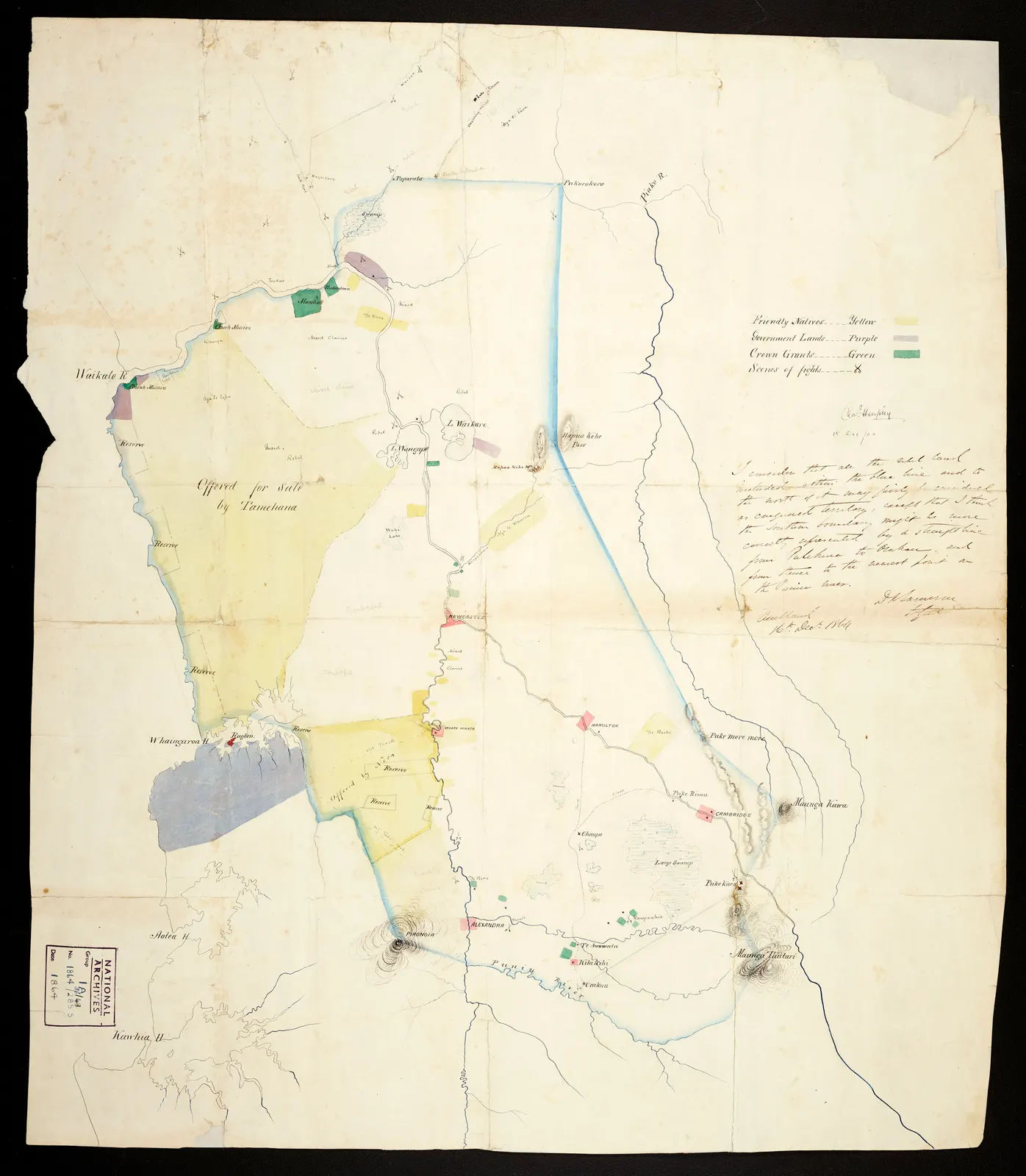
An 1864 Waikato land-confiscation map, signed by Charles Heaphy and annotated by General Cameron. A colonial administrative source, not a neutral account of Māori land rights or a modern boundary map. Archives New Zealand Te Rua Mahara o te Kāwanatanga · ACGO 8368 IA36/8/49 · CC BY 2.0 · Full frame retained; resized and converted to WebP · Licence terms

Oceania / War

The New Zealand Wars: land, alliances and sovereignty

Wars between Crown forces, Māori opponents and Māori allies of the Crown reshaped authority and landholding across the North Island.

Read →
1846–1885 CE
Rights-cleared archival or official image · CC BY-SA 4.0

Global / Medicine

Anesthesia, germ theory and public health

Anesthesia made new forms of surgery possible while germ theory, antisepsis, vaccination and sanitation changed how communities explained and prevented disease.

Read →
1846–1848 CE · war, treaty and territorial transfer
Primary Atlas editorial reconstruction for Mexican–American War.

Americas / War

Mexican–American War

War after the U.S. annexation of Texas and a disputed border ended in the Treaty of Guadalupe Hidalgo, which transferred extensive Mexican territory to the United States without making Indigenous nations parties to the settlement.

Read →
1848–1849 CENew study
A session of the Frankfurt National Assembly on 16 September 1848, in a contemporary lithograph by Fr. Wentzel. The printed scene is an artist-mediated interpretation, not a photograph or verbatim record of the debate. Fr. Wentzel / Wien Museum, HMW 88579 · CC0 1.0 · Full frame retained; resized and converted to WebP · Licence terms

Europe / Rights

The revolutions of 1848–1849 and the Frankfurt Assembly

Liberal, democratic and national movements challenged Europe’s established order. The Frankfurt Assembly attempted to create a constitutional German nation-state.

Read →
1848–1920 CE · selected U.S. and British movement milestones
Primary Atlas editorial reconstruction for Women’s rights and suffrage movements.

Global / Rights

Women’s rights and suffrage movements

This selected U.S. and British survey follows conventions, petitions, publications and civil disobedience for legal personhood, property rights and the vote; suffrage chronologies differed worldwide.

Read →
1850–1864 CENew study
Cannons identified as dating from the Taiping Uprising, photographed at the City Museum in Changsha in 2010. This modern museum view is not a battle scene; the Commons record provides no accession numbers or object-by-object provenance. Gary Lee Todd, Ph.D. / City Museum, Changsha / Wikimedia Commons · CC0 1.0 · Converted to WebP · Licence terms

Asia / War

The Taiping rebellion and the crisis of Qing rule

Hong Xiuquan’s movement challenged the Qing state with a rival religious and political programme. Civil war devastated large parts of China.

Read →
1853–1856 CE · Black Sea and wider coalition war
Primary Atlas editorial reconstruction for Crimean War.

Europe / War

Crimean War

Russia fought an alliance of the Ottoman Empire, Britain, France and Sardinia-Piedmont, chiefly around the Black Sea and Crimea.

Read →
1857–1858 CENew study
Ruins of the Bibighar at Cawnpore after the 1857 siege, photographed between 1857 and 1859. The non-graphic image documents a site associated with the killing of more than 200 British women and children; it does not represent the rebellion’s wider Indian or British experiences. Unknown photographer; Lanyon collection / Imperial War Museums, object 205022425 / Wikimedia Commons · Public domain, expired UK Crown copyright · Converted to WebP · Licence terms

Asia / Empire

Indian Rebellion of 1857 and the end of Company rule

A military uprising became a wider challenge to the East India Company, drawing in rulers and civilians with different grievances and goals.

Read →
1858–1875 CENew study
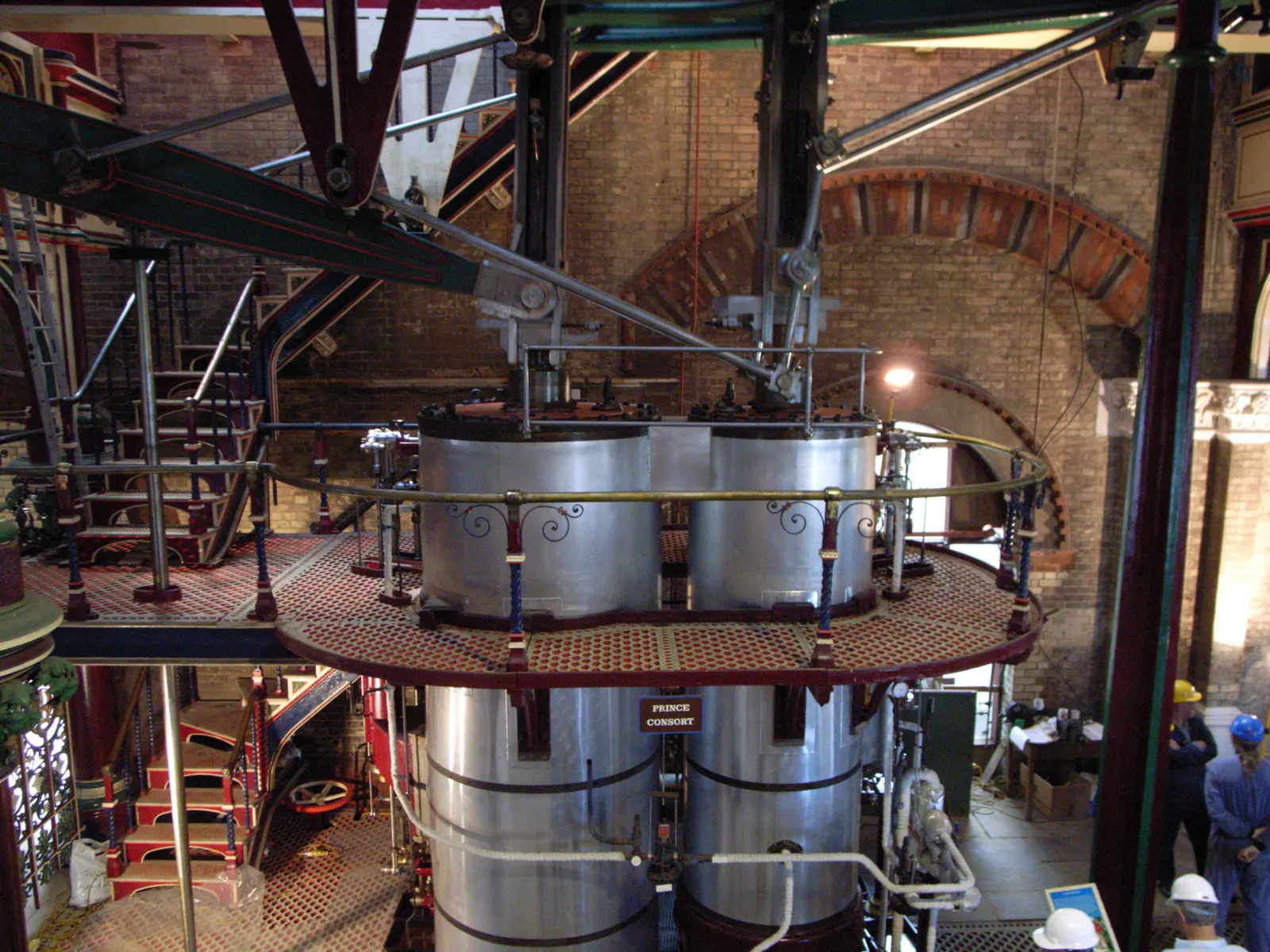
The historic Prince Consort beam engine at Crossness Pumping Station, photographed in 2007. This modern photograph documents surviving sanitation machinery; it is not an 1865 photograph. Steve Cadman / Wikimedia Commons · CC BY-SA 2.0 · Resized and converted to WebP; derivative under the same licence · Licence terms

Europe / Medicine

London’s sanitation: waste, water and public works

Rapid urban growth overwhelmed older waste systems. London’s sewer works show how public health depended on engineering, finance and the work of maintenance.

Read →
1859–1866 CE · selected evolution and inheritance publications
Rights-cleared archival or official image · Public domain

Europe / Science

Evolution and heredity

Darwin and Wallace developed natural selection, while Mendel’s pea experiments addressed inheritance through a distinct research programme. Their later synthesis was not completed in 1866.

Read →
c. 1860–1913 CE · selected engine, automobile and production milestones
Rights-cleared archival or official image · CC BY-SA 4.0

Global / Technology

Internal combustion, automobiles and mass mobility

Selected European and U.S. engine, automobile and factory milestones trace a transition toward motor transport; widespread mass mobility developed later and unevenly around the world.

Read →
1861–1865 CE · civil war and wartime emancipation
Primary Atlas editorial reconstruction for American Civil War and emancipation.

Americas / War

American Civil War and emancipation

Eleven slaveholding states attempted secession to protect slavery. Enslaved people’s actions, wartime emancipation, Black military service, Union victory and the Thirteenth Amendment destroyed legal chattel slavery.

Read →
1864–1938 CE · selected organising and labour-law milestones
Primary Atlas editorial reconstruction for Labour and trade-union movements.

Global / Rights

Labour and trade-union movements

Workers built unions, parties and international organizations to contest dangerous conditions, low wages and political exclusion.

Read →
1865–1900 CENew study
A segregated waiting-room entrance at a bus station in Durham, North Carolina, photographed by Jack Delano in May 1940. This later documentary photograph records Jim Crow infrastructure, not the Reconstruction era or the entire regional system. Jack Delano / Farm Security Administration–Office of War Information / Library of Congress / Wikimedia Commons · U.S. federal work, public domain in the United States · Resized and converted to WebP · Licence terms

Americas / Rights

Reconstruction, citizenship and the rise of Jim Crow

Emancipation opened a struggle over citizenship, political participation and freedom. Reconstruction’s gains met organised violence and the subsequent expansion of segregation.

Read →
1867–1999 CE · selected state-building and Indigenous-resistance milestones
Primary Atlas editorial reconstruction for Canada, Confederation and Indigenous resistance.

Americas / Rights

Canada, Confederation and Indigenous resistance

Canadian Confederation expanded west and north through treaties, settlement and coercion; First Nations, Inuit and Métis communities negotiated, resisted and survived dispossession and residential schools.

Read →
1868–1912 CE · Meiji reign and imperial transformation
Primary Atlas editorial reconstruction for Meiji transformation of Japan.

Asia / Technology

Meiji transformation of Japan

Japan centralized government, industrialized rapidly and reorganized education and the military while building an empire of its own.

Read →
1870–1893 CENew study
Two pupils read together during a lesson at Fen Ditton Junior School, Cambridgeshire, in 1944. This later classroom photograph illustrates mass schooling after the study’s nineteenth-century legal milestones; it is not a Victorian classroom. Ministry of Information Photo Division / Imperial War Museums, D 23615 / Wikimedia Commons · Public domain, expired UK Crown copyright · Converted to WebP · Licence terms

Europe / Rights

Mass schooling in England and Wales: access, fees and attendance

State-supported school provision, compulsory attendance and the removal of fees developed through separate reforms. Family livelihoods affected whether children could attend.

Read →
1879 CENew study
Alphonse de Neuville’s 1880 painting The Defence of Rorke’s Drift 1879. Made one year after the battle, it is a dramatized European interpretation—not a documentary photograph—and centers the British defence. Alphonse de Neuville / Art Gallery of New South Wales, accession 735 / Wikimedia Commons · Public Domain Mark · Full frame retained; resized and converted to WebP · Licence terms

Africa / Empire

The Zulu Kingdom and the British invasion of 1879

British plans for a southern African federation threatened an independent Zulu kingdom. Military resistance, conquest and political fragmentation followed.

Read →
c. 1880–1914 CE · conventional imperial-intensification survey
Primary Atlas editorial reconstruction for New Imperialism and colonial partition.

Global / Empire

New Imperialism and colonial partition

Industrial powers intensified territorial conquest in Africa, Asia and the Pacific through wars, unequal treaties, chartered companies and settler colonization.

Read →
1881–1925 CE · cache discovery and excavation milestones
Harry Burton’s 1924 photograph from the documentation of Tutankhamun’s tomb; Griffith Institute, album 5, photograph 470.

Africa / Science

Egyptian mummies: royal cache and Tutankhamun

The Deir el-Bahari royal-mummy cache entered official archaeology in 1881. Tutankhamun’s tomb was found in 1922 and his mummy examined in 1925 through work involving Egyptian excavators and officials as well as Howard Carter’s team.

Read →
1884–1885 CE · Berlin meeting within a longer partition
Primary Atlas editorial reconstruction for Berlin Conference and Scramble for Africa.

Africa / Empire

Berlin Conference and Scramble for Africa

European powers negotiated rules for claiming African territory without African representation as conquest accelerated.

Read →
1885–1908 CENew study
Revenue divisions and concessions of the Congo Free State, from E. D. Morel’s Red Rubber (1906). A reform campaign’s evidentiary map; its crosses are not a complete count of victims or incidents. E. D. Morel · Red Rubber (1906) / Wikimedia Commons · Public domain · Full-frame Wikimedia 1280-pixel derivative converted to WebP · Licence terms

Africa / Empire

The Congo Free State: extraction, coercion and population loss

Leopold II’s Congo Free State organised violent extraction of rubber and ivory. Its history requires attention to coercion, disrupted livelihoods and the limits of population estimates.

Read →
1895–1927 CE · selected radiation and quantum milestones
Rights-cleared archival or official image · Public domain

Europe / Science

X-rays, radioactivity and quantum physics

X-ray imaging, research on radioactivity and several stages of quantum theory were distinct experimental and mathematical programmes that exposed limits in classical physics.

Read →
1 March 1896 CE · battle and treaty-recognition milestone
Primary Atlas editorial reconstruction for Battle of Adwa.

Africa / War

Battle of Adwa

An Ethiopian army assembled from several regions under Menelik II and Taytu Betul defeated Italy’s invading force at Adwa; Italy recognised Ethiopian independence in the Treaty of Addis Ababa later that year.

Read →
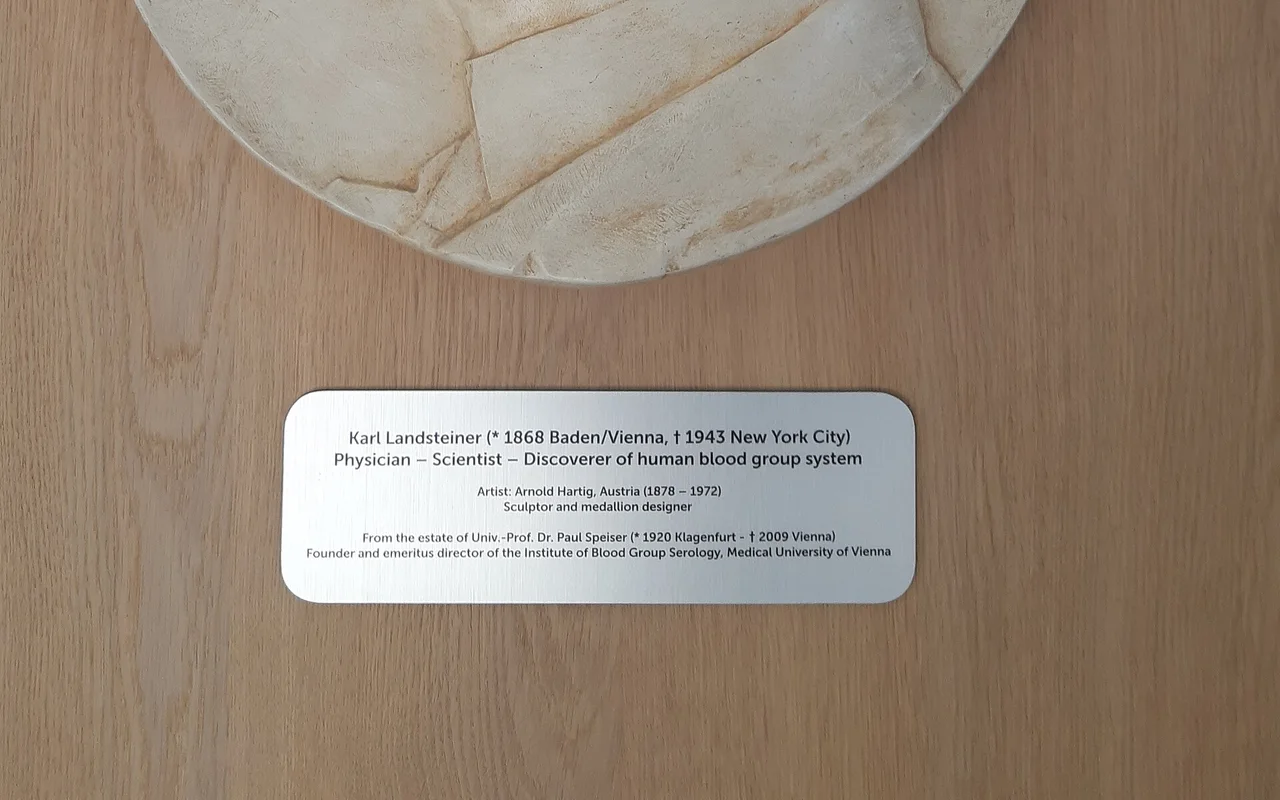
1901–1923 CE · blood-group, insulin and clinical-use milestones
Rights-cleared archival or official image · CC0

Europe / Medicine

Blood groups, insulin and modern clinical physiology

Landsteiner’s blood-group work enabled safer compatibility testing, while the Toronto insulin team’s extraction, purification and clinical trials transformed type 1 diabetes from a rapidly fatal disease into a treatable chronic condition.

Read →
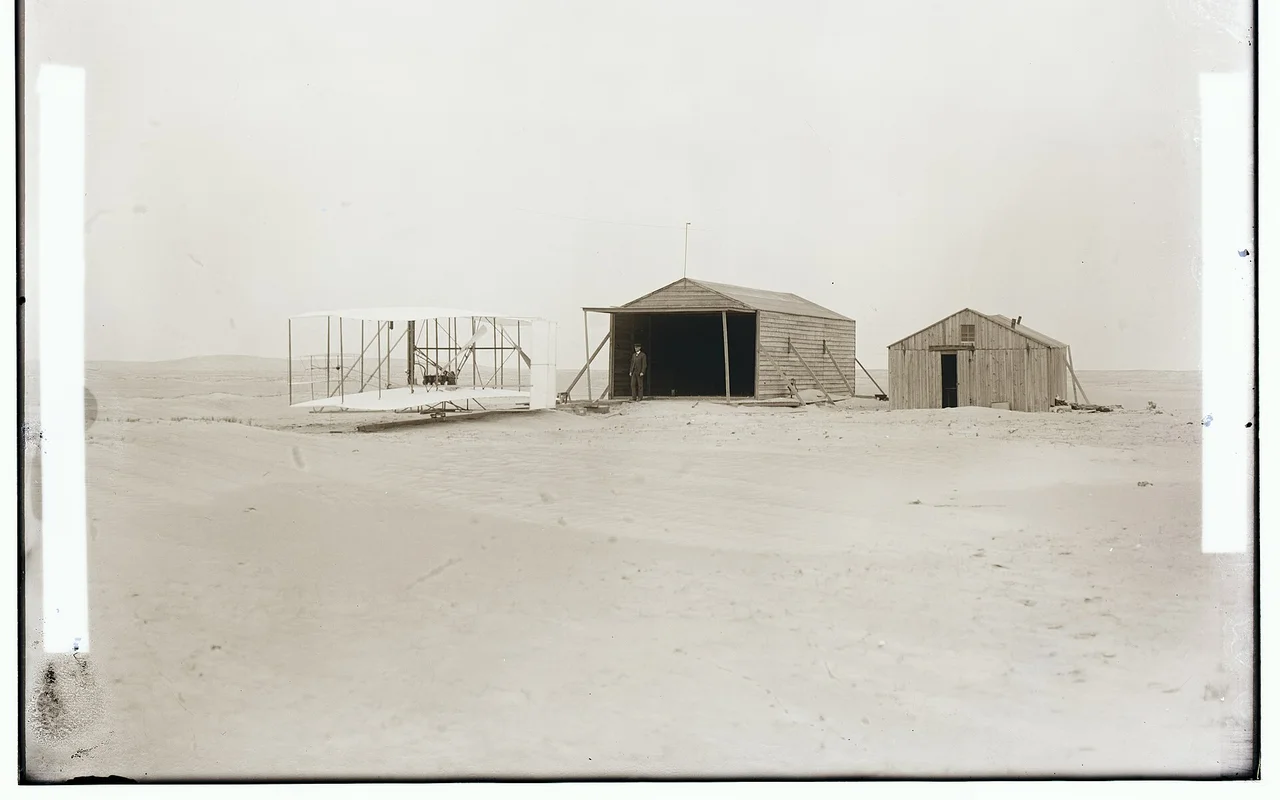
17 December 1903 CE · first sustained, controlled powered airplane flights
Rights-cleared archival or official image · Public domain

Americas / Technology

Powered flight

At Kitty Hawk, the Wright brothers made four successful flights in a powered, heavier-than-air machine whose pilot could control pitch, roll and yaw.

Read →
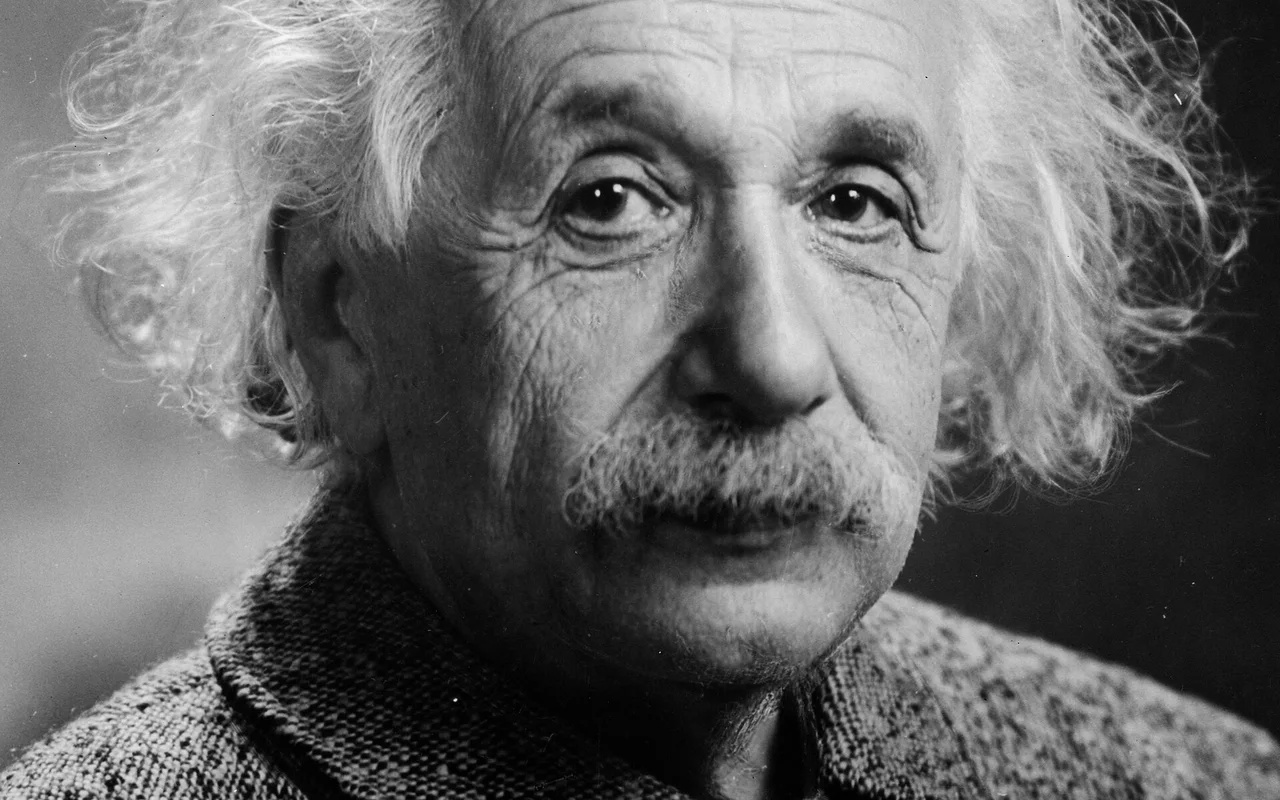
1905–1929 CE · special/general relativity and redshift–distance milestones
Rights-cleared archival or official image · Public domain

Europe / Science

Relativity and the expanding universe

Special relativity changed the relation of space and time; general relativity described gravitation through curved spacetime. Distance and redshift work by several astronomers then supported an expanding universe.

Read →
1905–1907 CENew study
Content note: this non-graphic photograph shows condemned Maji Maji fighters shortly before their execution in February 1906. The original photographer and holding institution are not identified; the file is a 2014 digital reproduction of the archival image. Original photographer unidentified; digital reproduction by Downluke / Wikimedia Commons · CC BY-SA 4.0 · 960-pixel Wikimedia derivative converted to WebP; derivative under the same licence · Licence terms

Africa / War

The Maji Maji war and German colonial coercion

Resistance to German rule in East Africa grew from coercive taxation and labour. The suppression devastated communities in what is now mainland Tanzania.

Read →
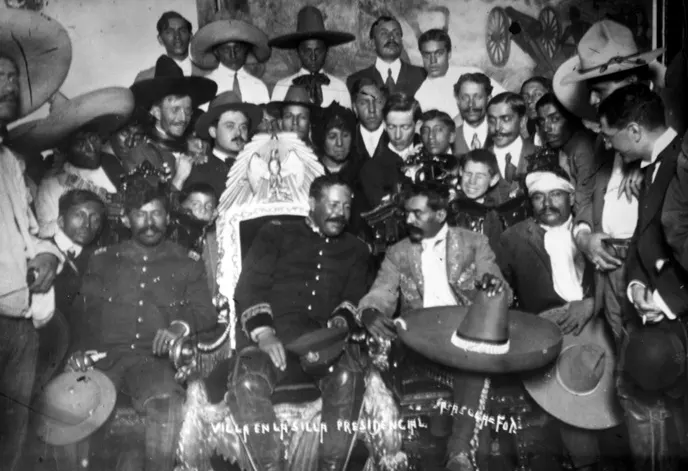
1910–1920 CENew study
Pancho Villa and Emiliano Zapata seated in Mexico’s presidential chair on 4 December 1914. This iconic Casasola photograph documents one revolutionary coalition and moment, not the conflict’s full political, regional or civilian history. Agustín Víctor Casasola / Wikimedia Commons · Public domain in Mexico and the United States · Uploader’s scan; physical print and holding institution not identified · Converted to WebP · Licence terms

Americas / Rights

The Mexican Revolution: land, power and competing programmes

The overthrow of Porfirio Díaz opened a decade of revolutionary conflict. Electoral change, land reform and military power divided former allies.

Read →
1911–1912 CENew study
A 1911 color woodcut cataloged by the Library of Congress as “Marshal Li recovering Nanjing during the Xinhai Revolution of 1911.” It is a dramatic period artwork—not a photograph—and its artist is unknown. Unknown artist / Library of Congress, Prints and Photographs Division / Wikimedia Commons · Public domain · Library JPEG converted to WebP · Licence terms

Asia / Empire

China’s 1911 Revolution and the end of Qing rule

Revolution ended the Qing dynasty, but establishing a republic did not settle how China would be governed or reunified.

Read →
1911–1949 CE · revolution, invasion and competing governments
Primary Atlas editorial reconstruction for Chinese revolutions and divided sovereignty.

Asia / Rights

Chinese revolutions and divided sovereignty

The 1911 Revolution ended Qing rule, but republican government remained contested through regional militarism, Nationalist–Communist conflict and Japanese invasion. In 1949 the PRC was proclaimed on the mainland while the ROC government relocated to Taiwan.

Read →
1912–1913 CE · two wars and contested settlements
Primary Atlas editorial reconstruction for Balkan Wars and Ottoman retreat.

Europe / War

Balkan Wars and Ottoman retreat

The Balkan League fought the Ottoman Empire in the First Balkan War; in the Second, Bulgaria fought former allies and Romania and the Ottoman Empire over the division of territory.

Read →
1913 CE · Ford moving-line milestone within longer mass-production history
Rights-cleared archival or official image · Public domain

Americas / Technology

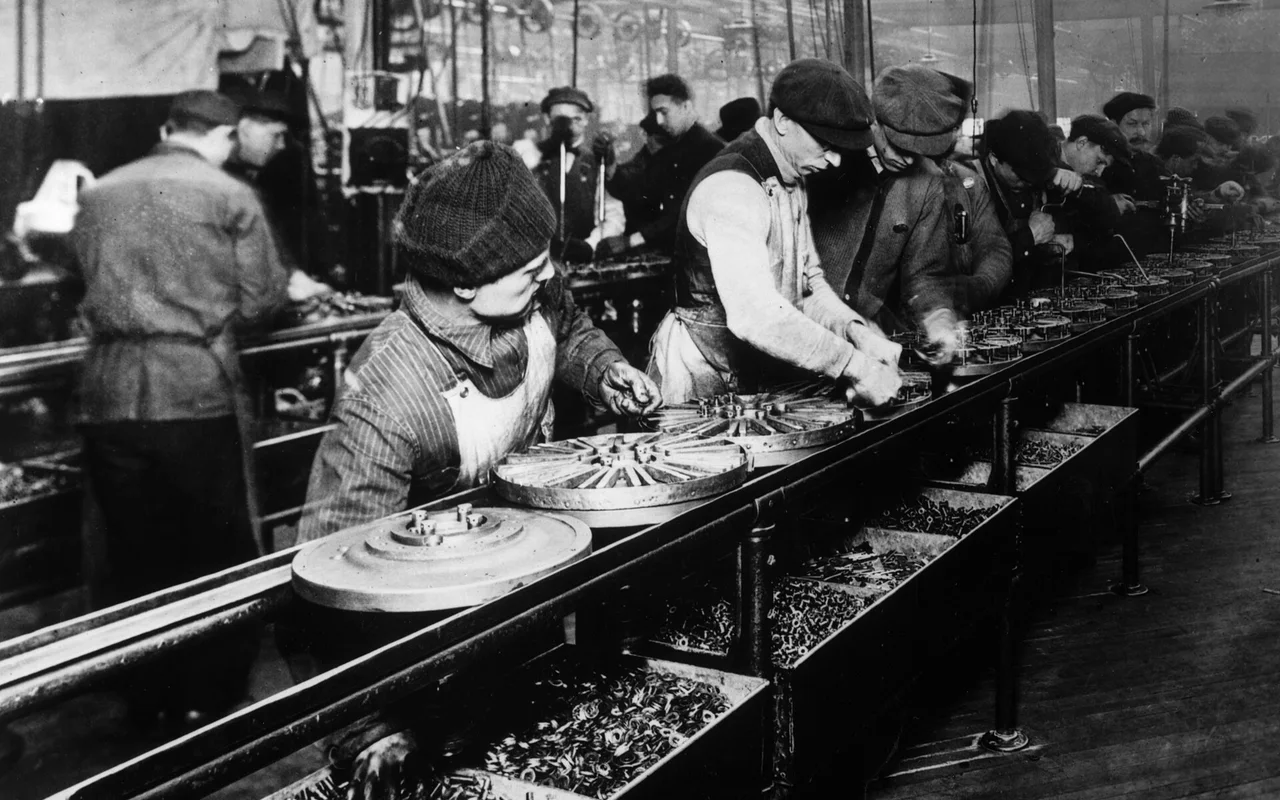
Assembly lines and mass production

Ford engineers and workers introduced moving lines in stages at Highland Park, combining earlier interchangeable-parts practice and division of labour to accelerate automobile assembly.

Read →
1914–1918 CE · major fighting; settlements and violence continued
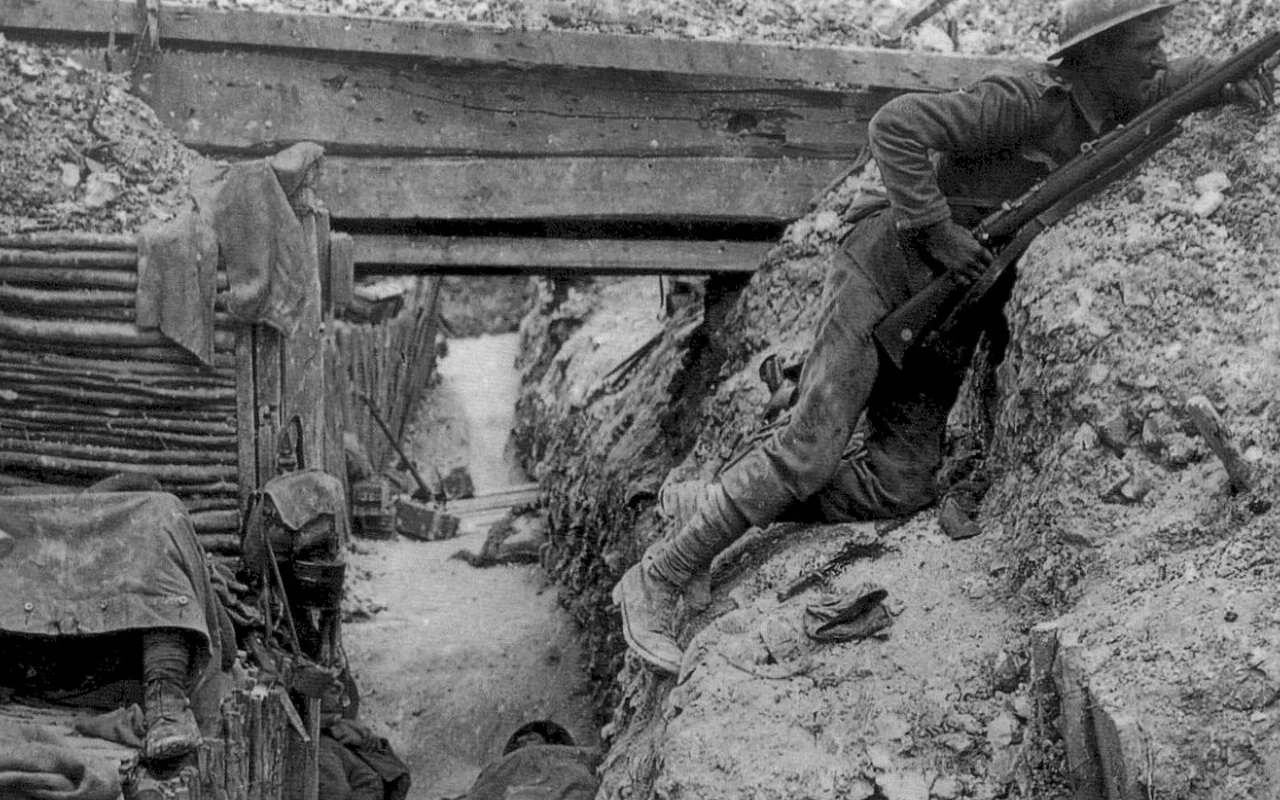
British soldiers in a captured German trench near Ovillers, July 1916. Photograph by John Warwick Brooke; Imperial War Museums, Q 3990.

Global / War

First World War

Decisions during the July Crisis widened a European confrontation into an industrial and imperial war fought across Europe, Africa, the Middle East, Asia and the oceans.

Read →
1915–1916 CENew study
The Tsitsernakaberd memorial complex in Yerevan, dedicated to victims of the Armenian genocide. This 2018 photograph documents remembrance at a modern memorial; it is not a contemporaneous record of deportation or mass killing. Matthias Süßen / Wikimedia Commons · CC BY-SA 4.0 · Resized and converted to WebP; derivative under the same licence · Licence terms

Middle East / War

The Armenian genocide

Ottoman authorities and their collaborators subjected Armenians to deportation, massacre and lethal conditions during the First World War.

Read →
1917–1922 CE · revolutions, civil war and Soviet Union formation
Primary Atlas editorial reconstruction for Russian Revolutions.

Europe / Rights

Russian Revolutions

The February Revolution toppled the Romanov monarchy and produced competing centres of authority; the Bolsheviks seized power in October, followed by civil war, famine and the formation of the Soviet Union.

Read →
1918–1920 CE · global pandemic waves
Primary Atlas editorial reconstruction for Influenza pandemic.

Global / Medicine

Influenza pandemic

A severe influenza pandemic moved through several global waves, amplified by wartime mobilisation and transport but not securely traced to a single national origin.

Read →
1920–1940 CENew study
Langston Hughes photographed by Carl Van Vechten in 1936. A later portrait of a Harlem Renaissance writer, not a photograph of a 1920s gathering. Carl Van Vechten / Library of Congress / Wikimedia Commons · Public domain · Full frame retained, not colorized; converted to WebP · Licence terms

Americas / Culture

The Harlem Renaissance: art, literature and Black self-representation

Black writers, artists and musicians made new representations of modern life. Harlem was an important centre within a movement whose connections extended internationally.

Read →
1928–1945 CE · observation, clinical development and mass production
Rights-cleared archival or official image · CC BY-SA 3.0

Europe / Medicine

Penicillin and antibiotics

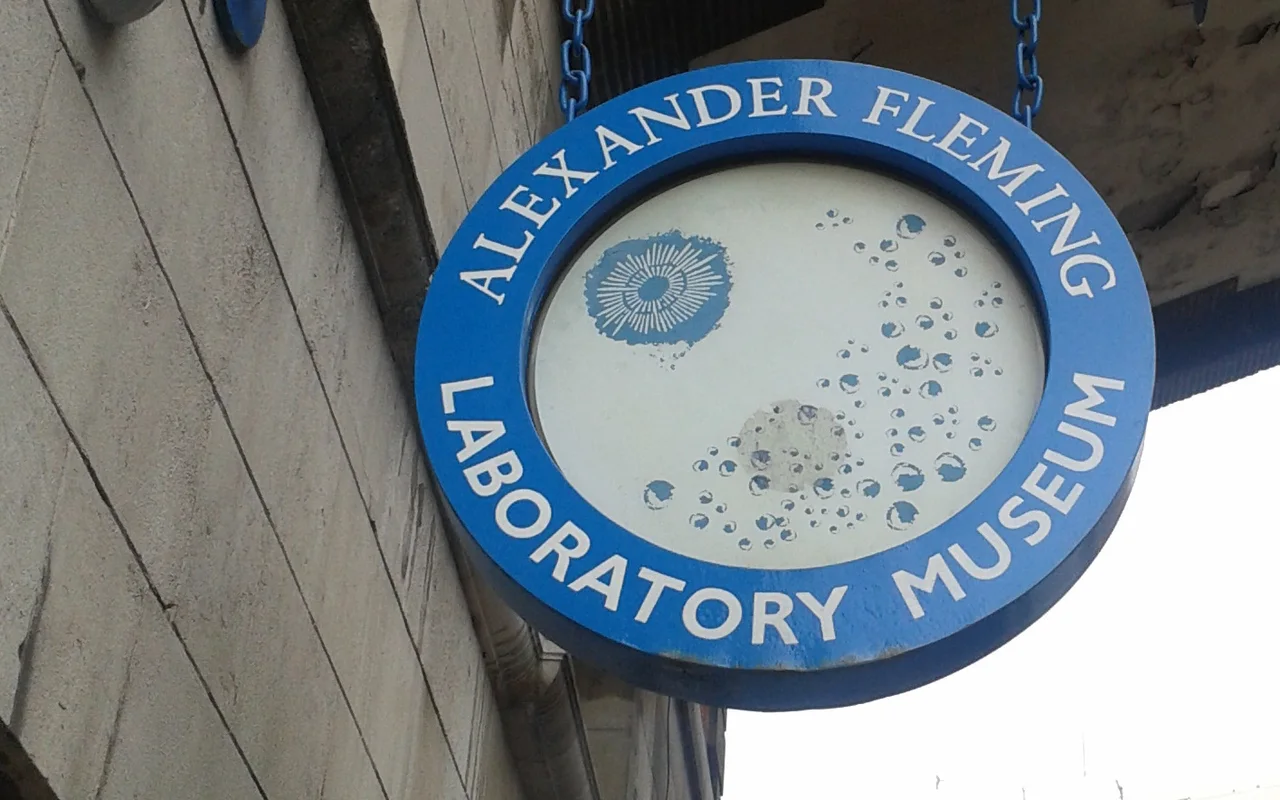
Fleming observed penicillin’s antibacterial effect in 1928; Florey, Chain, Heatley and a wider Oxford team later developed purification and testing, while British and U.S. institutions scaled production during the war.

Read →
1929–late 1930s CE · uneven global depression and recovery
Primary Atlas editorial reconstruction for Great Depression.

Global / Trade

Great Depression

Banking crises, debt, deflation, the gold standard and collapsing demand and trade transmitted a deep depression through an unequal world economy.

Read →
1931–1945 CE · Manchurian seizure, war in China and wider Pacific conflict
A photograph dated 1937 in the Kisarazu naval air unit album, credited to Itou Kaneo. Read the source record alongside the account of the Asia-Pacific war.

Asia / War

The Asia-Pacific War and Nanjing

Japan seized Manchuria in 1931; full-scale war with China followed in 1937 and merged with the wider Pacific war after 1941. In late 1937 and early 1938, Japanese forces perpetrated mass killing, sexual violence, looting and terror against civilians and disarmed soldiers in Nanjing.

Read →
1930s–1945 CE · selected theory, measurement and policy milestones
Rights-cleared archival or official image · Public domain

Global / Trade

Macroeconomics, national accounts and welfare states

The Depression and wartime planning accelerated several connected developments: Keynes’s aggregate-demand framework, Kuznets and others’ national-income accounts, and country-specific programmes for employment, social insurance and economic stabilization.

Read →
1936–1939 CENew study
Members of the International Brigade in the British cookhouse at Albacete, December 1936–January 1937. This photograph represents one International Brigade setting, not the war’s civilian experience or competing factions. Vera Elkan / Imperial War Museums, HU 71509 / Wikimedia Commons · Public domain, expired UK Crown copyright · Converted to WebP · Licence terms

Europe / War

The Spanish Civil War and the destruction of the Republic

A military revolt against Spain’s Republic became a civil war with international intervention, mass violence and a lasting dictatorship.

Read →
1938–1945 CE · experimental fission, interpretation, chain reaction and atomic war
Rights-cleared archival or official image · Public domain

Europe / Science

Nuclear fission and the nuclear age

Hahn and Strassmann’s 1938 experiments produced evidence of uranium fission; Meitner and Frisch supplied the physical interpretation and name. Chain-reaction research then led rapidly to a reactor and the Manhattan Project.

Read →
1939–1945 CE · global war and Nazi genocide
Primary Atlas editorial reconstruction for Second World War and Holocaust.

Global / War

Second World War and Holocaust

Axis aggression widened into a global war of invasion, occupation, resistance and mass civilian death. Within it, Nazi Germany and collaborators systematically murdered six million European Jews in the Holocaust and persecuted and murdered millions of other victims.

Read →
1940s–1970 CE · selected research and adoption phase
Rights-cleared archival or official image · Public domain

Global / Science

Green Revolution and crop science

Public research institutes, plant breeders and farmers developed and adopted high-yielding wheat and rice varieties, especially in Mexico and parts of South and Southeast Asia, alongside irrigation, fertilizer, credit and extension systems.

Read →
1945–1975 CE · selected peak phase of decolonization
Primary Atlas editorial reconstruction for Decolonization across Asia and Africa.

Global / Rights

Decolonization across Asia and Africa

Across a selected peak period, mass organizing, negotiation, strikes and armed struggle dismantled much formal European rule and created dozens of sovereign states along different national timelines.

Read →
1945–1949 CENew study
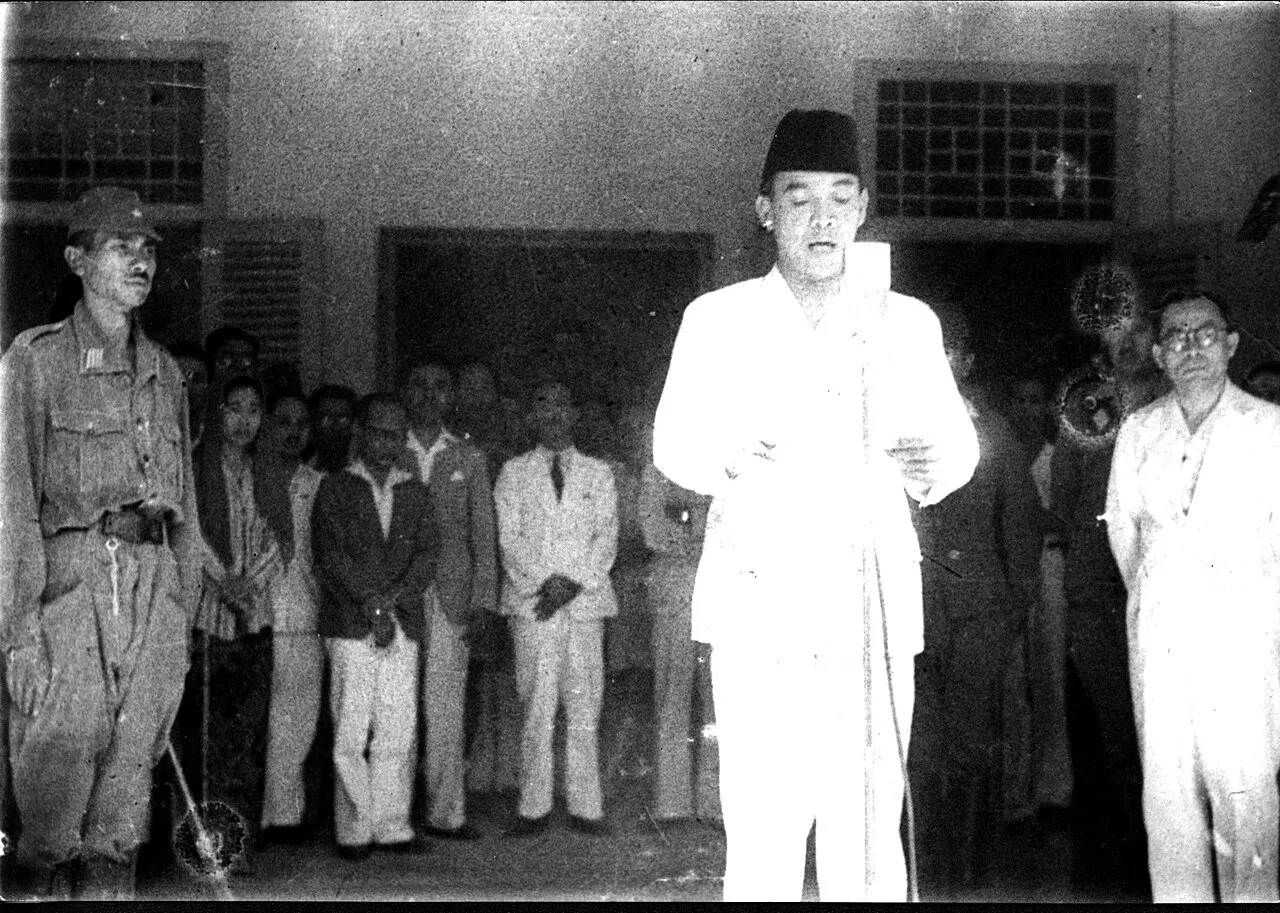
Sukarno, accompanied by Mohammad Hatta, proclaims Indonesia’s independence in Jakarta on 17 August 1945. The photograph records the proclamation ceremony, not the subsequent independence war. Frans Mendur / Indonesian Department of Information; National Library of Indonesia Presidential Documents collection / Wikimedia Commons · Public domain · Touched-up archive derivative converted to WebP · Licence terms

Asia / Empire

Indonesia’s independence: proclamation, revolution and sovereignty

Indonesians proclaimed independence in 1945 and fought Dutch efforts to restore colonial rule. The transfer of sovereignty in 1949 was a later milestone.

Read →
1945–1948 CE · UN founding and UDHR drafting
Primary Atlas editorial reconstruction for United Nations and Universal Declaration.

Global / Rights

United Nations and Universal Declaration

Fifty states signed the UN Charter in 1945; representatives from several regions then negotiated the Universal Declaration of Human Rights, adopted by the General Assembly on 10 December 1948.

Read →
1946–1958 CENew study
Bikini Islanders unload pandanus for roof thatch at Rongerik after relocation, 7 March 1946. The official military record shows relocation work, not an explosion, radiation injury or consent to permanent exile. Joint Task Force 1 · Operation Crossroads: The Official Pictorial Record, p. 21 · U.S. government public domain · Wikimedia 500-pixel derivative converted to WebP · Licence terms

Oceania / War

Nuclear testing in the Marshall Islands: displacement and fallout

U.S. nuclear testing transformed Bikini and Enewetak and exposed Marshallese communities to displacement and radioactive contamination.

Read →
1947–1949 CE · partition proposal, civil war, statehood, regional war and displacement
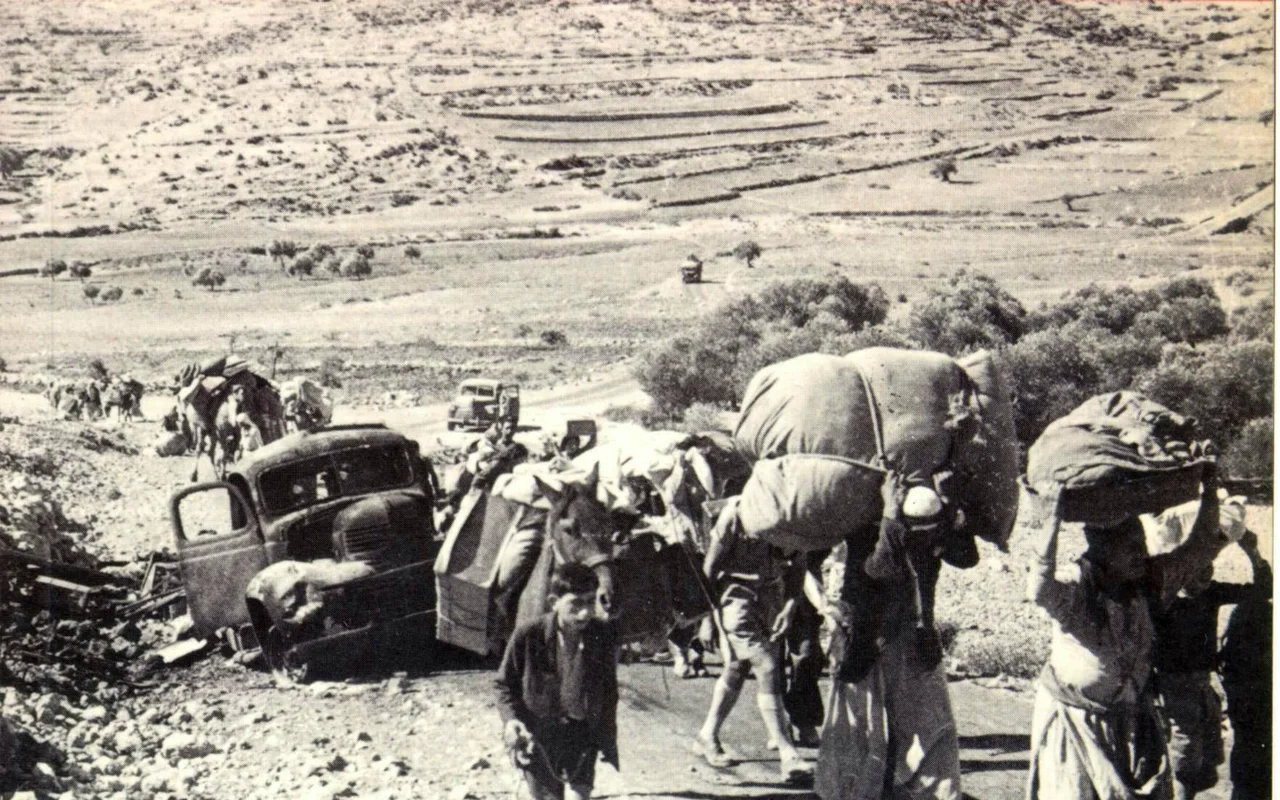
A 1948 photograph credited to Fred Csasznik, reproduced in later publications about Palestinian displacement.

Middle East / War

1948 war, Palestinian displacement and the making of Israel

The UN General Assembly recommended partition in 1947; civil war followed, Israel declared statehood as the British Mandate ended in May 1948, and neighbouring Arab states entered the war. More than 700,000 Palestinians were displaced or expelled in the Nakba.

Read →
1947–1991 CE · conventional Cold War boundary
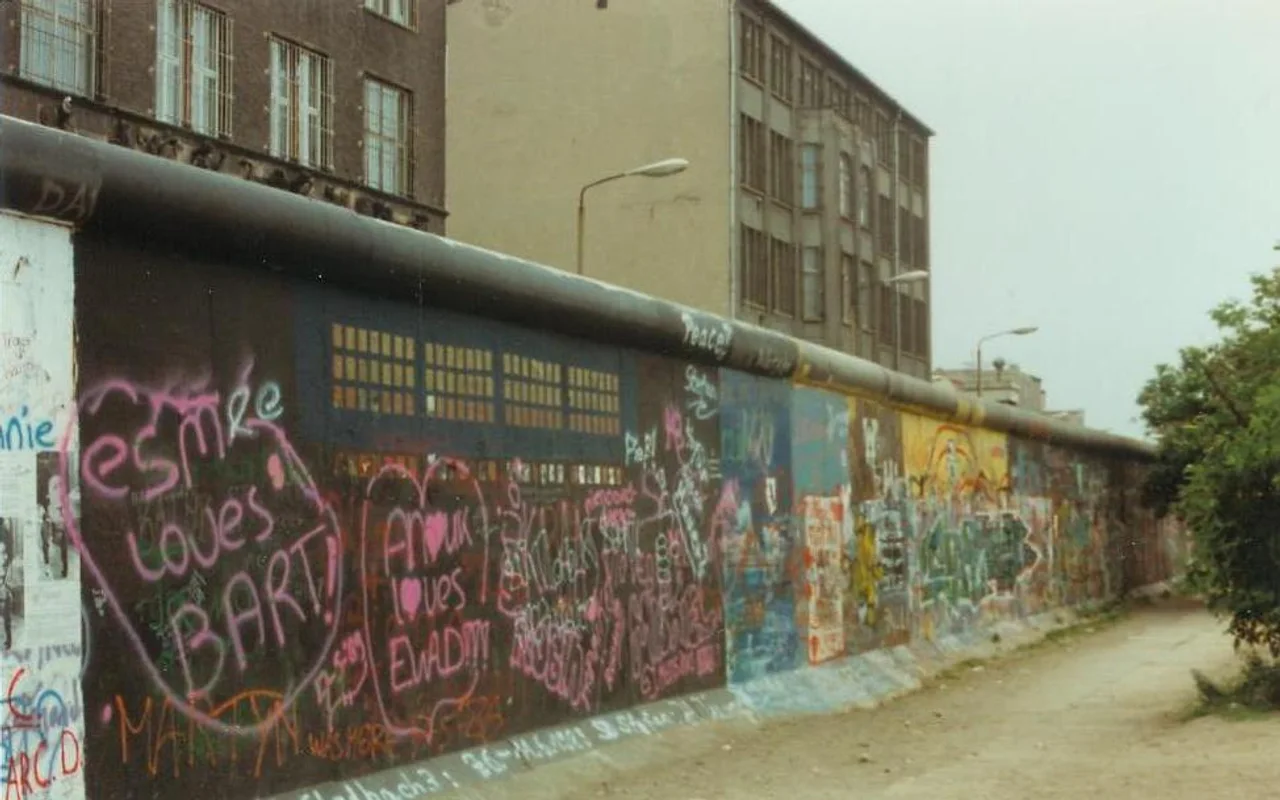
The Berlin Wall in June 1989, before the opening of border crossings that November.

Global / War

Cold War, nuclear brinkmanship and Soviet collapse

U.S.- and Soviet-led blocs built alliances, nuclear arsenals, intelligence systems and competing political economies, while wars in Korea, Vietnam, Afghanistan and elsewhere were fought by states and movements with their own aims.

Read →
1947–1948 CE · independence, Partition, migration and first Kashmir war
Primary Atlas editorial reconstruction for Partition and independence of India and Pakistan.

Asia / Rights

Partition and independence of India and Pakistan

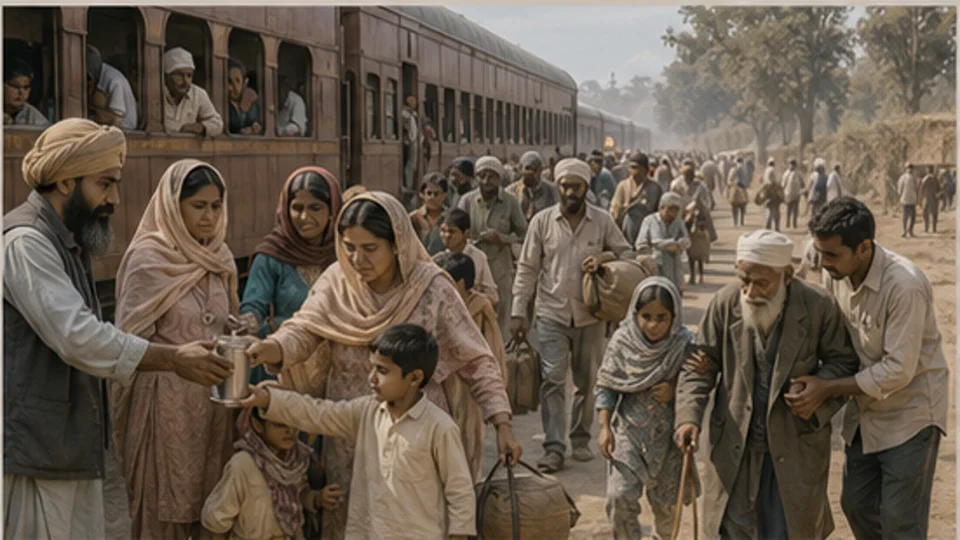
British rule ended and India and Pakistan became independent in August 1947. A hurried boundary divided Punjab and Bengal amid one of the twentieth century’s largest forced migrations, communal violence and the first war over Kashmir.

Read →
1947–1956 CE · cave discoveries and dispersed manuscripts
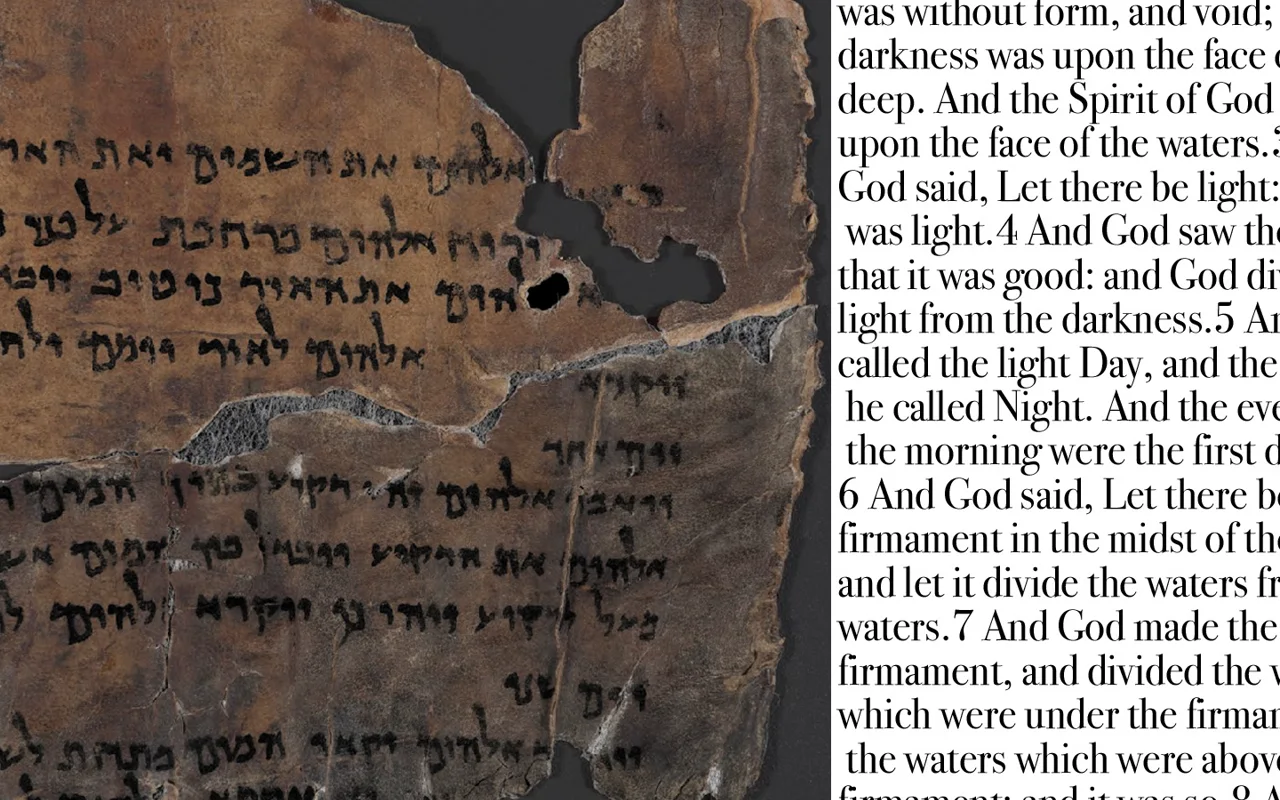
A modern composite (2017) places a Dead Sea Scroll fragment beside printed English text from Genesis. The English text is an explanatory addition.

Middle East / Faith

The Dead Sea Scrolls are discovered

Bedouin discoverers, antiquities dealers and archaeologists brought to light manuscripts from eleven caves near Qumran between 1947 and 1956, including biblical texts and other Jewish writings copied during the late Second Temple period.

Read →
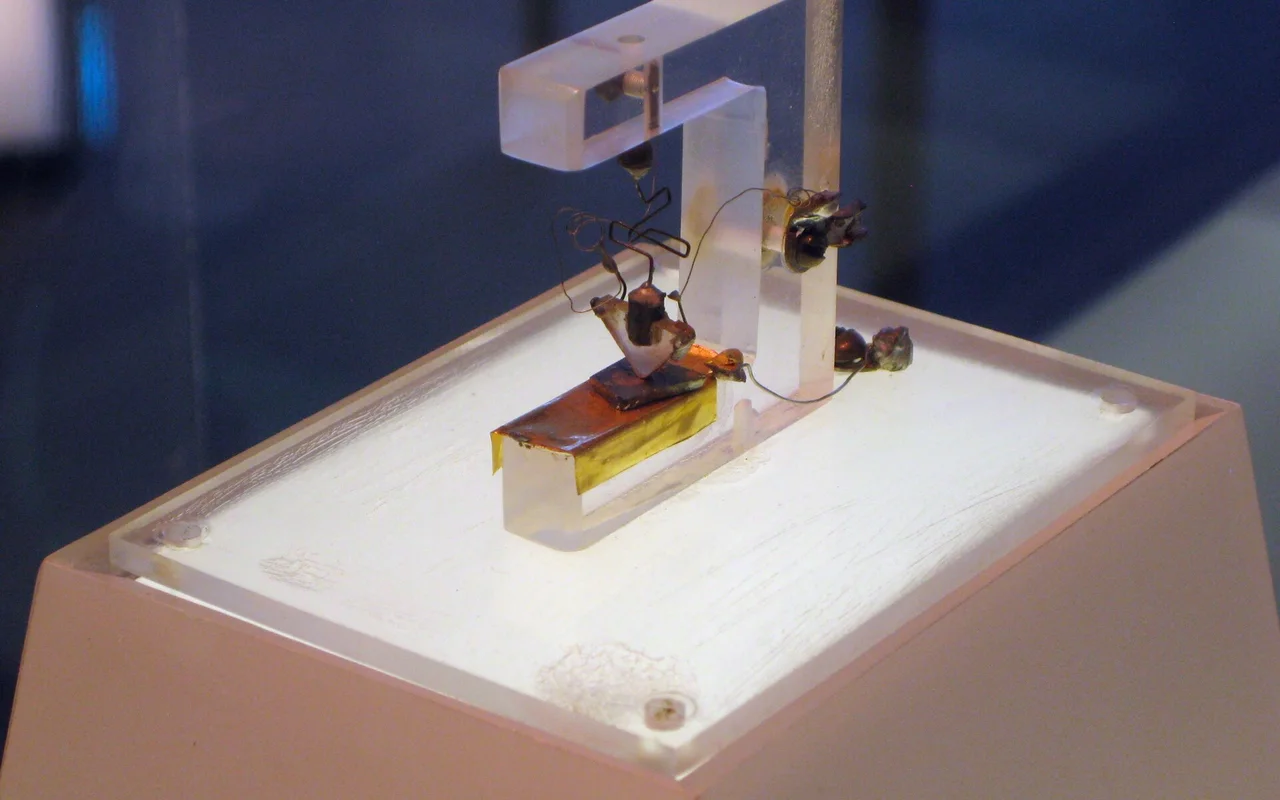
1947–1971 CE · transistor, integrated-circuit and microprocessor milestones
Rights-cleared archival or official image · CC BY 2.0

Americas / Technology

Transistor, electronic computing and microprocessors

The 1947 point-contact transistor, later junction and MOS transistors, integrated circuits in the late 1950s and a commercial microprocessor in 1971 progressively concentrated electronic switching and computation.

Read →
1948–1994 CE · formal apartheid to first democratic election
Nelson Mandela voting at Ohlange School in April 1994. Photograph by Paul Weinberg.

Africa / Rights

Apartheid and the struggle for a democratic South Africa

The National Party formalized apartheid from 1948 upon older colonial segregation, enforcing racial classification, dispossession, forced removal, exclusion and repression. Diverse internal resistance and international campaigns helped force negotiation and universal-suffrage elections in 1994.

Read →
1948 CE · Shannon’s mathematical communication theory
Rights-cleared archival or official image · Public domain

Americas / Science

Information theory and digital communication

Claude Shannon’s 1948 papers formalized information, entropy, noise and channel capacity, building on earlier communication engineering and creating a mathematical limit framework for reliable signals.

Read →
1950–1993 CENew study
Konrad Adenauer, Walter Hallstein and Antonio Segni at the signing of the Treaties of Rome on 25 March 1957. The photograph documents one institutional milestone, not the entire integration process; the accompanying timeline separates later entry into force and the European Union’s creation. Bundesarchiv, Bild 183-45653-0001 / Wikimedia Commons · CC BY-SA 3.0 Germany · Processed 1200 × 640 rendition retained; derivative under the same licence · Licence terms

Europe / Trade

European integration: coal, steel and the common market

Post-war European integration developed through successive treaties and institutions. The European Union did not appear fully formed in 1951.

Read →
1950–1975 CE · two wars with distinct origins and endpoints
Primary Atlas editorial reconstruction for Korean and Vietnam wars.

Asia / War

Korean and Vietnam wars

War in Korea from 1950 to the 1953 armistice and Vietnam’s longer wars through 1975 arose from distinct histories of colonial rule, revolution, divided states, civil conflict and large-scale foreign intervention.

Read →
1951–1967 CENew study
An UNRRA officer visits young refugees at Eschwege displaced-persons camp, Germany, 7 July 1946. Postwar assistance context: this predates the 1951 Refugee Convention and does not show its drafting, signing or implementation. United States Holocaust Memorial Museum / Wikimedia Commons · U.S. government photograph, public domain · Full frame retained; resized and converted to WebP · Licence terms

Global / Rights

The refugee protection system: the 1951 Convention and 1967 Protocol

Post-war agreements defined refugee protection and state responsibilities. The framework expanded beyond its original temporal and optional geographical limits.

Read →
1952–1960 CENew study
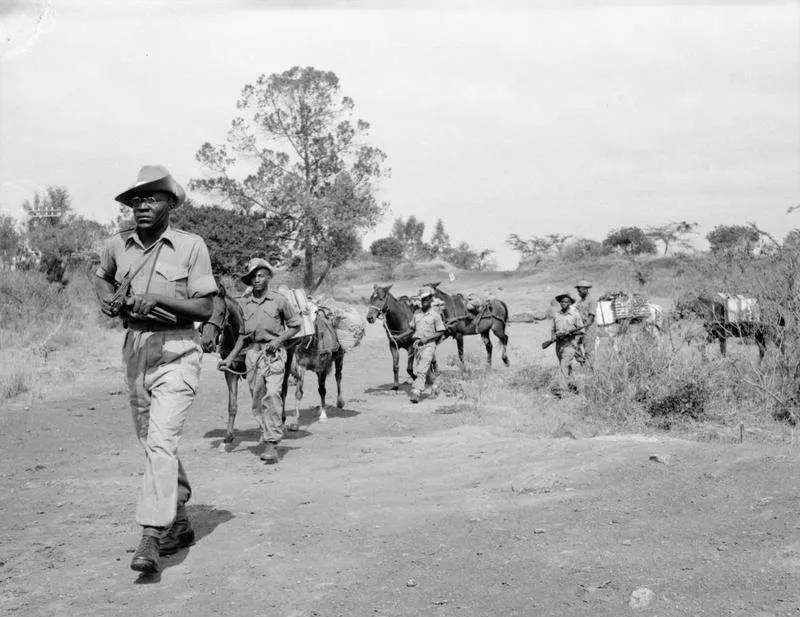
King’s African Rifles troops carry supplies while watching for Mau Mau fighters in Kenya, 1952–1956. This official British military photograph represents the colonial forces’ perspective, not the experiences of detainees, civilians or independence activists. UK Ministry of Defence Post-1945 Official Collection / Imperial War Museums, MAU 345 / Wikimedia Commons · Public domain, expired UK Crown copyright · Converted to WebP · Licence terms

Africa / Empire

Mau Mau, the Kenya Emergency and colonial violence

An anti-colonial insurgency and the British campaign against it exposed profound conflicts over land, political power and the future of Kenya.

Read →
1953–1973 CE · structure, genetic code and recombinant-DNA milestones
Rights-cleared archival or official image · CC BY-SA 4.0

Europe / Science

DNA structure and molecular biology

In 1953 Watson and Crick proposed a double-helix model using constraints including Rosalind Franklin and Raymond Gosling’s diffraction work and Chargaff’s base ratios; later teams deciphered the genetic code and developed recombinant-DNA methods.

Read →
1954–1962 CENew study
Soldiers of Algeria’s National Liberation Army gathered beneath an Algerian flag during the War of Independence, 1958. The image provides an FLN military perspective, not the experiences of civilians, French forces or political negotiators. Zdravko Pečar / Museum of African Art, Belgrade / Wikimedia Commons · CC BY-SA 4.0 · Resized and converted to WebP; derivative under the same licence · Licence terms

Africa / Empire

Algerian independence: war, sovereignty and the cultural inheritance

The war for independence ended French colonial rule in Algeria. Political sovereignty also raised questions about archives, art and who would control the cultural inheritance.

Read →
1954–1984 CE · transplantation and immunosuppression milestones
Rights-cleared archival or official image · Public domain

Americas / Medicine

Organ transplantation and immunosuppression

A successful 1954 kidney transplant between identical twins avoided immune rejection; tissue matching, organ preservation and immunosuppressive regimens later made transplants between genetically different people increasingly viable.

Read →
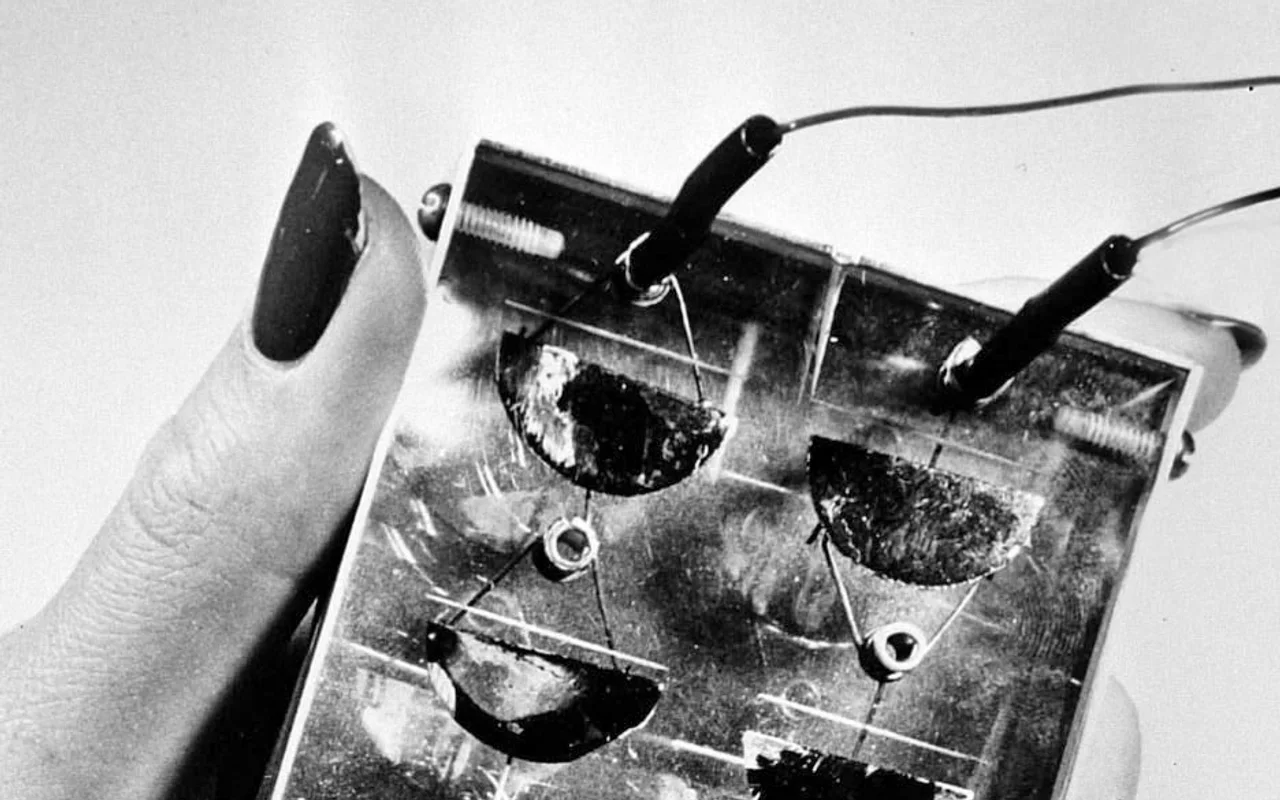
1954–2021 CE · selected solar, wind and power-system milestones
Rights-cleared archival or official image · Public domain

Global / Technology

Renewable electricity and the energy transition

The 1954 practical silicon solar cell anchors a selected sequence in which photovoltaic manufacturing, larger wind turbines, power electronics, storage and grid operation made variable renewable electricity increasingly deployable.

Read →
1955–1961 CE · Bandung conference and Belgrade founding milestones
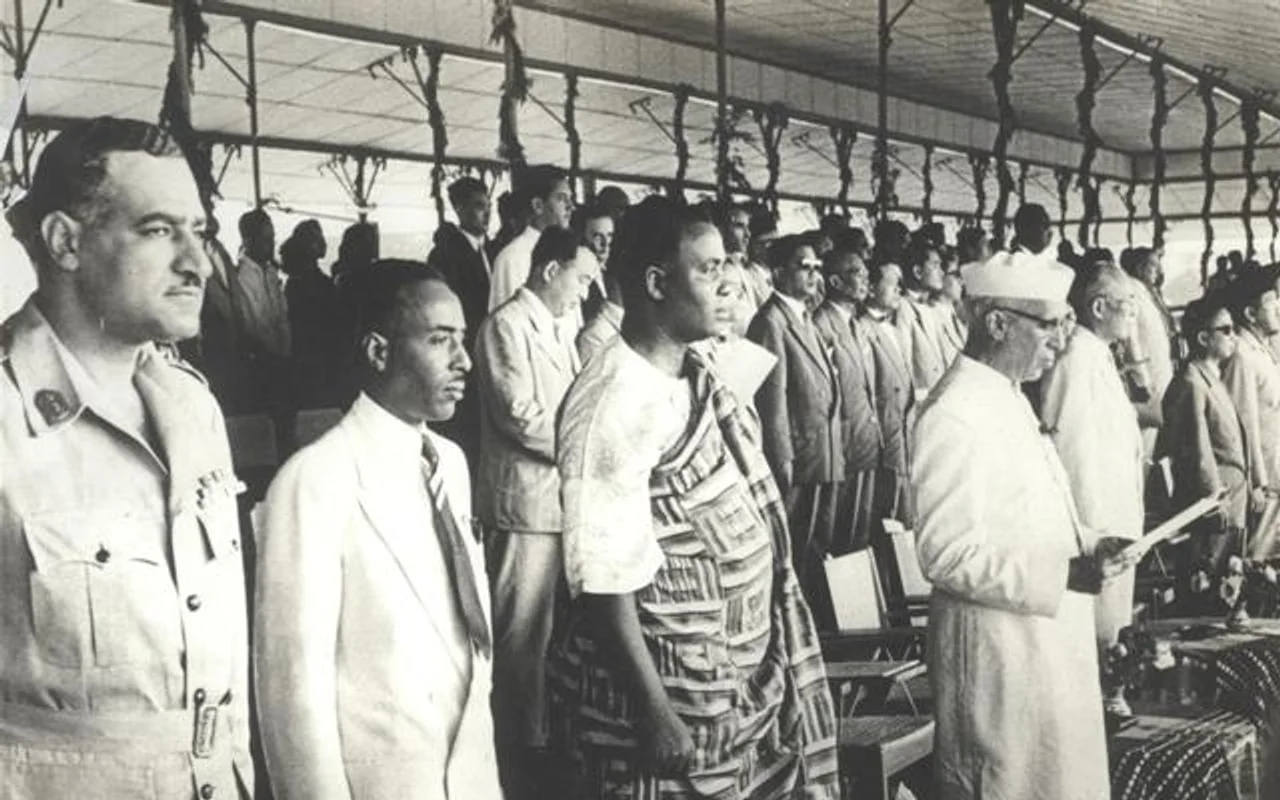
A group photograph from the Bandung Conference, April 1955; photographer unidentified in the linked record.

Global / Rights

Bandung and the Non-Aligned Movement

Delegates from twenty-nine Asian and African states met at Bandung in April 1955 to debate colonialism, cooperation and peace. Six years later, a partly overlapping group formally founded the Non-Aligned Movement at Belgrade.

Read →
1955–1968 CE · selected mass-movement and federal-law phase
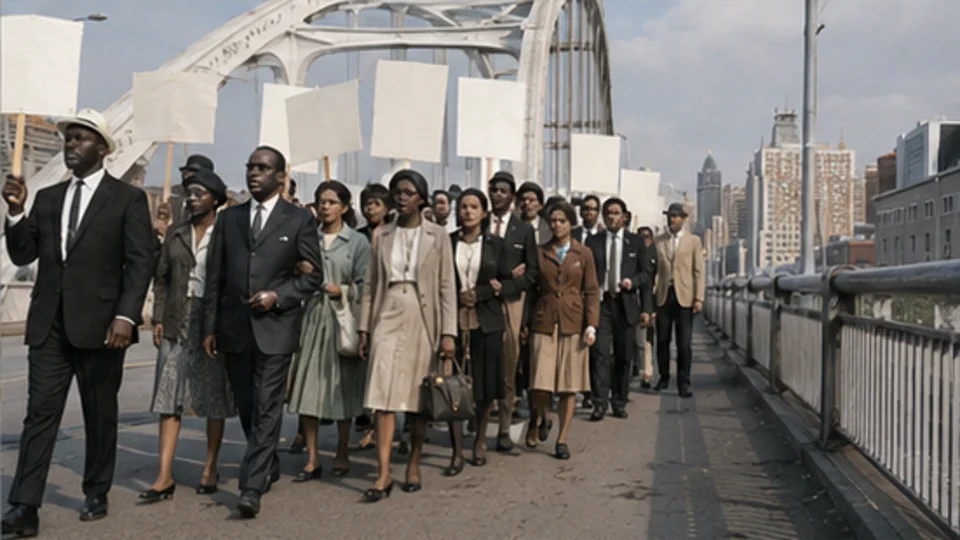
Primary Atlas editorial reconstruction for Civil Rights Movement.

Americas / Rights

Civil Rights Movement

A selected phase of a much longer Black freedom struggle challenged segregation, disenfranchisement and racial violence through litigation, boycotts, direct action, community organizing and mass political mobilization.

Read →
1955–1988 CE · vaccine and eradication-campaign milestones
Rights-cleared archival or official image · Public domain

Global / Medicine

Polio vaccines and mass immunization

The inactivated Salk vaccine was licensed in 1955 and oral Sabin vaccines followed in the early 1960s; manufacturing, surveillance and mass campaigns then sharply reduced poliomyelitis in many countries.

Read →
1956–2021 CE · selected shipping and supply-chain milestones
Rights-cleared archival or official image · Public domain

Global / Trade

Containerization and global supply chains

The Ideal-X voyage in 1956 was one milestone in a larger system of standard containers, cranes, ships, rail and road links, safety rules and port redesign that reduced handling time and reorganized trade.

Read →
1956 CENew study
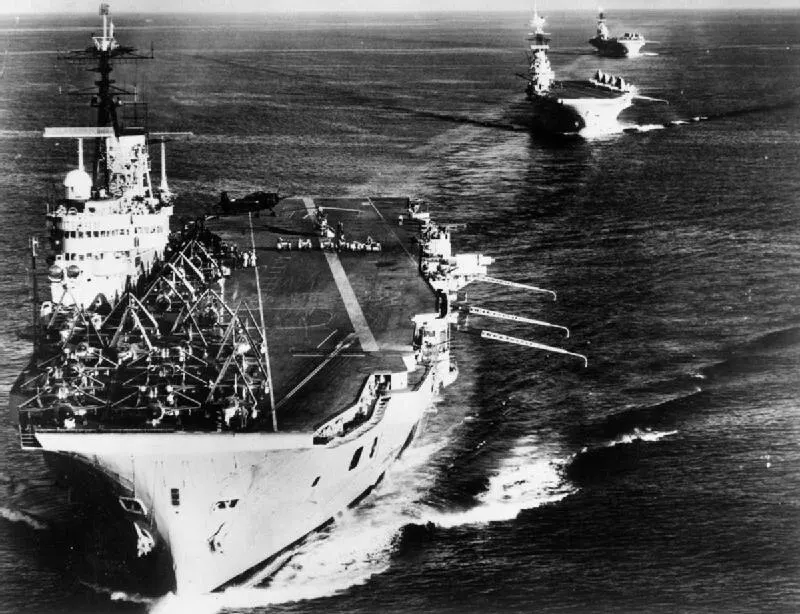
Royal Navy aircraft carriers HMS Eagle, HMS Bulwark and HMS Albion during the Anglo-French Suez operation in late 1956. This official military image foregrounds British naval power; it does not show Egyptian civilians, canal nationalization, diplomacy or the invasion’s human impact. Royal Navy official photographer / Imperial War Museums, A 33601 / Wikimedia Commons · Public domain, expired UK Crown copyright · Converted to WebP · Licence terms

Africa / War

The Suez Crisis and the limits of European empire

Egypt’s nationalisation of the Suez Canal Company was followed by an Israeli attack and British-French intervention, making control of a trade artery a global crisis.

Read →
6 March 1957 CE · Gold Coast becomes Ghana
Primary Atlas editorial reconstruction for Ghanaian independence.

Africa / Rights

Ghanaian independence

The British colony of the Gold Coast became independent Ghana on 6 March 1957 after strikes, elections, constitutional negotiation and mass anticolonial organizing led through—but not confined to—the Convention People’s Party.

Read →
1957–1990 CE · selected satellite and observing milestones
Rights-cleared archival or official image · CC BY-SA 3.0

Global / Science

Space age and Earth observation

Sputnik 1 inaugurated artificial Earth orbit in 1957; weather, communications and land-observing satellites then developed as distinct systems, while probes and observatories extended research across the Solar System and universe.

Read →
1958–1962 CENew study
Workers beside a furnace in a frame at 25:00 from the 1958 U.S. government documentary China Leaps Forward. The exact people and facility are unidentified, and the CIA-produced film provides a Cold War American interpretation rather than neutral Chinese documentation. Central Intelligence Agency / U.S. National Archives / Wikimedia Commons timed-media frame · U.S. federal work, public domain · Converted to WebP · Licence terms

Asia / Rights

The Great Leap Forward and China’s famine

A drive for accelerated socialist production reorganised rural China. The resulting famine killed tens of millions; dates and estimates vary across historical reconstructions.

Read →
1959–1962 CENew study
Fidel Castro speaks to reporters in Washington, D.C., on 15 April 1959, after the revolutionary victory. This post-victory diplomatic image centers Castro; it does not depict the overthrow of Batista, popular participation or early policy change. Unidentified U.S. News & World Report photographer / Library of Congress, LC-DIG-ppmsc-03256 / Wikimedia Commons · Rights dedicated to the public upon collection donation · Resized and converted to WebP · Licence terms

Americas / Rights

Cuba’s revolution and the changing Cold War alignment

The overthrow of Batista opened a struggle over political power and property. Cuba’s relationship with the United States deteriorated as ties with the Soviet Union strengthened.

Read →
1960–1970 CE · selected laser and low-loss fiber milestones
Rights-cleared archival or official image · CC0

Americas / Technology

Lasers, fiber optics and modern photonics

Maiman demonstrated a working ruby laser in 1960; Kao and Hockham’s 1966 analysis identified material purity as the route to practical optical communication, and low-loss glass fiber followed in 1970.

Read →
1963–2002 CENew study
Emperor Haile Selassie I and President Gamal Abdel Nasser in Addis Ababa for the 1963 Organisation of African Unity summit. This low-resolution archive photograph records two summit participants, not the full founding membership. Uncredited photographer / Gamal Abdel Nasser Digital Archive, Bibliotheca Alexandrina / Wikimedia Commons · Public domain in Egypt and the United States · Converted to WebP · Licence terms

Africa / Rights

From the Organisation of African Unity to the African Union

Independent African states built continental institutions to support liberation, sovereignty and cooperation. The OAU and its successor, the AU, belong to different stages of that project.

Read →
1963–1968 CE · selected seafloor evidence and tectonic synthesis
Rights-cleared archival or official image · CC BY-SA 3.0

Global / Science

Plate tectonics and Earth-system science

Seafloor maps, earthquake patterns, paleomagnetic stripes and spreading hypotheses converged during the 1960s into plate tectonics, a framework that explained moving lithospheric plates, ridges, transform faults and subduction.

Read →
1965–1966 CENew study
Major General Suharto at the official funeral of five army generals on 5 October 1965. This state-produced image records the event used to justify the subsequent anti-communist campaign; it does not depict the victims or scale of the 1965–1966 mass violence. Department of Information of the Republic of Indonesia / Wikimedia Commons · Indonesian government work, public domain · Date retained with caution because the Commons credit contains a conflicting date · Converted to WebP · Licence terms

Asia / Rights

Indonesia’s mass killings and imprisonment, 1965–1966

Army units and civilian militias killed vast numbers of communists and alleged sympathisers. Imprisonment and stigma continued after the massacres.

Read →
1966–1976 CENew study
Performers stage the model ballet The Red Detachment of Women at Beijing’s Great Hall of the People during the Nixon visit, 22 February 1972. This official performance documents state-approved aesthetics, not daily life or political persecution. Byron E. Schumaker / Nixon Presidential Materials / U.S. National Archives / Wikimedia Commons · U.S. federal work, public domain · Converted to WebP · Licence terms

Asia / Rights

China’s Cultural Revolution: mobilisation, persecution and power

Mao’s Cultural Revolution mobilised students and other groups against supposed enemies, destabilised institutions and subjected people to persecution.

Read →
1966 CENew study
The Johnson and Marcos parties tour rice fields at Los Baños on 26 October 1966 during a visit to the International Rice Research Institute in the early IR8 release period. The NARA caption does not identify the particular plot or plants in this frame as IR8. White House Photo Office / National Archives and Records Administration; LBJ Library / Wikimedia Commons · U.S. federal work, public domain in the United States · Converted to WebP · Licence terms

Asia / Science

The Green Revolution: IR8 rice, farming systems and uneven gains

The release of IR8 rice illustrates the Green Revolution’s promise of greater yields and the importance of water, inputs and access to technology.

Read →
1967 CENew study
FCAATSI representatives meet Harold Holt and government MPs in February 1967, before the May referendum—not voting day or the announcement of results. Aboriginal and Torres Strait Islander viewers are advised that this historical photograph shows people who have died. National Archives of Australia / Wikimedia Commons · Public domain · Full group retained; converted to WebP · Licence terms

Oceania / Rights

Australia’s 1967 referendum and First Nations rights

A long campaign secured overwhelming support for removing two discriminatory provisions from the Australian Constitution, while the wider struggle for equality continued.

Read →
30 May 1967–15 January 1970 CE · secession and civil war
NNS Bonny as a museum display, photographed in 2014. This is a later view of a preserved vessel, not a photograph of combat during the Biafran war.

Africa / War

Biafran War and Nigerian humanitarian crisis

Biafra’s secession followed coups, massacres of Igbo people and a crisis of Nigerian federal authority. Federal victory ended the civil war in January 1970 after blockade, fighting, mass hunger, displacement and civilian death whose totals remain disputed.

Read →
16–24 July 1969 CE · Apollo 11 mission
Primary Atlas editorial reconstruction for Humans land on the Moon.

Global / Science

Humans land on the Moon

Apollo 11 carried Neil Armstrong and Buzz Aldrin to the first crewed landing on the Moon while Michael Collins remained in lunar orbit, after an immense mobilization of science, engineering, tracking networks, industry and public funds.

Read →
March–December 1971 CE · repression, liberation war and regional intervention
A museum copy of the 1971 instrument of surrender, photographed in 2022. The document’s public-domain status is separate from the photograph’s CC BY-SA 4.0 licence.

Asia / War

Bangladesh Liberation War

After the Awami League won Pakistan’s 1970 election, the refusal to transfer power and the Pakistani army’s March 1971 crackdown precipitated war, mass atrocities and flight. Bengali forces fought for independence; Indian intervention in December accelerated Pakistan’s surrender and Bangladesh’s creation.

Read →
1971–1977 CE · first clinical CT and foundational MRI milestones
Rights-cleared archival or official image · Public domain

Europe / Medicine

CT, MRI and non-invasive medical imaging

Computed tomography reconstructed cross-sectional images from many X-ray measurements, while magnetic-resonance imaging used magnetic fields, radio-frequency signals and spatial encoding. Their first clinical and foundational milestones unfolded through different teams during the 1970s.

Read →
1971–2009 CE · selected market, payment and digital-money milestones
Rights-cleared archival or official image · Public domain

Global / Trade

Electronic markets, digital money and fintech

NASDAQ’s 1971 quotation system anchors a selected history of electronic markets; card and automated-clearing networks, online banking, Kenya’s 2007 M-Pesa service and the 2009 Bitcoin network followed different institutional and technical paths.

Read →
1973–1977 CENew study
Disability-rights leader Judy Heumann speaking at the 1981 conference “Consumer Unity: New Platforms for Progress in the 1980s.” The image postdates the 1977 Section 504 sit-in and documents a leading activist in the movement’s immediate aftermath. William Bronston / California Department of Rehabilitation / Wikimedia Commons · California public record, public domain in the United States · Converted to WebP · Licence terms

Americas / Rights

The 504 protests and the disability rights movement

Disabled organisers demanded implementation of civil-rights protections. The 1977 protests demonstrated the difference between passing a law and making it effective.

Read →
March 1974 CE · chance discovery near Lintong; excavation continues
Modern photograph (2026) of excavated terracotta figures at Xi’an. It illustrates the surviving archaeology, not the 1974 discovery itself.

Asia / Science

The Terracotta Army is unearthed

Local well-diggers near Lintong encountered terracotta fragments in March 1974; archaeological investigation then revealed warrior pits within the much larger mausoleum landscape built for Qin Shi Huang.

Read →
1975–1979 CENew study
A former school building at Tuol Sleng in Phnom Penh, used by the Khmer Rouge as Security Prison 21 and now preserved as a genocide museum. This is a modern, non-graphic view of the site, not a contemporaneous record of victims. Michael Gruijters / Wikimedia Commons · CC BY-SA 3.0 · Converted to WebP; derivative under the same licence · Licence terms

Asia / War

Khmer Rouge rule and mass atrocities in Cambodia

The Khmer Rouge imposed forced labour, persecution and executions in pursuit of a radical agrarian transformation. Nearly two million people died under its rule.

Read →
1975–1980 CENew study
Brazilian foreign-intelligence report CIEX 334/77 concerning a Uruguayan operation against the Communist Party of Uruguay, 13 September 1977. This state-security document evidences the bureaucracy of transnational repression; its vocabulary and claims are not a neutral account. Centro de Informações do Exterior, Brazilian Ministry of Foreign Affairs / Arquivo Nacional do Brasil / Wikimedia Commons · Brazilian government work, public domain · Full page retained; resized and converted to WebP · Licence terms

Americas / Rights

Operation Condor and dictatorship across borders

South American security services coordinated transnational repression. Exile could offer distance from a dictatorship without guaranteeing safety.

Read →
1978–2007 CE · selected satellite, cellular and handheld-navigation milestones
Rights-cleared archival or official image · Public domain

Global / Technology

GPS, mobile networks and digital navigation

GPS satellites, cellular standards and handheld computing developed along separate tracks before converging in mass-market navigation. The 1978 opening marks early GPS launches; the 2007 endpoint marks one influential smartphone transition, not the first mobile telephone or smartphone.

Read →
25 July 1978 CE · first live birth following IVF
Rights-cleared archival or official image · CC BY-SA 4.0

Europe / Medicine

In vitro fertilization and reproductive medicine

Louise Brown’s birth on 25 July 1978 was the first live birth following in vitro fertilization, after years of research, clinical work and unsuccessful cycles involving Robert Edwards, Patrick Steptoe, Jean Purdy, Lesley and John Brown and a wider care team.

Read →
January 1978–December 1979 CE · monarchy falls and an Islamic Republic consolidates
Ruhollah Khomeini at Refah School, February 1979. The source site is credited; the photographer is not identified in the linked record.

Middle East / Rights

Iranian Revolution

A broad and divided coalition of religious, secular, liberal, leftist, student and labour opposition challenged the Pahlavi monarchy through protest and strikes. The Shah left on 16 January 1979, Ayatollah Ruhollah Khomeini returned on 1 February and the monarchy collapsed on 11 February; referendums and a new constitution established an Islamic Republic later that year.

Read →
1981–2026 CE · selected epidemic, treatment and activism milestones
Primary Atlas editorial reconstruction for HIV/AIDS pandemic and activism.

Global / Medicine

HIV/AIDS pandemic and activism

The first recognised U.S. AIDS cases were reported in 1981, but HIV had circulated earlier and the epidemic was global. Identification of HIV, antiretroviral treatment and organised action unfolded over decades rather than as one discovery or one national story.

Read →
1982–1993 CENew study
A view on Mer (Murray Island), Torres Strait, June 1931. Place context for the later Mabo case—not Eddie Mabo, his property or the 1992 judgment. The exact path is not identified in the source. Queensland State Archives · Digital Image ID 5769 · Home Secretary’s Office · Public domain · Wikimedia derivative reduced to the original 720-pixel width and converted to WebP · Licence terms

Oceania / Rights

Mabo, Meriam testimony and Indigenous land rights

Meriam plaintiffs challenged the denial of their landholding. The 1992 Mabo judgment recognised native title and helped reshape Australian land law.

Read →
1983–1988 CE · concept, thermostable enzymes and automated amplification
Rights-cleared archival or official image · CC BY-SA 3.0

Americas / Technology

PCR and molecular diagnostics

Polymerase chain reaction used repeated cycles and short primers to copy selected DNA sequences. The 1983 concept became a robust laboratory system through experimental teams, thermostable polymerases, automated thermal cycling and later detection methods.

Read →
26 April 1986 CE · reactor explosion, evacuation and continuing consequences
Chernobyl reactor 4 photographed in 2013, showing its later condition rather than the explosion in April 1986.

Europe / Science

Chernobyl and nuclear safety

Reactor 4 at the Chernobyl nuclear power station was destroyed during a late-night safety test on 26 April 1986. RBMK reactor vulnerabilities, unsafe operating decisions and a deficient safety culture combined in an explosion and fire that released radioactive material across borders.

Read →
4 April 1986 CE · a documented protest within a longer classroom debate
An HP 9100A calculator photographed at a museum display in 2007. This illustrates the technology; it does not depict the 1986 classroom-policy dispute.

Americas / Technology

Teachers protest classroom calculator policy

At an April 1986 mathematics-education meeting in Washington, a small group of teachers picketed recommendations supporting calculator access across school grades and argued that basic number skills should come first.

Read →
16 September 1987 CE · treaty signed; recovery remains in progress
A NOAA satellite map of Antarctic ozone on 15 October 1987. This single observation is not a time series of ozone recovery.

Global / Science

Montreal Protocol and ozone recovery

Countries signed the Montreal Protocol on 16 September 1987 to control the production and consumption of ozone-depleting substances; it entered into force in 1989 and was strengthened through later adjustments and amendments.

Read →
1988–2026 CE · assessment, treaty and action milestones
Primary Atlas editorial reconstruction for Global climate science and action.

Global / Science

Global climate science and action

The IPCC’s creation in 1988 anchors a longer history of greenhouse-gas measurement and modelling. Its assessments, the 1992 UN climate convention, the 2015 Paris Agreement and public movements are distinct milestones in evidence, negotiation and action.

Read →
24 April 1990 CE · launch; servicing and observation continue the history
Rights-cleared archival or official image · Public domain

Global / Science

Hubble Space Telescope and deep-space vision

Hubble launched on 24 April 1990 with a flawed primary mirror; a 1993 servicing mission installed corrective optics. Later instruments, repeated servicing and worldwide analysis produced influential measurements and images of stars, galaxies and the expanding universe.

Read →
1990–April 2003 CE · international reference-sequence project
Rights-cleared archival or official image · Public domain

Global / Science

Human Genome Project and genomics

The publicly funded Human Genome Project coordinated laboratories in several countries to map and sequence a composite human reference, releasing a working draft in 2000 and declaring the project substantially complete in April 2003.

Read →
1991–2001 CENew study
A U.S. airman visits children at the Mother and Child Refugee Center in Simin Han, Bosnia and Herzegovina, 30 January 1998. Taken after the Bosnian War, this official humanitarian image does not represent the full Yugoslav wars; the children are not identified. Tech. Sgt. Paul R. Caron / U.S. Air Force / Department of Defense / Wikimedia Commons · U.S. federal work, public domain · Resized and converted to WebP · Licence terms

Europe / War

The Yugoslav wars: distinct conflicts and civilian displacement

Yugoslavia’s disintegration produced several wars with different chronologies. Political mobilisation, territorial projects and organised violence shaped their course.

Read →
1989–30 April 1993 CE · proposal, first public service and open release
Primary Atlas editorial reconstruction for World Wide Web opens.

Global / Technology

World Wide Web opens

Tim Berners-Lee proposed a linked-information system at CERN in 1989; he and collaborators built a browser/editor, server, URLs, HTTP and HTML, and the first public website appeared in 1991. CERN's 30 April 1993 release put core Web software in the public domain.

Read →
7 April–mid-July 1994 CE · genocide against the Tutsi and regional aftermath
An exhibition room at the Kigali Genocide Memorial, photographed in 2012. This is a later memorial display, not a contemporaneous photograph of the 1994 killings.

Africa / Rights

Rwandan genocide and regional aftermath

From 7 April to mid-July 1994, state authorities, armed forces, militias and mobilised civilians carried out genocide against the Tutsi in Rwanda and murdered Hutu and others who opposed it. The Rwandan Patriotic Front's military advance ended the genocidal regime.

Read →
1995 CENew study
Faded text inside the former battery factory at Potočari, once the Dutch battalion headquarters and now part of the Srebrenica Memorial Center. This modern, non-graphic photograph documents a preserved site—not the July 1995 killings. Duesseljan / Wikimedia Commons · CC0 1.0 · Resized and converted to WebP · Licence terms

Europe / War

Srebrenica: genocide, evidence and accountability

The fall of a UN-designated safe area was followed by the organised killing of Bosnian Muslim men and boys and the expulsion of other residents.

Read →
11 September 2001–2021 CE · attacks and selected U.S.-led war phase
A September 11, 2001 photograph credited to Kenneth Gross and distributed through a NIST records release. The release history is recorded on the linked item page.

Global / War

September 11 and the global War on Terror

Al-Qaeda hijackers attacked New York and the Washington area on 11 September 2001 and killed nearly three thousand people. The U.S. invaded Afghanistan in October; the 2003 Iraq invasion followed within the wider 'War on Terror' even though Iraq was not operationally responsible for the attacks.

Read →
2007–2012 CE · housing and credit crisis through uneven aftermath
Lehman Brothers’ New York headquarters on 15 September 2008, photographed by Robert Scoble.

Global / Trade

Global financial crisis and its aftermath

Falling U.S. house prices exposed risky mortgages, securitisation, leverage and fragile short-term funding. Losses spread through interconnected banks and markets; the September 2008 failure of Lehman Brothers marked an acute phase, not the beginning or whole cause of the crisis.

Read →
17 December 2010–2012 CE · selected opening phase of diverse uprisings
Primary Atlas editorial reconstruction for Arab uprisings.

Middle East / Rights

Arab uprisings

After Mohamed Bouazizi's self-immolation in Tunisia on 17 December 2010, mass protests challenged authoritarian governments across North Africa and the Middle East. Grievances, coalitions, state responses and outcomes differed sharply by country.

Read →
2012–2018 CE · programmable Cas9 and a germline-ethics rupture
Rights-cleared archival or official image · CC BY-SA 4.0

Americas / Technology

CRISPR gene editing

Research on repeated microbial DNA and bacterial adaptive immunity preceded the 2012 demonstration that CRISPR-Cas9 could be programmed to cut selected DNA. Many laboratories then adapted CRISPR systems for cells, organisms, diagnostics and treatment research.

Read →
2012–2023 CE · selected deep-learning adoption, not the origin of artificial intelligence
Rights-cleared archival or official image · CC BY-SA 4.0

Global / Technology

Machine learning, deep learning and AI systems

A 2012 image-recognition result became a visible threshold in a much longer history of statistics, neural networks, backpropagation, specialised processors, benchmark datasets and networked computing. Later transformer and foundation-model systems extended machine learning into language and other media.

Read →
December 2013–June 2016 CE · outbreak, emergency declaration and final transmission chains
Primary Atlas editorial reconstruction for West African Ebola epidemic.

Africa / Medicine

West African Ebola epidemic

The largest recorded Ebola outbreak began in Guinea and spread principally through Liberia and Sierra Leone. WHO declared a Public Health Emergency of International Concern in August 2014; transmission chains were interrupted through local care, surveillance, safer burials, community adaptation and international support, with the outbreak declared over in June 2016.

Read →
February 2014–7 September 2026 CE · occupation, Donbas war and full-scale invasion; review boundary
Primary Atlas editorial reconstruction for Russia–Ukraine War.

Europe / War

Russia–Ukraine War

Russia seized and annexed Crimea in 2014 in an act rejected by the UN General Assembly, while war developed in Donbas. Russia launched its full-scale invasion of Ukraine on 24 February 2022. Fighting, occupation, strikes and displacement remained ongoing at this dossier’s 7 September 2026 review boundary.

Read →
14 September 2015–17 August 2017 CE · first direct wave and neutron-star multimessenger milestones
Rights-cleared archival or official image · Public domain

Global / Science

Gravitational waves and multimessenger astronomy

Advanced LIGO observed GW150914 from merging black holes on 14 September 2015, the first direct detection of gravitational waves. LIGO and Virgo observed the neutron-star merger GW170817 on 17 August 2017; telescopes then found gamma-ray and other electromagnetic counterparts.

Read →
2017–7 September 2026 CE · transformer research through mass public adoption; selected review boundary
Primary Atlas editorial reconstruction for Generative AI enters mass use.

Global / Technology

Generative AI enters mass use

Transformer research published in 2017 contributed to later foundation models, while diffusion and other model families advanced image, audio and video generation. Public tools reached mass use from 2022, but no single chatbot or company invented generative artificial intelligence.

Read →
30 January 2020–5 May 2023 CE · WHO global-emergency boundary; disease continues
Primary Atlas editorial reconstruction for COVID-19 pandemic emergency.

Global / Medicine

COVID-19 pandemic emergency

After cases of a new coronavirus disease were identified in late 2019, WHO declared a Public Health Emergency of International Concern on 30 January 2020 and characterised COVID-19 as a pandemic on 11 March. WHO ended the PHEIC on 5 May 2023 because COVID-19 had become an established, ongoing health issue—not because the virus or every pandemic consequence disappeared.

Read →
2020–2023 CE · first COVID-19 authorizations and Nobel recognition of enabling science
Rights-cleared archival or official image · CC BY-SA 4.0

Europe / Medicine

mRNA vaccines

COVID-19 mRNA vaccines authorized in 2020 combined decades of work on messenger RNA, modified nucleosides, lipid nanoparticles, antigen design, manufacturing and clinical trials. The platform instructs cells to make an antigen; it does not alter the recipient’s genome.

Read →
25 December 2021–12 July 2022 CE · launch, commissioning and first science-image release
Rights-cleared archival or official image · Public domain

Global / Science

James Webb Space Telescope

Webb launched on an ESA-provided Ariane 5 from French Guiana on 25 December 2021, unfolded and aligned its segmented mirror near the Sun–Earth L2 region and completed commissioning before its first public science images and spectra were released in July 2022.

Read →
7 October 2023–7 September 2026 CE · attacks, Gaza war and regional escalation; review boundary
Primary Atlas editorial reconstruction for Israel–Palestine war and regional escalation.

Middle East / War

Israel–Palestine war and regional escalation

Hamas and other Palestinian armed groups attacked communities and military sites in Israel on 7 October 2023, killing civilians and taking hostages. Israel’s ensuing military campaign in Gaza caused enormous Palestinian civilian death, destruction and displacement. Violence also spread through connected regional fronts and remained unresolved at the 7 September 2026 review boundary.
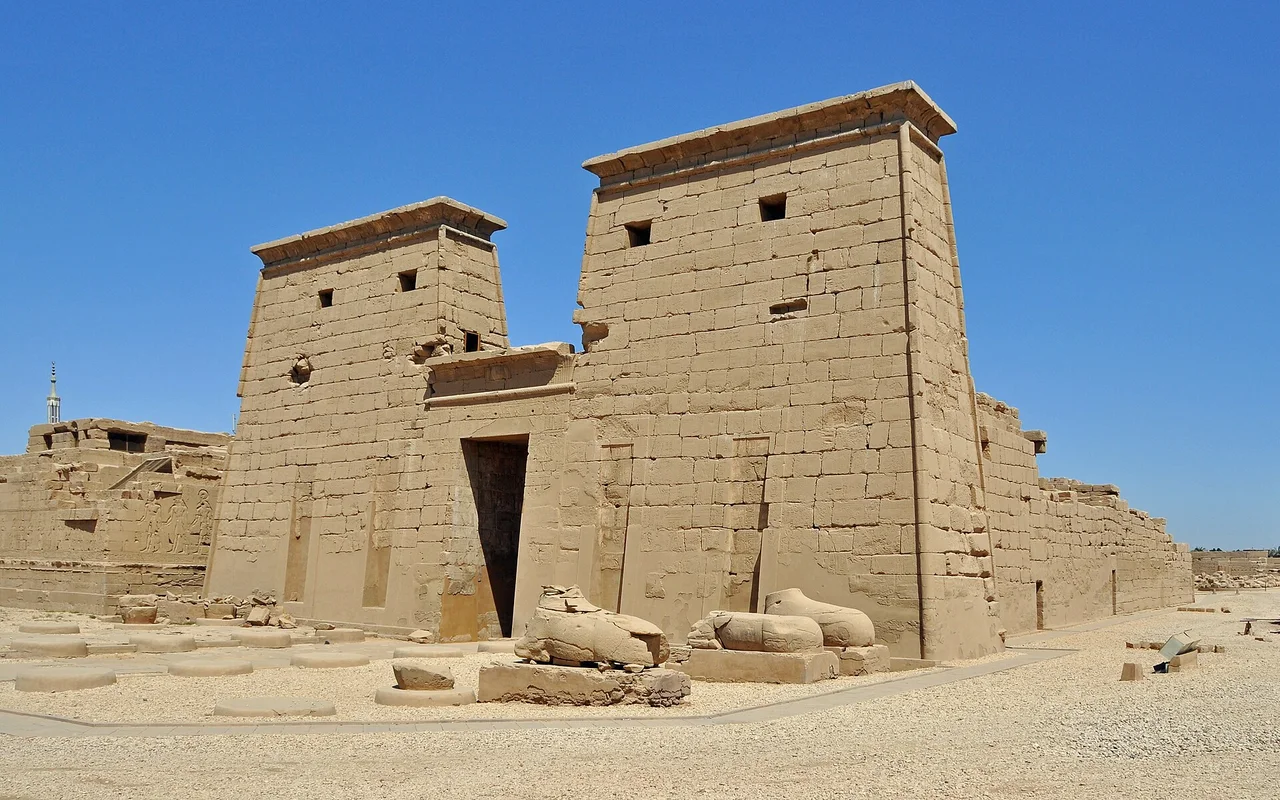
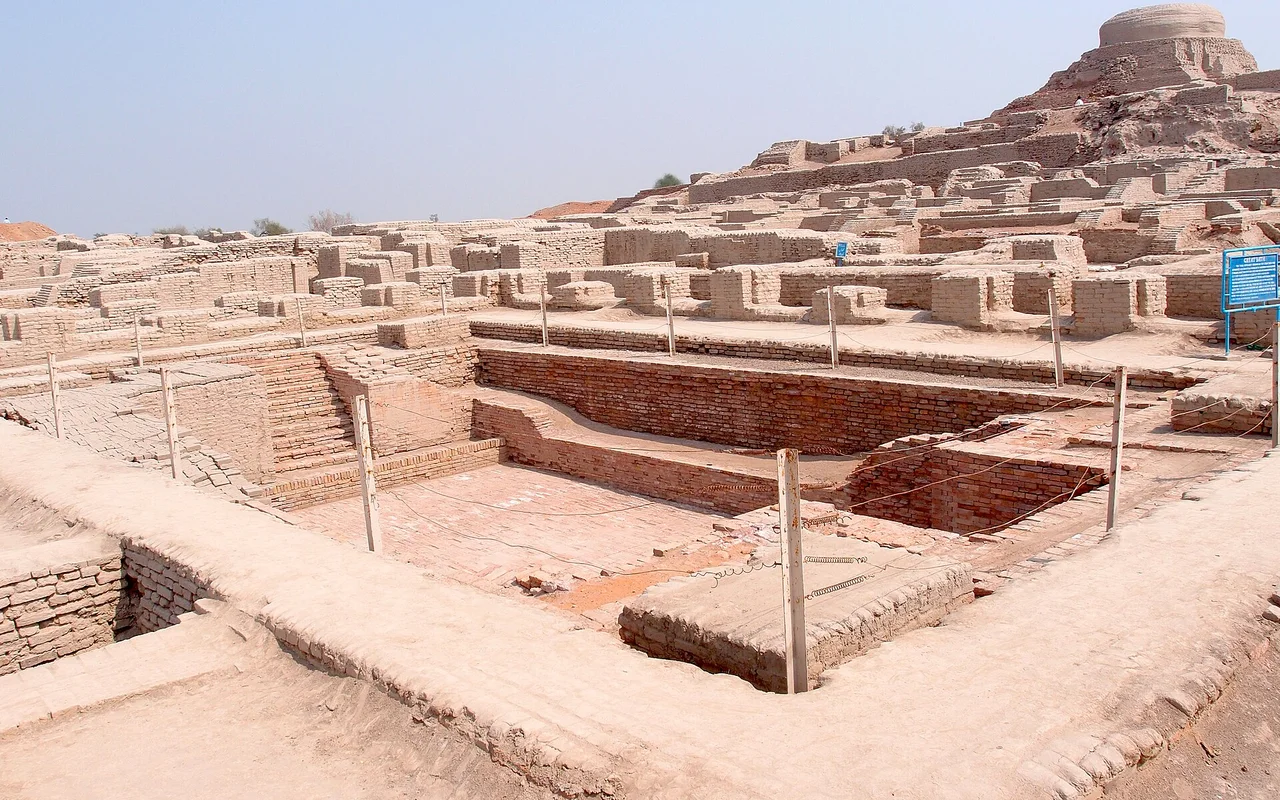
Read →