ATLAS / ANCIENT—PRESENT
All historyHow Atlas is sourced← Back to Atlas
Back to Atlas timeline
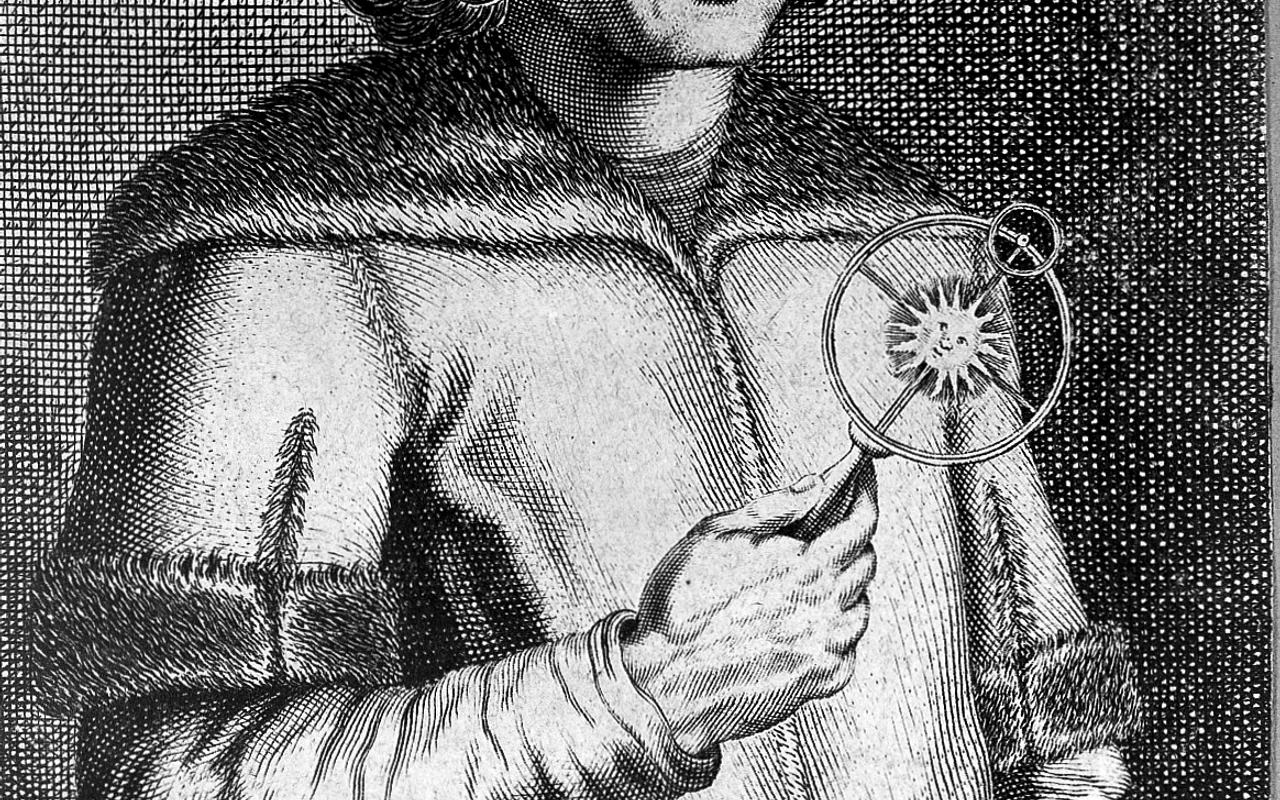
Portrait of Nicolaus Copernicus Wellcome L0015712.jpg

1543 CE · Europe · Science

Copernican heliocentrism

Nicolaus Copernicus published a Sun-centered mathematical model that reordered the planets and set a long debate about observation, calculation and authority in motion.

Atlas dossier · Renaissance & Reformation

Free device narration · synchronized English captions · transcript available

Why it matters

Heliocentrism became a crucial step toward modern astronomy, even though the evidence and model changed substantially in later work.

Date
1543 CE
Historical setting
Renaissance & Reformation · Europe
People & communities
Nicolaus Copernicus · astronomers · printers · readers

A publication milestone, not the end of debate

The year 1543 marks publication of De revolutionibus. A Sun-centred arrangement was a mathematical proposal to explain planetary motion; later observations and revisions remained essential to the development of astronomy. The date does not imply immediate universal acceptance.

Library of Congress: Copernicus, Brahe and Kepler ↗

Illustrated sequence

A visual presentation accompanying this entry. Read each image’s attribution to distinguish archival records, later depictions and reconstructions.

De revolutionibus orbium coelestium (Nuremberg Johann Petreius 1543) title page.jpgEnlarge and examine the picture

Examine the picture

IMAGE 2

Another perspective

Rights-cleared archival or official image · Public domain

De revolutionibus orbium coelestium (Nuremberg Johann Petreius 1543) title page.jpg — Johann Petreius; Public domain; via Wikimedia Commons

Source and reuse terms ↗

Interpretation note

Evidence, memory and historical debate

This dossier distinguishes the event’s basic chronology from later arguments about meaning, responsibility and legacy. When comparing religious, national, Indigenous or scholarly interpretations, consult the primary and institutional sources above alongside peer-reviewed historical work.

Elsewhere in the world

Parallel histories near this moment

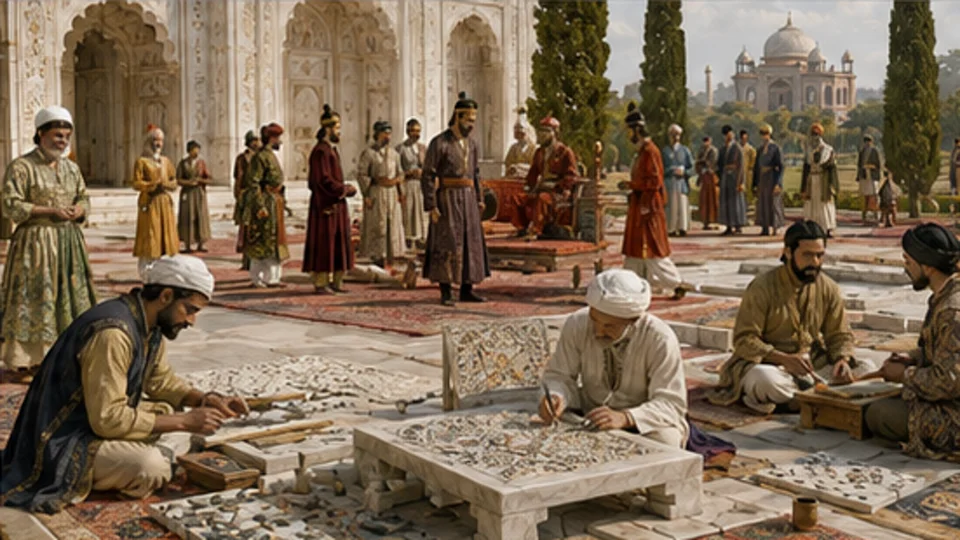
1526–1858 CE · dynastic survey · AsiaMughal India

Mughal rulers governed much of South Asia through negotiated sovereignty, taxation and military power while court culture supported major architecture, painting and literature.

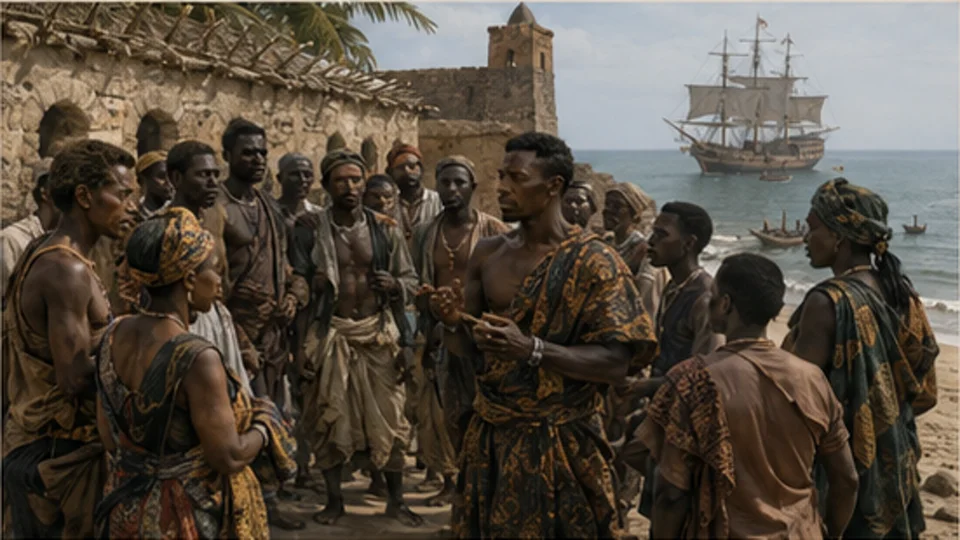
c. 1501–1866 CE · voyage survey; resistance continued · GlobalAtlantic slave trade and resistance

European and American traders forcibly transported more than twelve million captive Africans across the Atlantic; resistance by Africans and their descendants took many forms throughout slavery and abolition.

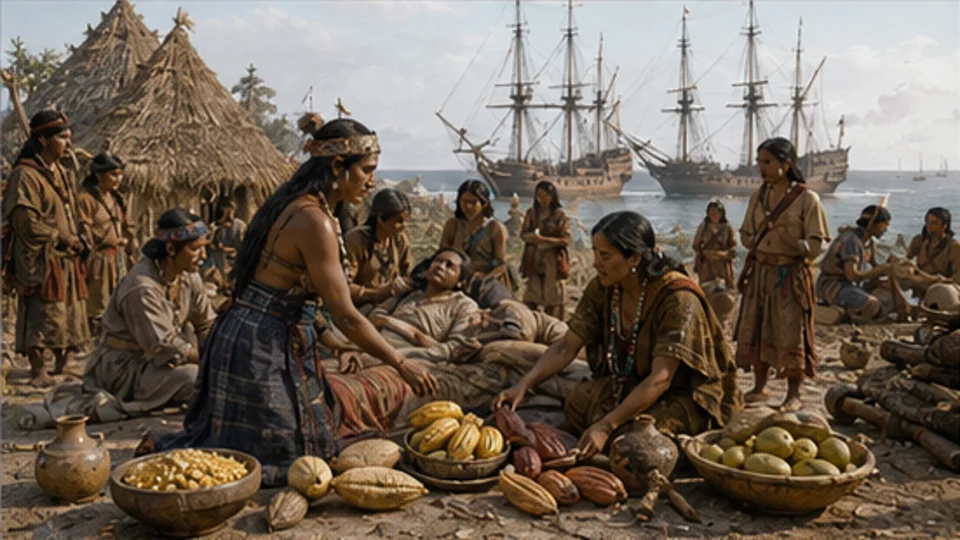
1492–1700 CE · Atlantic transformation; consequences continued · GlobalColumbian Exchange and Indigenous catastrophe

Atlantic crossings moved crops, animals, pathogens and people between hemispheres while invasion, epidemic disease, enslavement and forced labour devastated many Indigenous societies.