ATLAS / ANCIENT—PRESENT
All historyHow Atlas is sourced← Back to Atlas
Back to Atlas timeline
Atlantic slave trade and resistance — original Atlas editorial reconstruction

c. 1501–1866 CE · voyage survey; resistance continued · Global · Trade

Atlantic slave trade and resistance

European and American traders forcibly transported more than twelve million captive Africans across the Atlantic; resistance by Africans and their descendants took many forms throughout slavery and abolition.

Atlas dossier · Early Modern World

Free device narration · synchronized English captions · transcript available

Why it matters

The trade became integral to Atlantic economies and transformed demography, food systems, racial ideologies and cultures across four continents.

Date
c. 1501–1866 CE · voyage survey; resistance continued
Historical setting
Early Modern World · Global
People & communities
Enslaved Africans · African states · European traders · maroon communities · abolitionists
What the voyage dates measure

The c. 1501–1866 frame follows the database’s transatlantic voyage series. SlaveVoyages compiles more than 36,000 documented voyages and estimates about 12.5 million captive people departed Africa. These are reconstructed estimates, not a complete manifest of every person or every illegal voyage.

SlaveVoyages: Trans-Atlantic Slave Trade Database

Resistance continues beyond a shipping series

A voyage endpoint does not date the end of slavery or its consequences. Resistance included survival, preserving kinship and culture, shipboard and plantation revolt, flight, maroon communities, legal action and abolitionist organising. The dossier treats enslaved people as historical actors rather than only as cargo in commercial records.

UNESCO: Transatlantic slave trade resources

Illustrated sequence

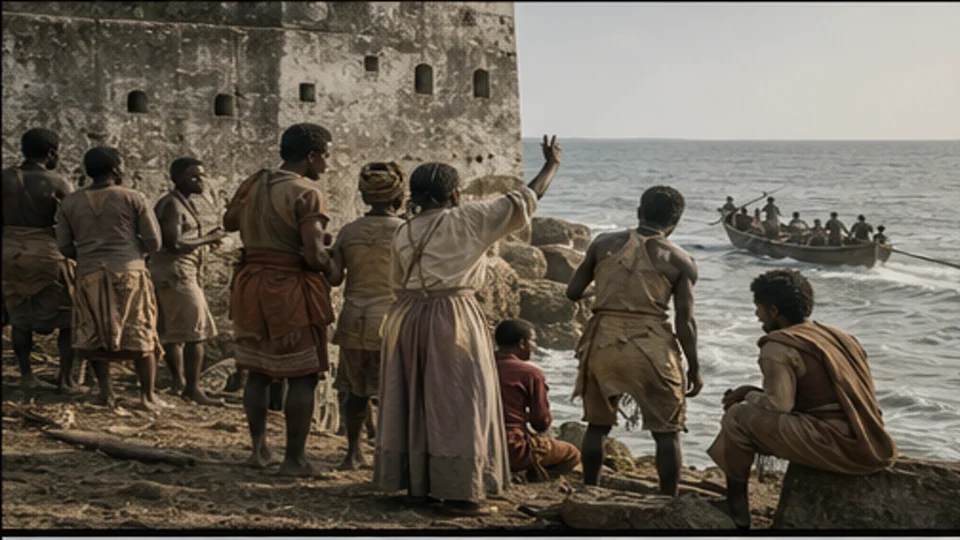
Silent pan-and-zoom motion derivative of the Atlantic slave trade and resistance reconstruction; not archival footage.

Atlantic slave trade and resistance — original Atlas editorial reconstruction
IMAGE 1

Original Atlas reconstruction

Primary Atlas editorial reconstruction for Atlantic slave trade and resistance.

World History in Pictures · Public site artwork. This record does not grant third-party republication rights.

How Atlas classifies this artwork →
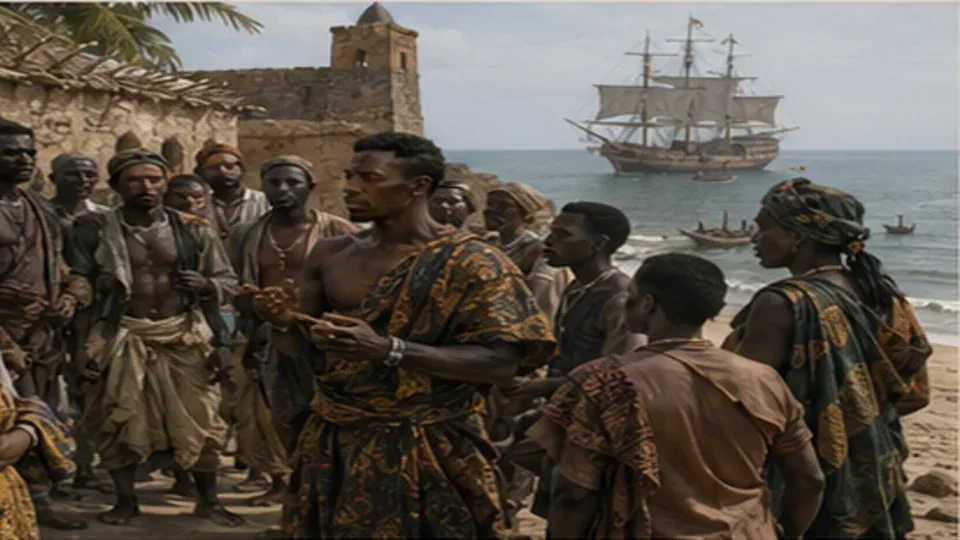
Atlantic slave trade and resistance: people and action
IMAGE 2

Supporting Atlas reconstruction

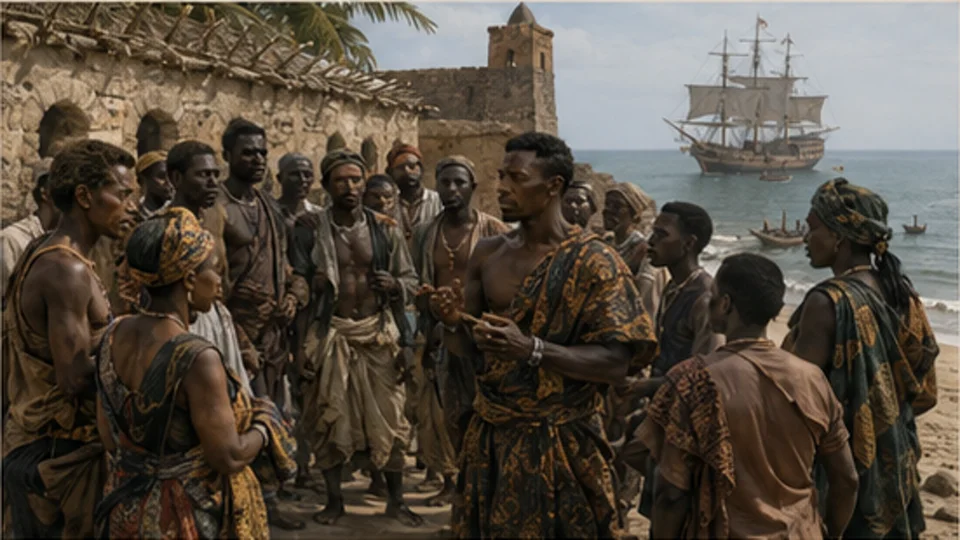
Supporting Atlas reconstruction within the same Atlantic slave trade and resistance editorial package; not an independent archival record.

World History in Pictures · Same editorial artwork package

How Atlas classifies this artwork →
Atlantic slave trade and resistance: setting and consequences
IMAGE 3

Context crop — same artwork

Context crop from the same Atlantic slave trade and resistance reconstruction; not an independent historical record.

World History in Pictures · Same editorial artwork package

How Atlas classifies this artwork →

Interpretation note

Evidence, memory and historical debate

This dossier distinguishes the event’s basic chronology from later arguments about meaning, responsibility and legacy. When comparing religious, national, Indigenous or scholarly interpretations, consult the primary and institutional sources above alongside peer-reviewed historical work.

Elsewhere in the world

Parallel histories near this moment

1492–c. 1770 CE · selected colonial survey · AmericasEuropean voyages and conquest in the Americas

Atlantic voyages intensified connections among Europe, Africa and the Americas and were followed by Iberian and later European invasion, settlement, missionary systems and extraction.

1517–1648 CE · EuropeReformation and confessional conflict

Reform movements challenged church authority, doctrine and practice; Catholic renewal and state conflict produced new churches and devastating wars.

1526–1858 CE · dynastic survey · AsiaMughal India

Mughal rulers governed much of South Asia through negotiated sovereignty, taxation and military power while court culture supported major architecture, painting and literature.