ATLAS / ANCIENT—PRESENT
All historyHow Atlas is sourced← Back to Atlas
Back to Atlas timeline
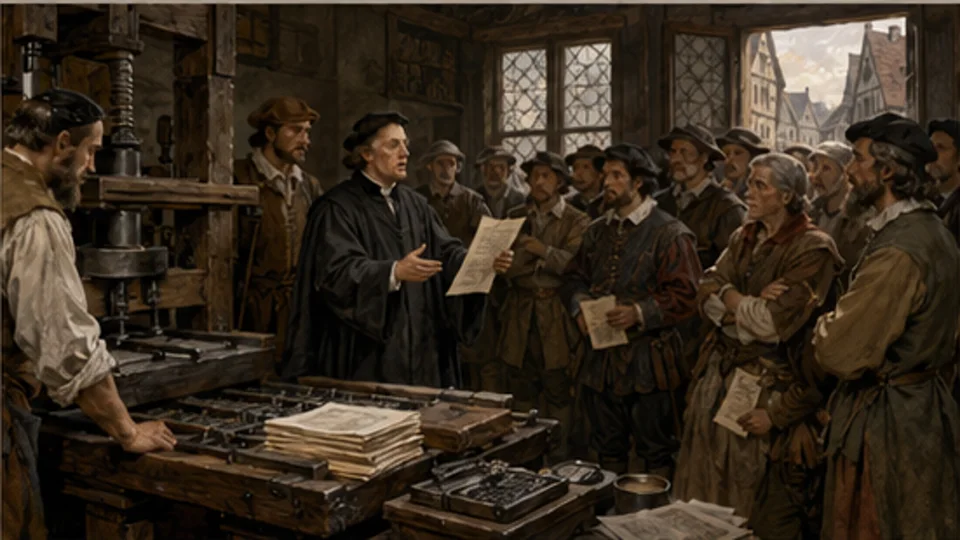
Reformation and confessional conflict — original Atlas editorial reconstruction

1517–1648 CE · Europe · Faith

Reformation and confessional conflict

Reform movements challenged church authority, doctrine and practice; Catholic renewal and state conflict produced new churches and devastating wars.

Atlas dossier · Renaissance & Reformation

Free device narration · synchronized English captions · transcript available

Why it matters

The era reshaped literacy, government, worship, migration and concepts of conscience.

Date
1517–1648 CE
Historical setting
Renaissance & Reformation · Europe
People & communities
Luther · Calvin · Cranmer · Loyola · Catholic and Protestant communities

Doctrine and authority were central questions

Luther’s 1517 challenge to indulgences developed into a wider dispute over salvation and authority. His teaching emphasised grace, faith and Scripture. The movement also depended on printers, congregations and political protection; it cannot be explained only through an individual protest.

Musée protestant: Luther and the Lutheran Reformation ↗

Reformers did not create one uniform church

Calvin’s Institutes first appeared in Latin in 1536 and grew through later editions. Lutheran and Reformed traditions shared important convictions but differed on matters including the Lord’s Supper and church organisation. The 1648 survey endpoint marks a political settlement, not the end of Christian reform or religious disagreement.

Musée protestant: Calvin’s Institutes ↗

Illustrated sequence

Silent pan-and-zoom motion derivative of the Reformation and confessional conflict reconstruction; not archival footage.

Interpretation note

Evidence, memory and historical debate

This dossier distinguishes the event’s basic chronology from later arguments about meaning, responsibility and legacy. When comparing religious, national, Indigenous or scholarly interpretations, consult the primary and institutional sources above alongside peer-reviewed historical work.

Elsewhere in the world

Parallel histories near this moment

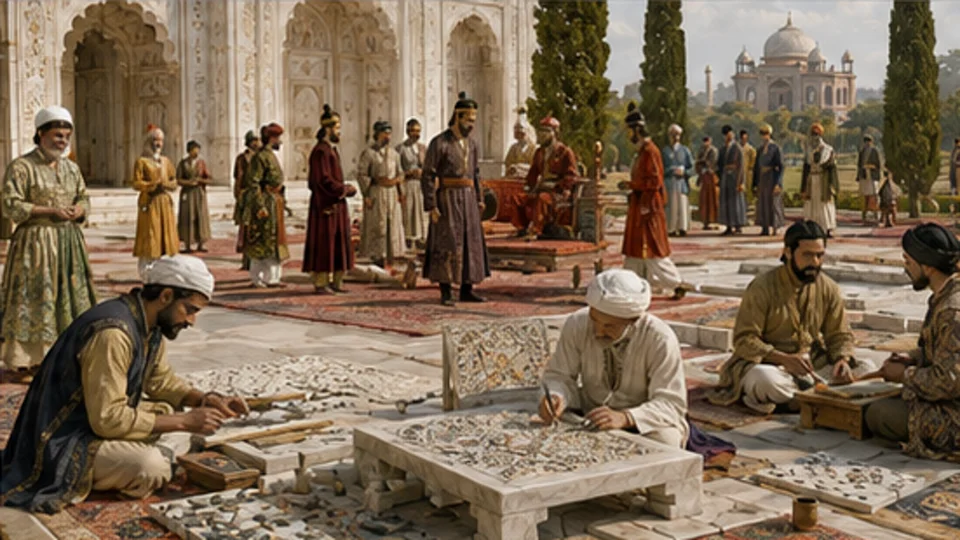
1526–1858 CE · dynastic survey · AsiaMughal India

Mughal rulers governed much of South Asia through negotiated sovereignty, taxation and military power while court culture supported major architecture, painting and literature.

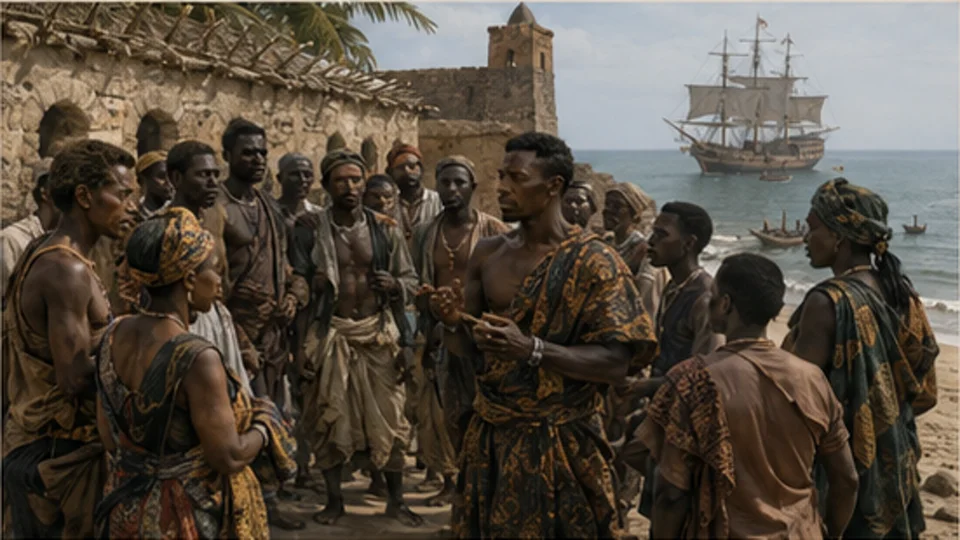
c. 1501–1866 CE · voyage survey; resistance continued · GlobalAtlantic slave trade and resistance

European and American traders forcibly transported more than twelve million captive Africans across the Atlantic; resistance by Africans and their descendants took many forms throughout slavery and abolition.

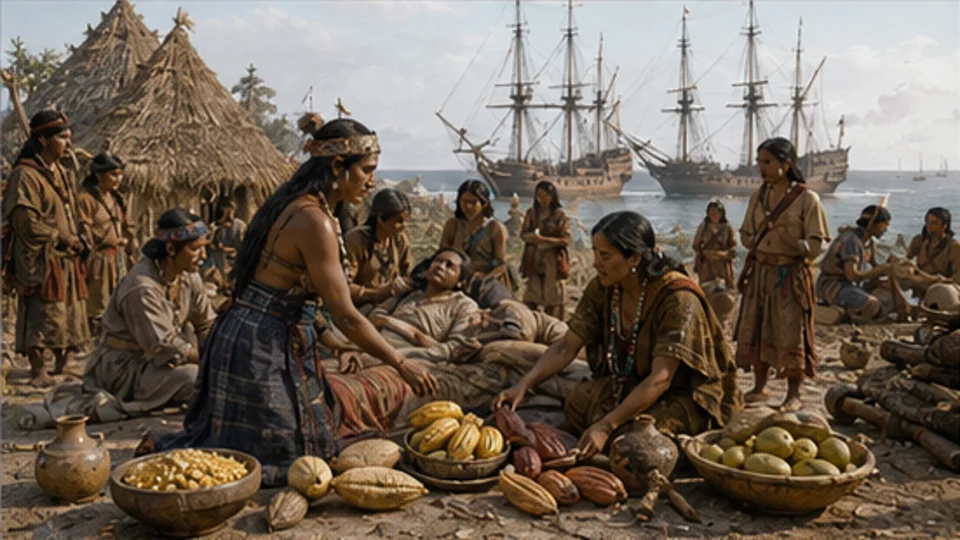
1492–1700 CE · Atlantic transformation; consequences continued · GlobalColumbian Exchange and Indigenous catastrophe

Atlantic crossings moved crops, animals, pathogens and people between hemispheres while invasion, epidemic disease, enslavement and forced labour devastated many Indigenous societies.

Explore the connections

The screw printing press: pressure, type and repeated pages →

Nordic Reformations: Scripture, crowns and conscience →

Luther: indulgences, conscience and the German New Testament →

Tyndale and Coverdale: the English Bible, exile and reform →

Zwingli, Zurich and Marburg: Scripture, reform and disagreement →

Calvin and Geneva: books, institutions and contested authority →

Scotland’s Reformation: Knox, confession and an unfinished settlement →

Wycliffe and Hus: manuscripts, preaching and reform before Luther →

Anabaptists and the Peasants’ War: different visions of reform →

France: conscience, worship and a conditional peace →

Catholic renewal: Trent, mission and formation →

Women, schools and printed arguments →

The Thirty Years’ War and the Peace of Westphalia →