ATLAS / 1000 BC—PRESENT
How Atlas is sourced← Back to Atlas
Back to Atlas timeline

1526–1857 · Asia · Empire

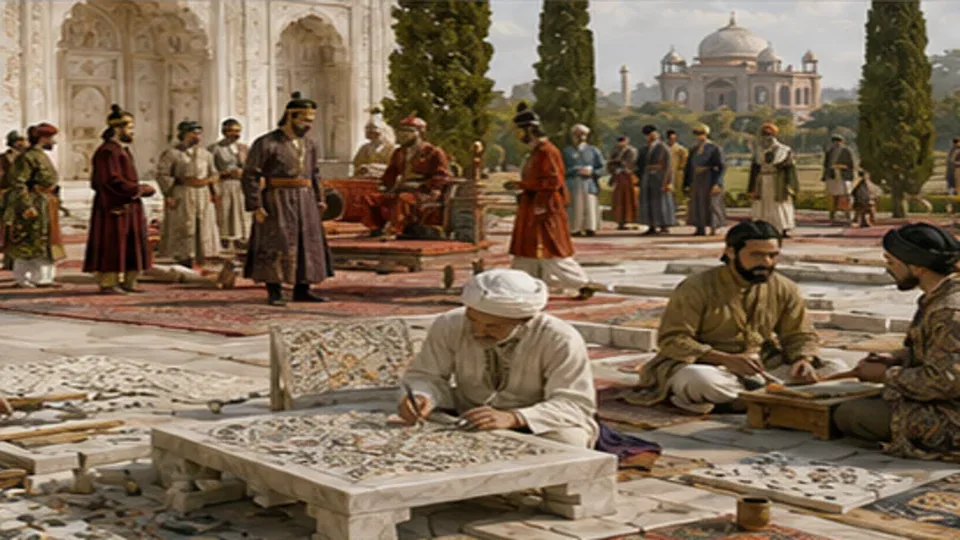
Mughal India

Mughal rulers governed much of South Asia through negotiated sovereignty, taxation and military power while court culture supported major architecture, painting and literature.

Atlas dossier · Early Modern World

Free device narration · synchronized English captions · transcript available

Why it matters

The empire connected Indian production to global trade and left political and cultural legacies across South Asia.

Date
1526–1857
Historical setting
Early Modern World · Asia
People & communities
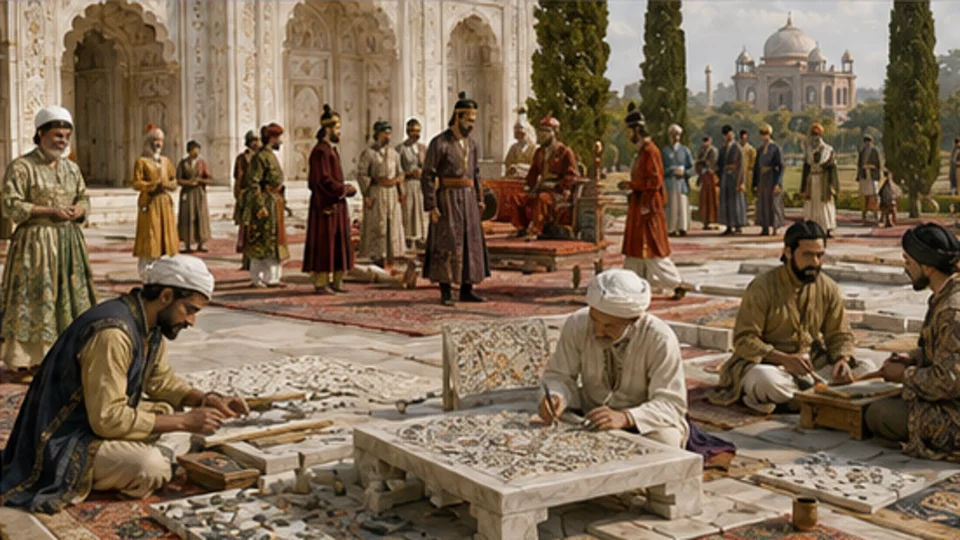
Babur · Akbar · Shah Jahan · Aurangzeb · regional rulers · artisans · cultivators
01

Event

Mughal rulers governed much of South Asia through negotiated sovereignty, taxation and military power while court culture supported major architecture, painting and literature.

02

People

Babur · Akbar · Shah Jahan · Aurangzeb · regional rulers · artisans · cultivators
03

Consequences

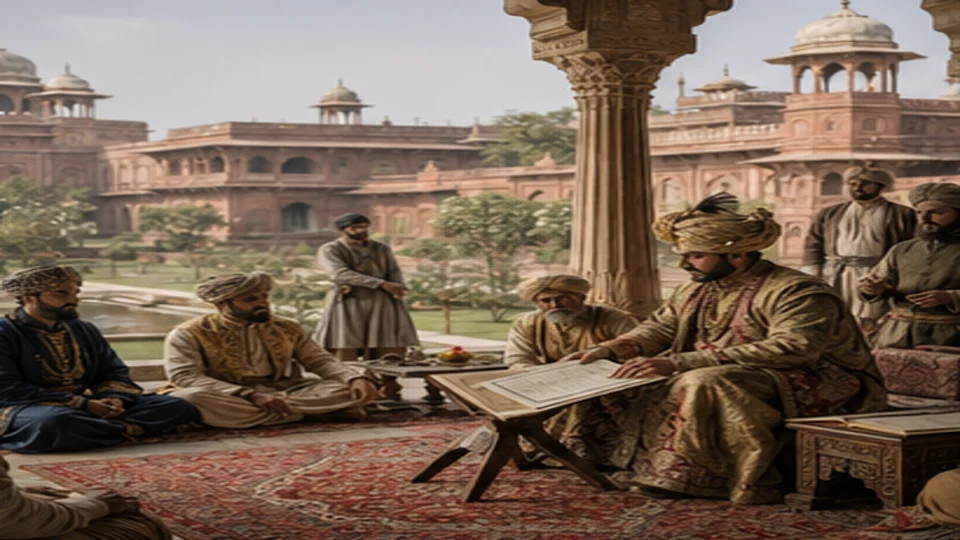
The empire connected Indian production to global trade and left political and cultural legacies across South Asia.

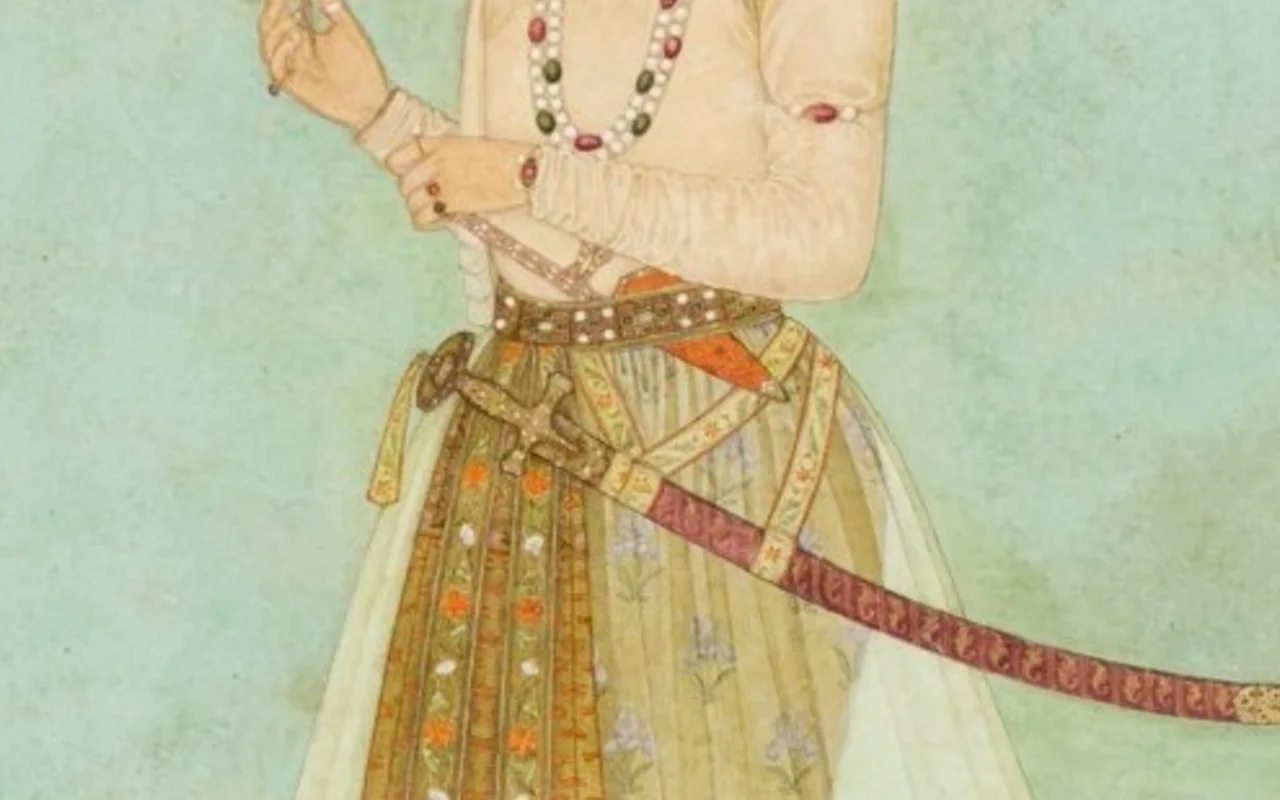
Supplemental archival visual

A contemporaneous or later historical record, clearly distinguished from the Atlas visual sequence.

Shah Jahan I of India, c. 1630 is presented as a period visual interpretation or documentary record. It does not independently establish the dossier’s chronology; use the linked item page and source trail for its provenance and reuse terms.

Open the item page and rights record ↗Shah Jahan I of India, c. 1630 — Bichitr; Public Domain; via Los Angeles County Museum of Art
Archival visual record: Shah Jahan I of India, c. 1630
Shah Jahan I of India, c. 1630 · Public Domain

Interpretation note

Evidence, memory and historical debate

This dossier distinguishes the event’s basic chronology from later arguments about meaning, responsibility and legacy. When comparing religious, national, Indigenous or scholarly interpretations, consult the primary and institutional sources above alongside peer-reviewed historical work.

Elsewhere in the world

Parallel histories near this moment

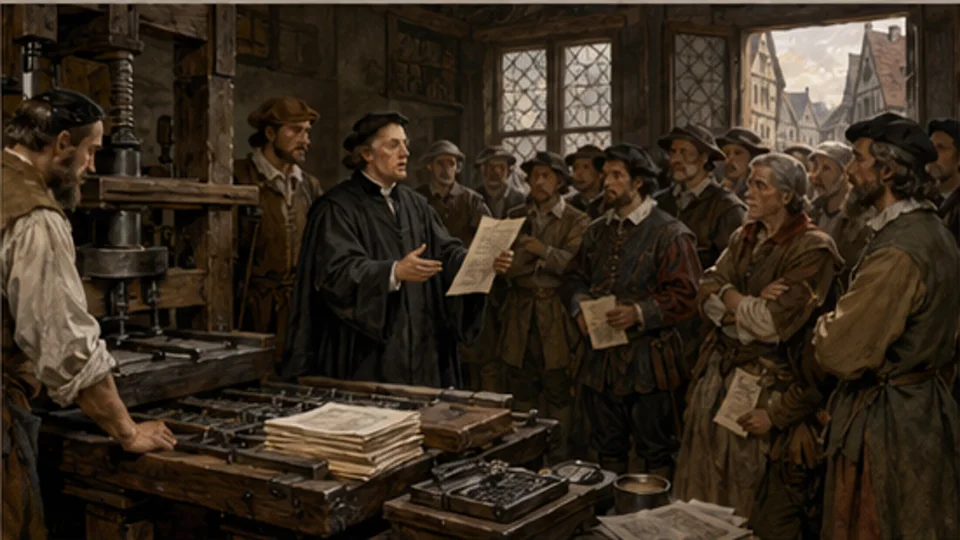
1517–1648 · EuropeReformation and confessional conflict

Reform movements challenged church authority, doctrine and practice; Catholic renewal and state conflict produced new churches and devastating wars.

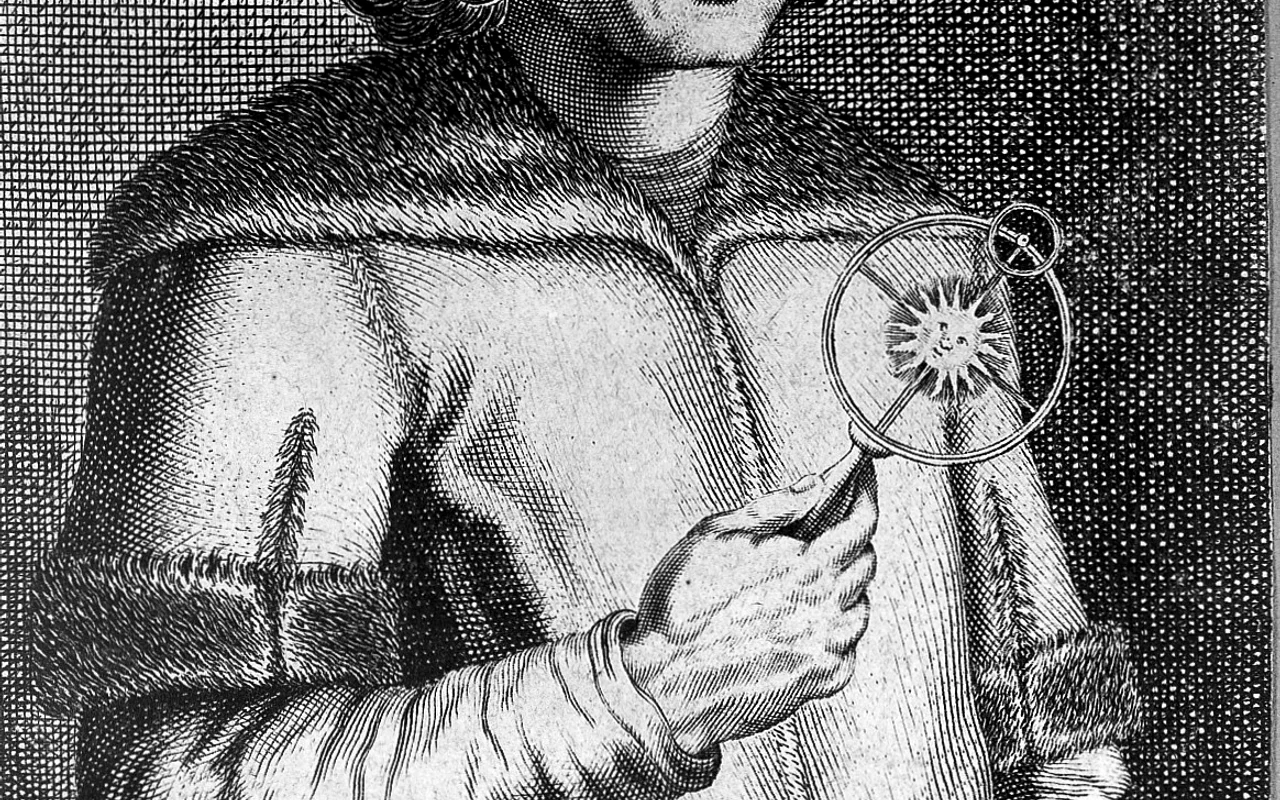
1543 · EuropeCopernican heliocentrism

Nicolaus Copernicus published a Sun-centered mathematical model that reordered the planets and set a long debate about observation, calculation and authority in motion.

1543–1700 · EuropeScientific Revolution

New models of astronomy, experiment, mathematics and instrumentation challenged inherited explanations of nature.