ATLAS / 1000 BC—PRESENT
How Atlas is sourced← Back to Atlas
Back to Atlas timeline

1492–1770 · Americas · Empire

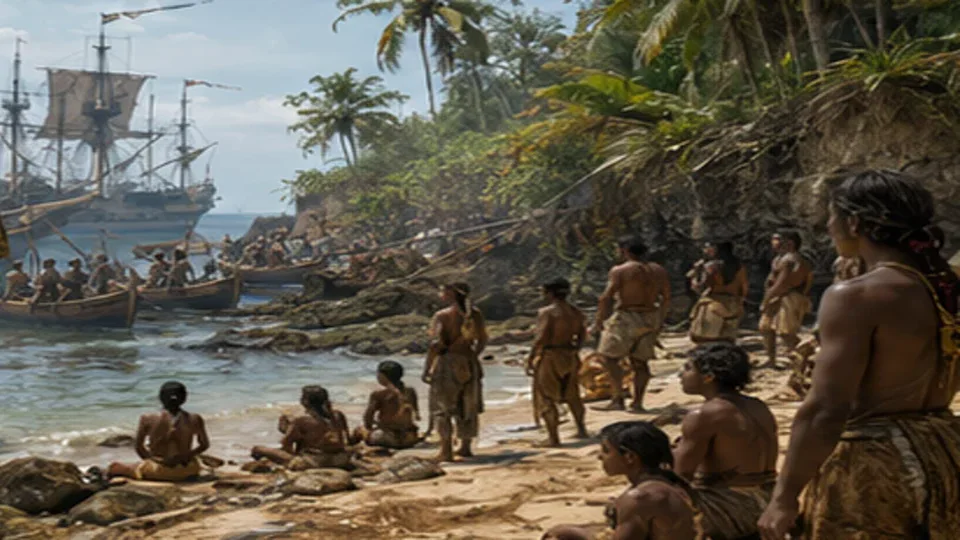
European voyages and conquest in the Americas

Atlantic voyages connected Europe, Africa and the Americas permanently, followed by Iberian and later European conquest, settlement, missionary activity and resource extraction.

Atlas dossier · Early Modern World

Free device narration · synchronized English captions · transcript available

Why it matters

The encounters produced global exchange and new societies but also epidemic collapse, dispossession, forced labor and the destruction of Indigenous polities.

Date
1492–1770
Historical setting
Early Modern World · Americas
People & communities
Indigenous nations · Columbus · Taíno communities · conquistadors · African captives · settlers
01

Event

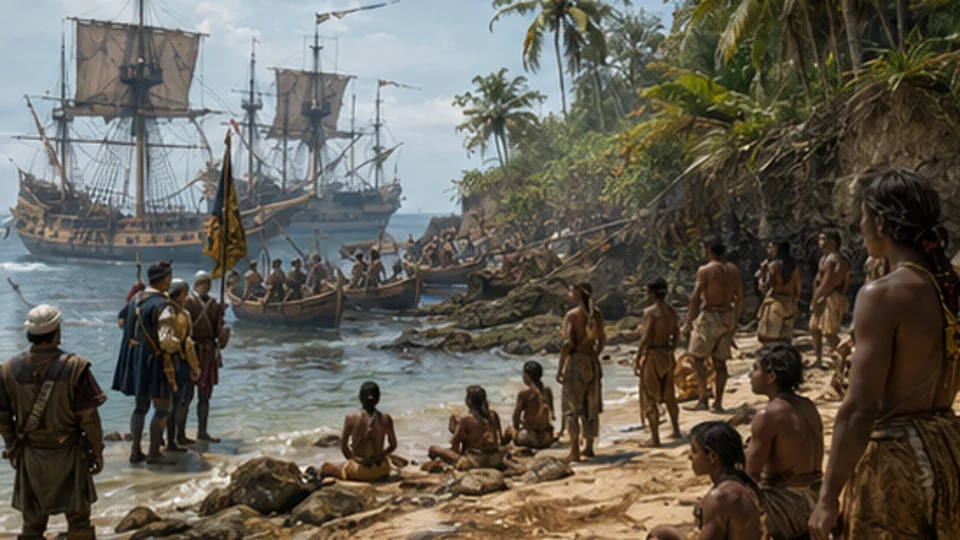
Atlantic voyages connected Europe, Africa and the Americas permanently, followed by Iberian and later European conquest, settlement, missionary activity and resource extraction.

02

People

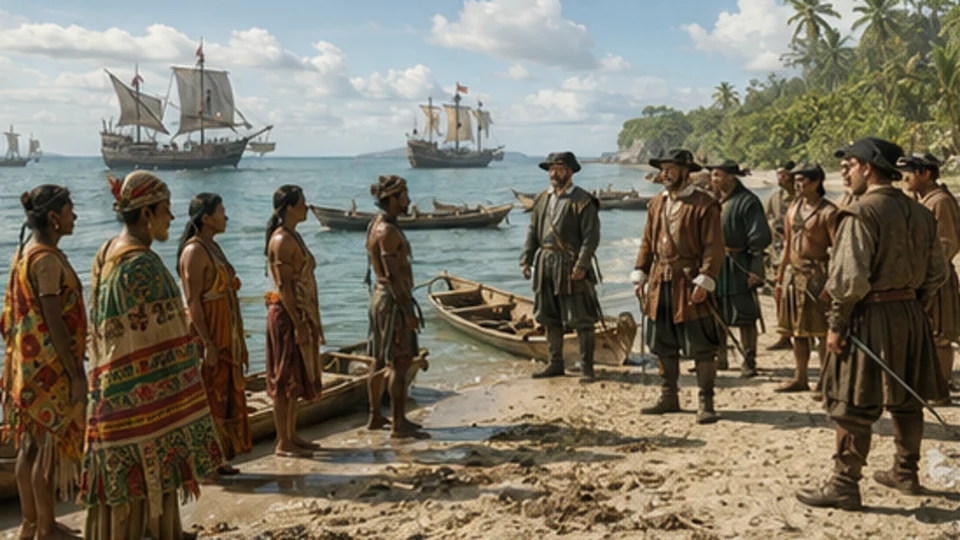
Indigenous nations · Columbus · Taíno communities · conquistadors · African captives · settlers
03

Consequences

The encounters produced global exchange and new societies but also epidemic collapse, dispossession, forced labor and the destruction of Indigenous polities.

Interpretation note

Evidence, memory and historical debate

This dossier distinguishes the event’s basic chronology from later arguments about meaning, responsibility and legacy. When comparing religious, national, Indigenous or scholarly interpretations, consult the primary and institutional sources above alongside peer-reviewed historical work.

Elsewhere in the world

Parallel histories near this moment

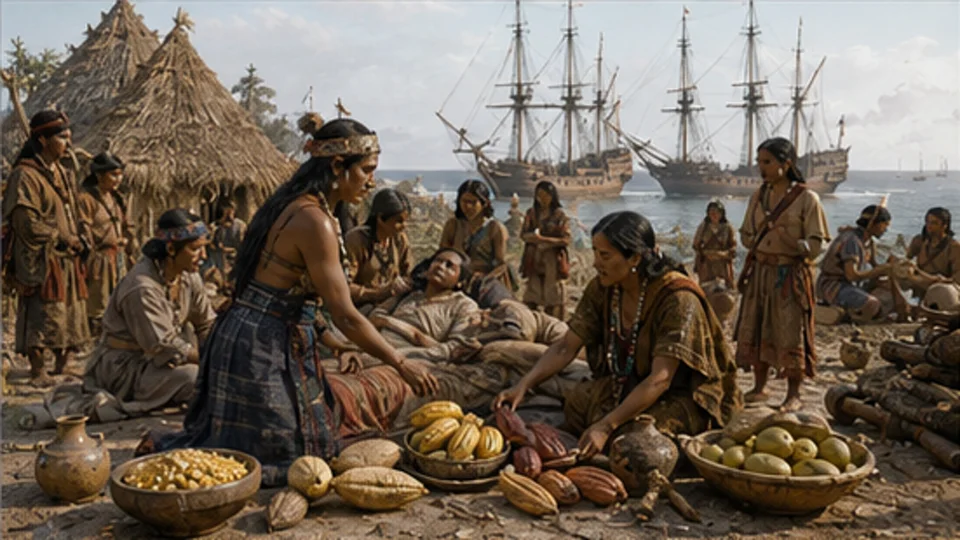
1492–1700 · GlobalColumbian Exchange and Indigenous catastrophe

Atlantic crossings moved crops, animals, pathogens and people between hemispheres while conquest, disease and forced labour devastated Indigenous societies.

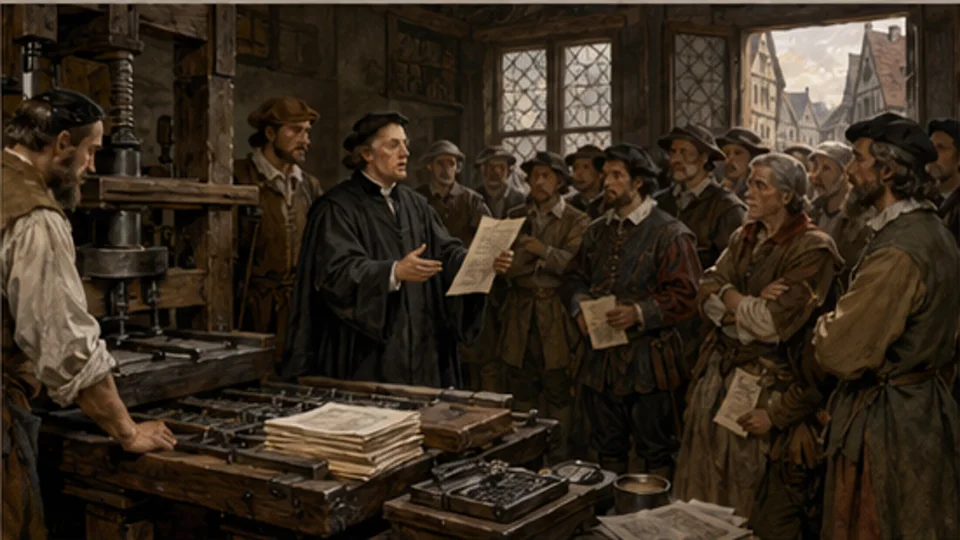
1517–1648 · EuropeReformation and confessional conflict

Reform movements challenged church authority, doctrine and practice; Catholic renewal and state conflict produced new churches and devastating wars.

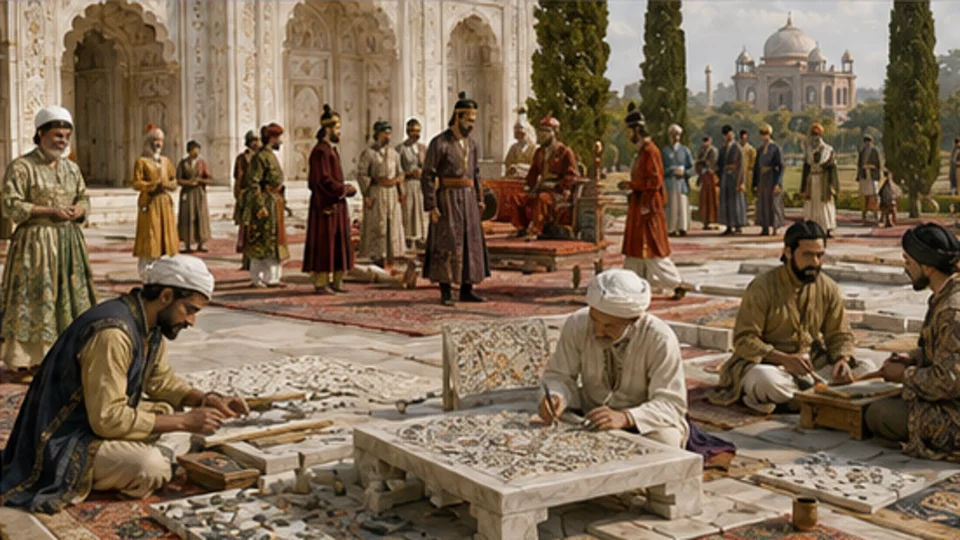
1526–1857 · AsiaMughal India

Mughal rulers governed much of South Asia through negotiated sovereignty, taxation and military power while court culture supported major architecture, painting and literature.