Why it matters
Mortality altered labour bargaining, landholding, public health, religious life and social conflict.
- Date
- 1347–1353
- Historical setting
- Medieval World · Global
- People & communities
- Yersinia pestis · healers · clergy · urban communities
1347–1353 · Global · Medicine
Plague moved through Eurasian and North African networks, killing an immense share of local populations.
Atlas dossier · Medieval WorldFree device narration · synchronized English captions · transcript available
Why it matters
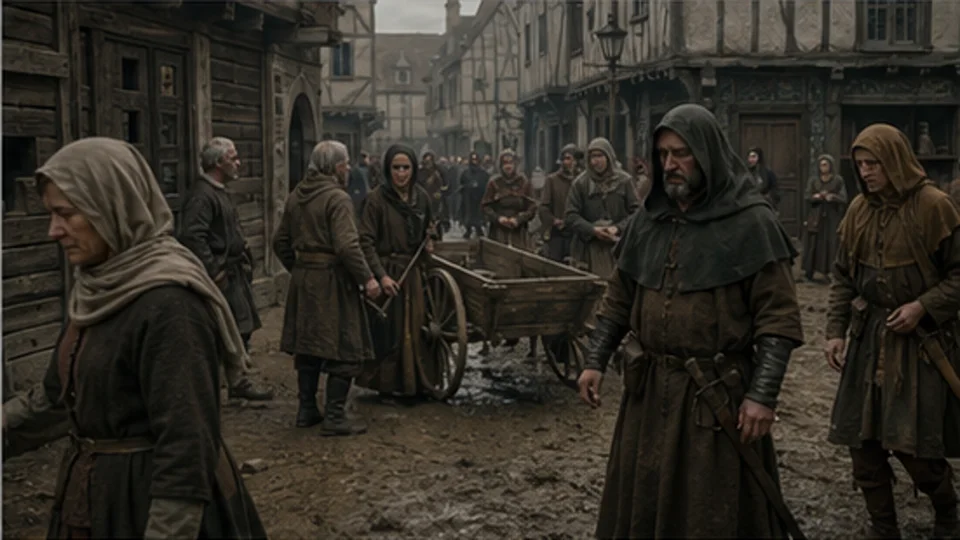
Plague moved through Eurasian and North African networks, killing an immense share of local populations.
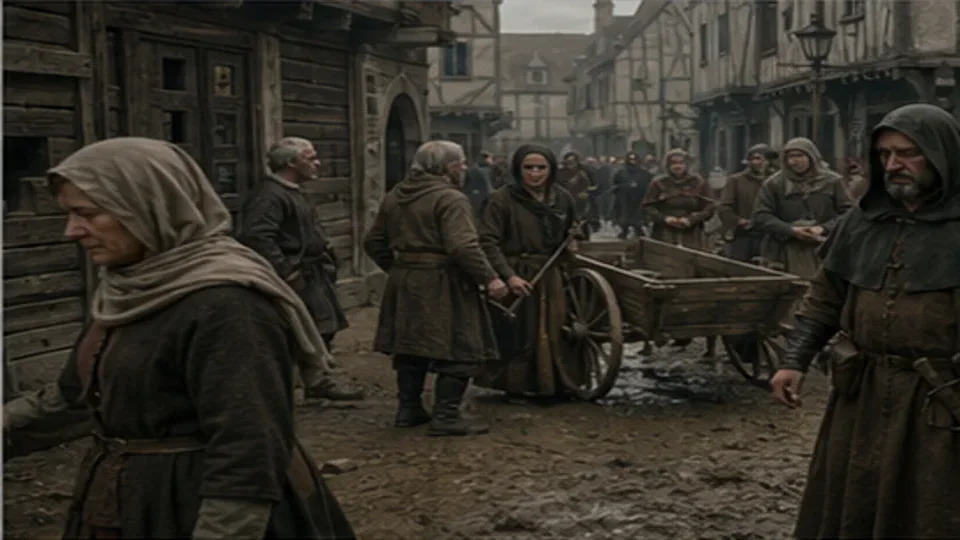
Yersinia pestis · healers · clergy · urban communities
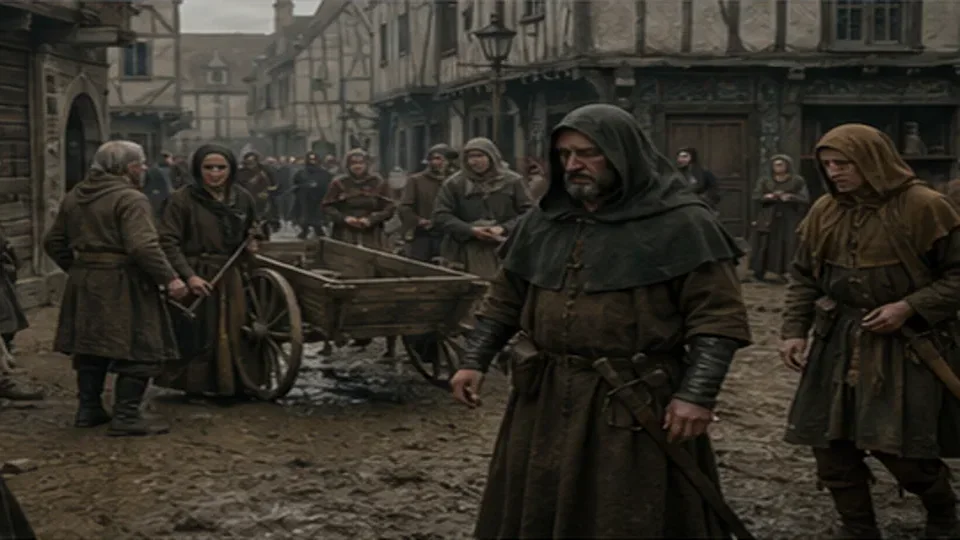
Mortality altered labour bargaining, landholding, public health, religious life and social conflict.
Interpretation note
This dossier distinguishes the event’s basic chronology from later arguments about meaning, responsibility and legacy. When comparing religious, national, Indigenous or scholarly interpretations, consult the primary and institutional sources above alongside peer-reviewed historical work.
Elsewhere in the world
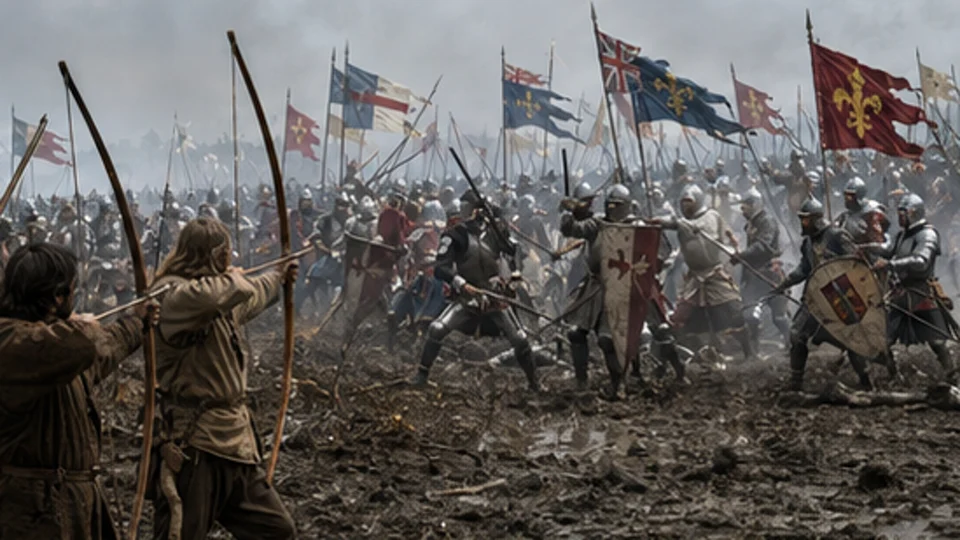 1337–1453 · EuropeHundred Years’ War
English and French dynasties contested territory and sovereignty through long cycles of war, truce and civil conflict.
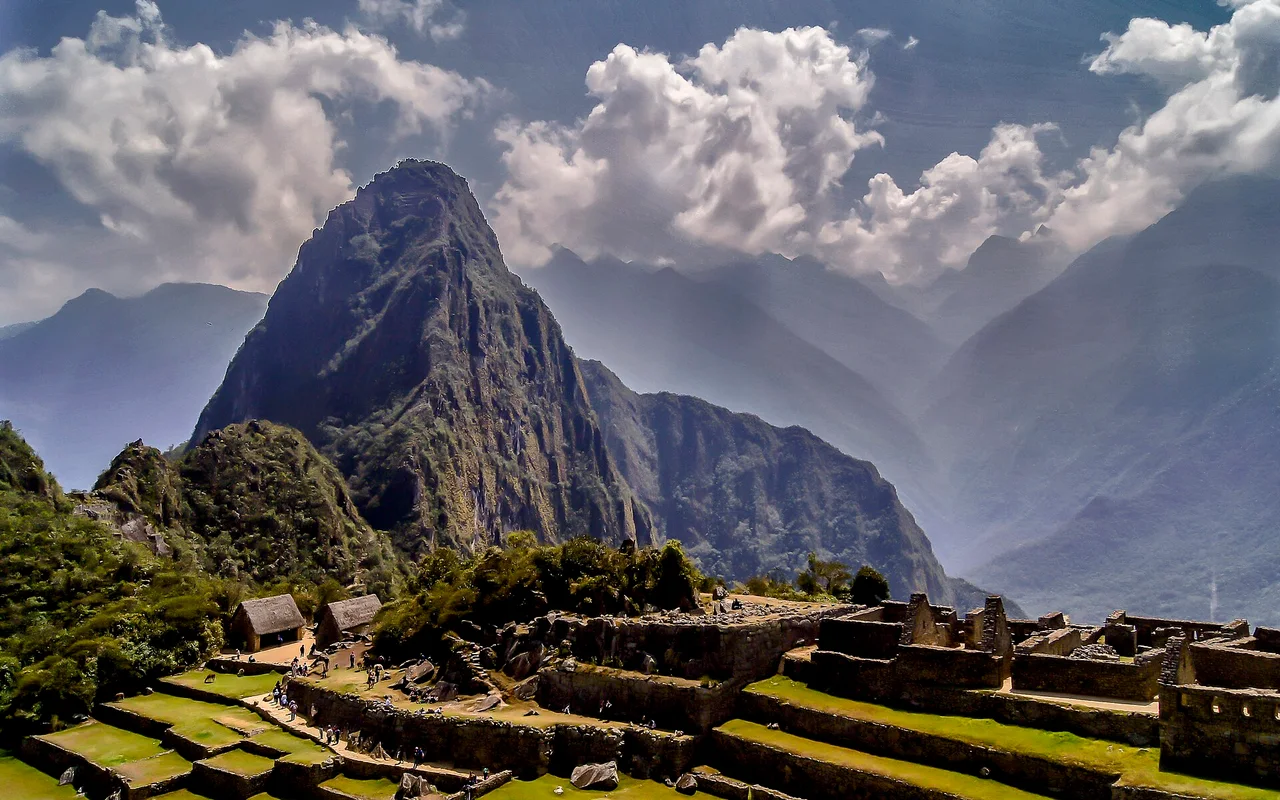 1325–1532 · AmericasMexica and Inca worlds before conquest
The Mexica and Inca built far-reaching political worlds with sophisticated agriculture, engineering, tribute systems, trade, religious life and knowledge traditions before Spanish invasions ruptured them in the sixteenth century.
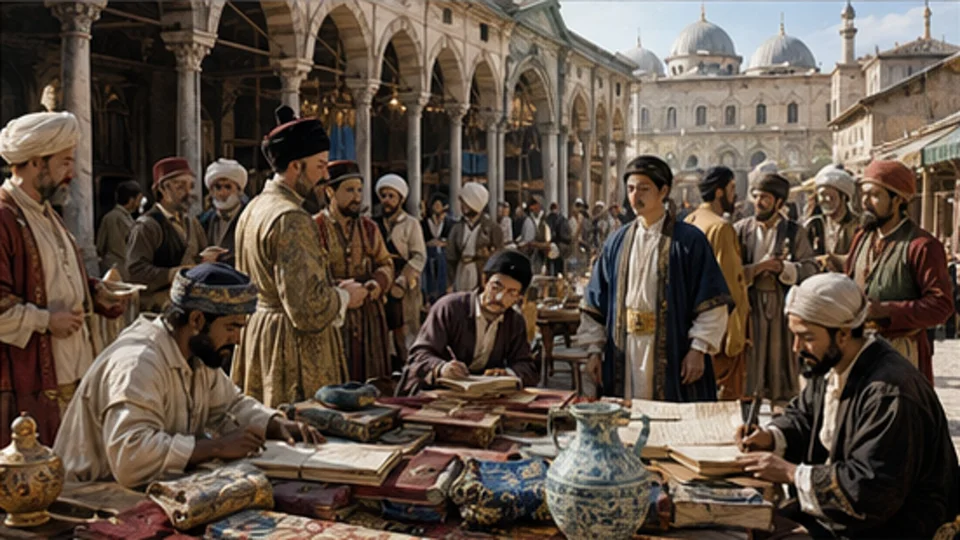 1299–1922 · Middle EastOttoman Empire
An Anatolian principality became a multilingual empire spanning Southeast Europe, North Africa and the Middle East, governing vital cities and trade corridors for centuries.