ATLAS / 1000 BC—PRESENT
How Atlas is sourced← Back to Atlas
Back to Atlas timeline

1400–1600 · Europe · Science

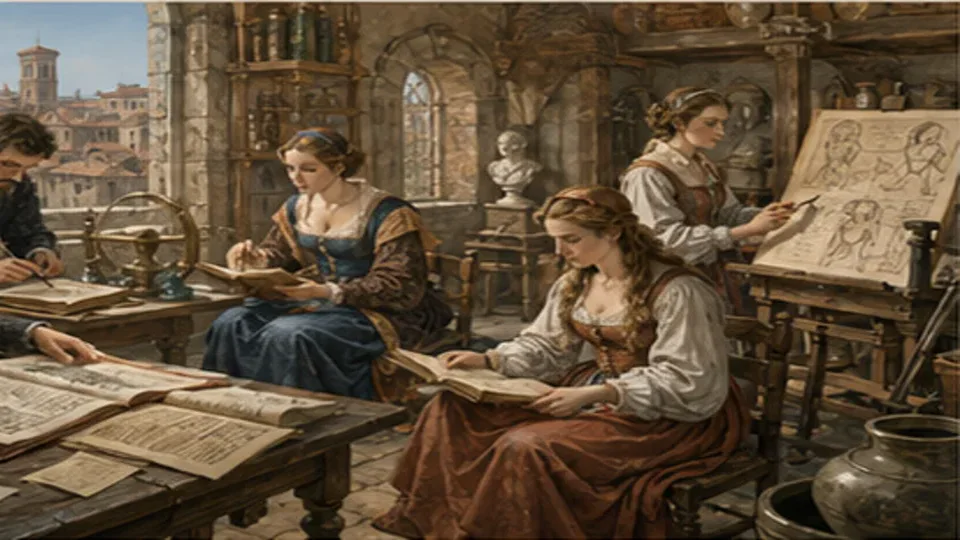
Renaissance and humanism

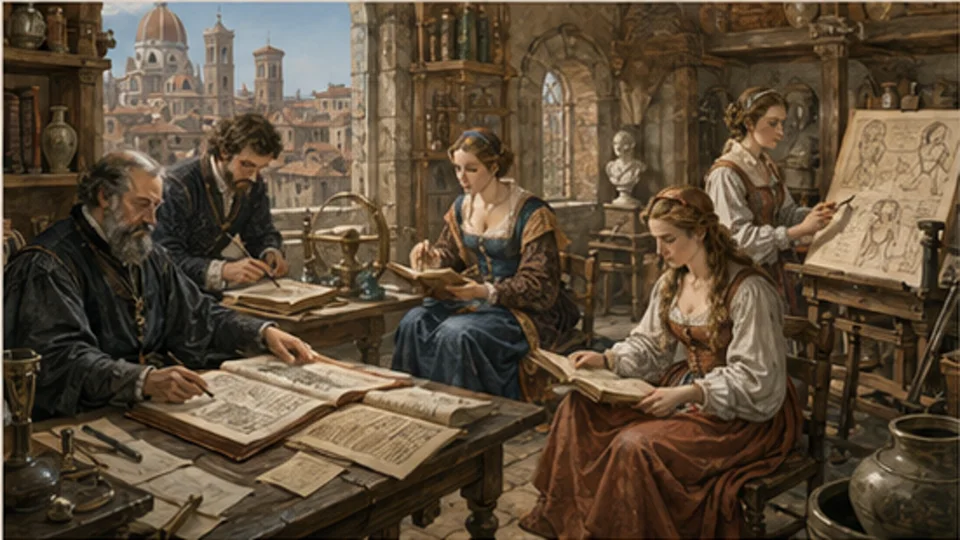
Artists, scholars and patrons revisited classical learning while experimenting with perspective, anatomy, philology and new forms of civic culture.

Atlas dossier · Renaissance & Reformation

Free device narration · synchronized English captions · transcript available

Why it matters

The Renaissance changed education, art, political thought and the circulation of knowledge, while depending on wider Mediterranean exchange.

Date
1400–1600
Historical setting
Renaissance & Reformation · Europe
People & communities
Petrarch · Leonardo da Vinci · Erasmus · artists, printers and patrons
01

Event

Artists, scholars and patrons revisited classical learning while experimenting with perspective, anatomy, philology and new forms of civic culture.

02

People

Petrarch · Leonardo da Vinci · Erasmus · artists, printers and patrons
03

Consequences

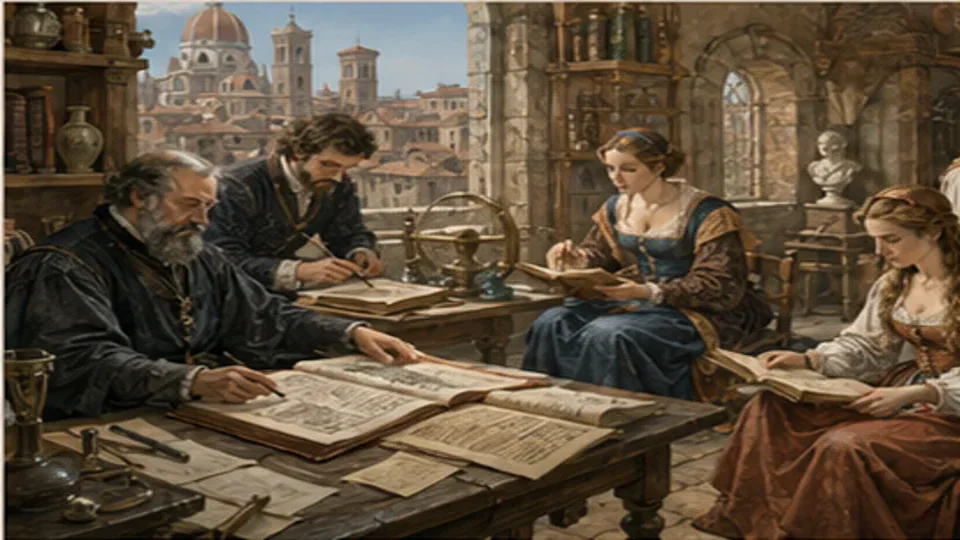
The Renaissance changed education, art, political thought and the circulation of knowledge, while depending on wider Mediterranean exchange.

Interpretation note

Evidence, memory and historical debate

This dossier distinguishes the event’s basic chronology from later arguments about meaning, responsibility and legacy. When comparing religious, national, Indigenous or scholarly interpretations, consult the primary and institutional sources above alongside peer-reviewed historical work.

Elsewhere in the world

Parallel histories near this moment

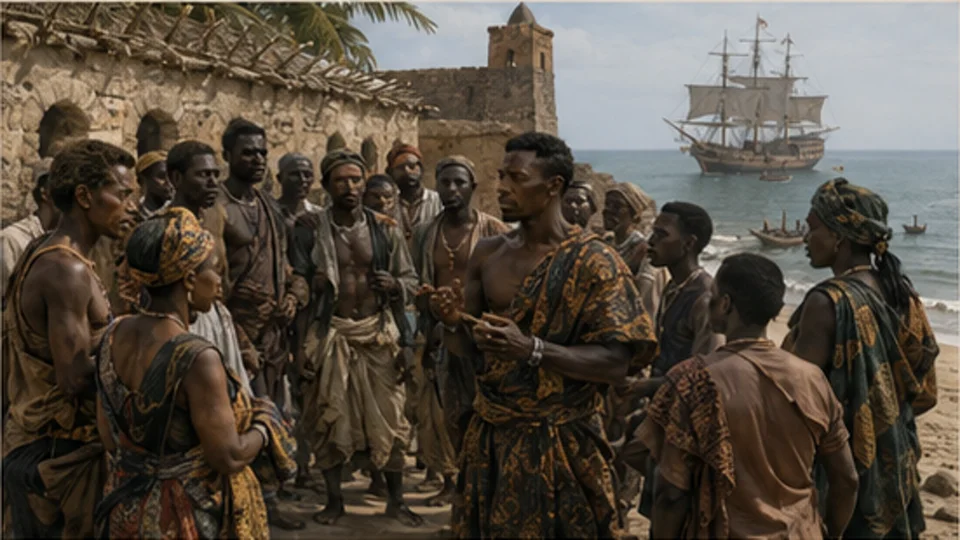
1450–1900 · GlobalAtlantic slave trade and resistance

European and American traders forcibly transported millions of Africans across the Atlantic into systems of plantation slavery; African and diasporic resistance never ceased.

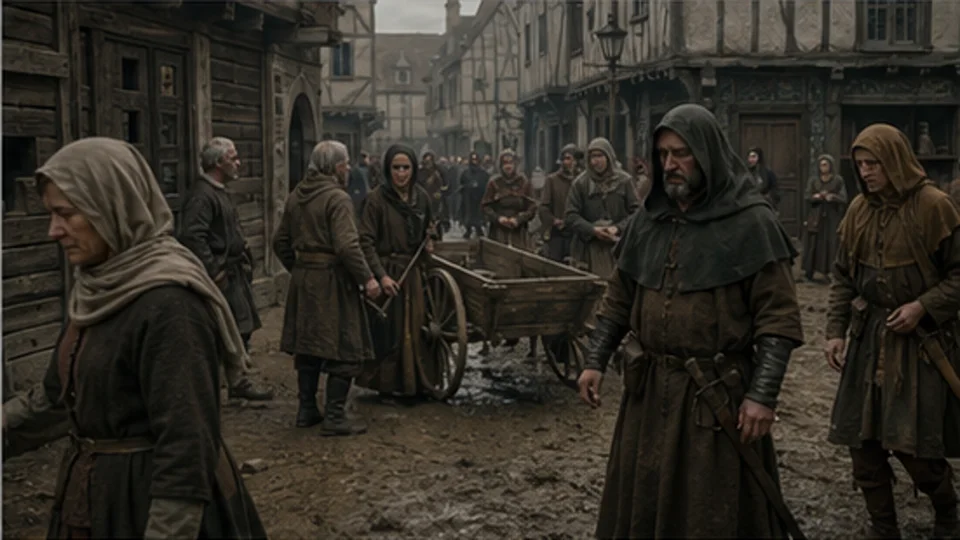
1347–1353 · GlobalBlack Death

Plague moved through Eurasian and North African networks, killing an immense share of local populations.

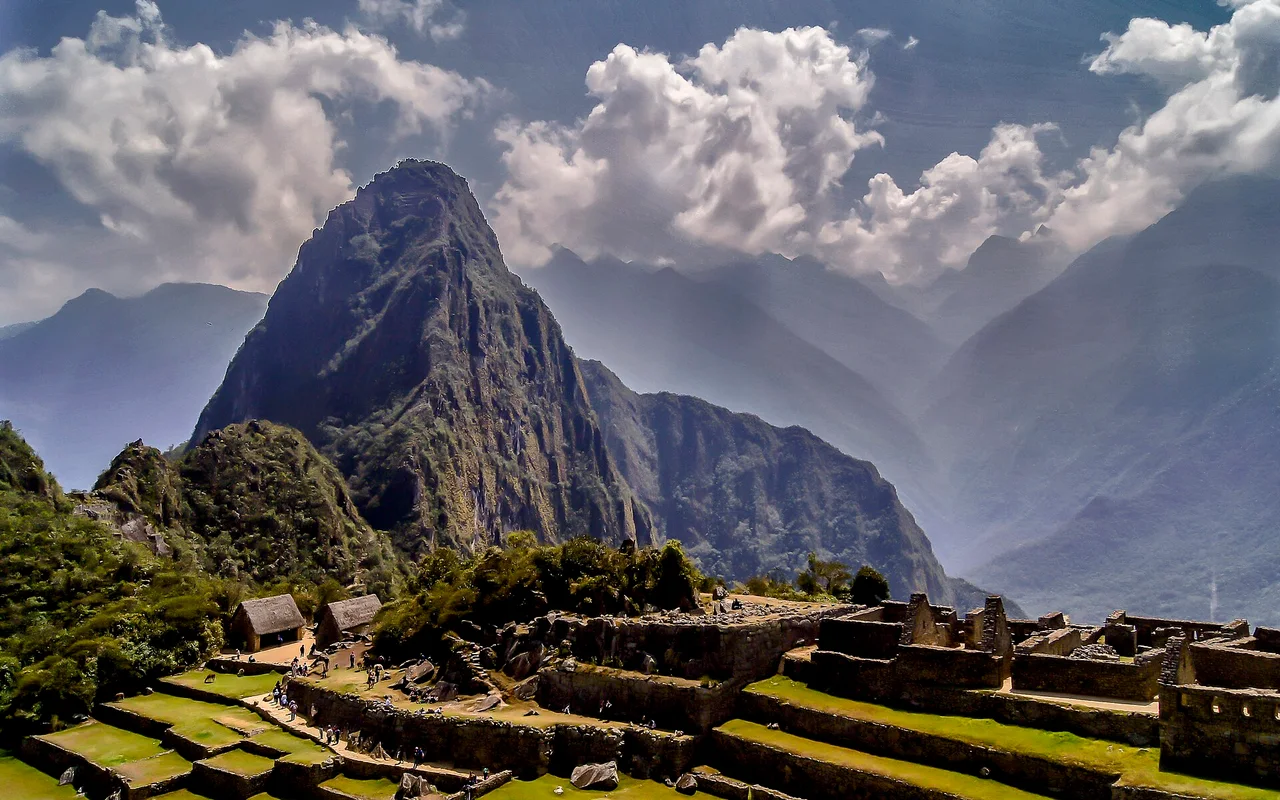
1325–1532 · AmericasMexica and Inca worlds before conquest

The Mexica and Inca built far-reaching political worlds with sophisticated agriculture, engineering, tribute systems, trade, religious life and knowledge traditions before Spanish invasions ruptured them in the sixteenth century.