ATLAS / ANCIENT—PRESENT
All historyHow Atlas is sourced← Back to Atlas
Back to Atlas timeline
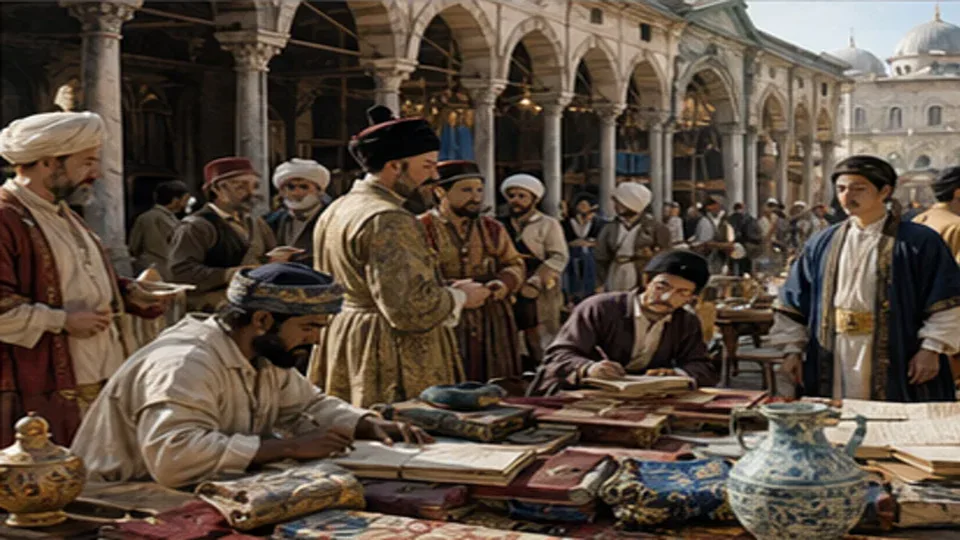
Ottoman Empire — original Atlas editorial reconstruction

c. 1299–1922 CE · changing imperial rule · Middle East · Empire

Ottoman Empire

An Anatolian principality became a multilingual empire spanning Southeast Europe, North Africa and the Middle East, governing vital cities and trade corridors for centuries.

Atlas dossier · Early Modern World

Free device narration · synchronized English captions · transcript available

Why it matters

Ottoman institutions shaped unequal relationships among religious communities, diplomacy and commerce; later wars and settlements reshaped the territories of the empire.

Date
c. 1299–1922 CE · changing imperial rule
Historical setting
Early Modern World · Middle East
People & communities
Ottoman dynasts · Janissaries · scholars · merchants · Christian, Jewish and Muslim communities
A frontier state became an imperial network

The starting date c. 1299 is conventional: Ottoman power developed gradually among the principalities of Anatolia. The capture of Constantinople in 1453 and conquest of the Mamluk realm in 1517 belong to different phases. Neither the territory nor the balance of power remained fixed across six centuries.

The Met: The Art of the Ottomans before 1600

Follow goods as well as armies

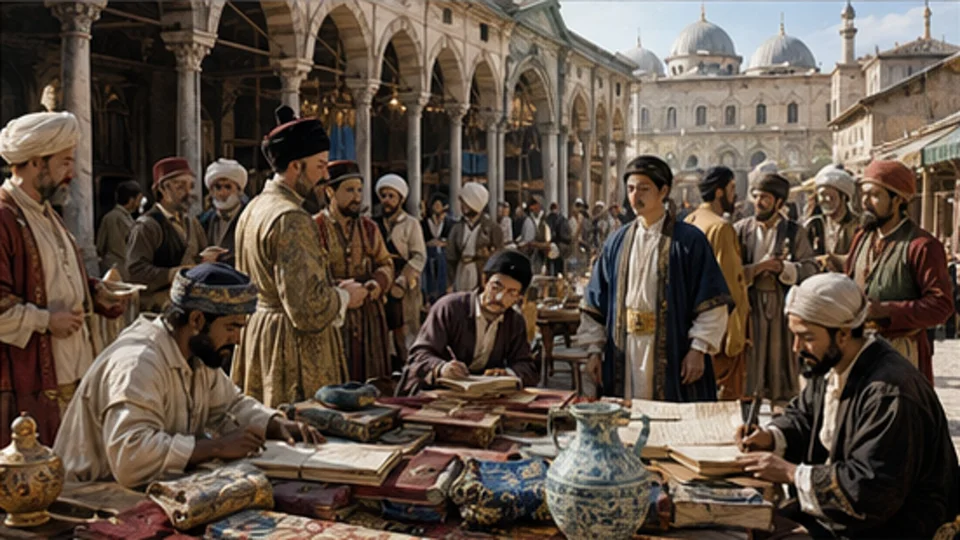
Provincial centres connected the empire through production and exchange. Bursa traded silk, Cairo handled coffee, textiles and spices, and Damascus provisioned pilgrimage caravans. These connections help explain daily economic life beyond the imperial court.

The Met: The Greater Ottoman Empire, 1600–1800

Illustrated sequence

Silent pan-and-zoom motion derivative of the Ottoman Empire reconstruction; not archival footage.

Ottoman Empire — original Atlas editorial reconstruction
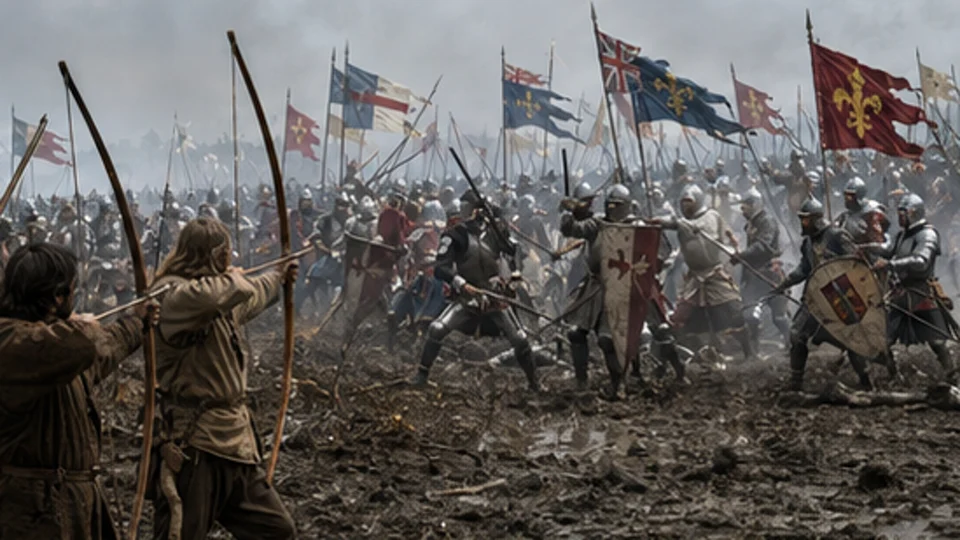
IMAGE 1

Original Atlas reconstruction

Primary Atlas editorial reconstruction for Ottoman Empire.

World History in Pictures · Public site artwork. This record does not grant third-party republication rights.

How Atlas classifies this artwork →
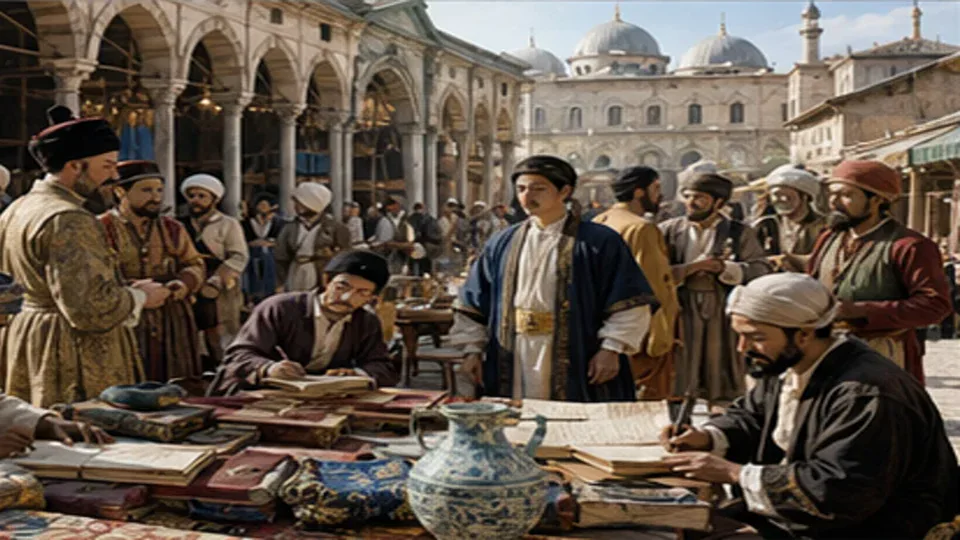
Ottoman Empire: people and action
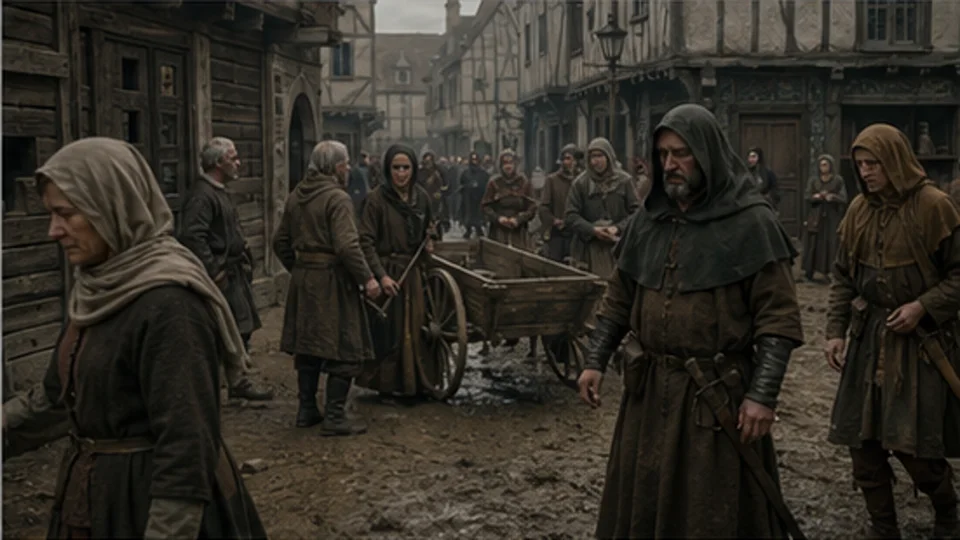
IMAGE 2

Detail crop — same artwork

Detail crop from the same Ottoman Empire reconstruction; not an independent historical record.

World History in Pictures · Same editorial artwork package

How Atlas classifies this artwork →
Ottoman Empire: setting and consequences
IMAGE 3

Context crop — same artwork

Context crop from the same Ottoman Empire reconstruction; not an independent historical record.

World History in Pictures · Same editorial artwork package

How Atlas classifies this artwork →

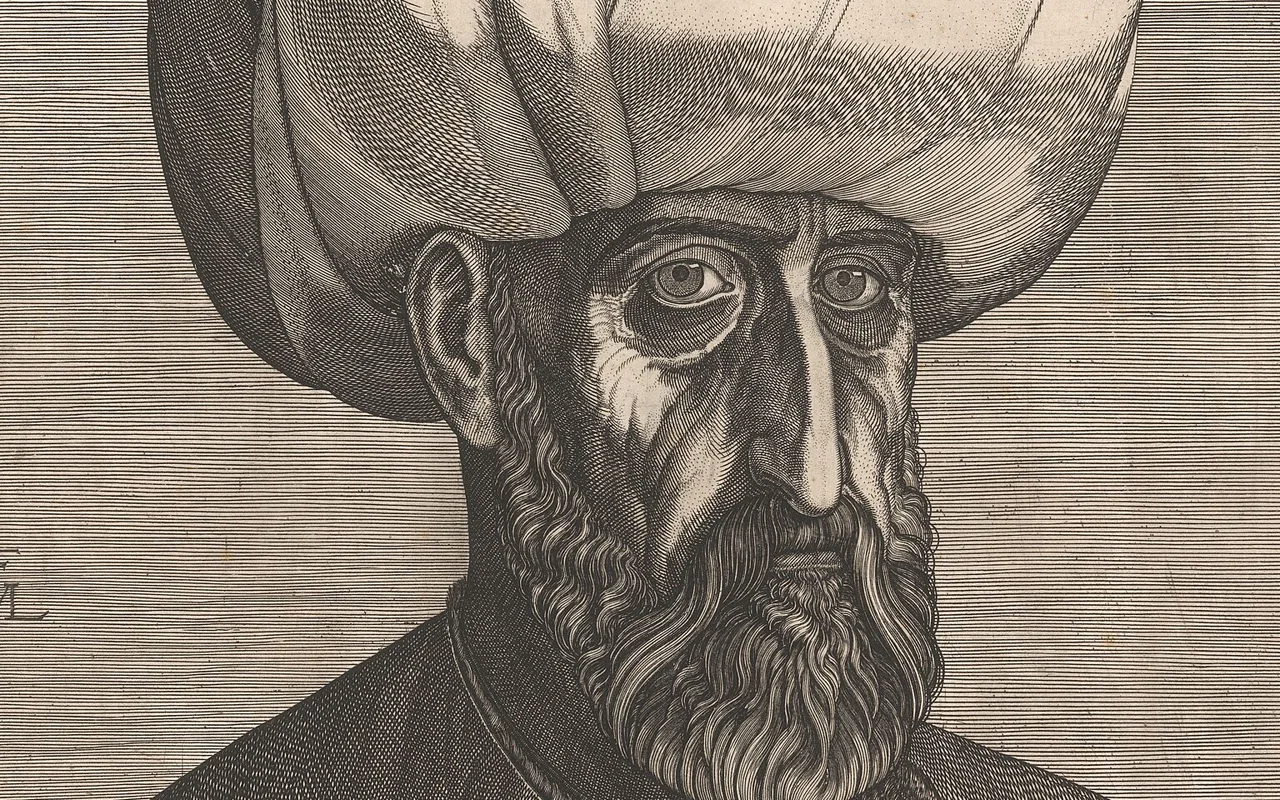
Supplemental archival visual

A contemporaneous or later historical record, clearly distinguished from the Atlas visual sequence.

Portrait of Sultan Suleyman I, 1562 is presented as a period visual interpretation or documentary record. It does not independently establish the dossier’s chronology; use the linked item page and source trail for its provenance and reuse terms.

Open the item page and rights record ↗Portrait of Sultan Suleyman I, 1562 — Melchior Lorck; Public Domain; via Statens Museum for Kunst, Copenhagen
Archival visual record: Portrait of Sultan Suleyman I, 1562
Portrait of Sultan Suleyman I, 1562 · Public Domain

Interpretation note

Evidence, memory and historical debate

This dossier distinguishes the event’s basic chronology from later arguments about meaning, responsibility and legacy. When comparing religious, national, Indigenous or scholarly interpretations, consult the primary and institutional sources above alongside peer-reviewed historical work.

Elsewhere in the world

Parallel histories near this moment

c. 1300–1600 CE · regional survey · EuropeRenaissance and humanism

Artists, scholars and patrons revisited classical learning while experimenting with perspective, anatomy, philology and new forms of civic culture.

1325–1532 CE · paired survey; endpoints are milestones · AmericasMexica and Inca worlds before conquest

The Mexica and Inca built far-reaching political worlds with sophisticated agriculture, engineering, tribute systems, trade, religious life and knowledge traditions before Spanish invasions ruptured them in the sixteenth century.

1337–1453 CE · EuropeHundred Years’ War

English and French dynasties contested territory and sovereignty through long cycles of war, truce and civil conflict.