ATLAS / ANCIENT—PRESENT
All historyHow Atlas is sourced← Back to Atlas
Back to Atlas timeline
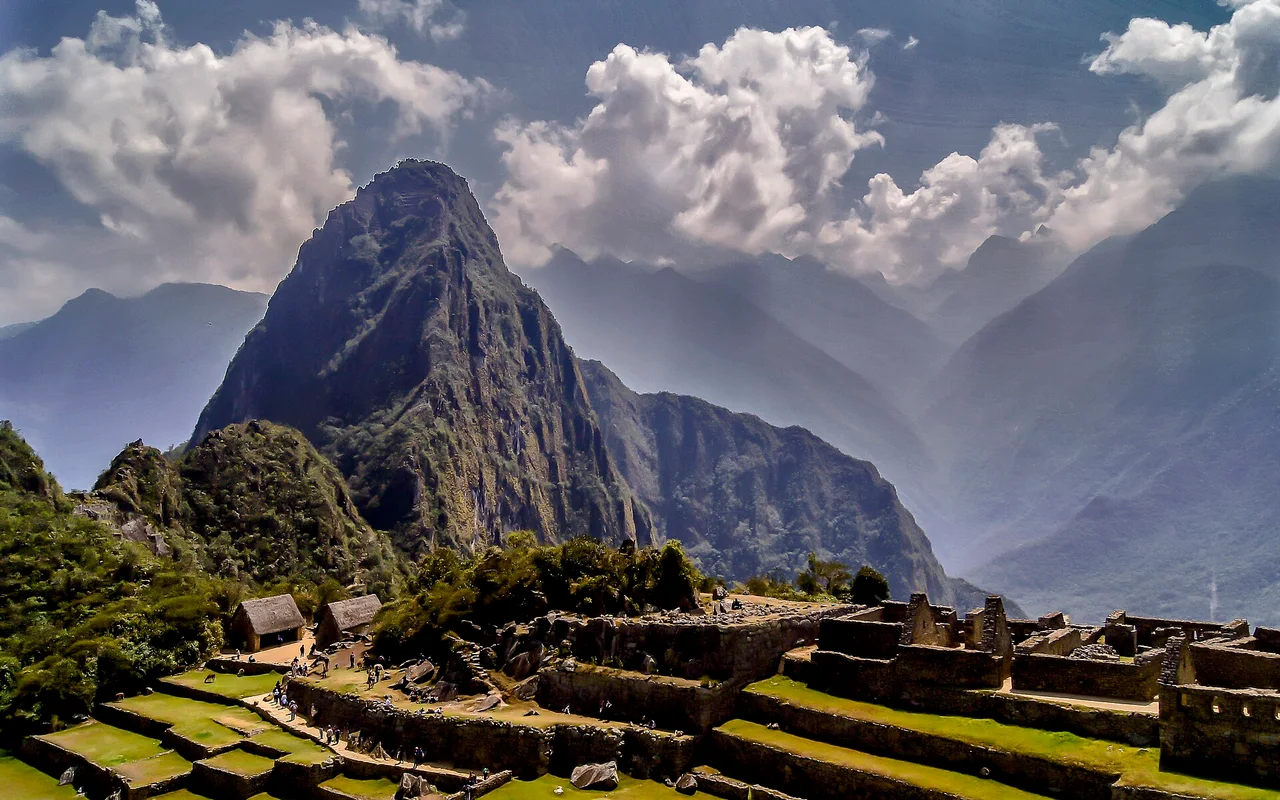
Machu Picchu 024.jpg

1325–1532 CE · paired survey; endpoints are milestones · Americas · Empire

Mexica and Inca worlds before conquest

The Mexica and Inca built far-reaching political worlds with sophisticated agriculture, engineering, tribute systems, trade, religious life and knowledge traditions before Spanish invasions ruptured them in the sixteenth century.

Atlas dossier · Medieval World

Free device narration · synchronized English captions · transcript available

Why it matters

A world history should present Indigenous American societies as historical actors in their own right, not only through the story of European conquest.

Date
1325–1532 CE · paired survey; endpoints are milestones
Historical setting
Medieval World · Americas
People & communities
Mexica communities · Inca communities · farmers · engineers · diplomats · neighbouring nations
Two polities, two chronologies

The paired 1325–1532 frame uses conventional milestones rather than claiming that both empires began and ended together. Tenochtitlan grew from an island settlement into a large capital; the later Mexica tributary empire still contained autonomous and resistant neighbours.

The Met: Tenochtitlan ↗

An Andean network with deeper foundations

The Qhapaq Ñan expanded most fully with Tawantinsuyu in the fifteenth century, but it incorporated infrastructure and knowledge developed by earlier Andean communities. Roads linked communication, production, worship, storage and defence; they are evidence of both coordination and imperial power.

UNESCO World Heritage Centre: Qhapaq Ñan ↗

Conquest was not disappearance

The 1532 endpoint marks the seizure of Atahualpa and the opening of a prolonged conquest, not the instant end of Andean or Mesoamerican peoples. Indigenous communities, languages and historical memory continued through colonial violence and remain living histories.

The Met: Central and Southern Andes, 1400–1600 ↗

Illustrated sequence

A visual presentation accompanying this entry. Read each image’s attribution to distinguish archival records, later depictions and reconstructions.

Machu Picchu 024.jpgEnlarge and examine the picture

Examine the picture

IMAGE 1

Visual record

Machu Picchu, photographed in 2012. This image illustrates the Inca setting within the paired study; it does not depict a Mexica site.

Machu Picchu 024.jpg — Rodolfo pimentel; CC BY-SA 4.0; via Wikimedia Commons repository. Resized, cropped and converted to WebP for Atlas display.

Source and reuse terms ↗ · Read the licence ↗

Interpretation note

Evidence, memory and historical debate

This dossier distinguishes the event’s basic chronology from later arguments about meaning, responsibility and legacy. When comparing religious, national, Indigenous or scholarly interpretations, consult the primary and institutional sources above alongside peer-reviewed historical work.

Elsewhere in the world

Parallel histories near this moment

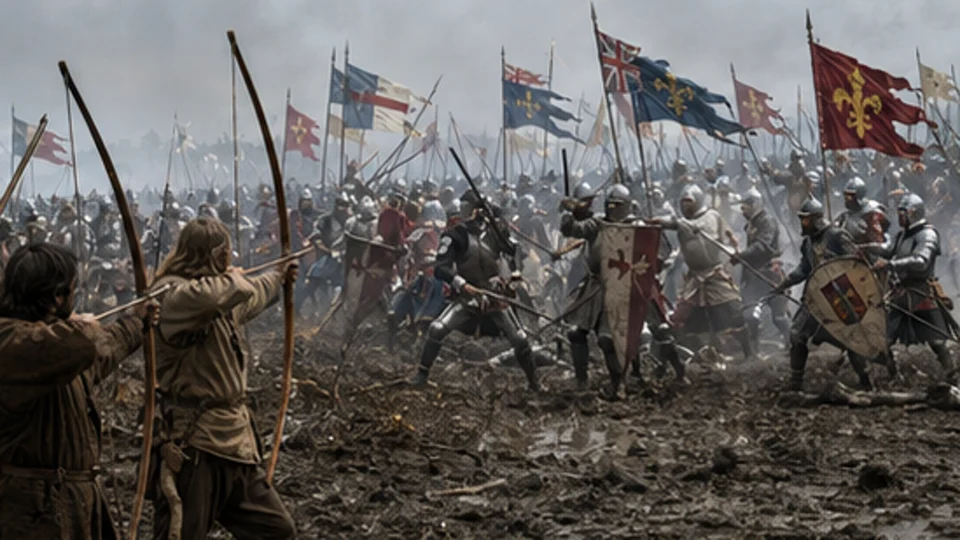
1337–1453 CE · EuropeHundred Years’ War

English and French dynasties contested territory and sovereignty through long cycles of war, truce and civil conflict.

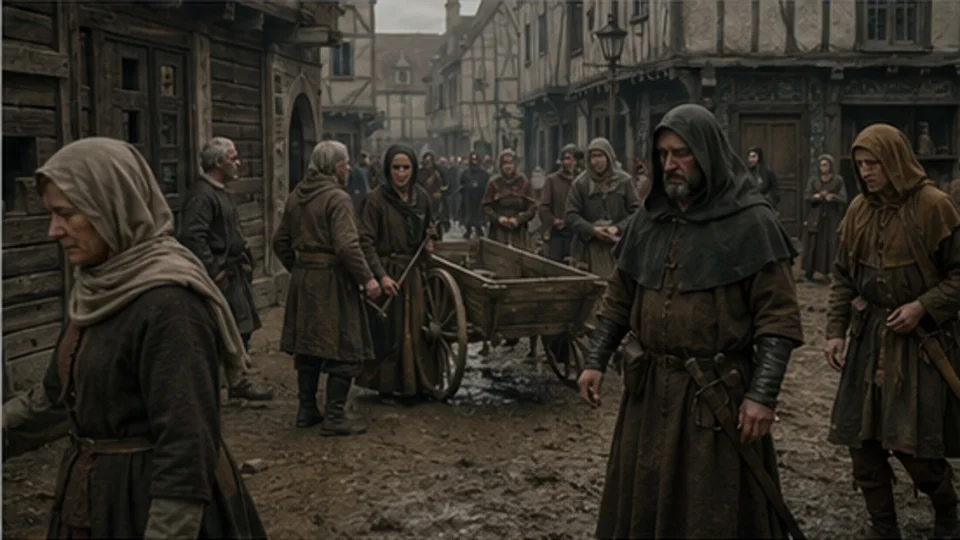
1347–1353 CE · GlobalBlack Death

Plague moved through Eurasian and North African networks, killing an immense share of local populations.

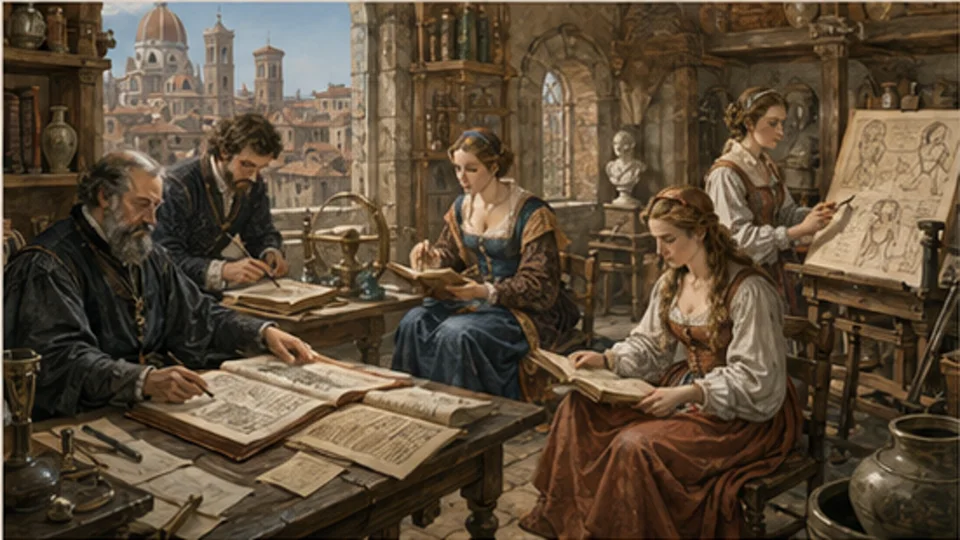
c. 1300–1600 CE · regional survey · EuropeRenaissance and humanism

Artists, scholars and patrons revisited classical learning while experimenting with perspective, anatomy, philology and new forms of civic culture.