Why it matters
The wars linked vernacular reform, national politics and military innovation a century before Luther.
- Date
- 1419–1434
- Historical setting
- Reformation Era · Europe
- People & communities
- Jan Hus · Jan Žižka · Sigismund
1419–1434 · Europe · Faith
Bohemian followers of Jan Hus defeated repeated crusading armies of the Holy Roman imperial and papal coalition.
Atlas dossier · Reformation EraFree device narration · synchronized English captions · transcript available
Why it matters
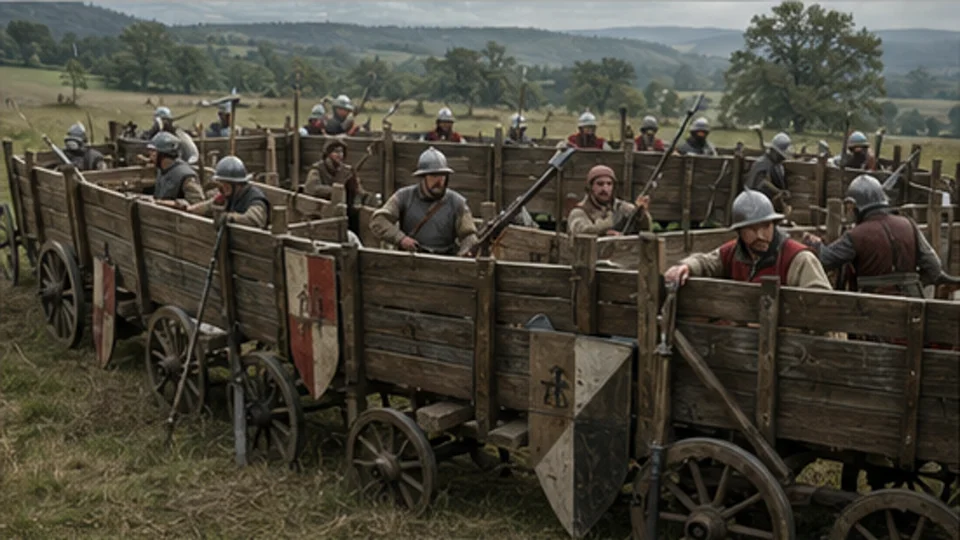
Bohemian followers of Jan Hus defeated repeated crusading armies of the Holy Roman imperial and papal coalition.
Jan Hus · Jan Žižka · Sigismund
The wars linked vernacular reform, national politics and military innovation a century before Luther.
Interpretation note
This dossier distinguishes the event’s basic chronology from later arguments about meaning, responsibility and legacy. When comparing religious, national, Indigenous or scholarly interpretations, consult the primary and institutional sources above alongside peer-reviewed historical work.
Elsewhere in the world
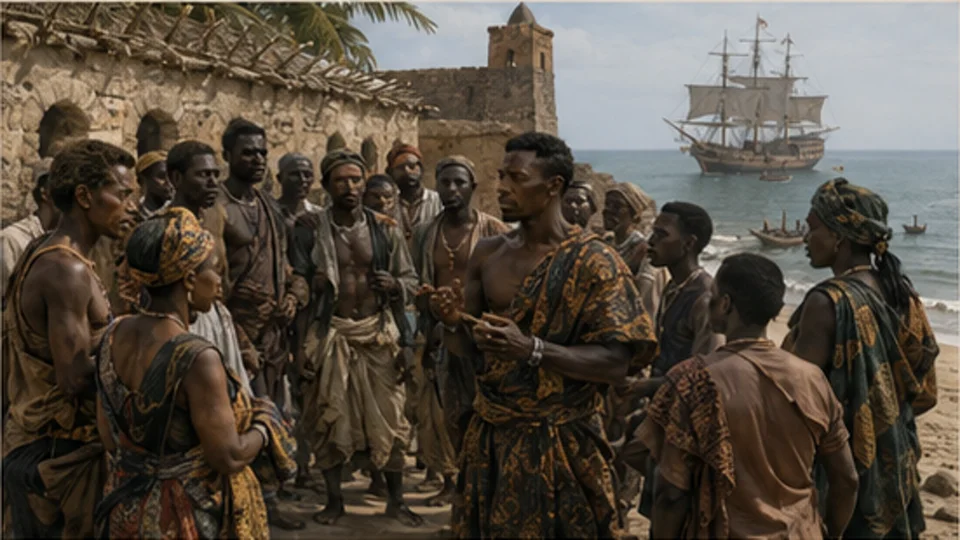 1450–1900 · GlobalAtlantic slave trade and resistance
European and American traders forcibly transported millions of Africans across the Atlantic into systems of plantation slavery; African and diasporic resistance never ceased.
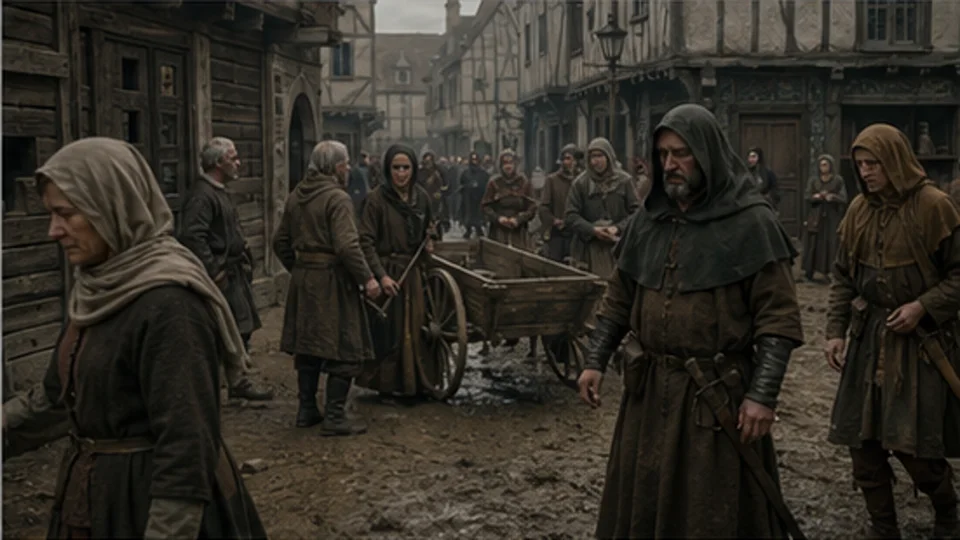 1347–1353 · GlobalBlack Death
Plague moved through Eurasian and North African networks, killing an immense share of local populations.
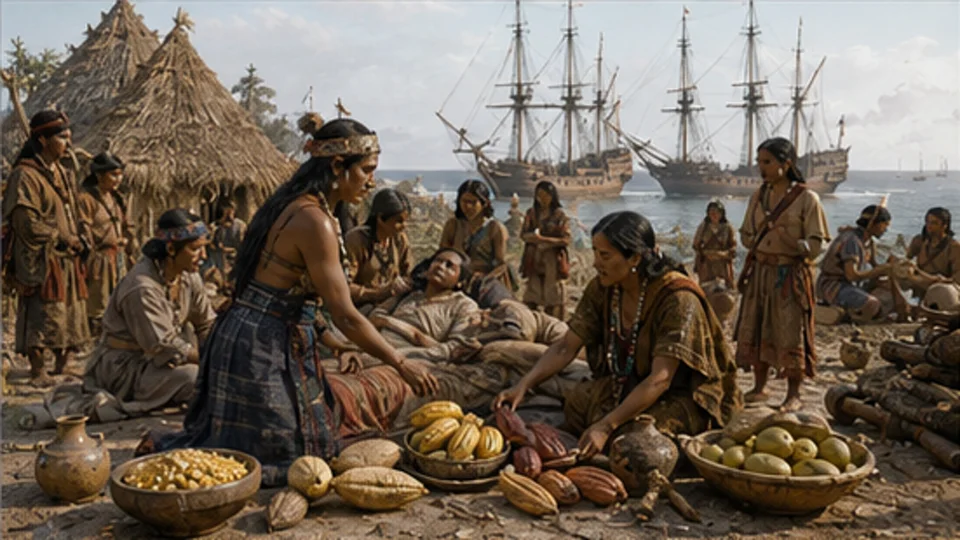 1492–1700 · GlobalColumbian Exchange and Indigenous catastrophe
Atlantic crossings moved crops, animals, pathogens and people between hemispheres while conquest, disease and forced labour devastated Indigenous societies.