Why it matters
Print accelerated education, administration, scientific exchange, polemic and Reformation debate.
- Date
- 1450
- Historical setting
- Renaissance & Reformation · Europe
- People & communities
- Johannes Gutenberg · printers · readers
1450 · Europe · Technology
Movable metal type and press production enabled books and pamphlets to circulate at unprecedented scale.
Atlas dossier · Renaissance & ReformationFree device narration · synchronized English captions · transcript available
Why it matters
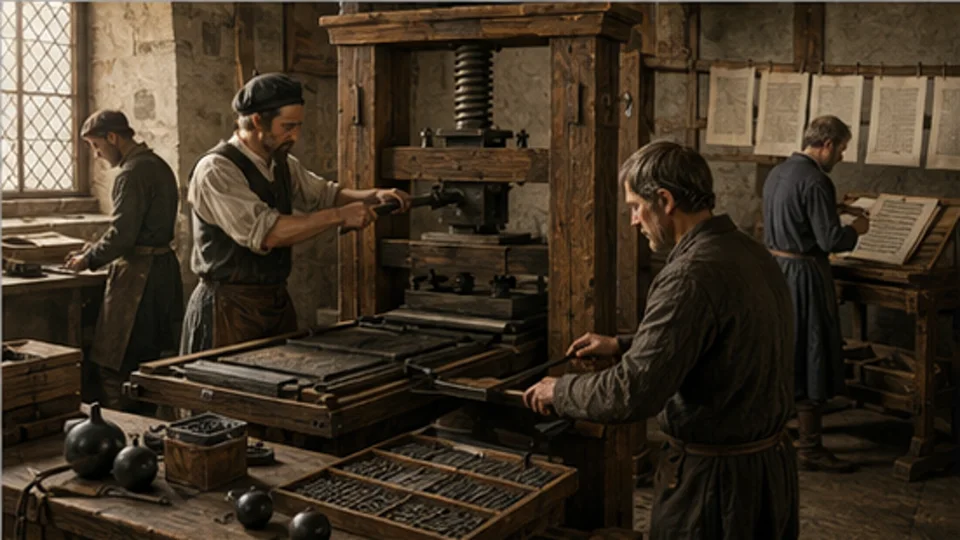
Movable metal type and press production enabled books and pamphlets to circulate at unprecedented scale.
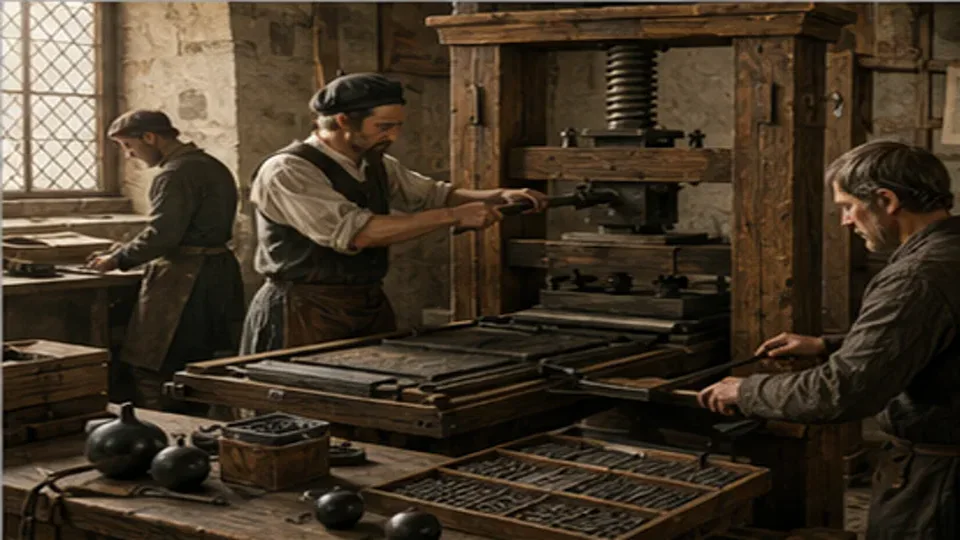
Johannes Gutenberg · printers · readers
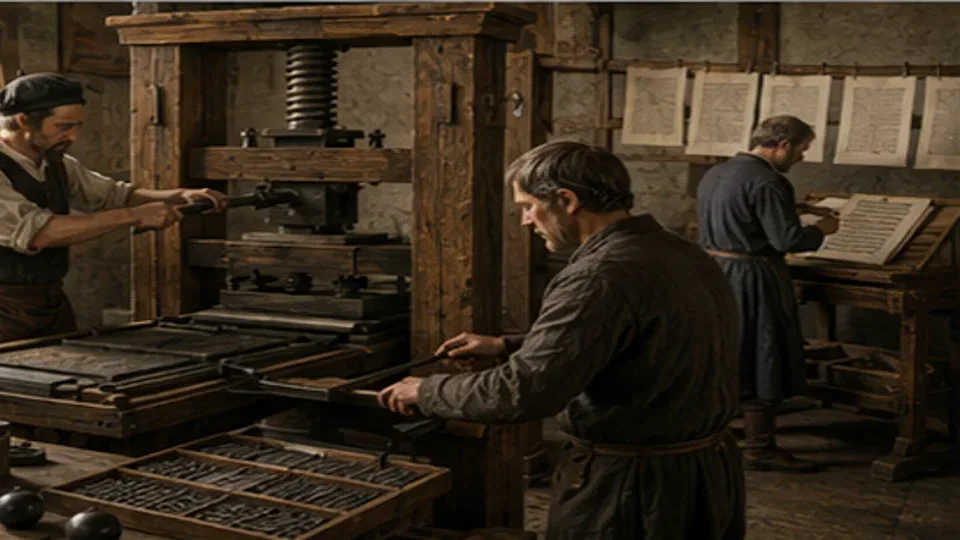
Print accelerated education, administration, scientific exchange, polemic and Reformation debate.
Interpretation note
This dossier distinguishes the event’s basic chronology from later arguments about meaning, responsibility and legacy. When comparing religious, national, Indigenous or scholarly interpretations, consult the primary and institutional sources above alongside peer-reviewed historical work.
Elsewhere in the world
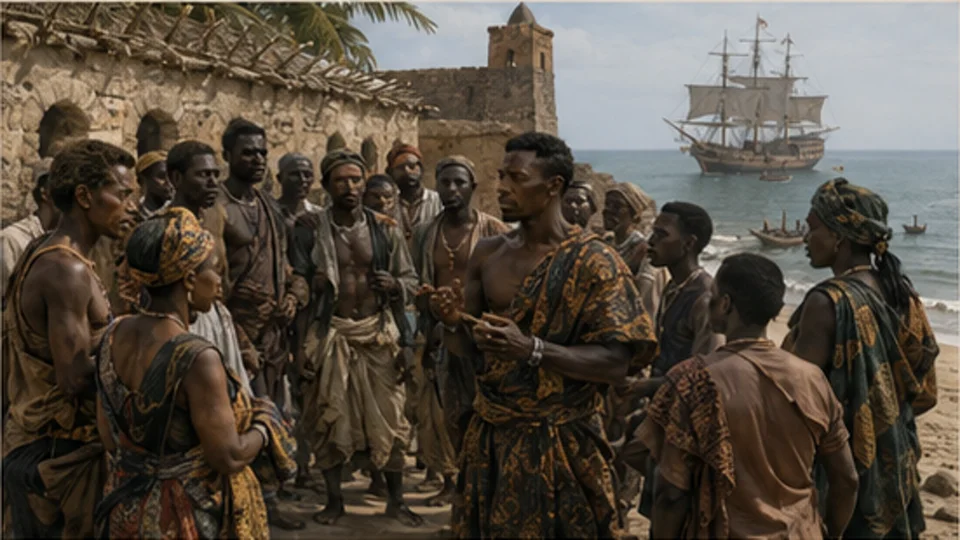 1450–1900 · GlobalAtlantic slave trade and resistance
European and American traders forcibly transported millions of Africans across the Atlantic into systems of plantation slavery; African and diasporic resistance never ceased.
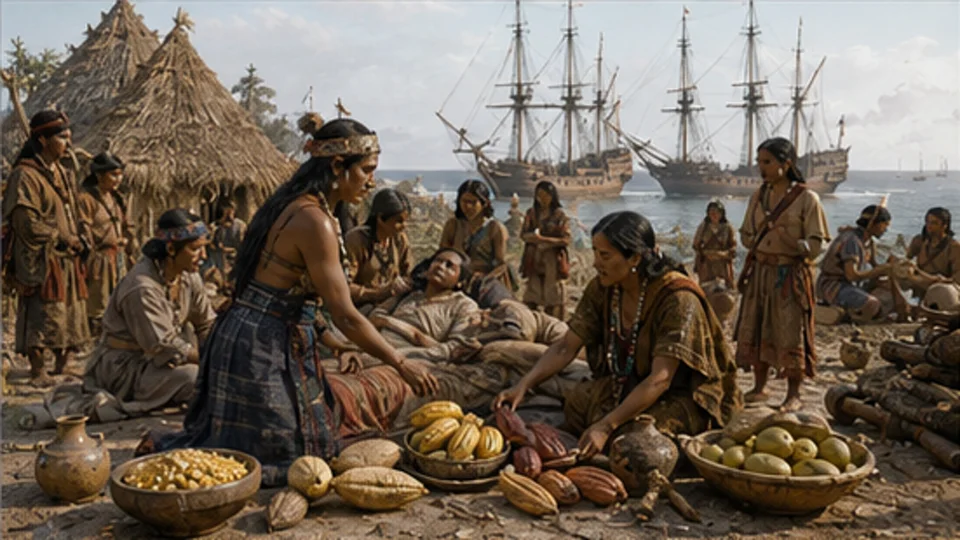 1492–1700 · GlobalColumbian Exchange and Indigenous catastrophe
Atlantic crossings moved crops, animals, pathogens and people between hemispheres while conquest, disease and forced labour devastated Indigenous societies.
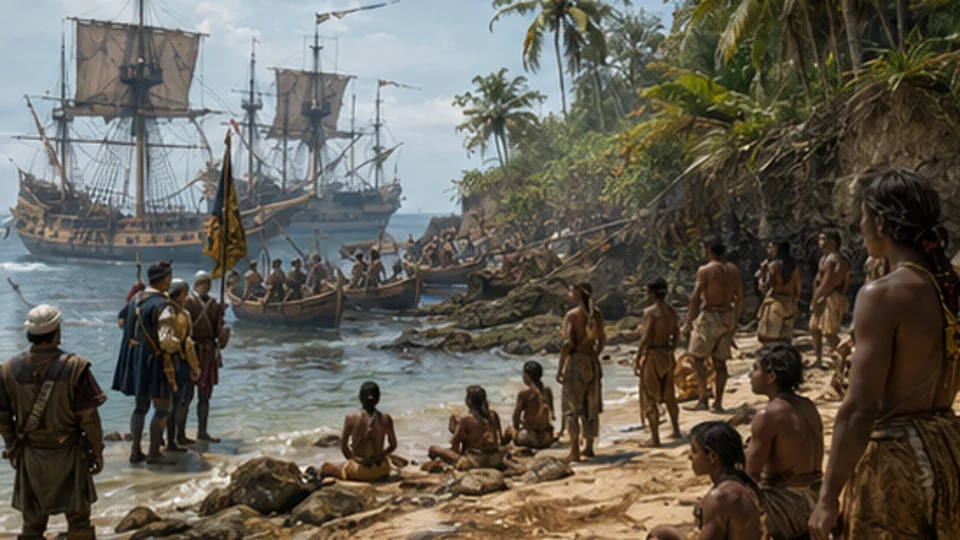 1492–1770 · AmericasEuropean voyages and conquest in the Americas
Atlantic voyages connected Europe, Africa and the Americas permanently, followed by Iberian and later European conquest, settlement, missionary activity and resource extraction.