ATLAS / 1000 BC—PRESENT
How Atlas is sourced← Back to Atlas
Back to Atlas timeline

1453 · Europe · War

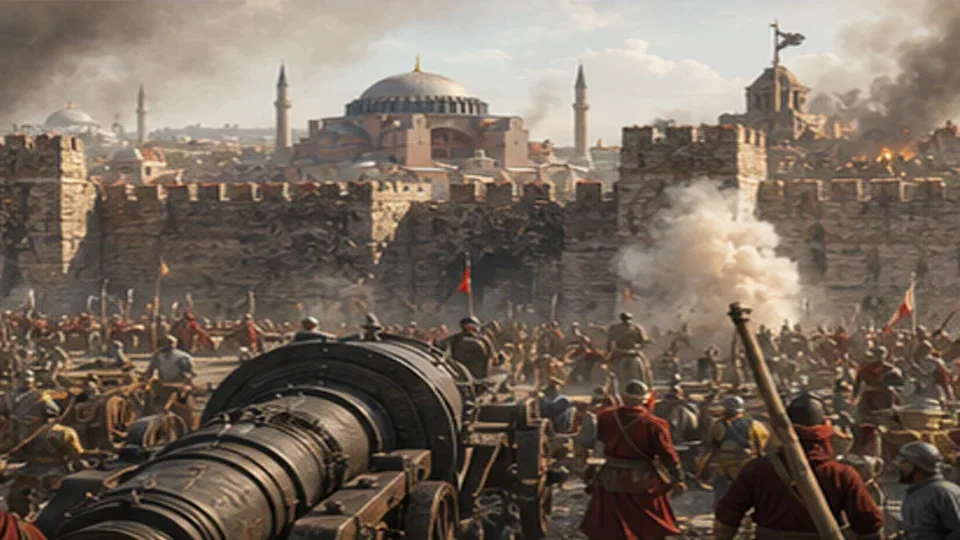
Fall of Constantinople and the Byzantine Empire

Mehmed II’s Ottoman forces captured Constantinople after a major siege, ending the Byzantine state and making the city an imperial capital.

Atlas dossier · Renaissance & Reformation

Free device narration · synchronized English captions · transcript available

Why it matters

The conquest shifted eastern Mediterranean power, transformed the city and became a defining memory in Christian and Muslim histories.

Date
1453
Historical setting
Renaissance & Reformation · Europe
People & communities
Mehmed II · Constantine XI · Ottoman soldiers · Byzantine and Genoese defenders · civilians
01

Event

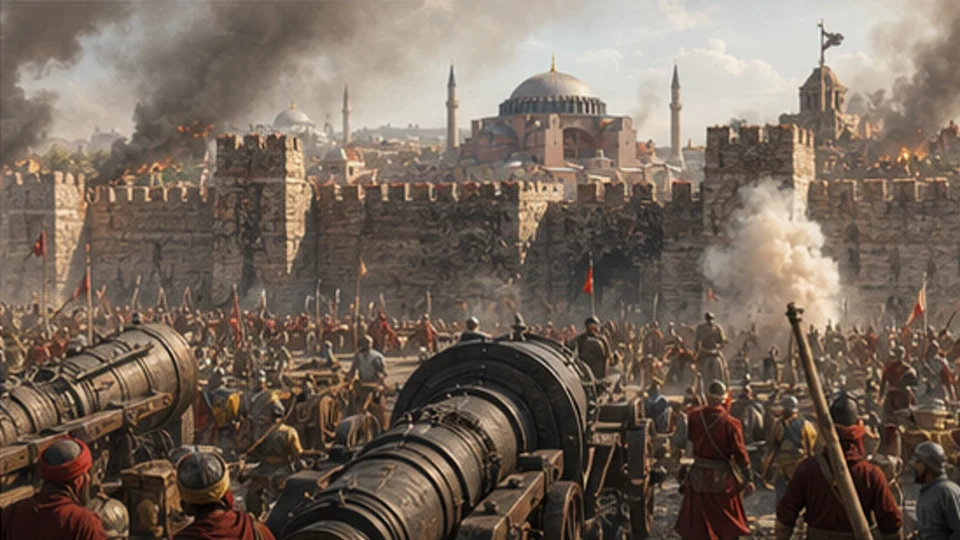
Mehmed II’s Ottoman forces captured Constantinople after a major siege, ending the Byzantine state and making the city an imperial capital.

02

People

Mehmed II · Constantine XI · Ottoman soldiers · Byzantine and Genoese defenders · civilians
03

Consequences

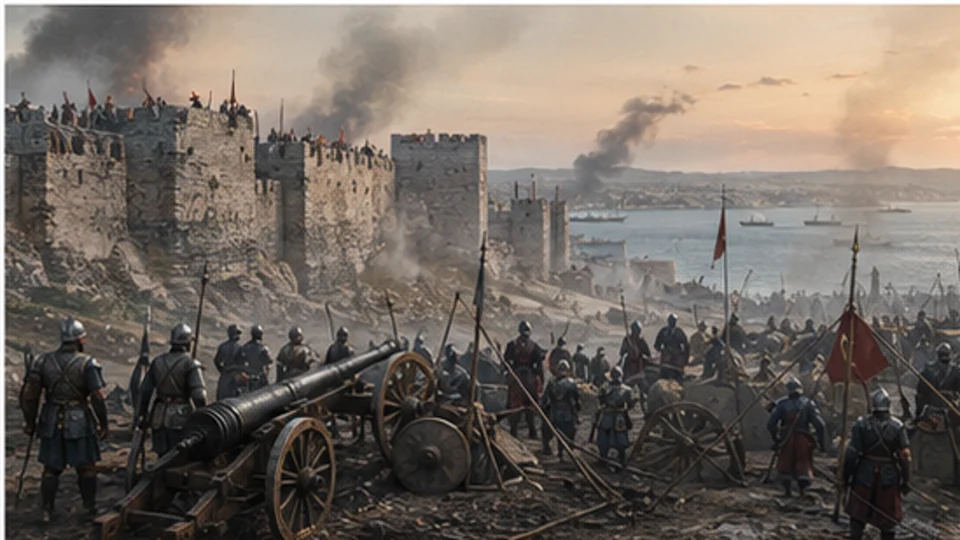
The conquest shifted eastern Mediterranean power, transformed the city and became a defining memory in Christian and Muslim histories.

Supplemental archival visual

A contemporaneous or later historical record, clearly distinguished from the Atlas visual sequence.

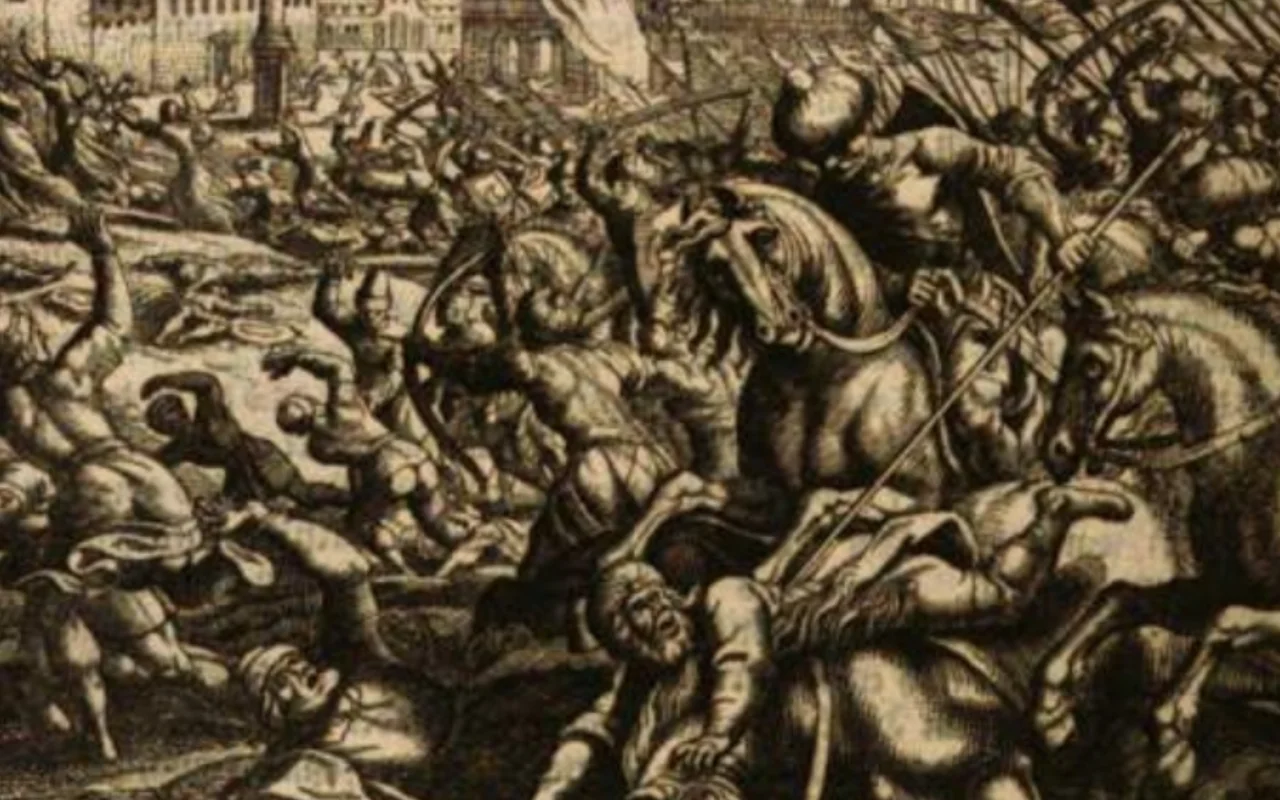
The Fall of Constantinople, 1631 is presented as a period visual interpretation or documentary record. It does not independently establish the dossier’s chronology; use the linked item page and source trail for its provenance and reuse terms.

Open the item page and rights record ↗The Fall of Constantinople, 1631 — Matthäus Merian; Public Domain; via Bavarian State Library digital collections
Archival visual record: The Fall of Constantinople, 1631
The Fall of Constantinople, 1631 · Public Domain

Interpretation note

Evidence, memory and historical debate

This dossier distinguishes the event’s basic chronology from later arguments about meaning, responsibility and legacy. When comparing religious, national, Indigenous or scholarly interpretations, consult the primary and institutional sources above alongside peer-reviewed historical work.

Elsewhere in the world

Parallel histories near this moment

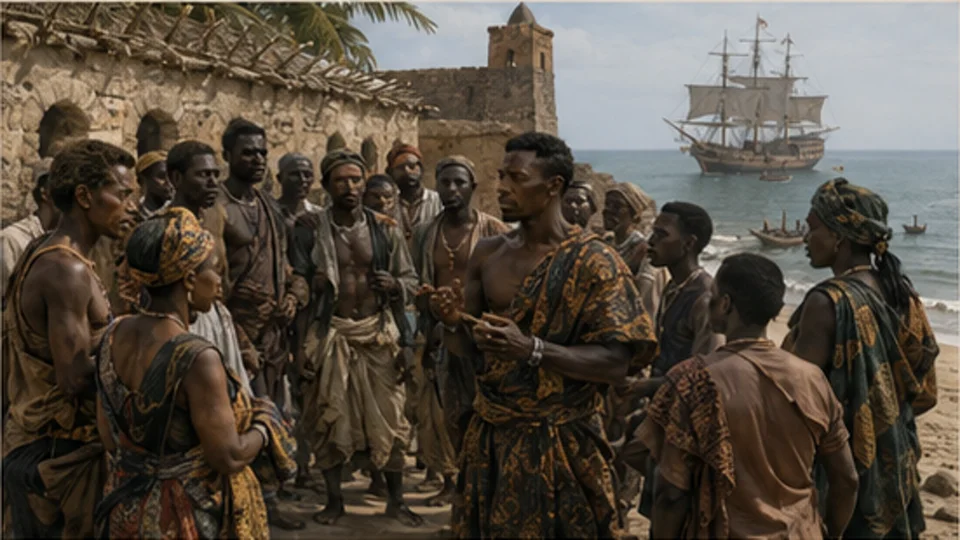
1450–1900 · GlobalAtlantic slave trade and resistance

European and American traders forcibly transported millions of Africans across the Atlantic into systems of plantation slavery; African and diasporic resistance never ceased.

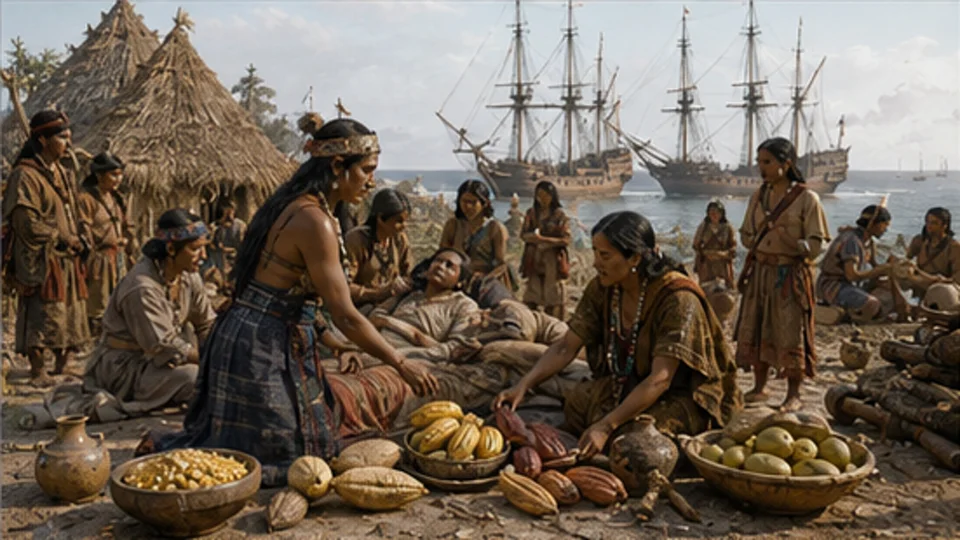
1492–1700 · GlobalColumbian Exchange and Indigenous catastrophe

Atlantic crossings moved crops, animals, pathogens and people between hemispheres while conquest, disease and forced labour devastated Indigenous societies.

1492–1770 · AmericasEuropean voyages and conquest in the Americas

Atlantic voyages connected Europe, Africa and the Americas permanently, followed by Iberian and later European conquest, settlement, missionary activity and resource extraction.