ATLAS / 1000 BC—PRESENT
How Atlas is sourced← Back to Atlas
Back to Atlas timeline

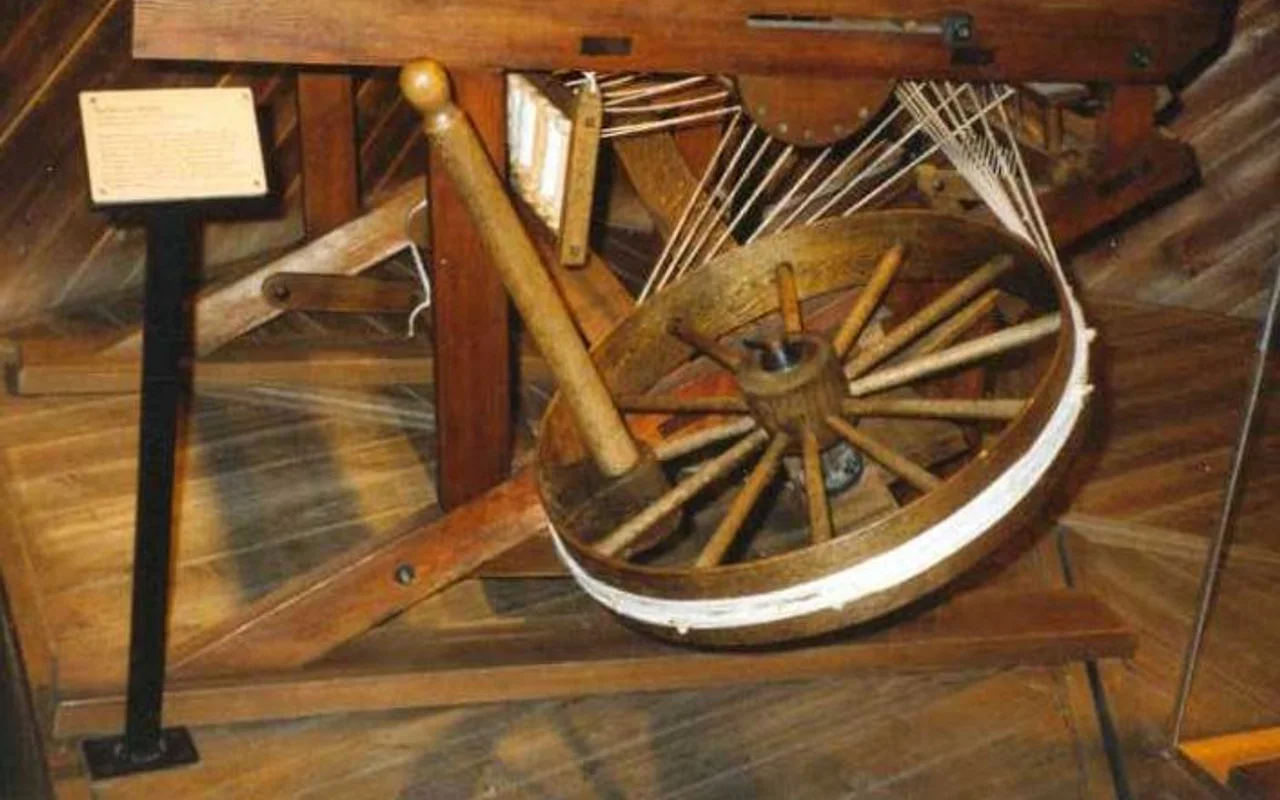
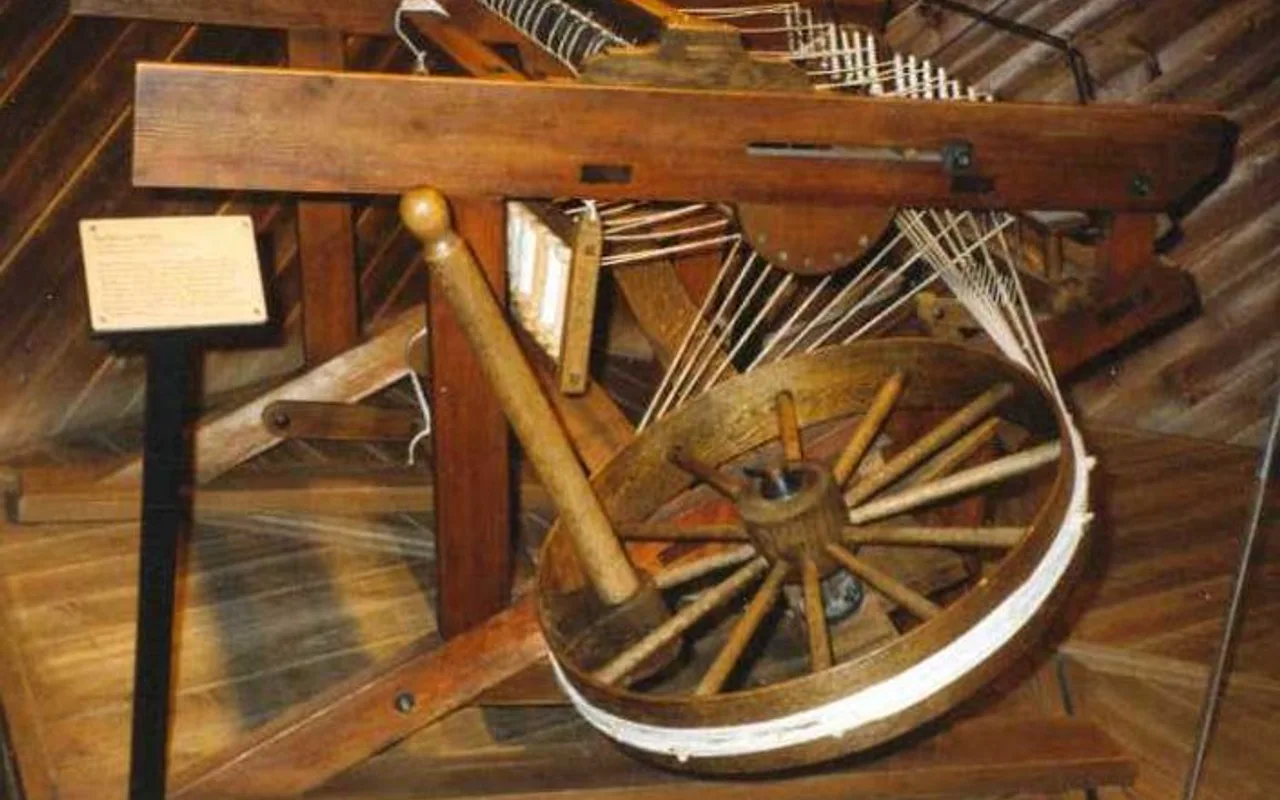
1764–1850 · Europe · Technology

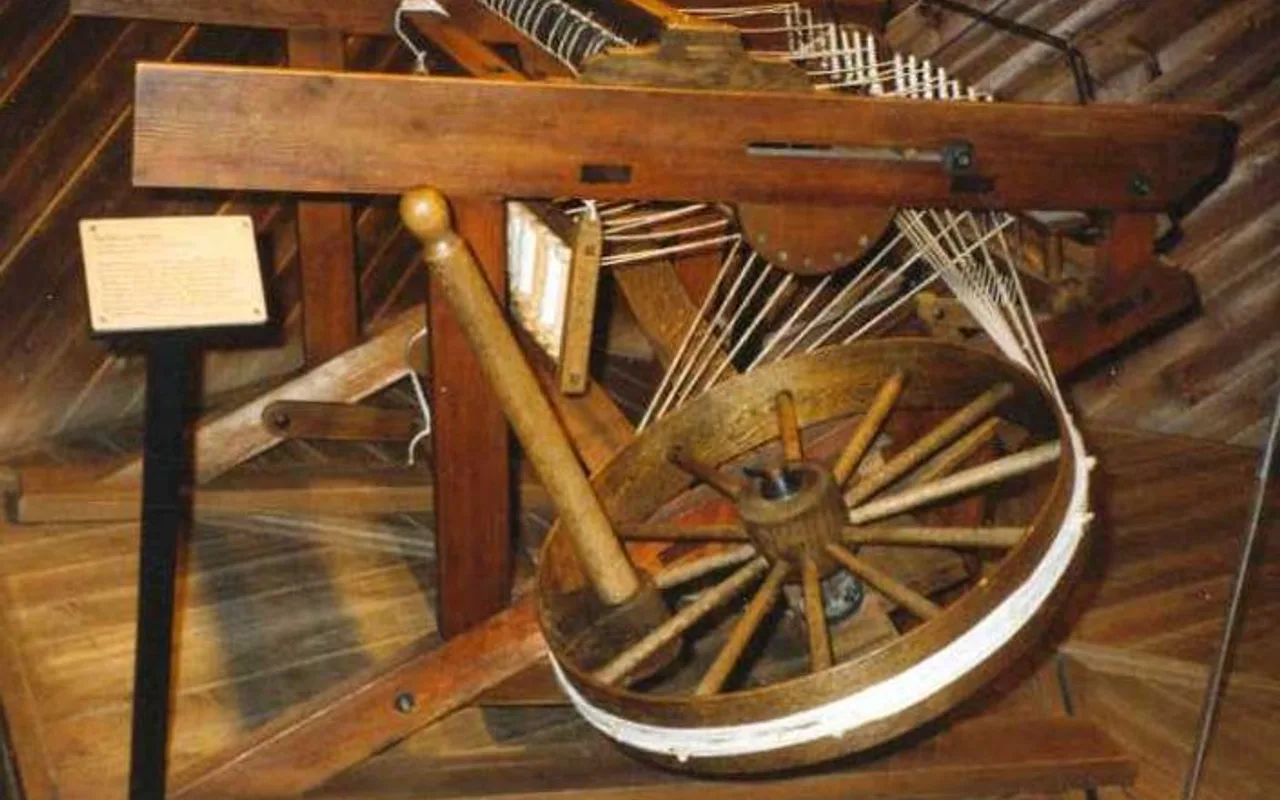
Mechanized textiles, machine tools and factory production

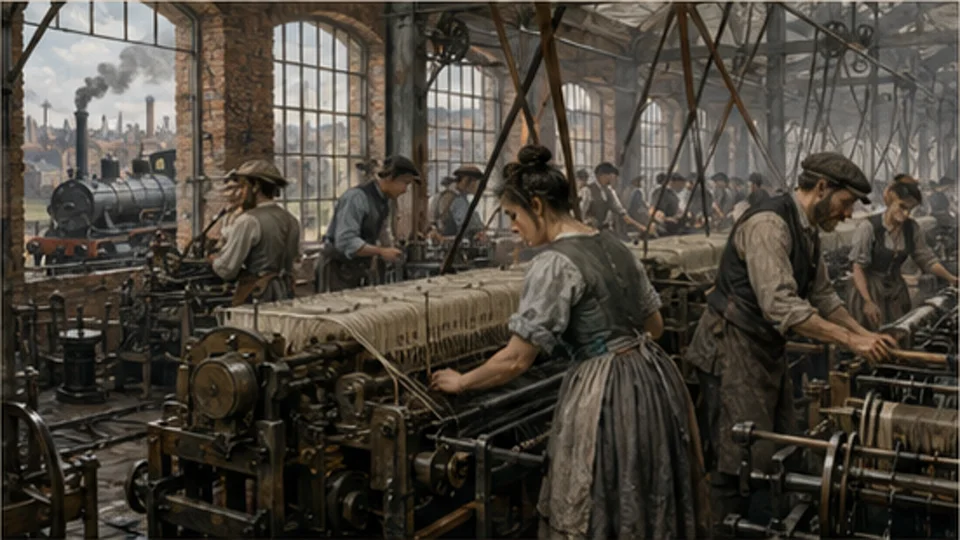
Spinning, weaving, precision metalworking and powered machinery shifted production from dispersed workshops toward factories organized around capital, energy and wage labor.

Atlas dossier · Enlightenment & Revolutions

Free device narration · synchronized English captions · transcript available

Why it matters

Mechanization increased output and lowered some costs while transforming work, childhood, cities, labor politics and imperial demand for raw materials.

Date
1764–1850
Historical setting
Enlightenment & Revolutions · Europe
People & communities
Textile workers · inventors · machinists · women and children in mills · trade unions
01

Event

Spinning, weaving, precision metalworking and powered machinery shifted production from dispersed workshops toward factories organized around capital, energy and wage labor.

02

People

Textile workers · inventors · machinists · women and children in mills · trade unions
03

Consequences

Mechanization increased output and lowered some costs while transforming work, childhood, cities, labor politics and imperial demand for raw materials.

Interpretation note

Evidence, memory and historical debate

This dossier distinguishes the event’s basic chronology from later arguments about meaning, responsibility and legacy. When comparing religious, national, Indigenous or scholarly interpretations, consult the primary and institutional sources above alongside peer-reviewed historical work.

Elsewhere in the world

Parallel histories near this moment

1760–1914 · GlobalIndustrial Revolution

Mechanized production, fossil energy, factories, railways and steamships transformed work, cities and global trade, first in Britain and then unevenly worldwide.

1756–1763 · GlobalSeven Years’ War

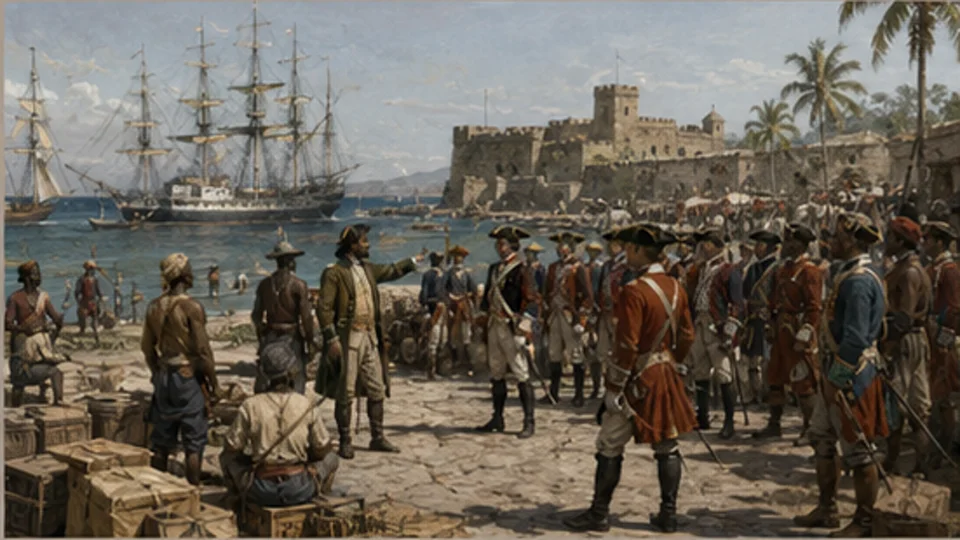
Fighting across Europe, the Americas, West Africa and Asia became a prototype of global war.

1772–1888 · GlobalAbolition of Atlantic slave systems

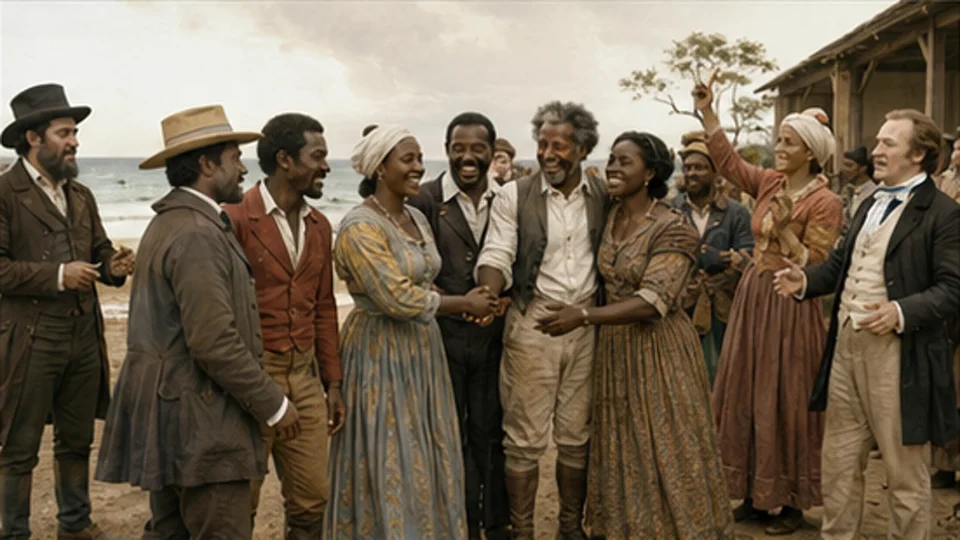
Enslaved people, maroon communities, writers, religious organizers and political movements forced successive restrictions and abolitions across the Atlantic world.