ATLAS / ANCIENT—PRESENT
All historyHow Atlas is sourced← Back to Atlas
Back to Atlas timeline
Industrial Revolution — original Atlas editorial reconstruction

c. 1760–1914 CE · uneven global survey · Global · Technology

Industrial Revolution

Mechanized production, fossil energy, factories, railways and steamships transformed work, cities and global trade, first in Britain and then unevenly worldwide.

Atlas dossier · Industrial & Imperial Age

Free device narration · synchronized English captions · transcript available

Why it matters

Industrialization multiplied wealth and mobility while intensifying exploitation, empire, pollution and class conflict.

Date
c. 1760–1914 CE · uneven global survey
Historical setting
Industrial & Imperial Age · Global
People & communities
Workers · inventors · industrialists · enslaved and colonized producers
An uneven global survey

The c. 1760–1914 frame is a teaching convention, not a single worldwide timetable. Mechanised industry developed first in particular British regions and then spread unevenly through adaptation, competition, state policy and empire. Agriculture, workshops and hand production continued alongside factories.

Science Museum: Energy Hall

Steam before the railway

Stationary engines powered industrial work before steam locomotives became its most familiar symbol. Looking at engines in mines, workshops and factories shows how energy was put to work. Watt improved an existing technology; he did not invent steam power by himself.

Science Museum: James Watt and industrial power

Follow labour, materials and consequences

A machine demonstrates how energy becomes motion; it does not by itself explain labour conditions, capital, cotton supply, colonial extraction or environmental costs. Britain’s factory laws reveal conflict over hours, child labour and enforcement, while the global endpoint does not imply industrialisation was complete in 1914.

UK Parliament: early factory legislation

Illustrated sequence

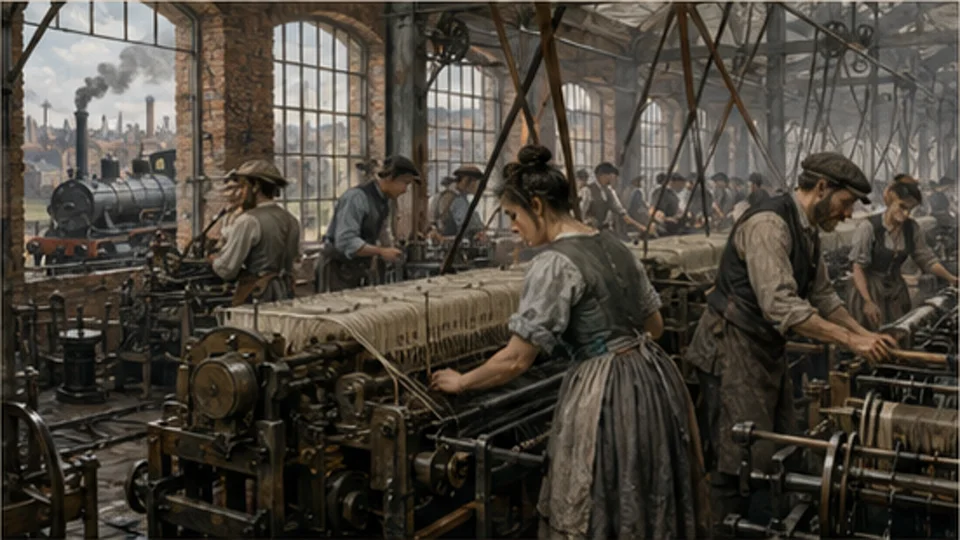
Silent pan-and-zoom motion derivative of the Industrial Revolution reconstruction; not archival footage.

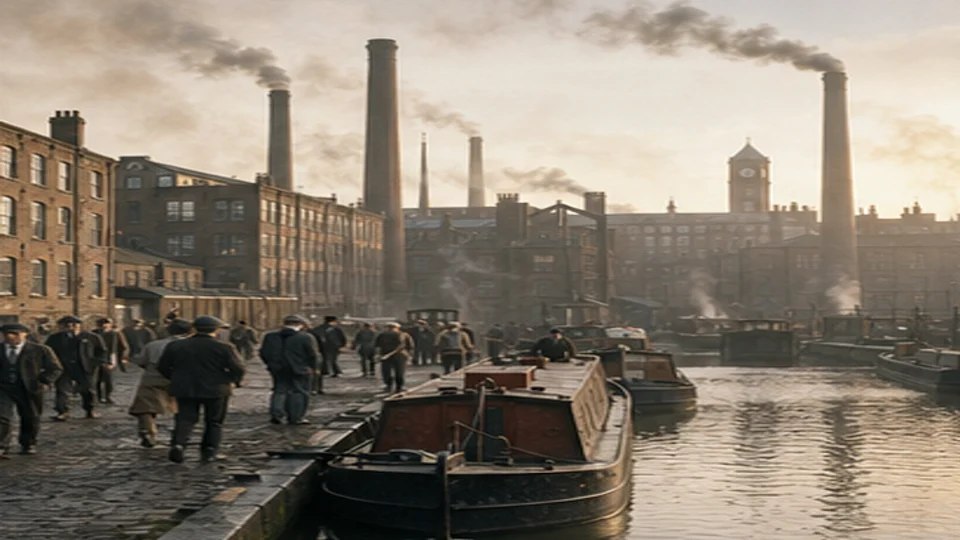
Industrial Revolution — original Atlas editorial reconstruction
IMAGE 1

Original Atlas reconstruction

Primary Atlas editorial reconstruction for Industrial Revolution.

World History in Pictures · Public site artwork. This record does not grant third-party republication rights.

How Atlas classifies this artwork →
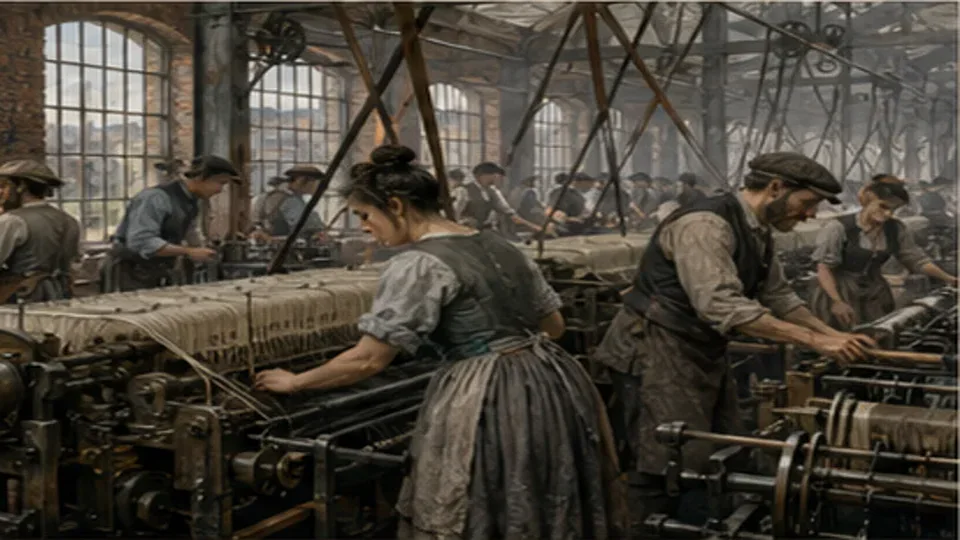
Industrial Revolution: people and action
IMAGE 2

Supporting Atlas reconstruction

Supporting Atlas reconstruction within the same Industrial Revolution editorial package; not an independent archival record.

World History in Pictures · Same editorial artwork package

How Atlas classifies this artwork →
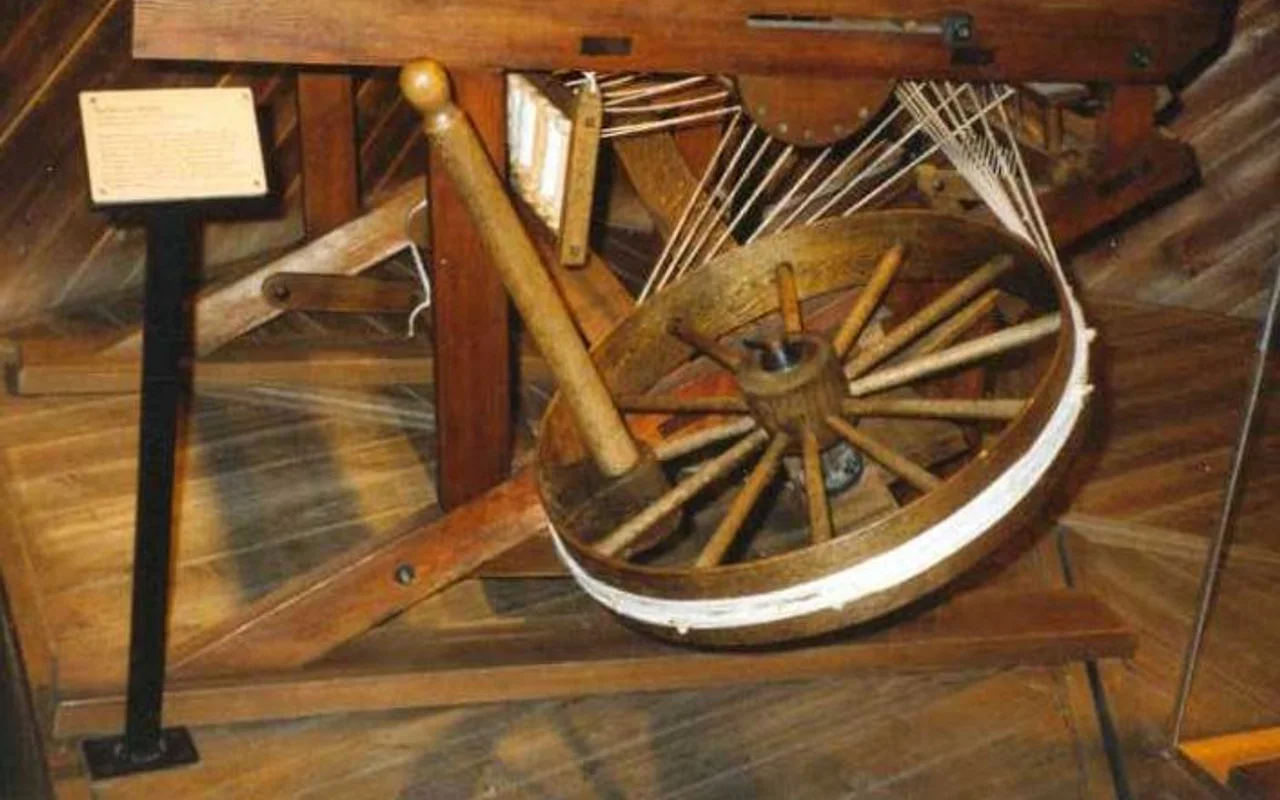
Industrial Revolution: setting and consequences
IMAGE 3

Context crop — same artwork

Context crop from the same Industrial Revolution reconstruction; not an independent historical record.

World History in Pictures · Same editorial artwork package

How Atlas classifies this artwork →

Interpretation note

Evidence, memory and historical debate

This dossier distinguishes the event’s basic chronology from later arguments about meaning, responsibility and legacy. When comparing religious, national, Indigenous or scholarly interpretations, consult the primary and institutional sources above alongside peer-reviewed historical work.

Elsewhere in the world

Parallel histories near this moment

1763–1783 CE · imperial crisis, war and settlement · AmericasAmerican Revolution

Conflict over imperial taxation and authority became rebellion and war; thirteen colonies declared independence in 1776 and secured British recognition in 1783.

c. 1764–1850 CE · selected British-centred milestones · EuropeMechanized textiles, machine tools and factory production

Spinning, weaving, precision metalworking and powered machinery expanded factory production without immediately replacing workshops or domestic labour.

1776–1867 CE · selected publications and debates · EuropePolitical economy and industrial capitalism

Debates over markets, labor, land, value, poverty and industrial growth became formal political economy, from Adam Smith to Karl Marx and many critics of empire and capitalism.

Explore the connections

Panama Canal: engineering, labour and sovereignty

Newcomen’s engine: draining mines with atmospheric pressure

The Great Famine in Ireland: distress, relief and the archive

Waterpower, mill systems and industrial work

Mass schooling in England and Wales: access, fees and attendance