ATLAS / ANCIENT—PRESENT
All historyHow Atlas is sourced← Back to Atlas
Back to Atlas timeline
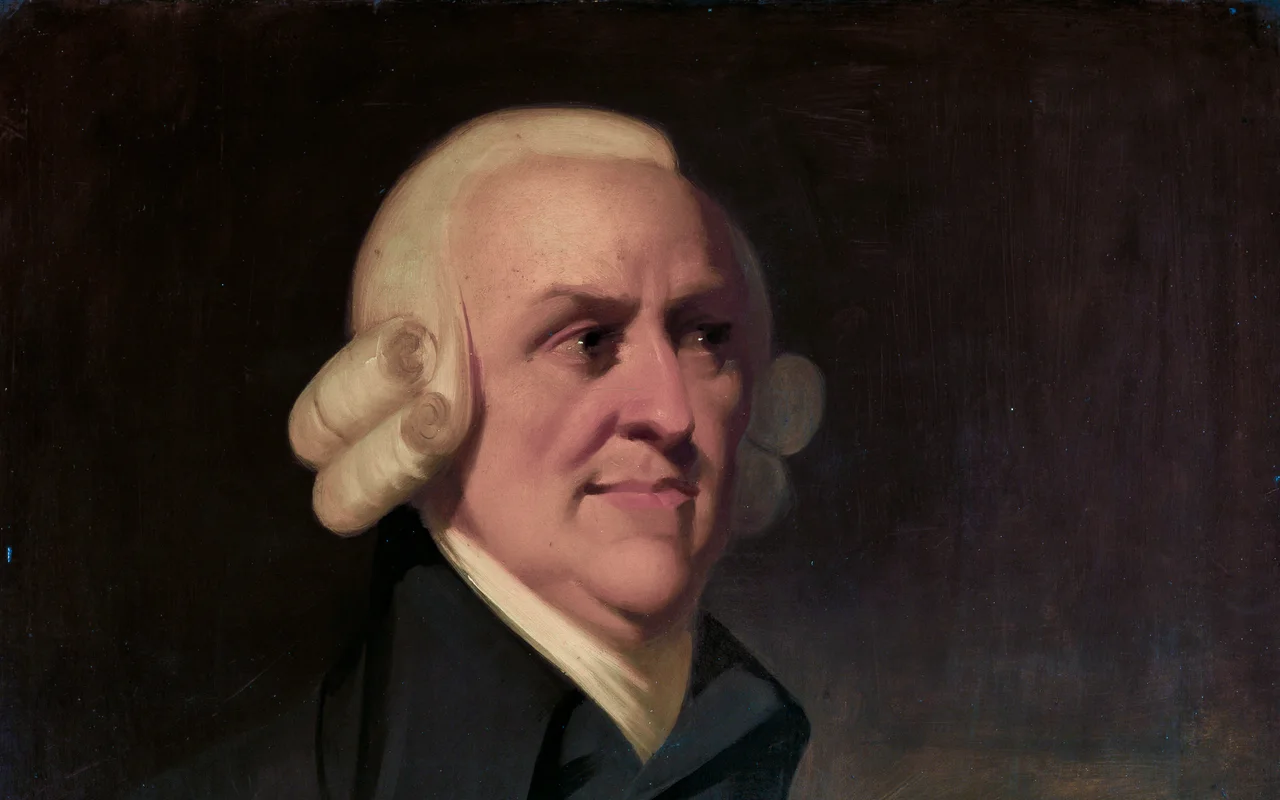
Adam Smith The Muir portrait.jpg

1776–1867 CE · selected publications and debates · Europe · Trade

Political economy and industrial capitalism

Debates over markets, labor, land, value, poverty and industrial growth became formal political economy, from Adam Smith to Karl Marx and many critics of empire and capitalism.

Atlas dossier · Enlightenment & Revolutions

Free device narration · synchronized English captions · transcript available

Why it matters

Economic ideas shaped taxation, trade policy, industrial regulation, labor movements and competing visions of prosperity and social justice.

Date
1776–1867 CE · selected publications and debates
Historical setting
Enlightenment & Revolutions · Europe
People & communities
Adam Smith · David Ricardo · Karl Marx · workers · reformers · colonized producers
Publication dates organise a larger argument

The 1776 opening marks The Wealth of Nations and the 1867 endpoint the first volume of Capital. Those books did not begin or conclude economic thought. The period contains competing arguments about labour, land, value, poverty, empire and industrial change.

Project Gutenberg: The Wealth of Nations ↗

Texts are arguments, not neutral descriptions

Smith, Ricardo, Marx and their critics selected different units of analysis and wrote within distinct political settings. Workers, enslaved people and colonised producers shaped the economies they analysed even when canonical texts did not centre their voices.

Project Gutenberg: Capital, Volume I ↗

Illustrated sequence

A visual presentation accompanying this entry. Read each image’s attribution to distinguish archival records, later depictions and reconstructions.

Interpretation note

Evidence, memory and historical debate

This dossier distinguishes the event’s basic chronology from later arguments about meaning, responsibility and legacy. When comparing religious, national, Indigenous or scholarly interpretations, consult the primary and institutional sources above alongside peer-reviewed historical work.

Elsewhere in the world

Parallel histories near this moment

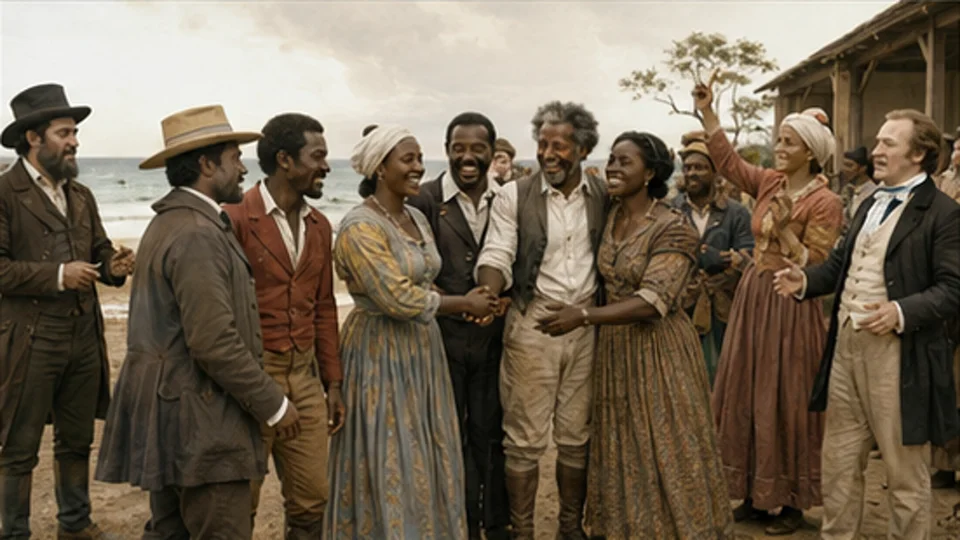
1772–1888 CE · selected Atlantic legal milestones · GlobalAbolition of Atlantic slave systems

Enslaved people, maroon communities, writers, religious organizers and political movements forced successive restrictions and abolitions across the Atlantic world.

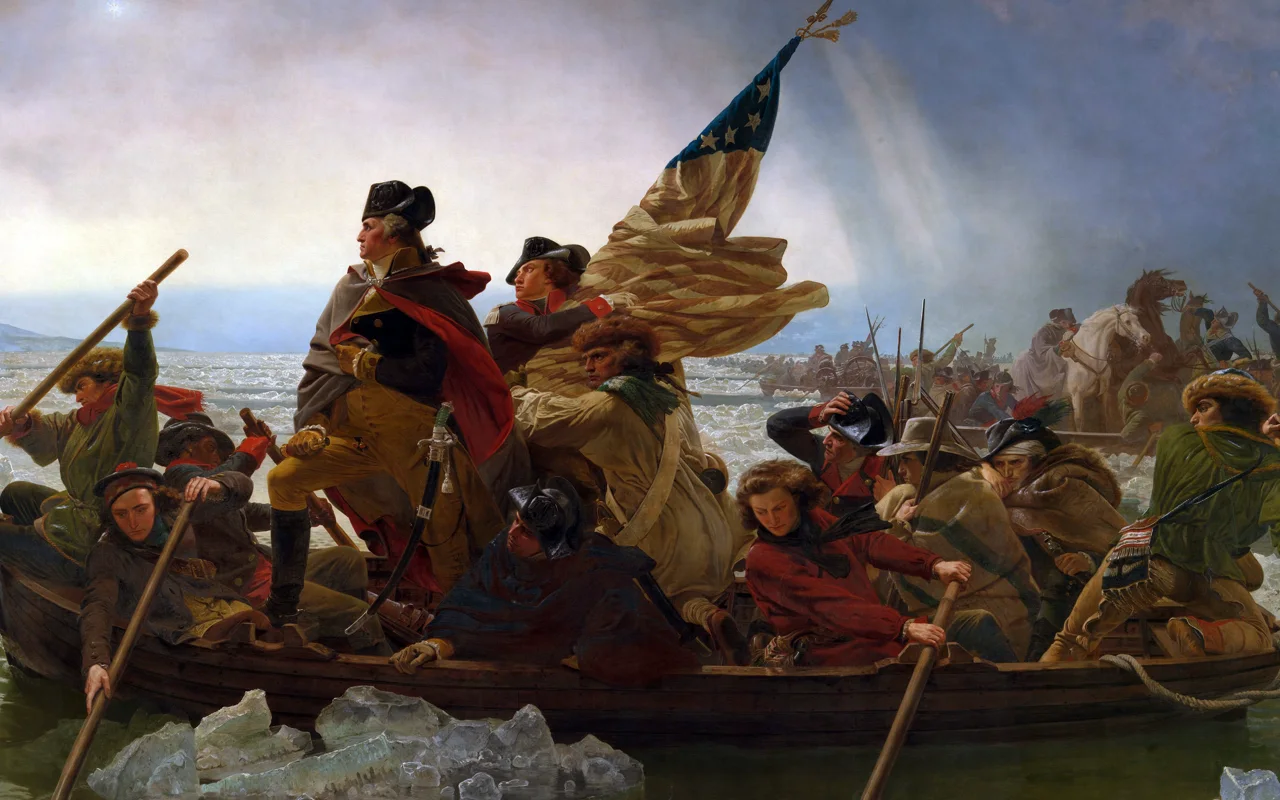
1763–1783 CE · imperial crisis, war and settlement · AmericasAmerican Revolution

Conflict over imperial taxation and authority became rebellion and war; thirteen colonies declared independence in 1776 and secured British recognition in 1783.

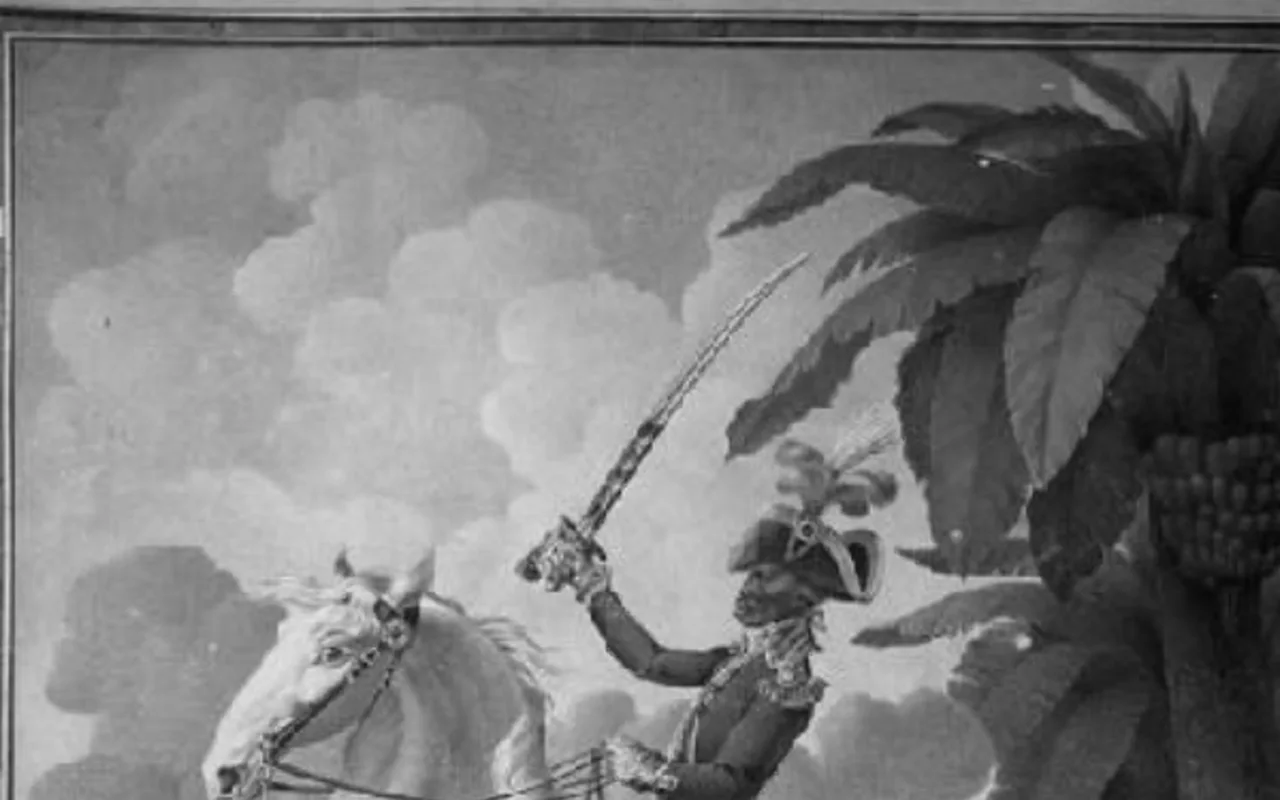
1791–1804 CE · uprising, emancipation and independence · AmericasHaitian Revolution

Enslaved and free people in Saint-Domingue fought colonial armies and internal rivals through revolution, emancipation and the establishment of independent Haiti.