ATLAS / ANCIENT—PRESENT
All historyHow Atlas is sourced← Back to Atlas
Back to Atlas timeline
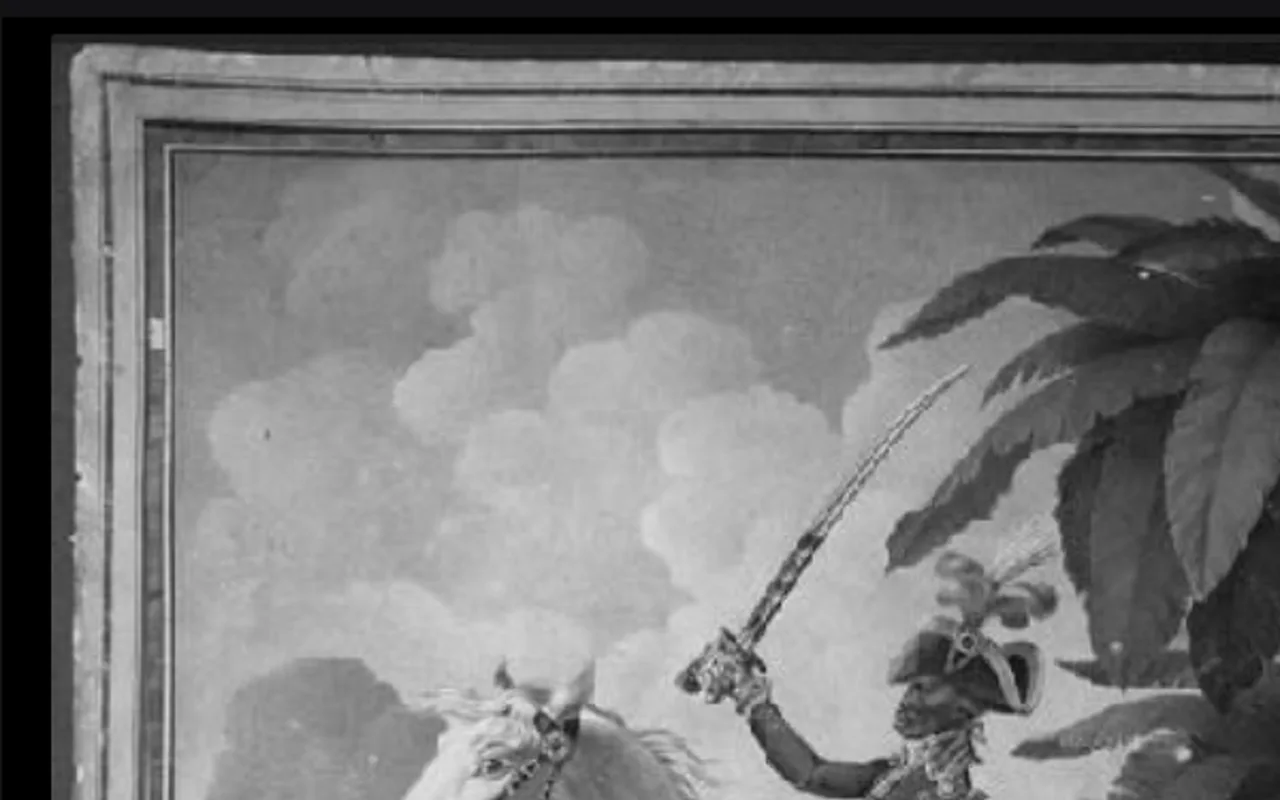
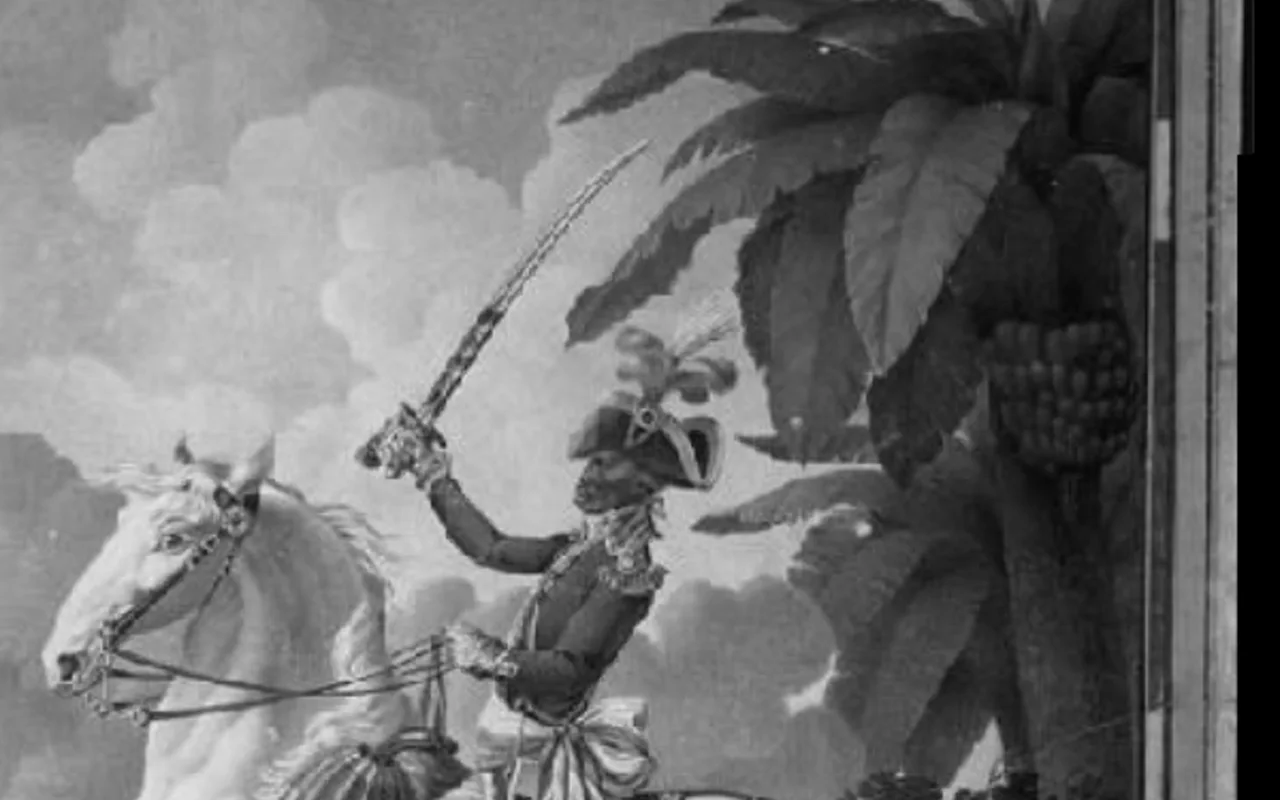
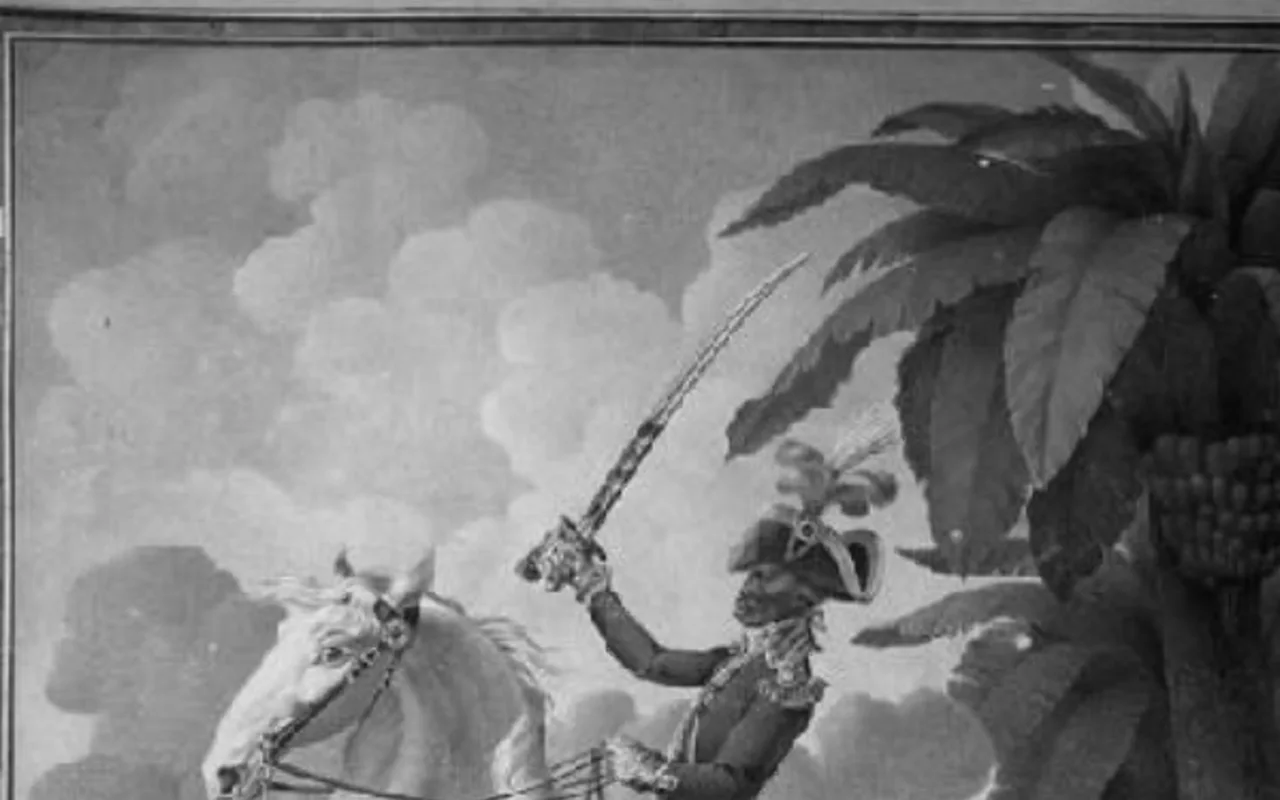
Portrait équestre de Toussaint Louverture sur son cheval Bel-Argent, 1800

1791–1804 CE · uprising, emancipation and independence · Americas · Rights

Haitian Revolution

Enslaved and free people in Saint-Domingue fought colonial armies and internal rivals through revolution, emancipation and the establishment of independent Haiti.

Atlas dossier · Enlightenment & Revolutions

Free device narration · synchronized English captions · transcript available

Why it matters

It destroyed slavery in Saint-Domingue and transformed Atlantic politics, commerce and abolition.

Date
1791–1804 CE · uprising, emancipation and independence
Historical setting
Enlightenment & Revolutions · Americas
People & communities
Toussaint Louverture · Jean-Jacques Dessalines · revolutionary communities
Uprising, emancipation and independence were stages

The 1791 uprising began a complex revolution involving enslaved and free people, rival leaders and repeated intervention by European powers. French abolition in 1794 and Napoleon’s later attempt to restore colonial control were distinct stages before Haiti declared independence in 1804.

Library of Congress: Haitian Revolution research collection

A revolution with Atlantic consequences

The uprising in Saint-Domingue challenged a colonial economy built on enslavement. U.S. leaders, many themselves enslavers, alternated between opposition and support as strategic interests changed. Declarations of liberty did not automatically produce solidarity with people fighting for emancipation.

Office of the Historian: The United States and the Haitian Revolution

Independence and recognition were different struggles

Haiti declared independence in 1804, but the United States did not recognise it until 1862. The gap between military victory, political independence and diplomatic recognition makes this a distinct history rather than a Caribbean footnote to the French Revolution.

Office of the Historian: Haiti and U.S. diplomacy

Illustrated sequence

A visual presentation accompanying this entry. Read each image’s attribution to distinguish archival records, later depictions and reconstructions.

Portrait équestre de Toussaint Louverture sur son cheval Bel-Argent, 1800
IMAGE 1

Visual record

Denis Alexandre Volozan’s equestrian portrait of Toussaint Louverture, circa 1800; a painted representation, not a photograph.

Portrait équestre de Toussaint Louverture sur son cheval Bel-Argent, 1800 — Denis Alexandre Volozan; Public Domain; via Musée d’Aquitaine, Bordeaux. Resized, cropped and converted to WebP for Atlas display.

Source and reuse terms ↗

Interpretation note

Evidence, memory and historical debate

This dossier distinguishes the event’s basic chronology from later arguments about meaning, responsibility and legacy. When comparing religious, national, Indigenous or scholarly interpretations, consult the primary and institutional sources above alongside peer-reviewed historical work.

Elsewhere in the world

Parallel histories near this moment

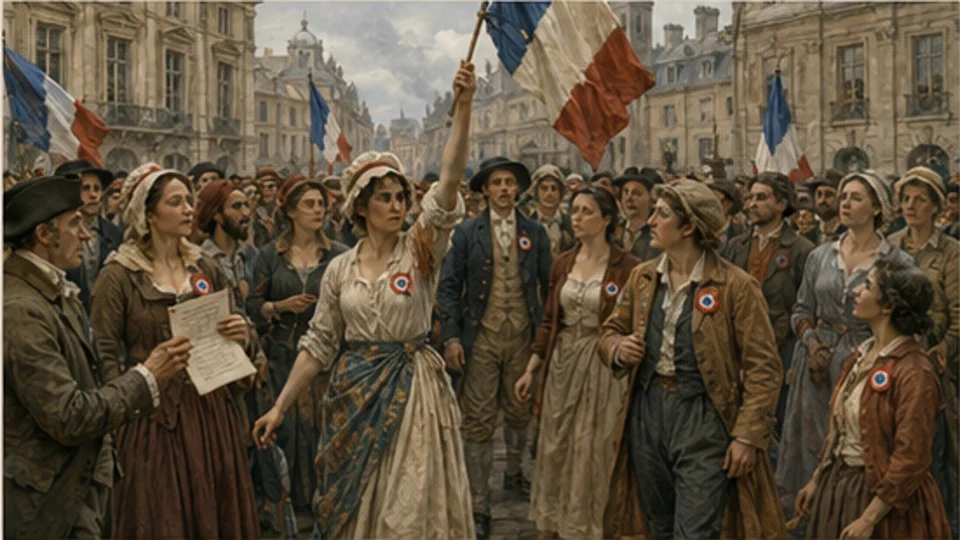
1789–1799 CE · constitutional, republican and imperial phases · EuropeFrench Revolution

Fiscal crisis, inequality and political conflict toppled the monarchy and produced declarations of rights, republic, terror and war.

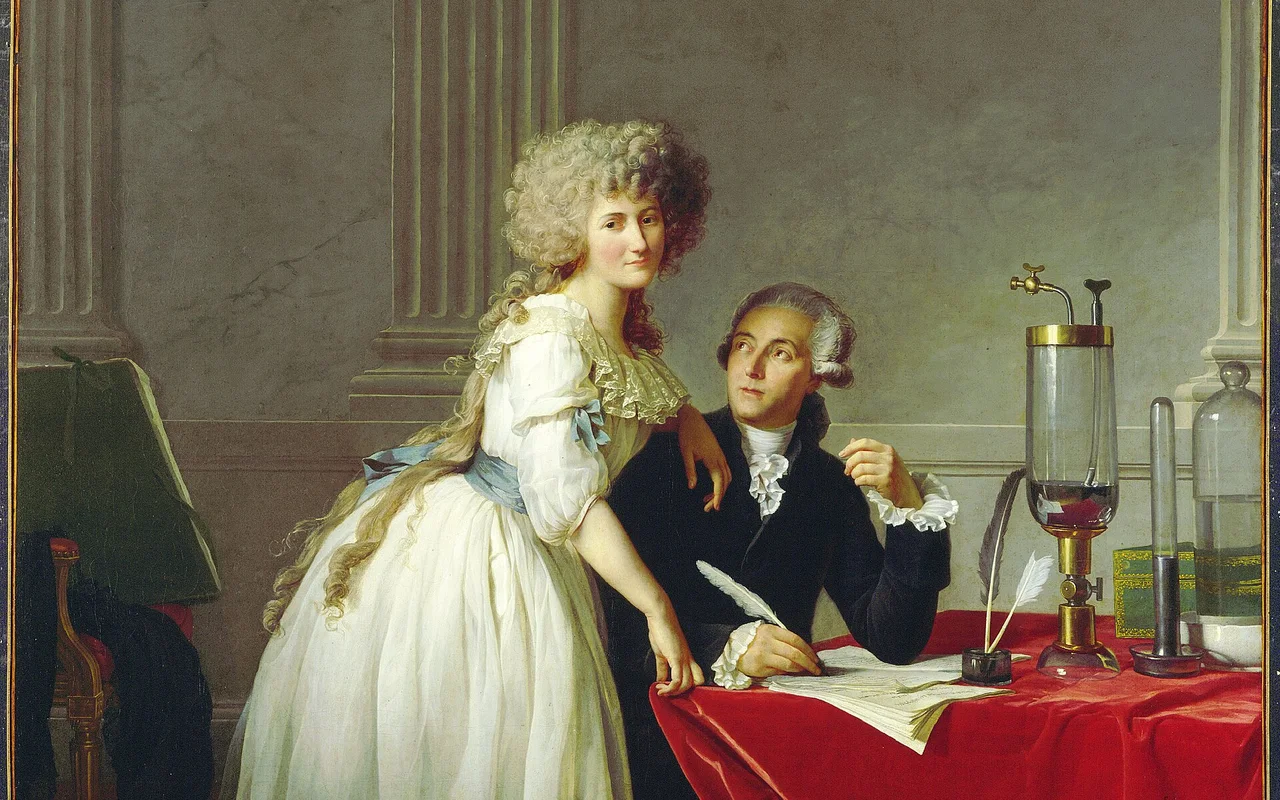
1789–1869 CE · EuropeModern chemistry and the periodic table

Lavoisier’s chemical language and later periodic classifications made elements, mass and recurring properties easier to identify, compare and predict.

1796–1980 CE · Jenner milestone to certified eradication · GlobalSmallpox vaccination

Edward Jenner’s experiment helped formalize vaccination, building on earlier variolation knowledge across Asia, Africa and the Ottoman world.