ATLAS / ANCIENT—PRESENT
All historyHow Atlas is sourced← Back to Atlas
Back to Atlas timeline
French Revolution — original Atlas editorial reconstruction

1789–1799 CE · constitutional, republican and imperial phases · Europe · Rights

French Revolution

Fiscal crisis, inequality and political conflict toppled the monarchy and produced declarations of rights, republic, terror and war.

Atlas dossier · Enlightenment & Revolutions

Free device narration · synchronized English captions · transcript available

Why it matters

Revolutionary citizenship and nationalism travelled widely, together with mass violence and imperial expansion.

Date
1789–1799 CE · constitutional, republican and imperial phases
Historical setting
Enlightenment & Revolutions · Europe
People & communities
Third Estate · women marchers · Jacobins · royalists · enslaved colonial peoples

Several political phases within ten years

The 1789–1799 range includes constitutional monarchy, republic, Terror, Directory and Bonaparte’s coup; it is not one stable regime. Declarations of rights, war, popular action and state violence changed meaning as authority shifted.

Library of Congress: French Revolution research collection ↗

Universal language met restricted citizenship

The Declaration of the Rights of Man and of the Citizen framed liberty and equality in universal terms, while women, enslaved people and many colonial subjects did not receive equal political power. Revolution in Saint-Domingue exposed and transformed that contradiction.

Avalon Project: Declaration of the Rights of Man ↗

Illustrated sequence

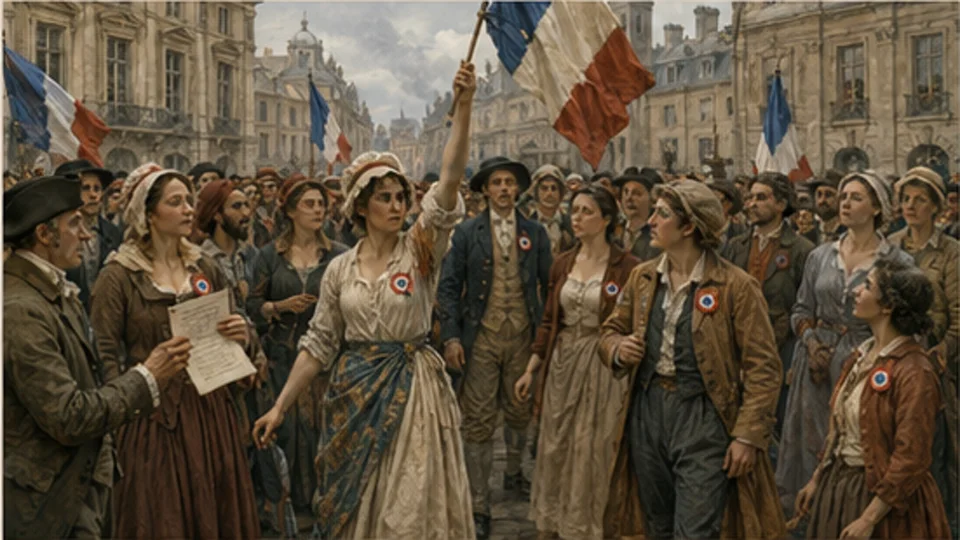
Silent pan-and-zoom motion derivative of the French Revolution reconstruction; not archival footage.

Supplemental archival visual

A contemporaneous or later historical record, clearly distinguished from the Atlas visual sequence.

Prise de la Bastille, 1789 is presented as a period visual interpretation or documentary record. It does not independently establish the dossier’s chronology; use the linked item page and source trail for its provenance and reuse terms.

Open the item page and rights record ↗Prise de la Bastille, 1789 — Jean-Pierre-Louis-Laurent Houël; Public Domain; via Bibliothèque nationale de France / Gallica
Prise de la Bastille, 1789Enlarge and examine the picture

Examine the picture

Prise de la Bastille, 1789 · Public Domain

Interpretation note

Evidence, memory and historical debate

This dossier distinguishes the event’s basic chronology from later arguments about meaning, responsibility and legacy. When comparing religious, national, Indigenous or scholarly interpretations, consult the primary and institutional sources above alongside peer-reviewed historical work.

Elsewhere in the world

Parallel histories near this moment

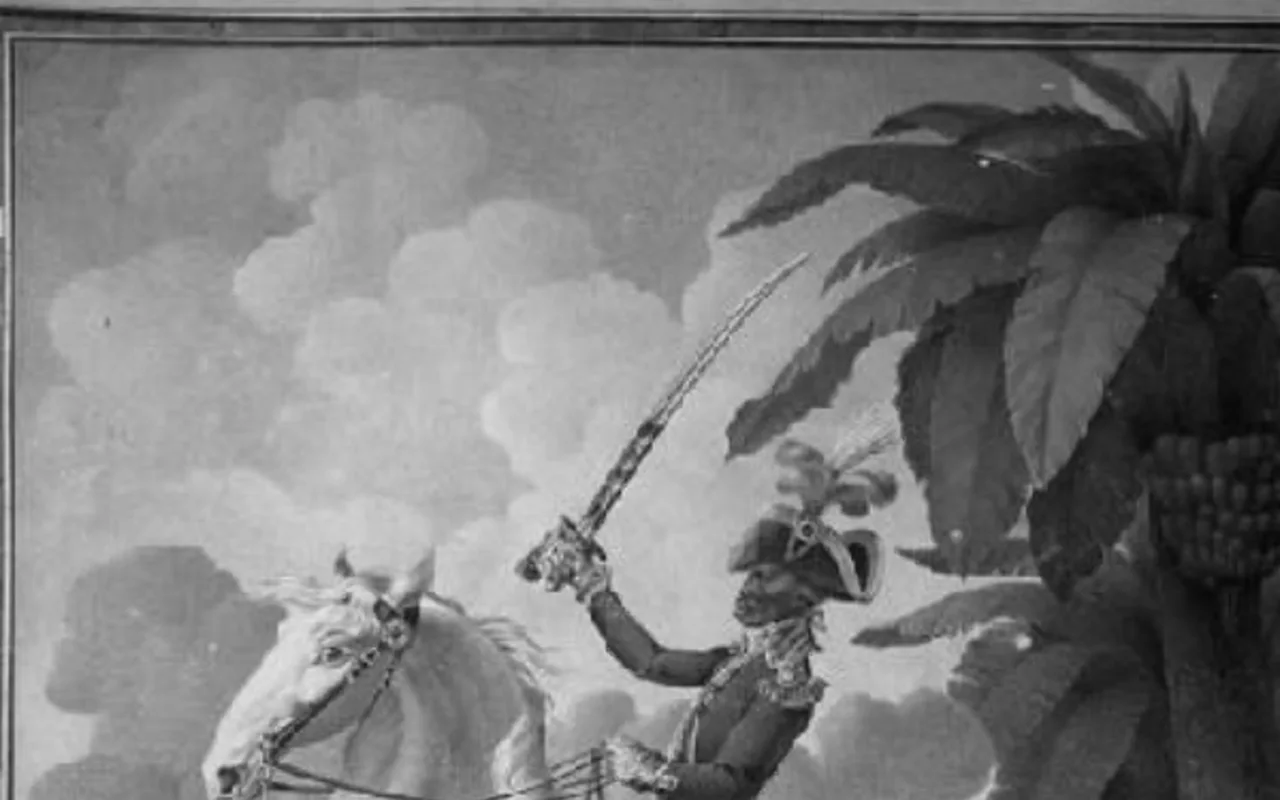
1791–1804 CE · uprising, emancipation and independence · AmericasHaitian Revolution

Enslaved and free people in Saint-Domingue fought colonial armies and internal rivals through revolution, emancipation and the establishment of independent Haiti.

1796–1980 CE · Jenner milestone to certified eradication · GlobalSmallpox vaccination

Edward Jenner’s experiment helped formalize vaccination, building on earlier variolation knowledge across Asia, Africa and the Ottoman world.

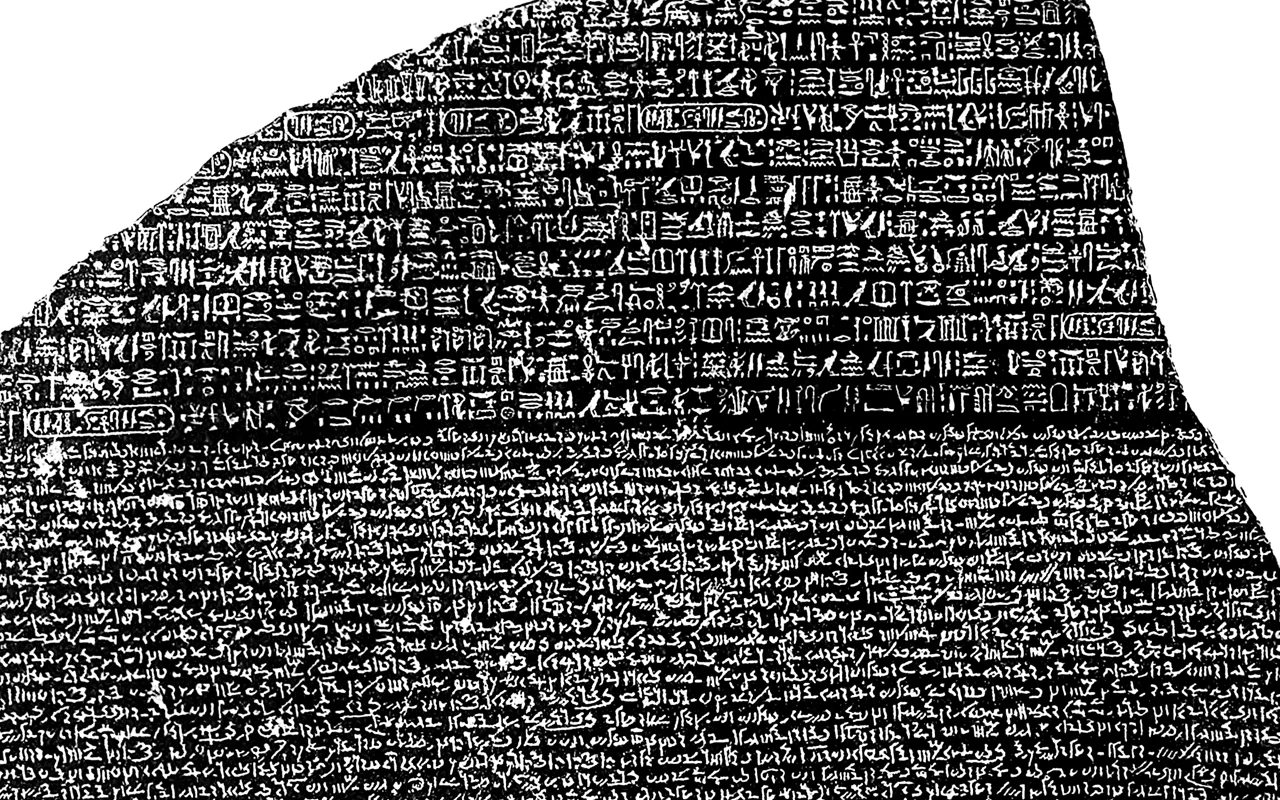
1799–1822 CE · discovery and decipherment milestones · AfricaThe Rosetta Stone unlocks hieroglyphs

French soldiers found the trilingual Rosetta Stone at Rashid in 1799. British forces took it in 1801; in 1822 Jean-François Champollion announced a decisive advance built on Thomas Young’s work and earlier scholarship.

Explore the connections

The revolutions of 1848–1849 and the Frankfurt Assembly →