Why it matters
Its language of rights travelled globally—and exposed enduring contradictions.
- Date
- 1776
- Historical setting
- Enlightenment & Revolutions · Americas
- People & communities
- Revolutionaries · Loyalists · enslaved and Indigenous peoples
1776 · Americas · Rights
Thirteen colonies declared independence, advancing republican ideals while slavery and Indigenous dispossession remained entrenched.
Atlas dossier · Enlightenment & RevolutionsFree device narration · synchronized English captions · transcript available
Why it matters
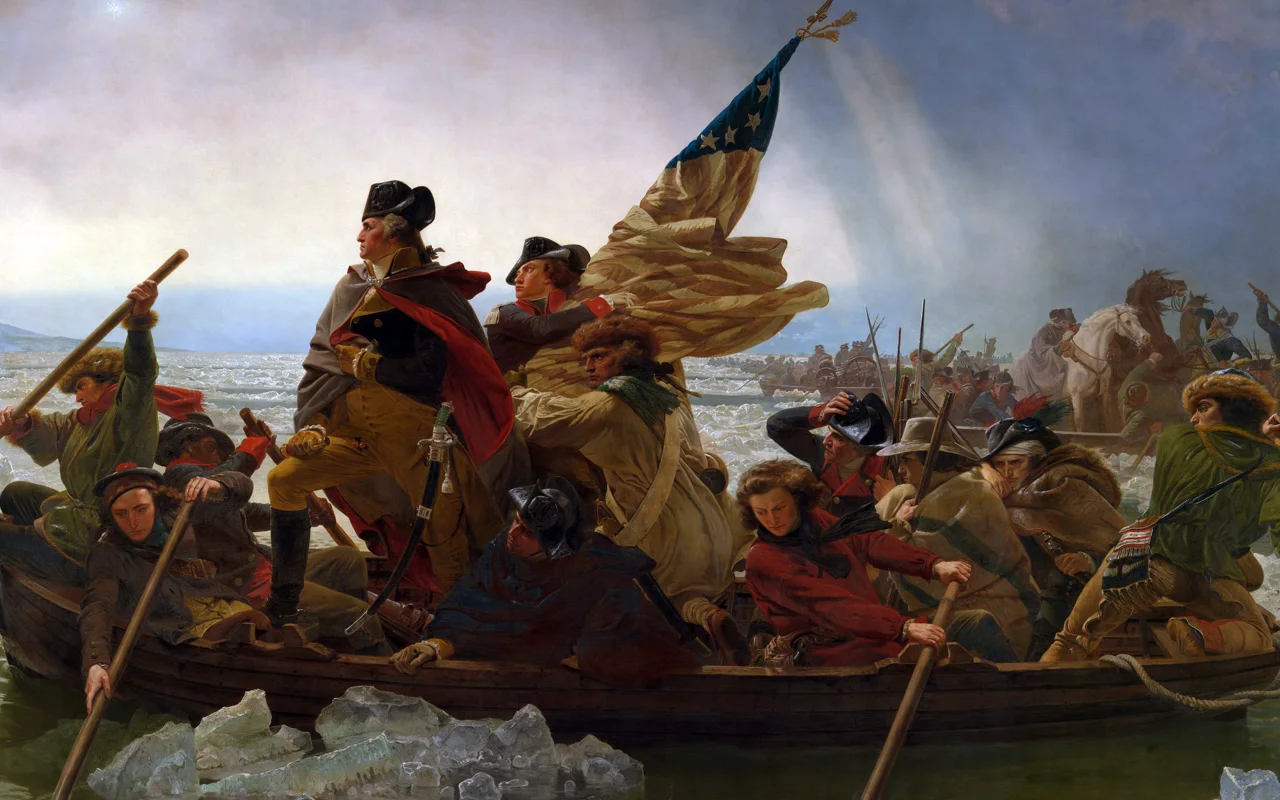
Thirteen colonies declared independence, advancing republican ideals while slavery and Indigenous dispossession remained entrenched.
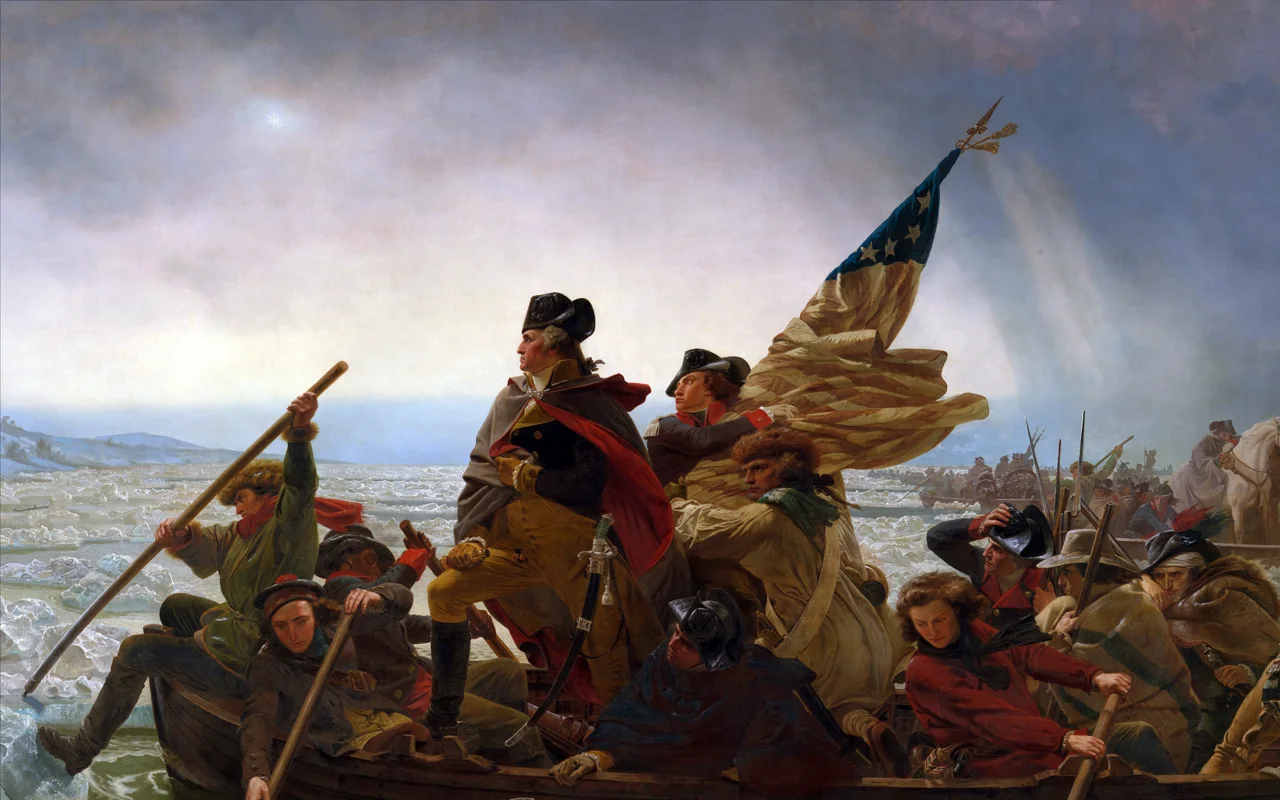
Revolutionaries · Loyalists · enslaved and Indigenous peoples
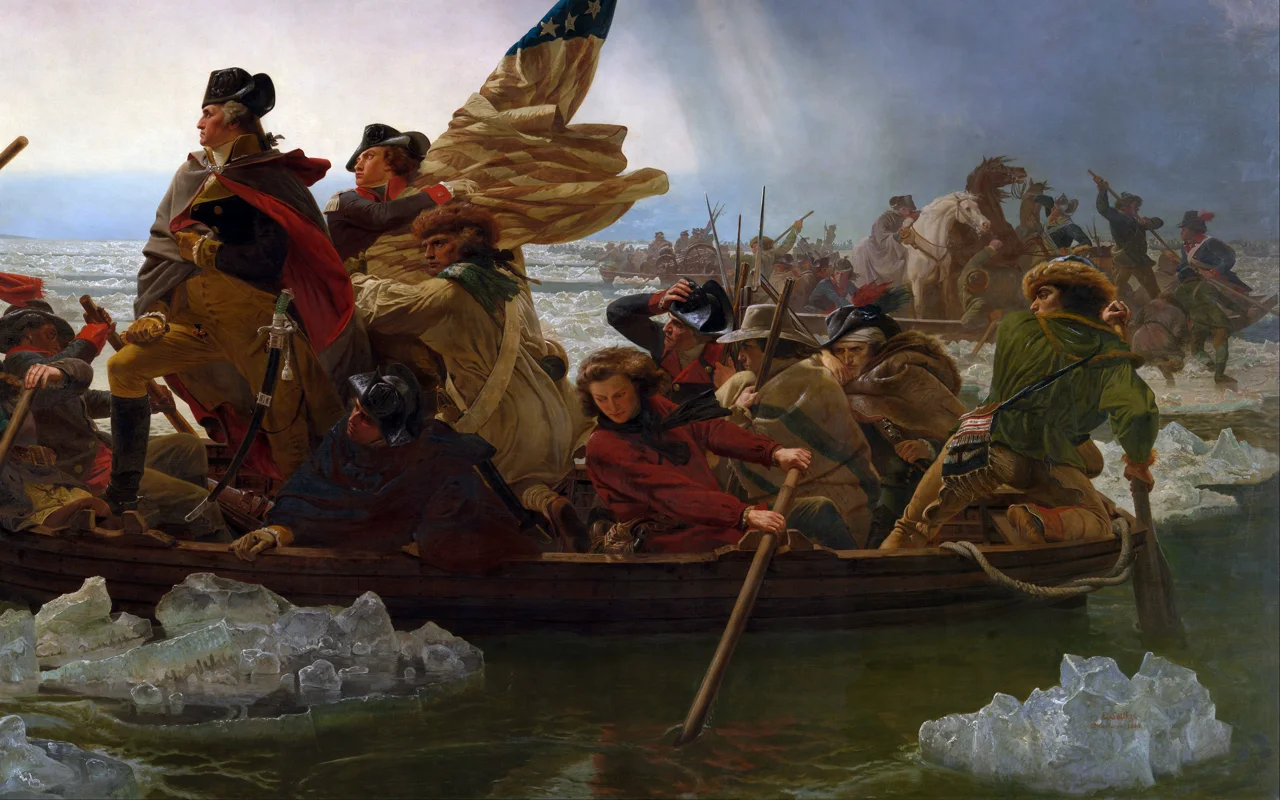
Its language of rights travelled globally—and exposed enduring contradictions.
Interpretation note
This dossier distinguishes the event’s basic chronology from later arguments about meaning, responsibility and legacy. When comparing religious, national, Indigenous or scholarly interpretations, consult the primary and institutional sources above alongside peer-reviewed historical work.
Elsewhere in the world
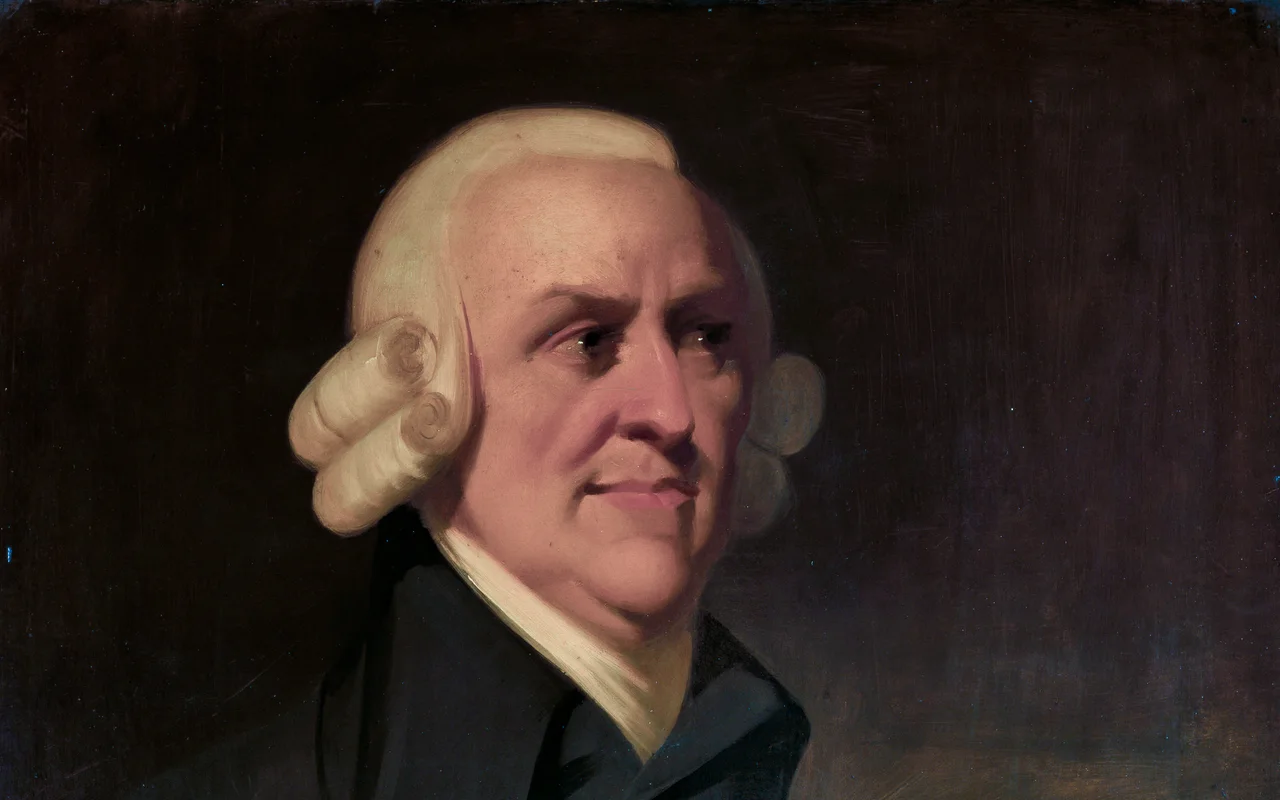 1776–1867 · EuropePolitical economy and industrial capitalism
Debates over markets, labor, land, value, poverty and industrial growth became formal political economy, from Adam Smith to Karl Marx and many critics of empire and capitalism.
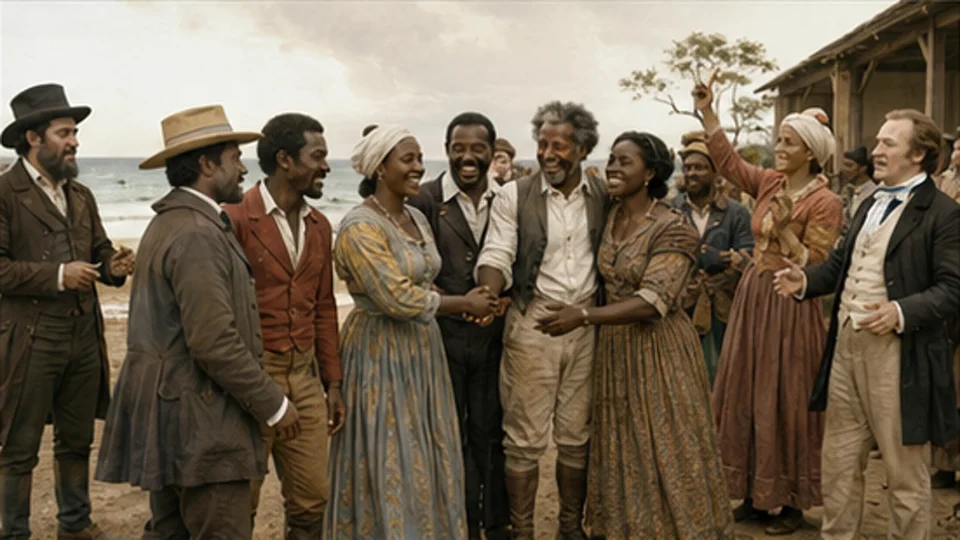 1772–1888 · GlobalAbolition of Atlantic slave systems
Enslaved people, maroon communities, writers, religious organizers and political movements forced successive restrictions and abolitions across the Atlantic world.
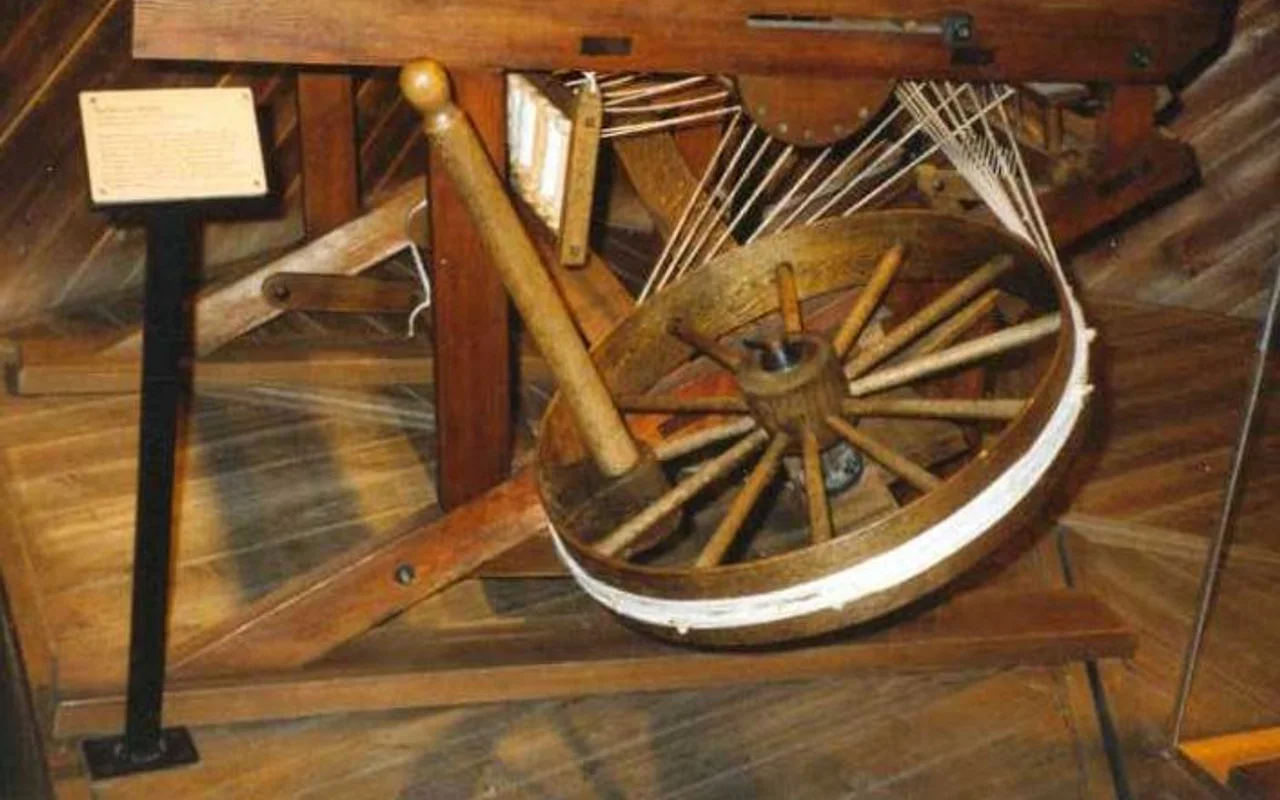 1764–1850 · EuropeMechanized textiles, machine tools and factory production
Spinning, weaving, precision metalworking and powered machinery shifted production from dispersed workshops toward factories organized around capital, energy and wage labor.