ATLAS / ANCIENT—PRESENT
All historyHow Atlas is sourced← Back to Atlas
Back to Atlas timeline
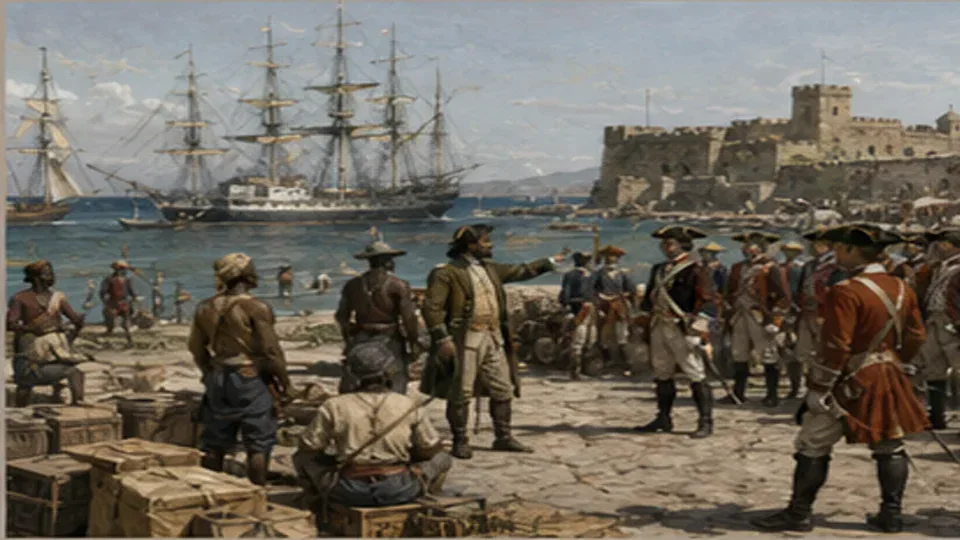
Seven Years’ War — original Atlas editorial reconstruction

1754/1756–1763 CE · connected global theatres · Global · War

Seven Years’ War

Fighting began in North America in 1754 and expanded into a formally European war in 1756, connecting Europe, the Americas, West Africa and Asia.

Atlas dossier · Enlightenment & Revolutions

Free device narration · synchronized English captions · transcript available

Why it matters

The fiscal and imperial aftermath helped set Atlantic revolutions in motion.

Date
1754/1756–1763 CE · connected global theatres
Historical setting
Enlightenment & Revolutions · Global
People & communities
Britain · France · Prussia · Austria · Indigenous allies · Indian states
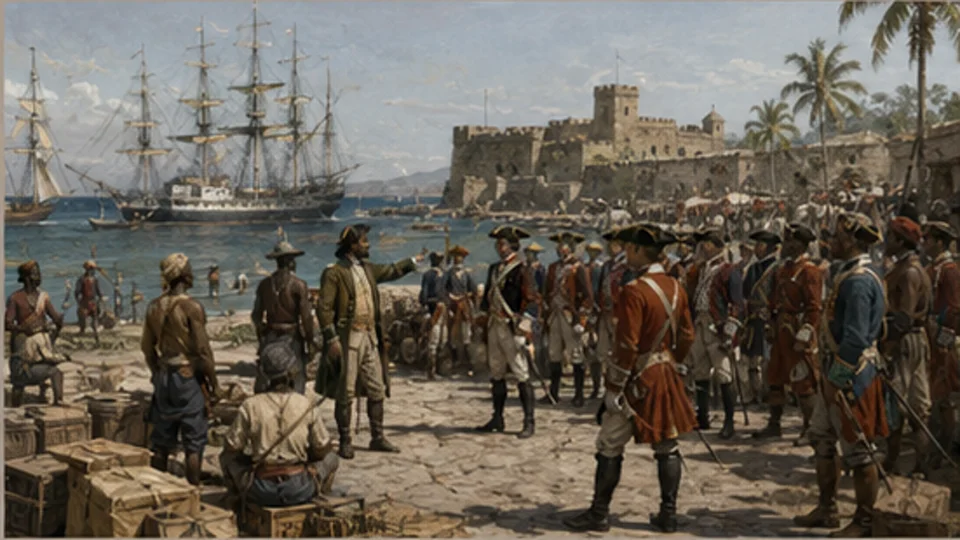
Two opening dates clarify a global war

Fighting between British and French forces and their Indigenous allies began in the Ohio Valley in 1754. The European war conventionally opens in 1756. Displaying 1754/1756 preserves both chronologies instead of forcing connected theatres into a single start date.

Library of Congress: Expanding the British Empire

Allies were historical actors

Native nations and Indian states pursued their own interests; they were not passive extensions of British or French policy. The 1763 settlements changed imperial claims and taxation, but did not resolve Indigenous sovereignty or the conflicts created by colonial expansion.

Library of Congress: British reforms and colonial resistance

Illustrated sequence

Silent pan-and-zoom motion derivative of the Seven Years’ War reconstruction; not archival footage.

Seven Years’ War — original Atlas editorial reconstruction
IMAGE 1

Original Atlas reconstruction

Primary Atlas editorial reconstruction for Seven Years’ War.

World History in Pictures · Public site artwork. This record does not grant third-party republication rights.

How Atlas classifies this artwork →
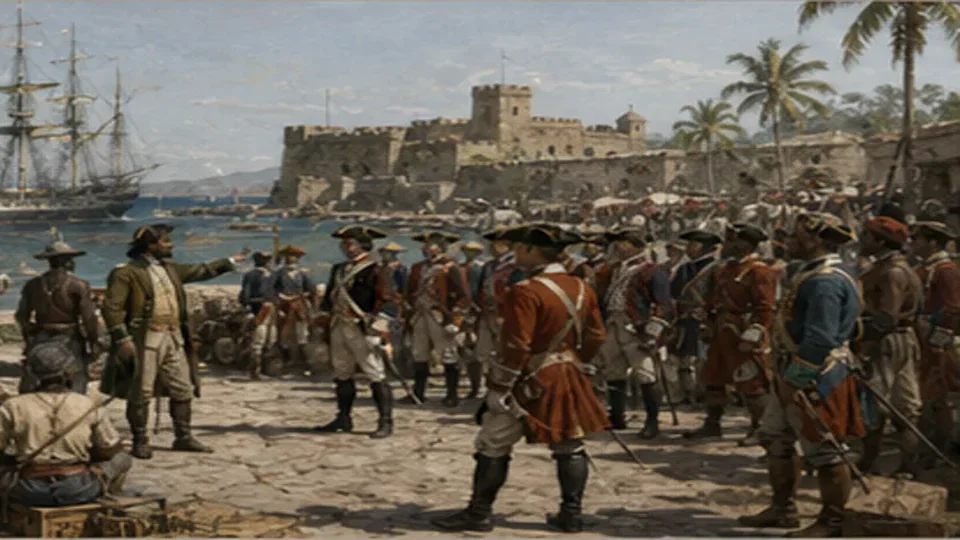
Seven Years’ War: people and action
IMAGE 2

Detail crop — same artwork

Detail crop from the same Seven Years’ War reconstruction; not an independent historical record.

World History in Pictures · Same editorial artwork package

How Atlas classifies this artwork →
Seven Years’ War: setting and consequences
IMAGE 3

Context crop — same artwork

Context crop from the same Seven Years’ War reconstruction; not an independent historical record.

World History in Pictures · Same editorial artwork package

How Atlas classifies this artwork →

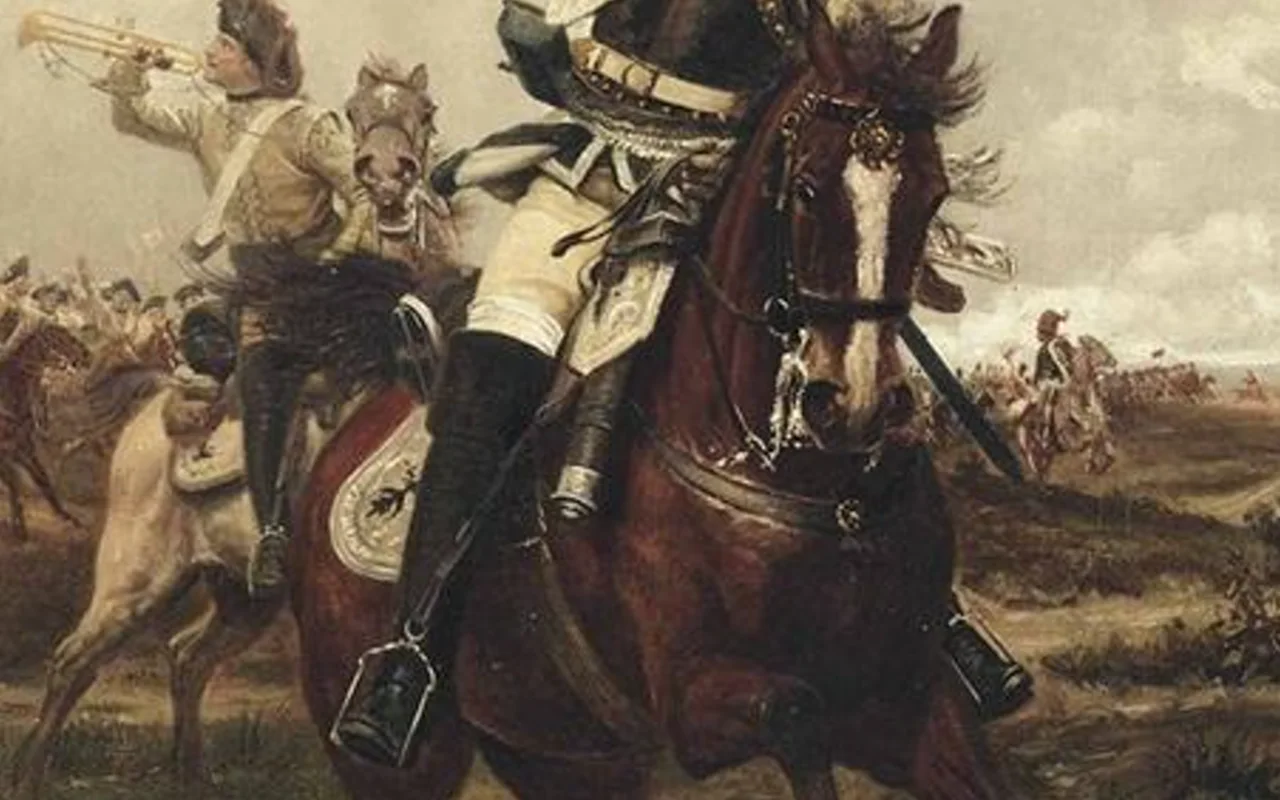
Supplemental archival visual

A contemporaneous or later historical record, clearly distinguished from the Atlas visual sequence.

Seydlitz at the Battle of Rossbach, 1757 is presented as a period visual interpretation or documentary record. It does not independently establish the dossier’s chronology; use the linked item page and source trail for its provenance and reuse terms.

Open the item page and rights record ↗Seydlitz at the Battle of Rossbach, 1757 — Anton von Werner; Public Domain; via Wikimedia Commons
Archival visual record: Seydlitz at the Battle of Rossbach, 1757
Seydlitz at the Battle of Rossbach, 1757 · Public Domain

Interpretation note

Evidence, memory and historical debate

This dossier distinguishes the event’s basic chronology from later arguments about meaning, responsibility and legacy. When comparing religious, national, Indigenous or scholarly interpretations, consult the primary and institutional sources above alongside peer-reviewed historical work.

Elsewhere in the world

Parallel histories near this moment

1763–1783 CE · imperial crisis, war and settlement · AmericasAmerican Revolution

Conflict over imperial taxation and authority became rebellion and war; thirteen colonies declared independence in 1776 and secured British recognition in 1783.

c. 1764–1850 CE · selected British-centred milestones · EuropeMechanized textiles, machine tools and factory production

Spinning, weaving, precision metalworking and powered machinery expanded factory production without immediately replacing workshops or domestic labour.

1776–1867 CE · selected publications and debates · EuropePolitical economy and industrial capitalism

Debates over markets, labor, land, value, poverty and industrial growth became formal political economy, from Adam Smith to Karl Marx and many critics of empire and capitalism.