ATLAS / ANCIENT—PRESENT
All historyHow Atlas is sourced← Back to Atlas
Back to Atlas timeline
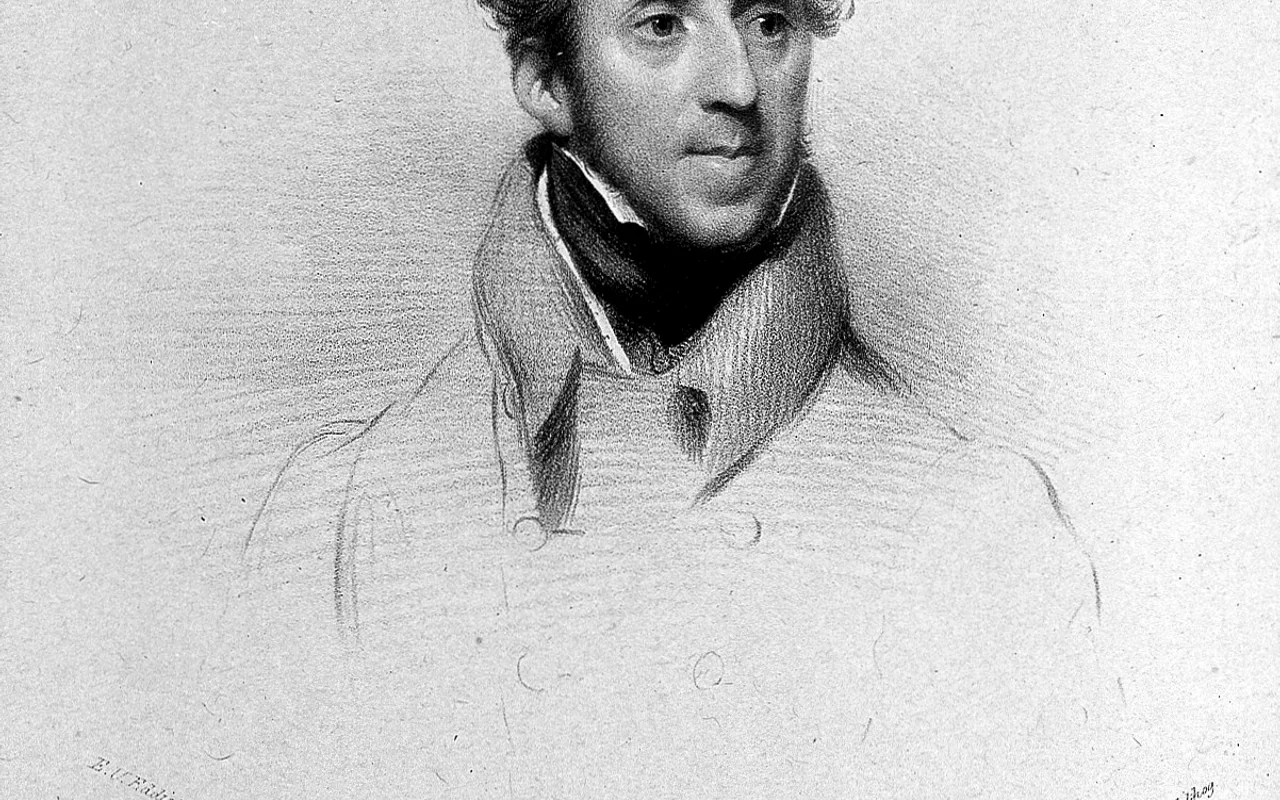
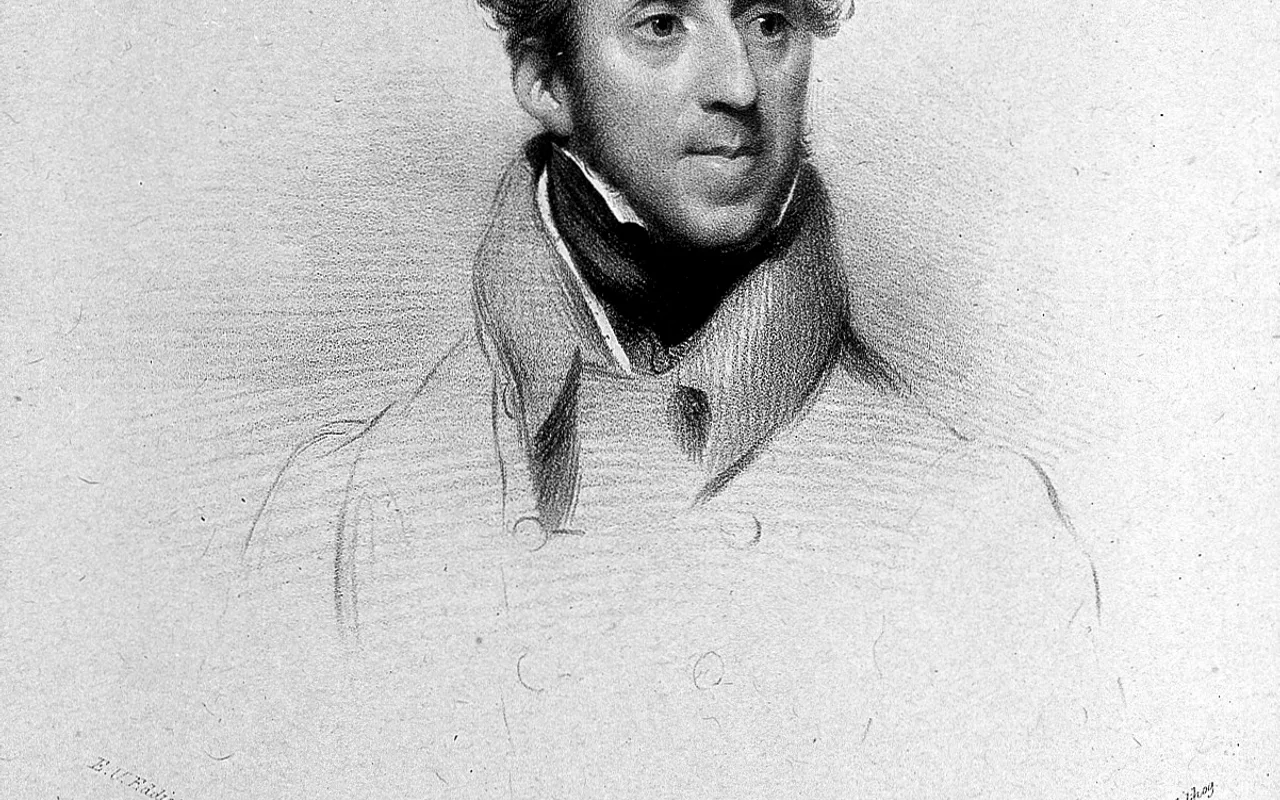
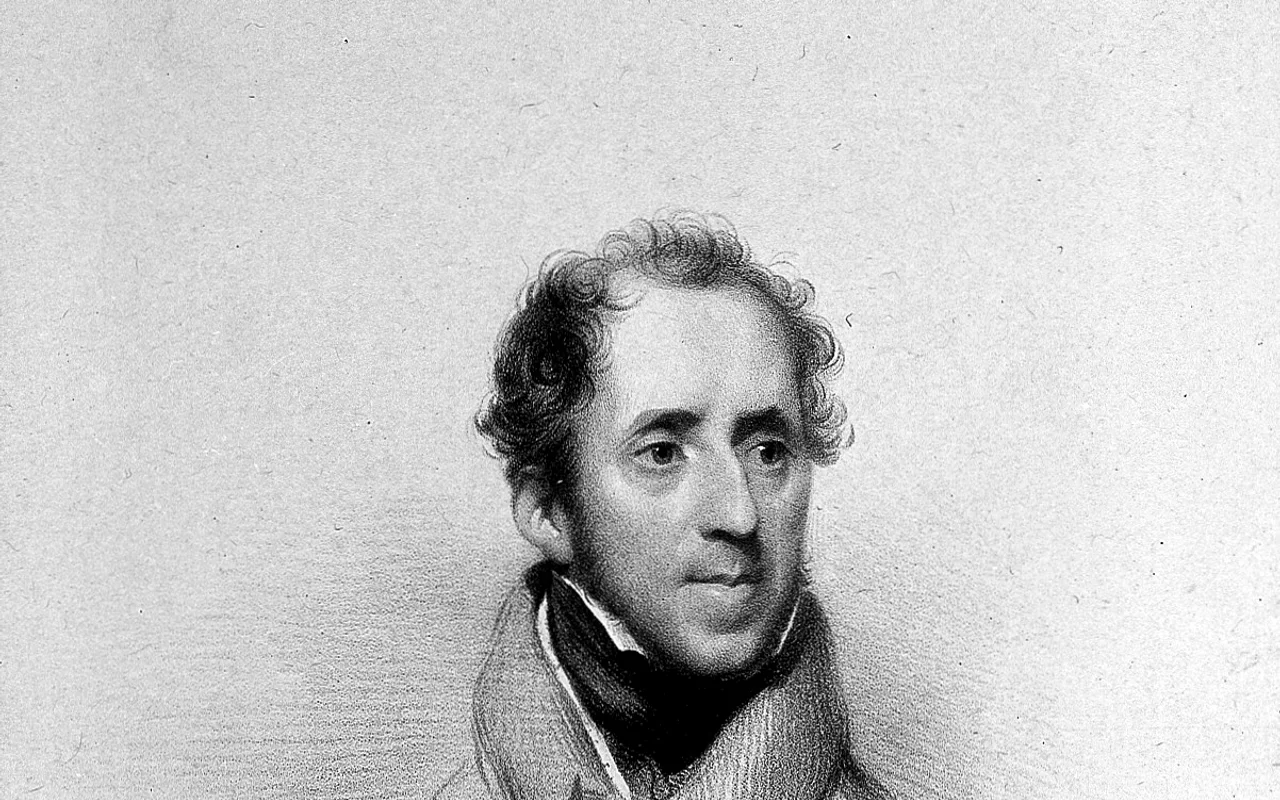
Portrait of Michael Faraday, by Drummond after Eddis Wellcome L0005470.jpg

1752–1831 CE · Global · Science

Electricity and electromagnetism

Experiments on charge, batteries, current and electromagnetic induction established the principles that would later power generators, motors and electrical networks.

Atlas dossier · Enlightenment & Revolutions

Free device narration · synchronized English captions · transcript available

Why it matters

Electricity moved from spectacle and laboratory experiment to a foundation of modern energy and communication systems.

Date
1752–1831 CE
Historical setting
Enlightenment & Revolutions · Global
People & communities
Benjamin Franklin · Alessandro Volta · Hans Christian Ørsted · Michael Faraday
Lightning and electrical research

Franklin’s 1752 work in Philadelphia investigated the electrical nature of lightning. Electricity was already a subject of experiment; he did not invent or first discover it. Research on both sides of the Atlantic explains this dossier’s global geography.

The Franklin Institute: Franklin and the kite experiment

Induction before the electrical grid

At the Royal Institution in 1831, Faraday demonstrated electromagnetic induction. Moving a magnet through a coil produced a detectable current. The surviving October apparatus makes the principle tangible, while the later development of large generators and distribution networks belongs to a longer industrial history.

Royal Institution: Faraday’s generator

Illustrated sequence

A visual presentation accompanying this entry. Read each image’s attribution to distinguish archival records, later depictions and reconstructions.

Portrait of Michael Faraday, by Drummond after Eddis Wellcome L0005470.jpg
IMAGE 1

Visual record

Rights-cleared archival or official image · CC BY 4.0

Portrait of Michael Faraday, by Drummond after Eddis Wellcome L0005470.jpg — Wikimedia Commons contributor; CC BY 4.0; via Wikimedia Commons

Source and reuse terms ↗ · Read the licence ↗

Interpretation note

Evidence, memory and historical debate

This dossier distinguishes the event’s basic chronology from later arguments about meaning, responsibility and legacy. When comparing religious, national, Indigenous or scholarly interpretations, consult the primary and institutional sources above alongside peer-reviewed historical work.

Elsewhere in the world

Parallel histories near this moment

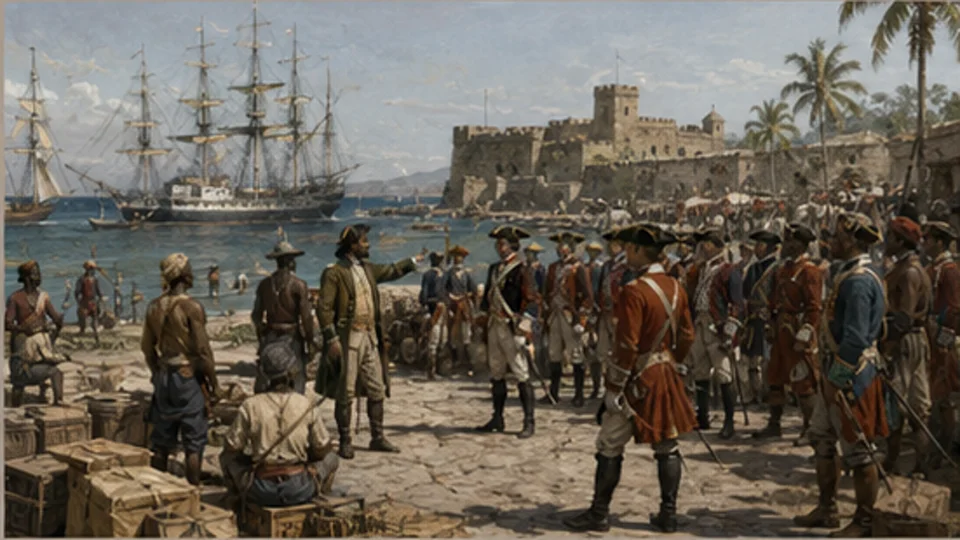
1763–1783 CE · imperial crisis, war and settlement · AmericasAmerican Revolution

Conflict over imperial taxation and authority became rebellion and war; thirteen colonies declared independence in 1776 and secured British recognition in 1783.

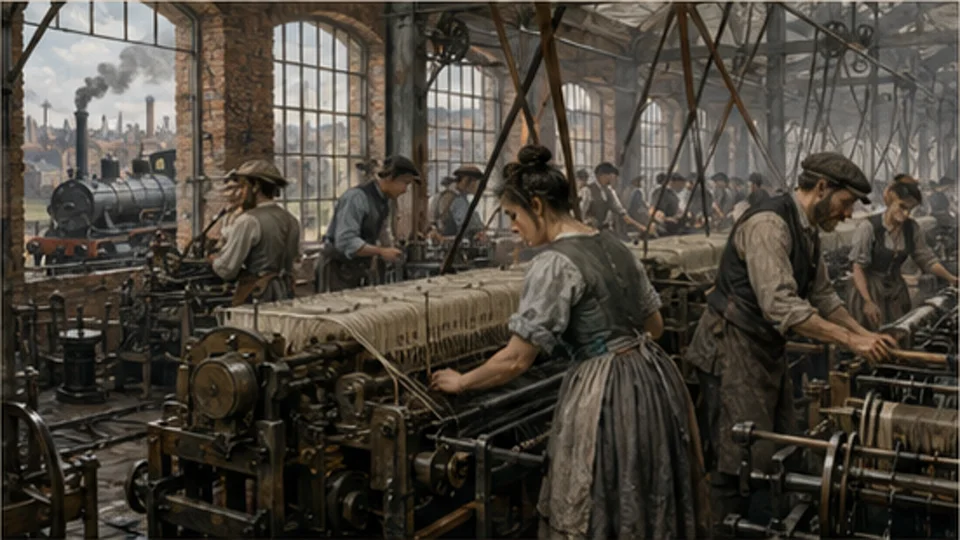
c. 1764–1850 CE · selected British-centred milestones · EuropeMechanized textiles, machine tools and factory production

Spinning, weaving, precision metalworking and powered machinery expanded factory production without immediately replacing workshops or domestic labour.

c. 1730–1760 CE · regional revival movements · AmericasThe Great Awakening

Revival movements transformed Protestant worship, print culture and ideas of individual conscience.