ATLAS / ANCIENT—PRESENT
All historyHow Atlas is sourced← Back to Atlas
Back to Atlas timeline
Generative AI enters mass use — original Atlas editorial reconstruction

2017–7 September 2026 CE · transformer research through mass public adoption; selected review boundary · Global · Technology

Generative AI enters mass use

Transformer research published in 2017 contributed to later foundation models, while diffusion and other model families advanced image, audio and video generation. Public tools reached mass use from 2022, but no single chatbot or company invented generative artificial intelligence.

Atlas dossier · Present Day

Free device narration · synchronized English captions · transcript available

Why it matters

These systems generate statistically patterned output rather than guaranteed facts. Benefits in drafting, accessibility, education and research coexist with fabricated content, bias, privacy and security risks, copyright disputes, hidden data and moderation labour, energy and water use, job redesign and concentrated control.

Date
2017–7 September 2026 CE · transformer research through mass public adoption; selected review boundary
Historical setting
Present Day · Global
People & communities
researchers · data creators and rights holders · labelers and moderators · hardware and infrastructure workers · technology firms · educators and scientists · artists and writers · affected communities · auditors and regulators · global users

Mass adoption is not a single invention date

The 2017 transformer paper became one important foundation for later language models, while diffusion and other architectures shaped image, audio and video generation. Larger datasets, specialised processors, cloud infrastructure and interface design enabled public adoption from 2022. The milestone is a selected social threshold, not one product's birth certificate.

Academic research on generative AI

Fluent output is not guaranteed knowledge

Generative systems estimate and sample patterns from training and context. They can assist drafting, coding, accessibility and research yet fabricate claims, reproduce bias, expose data and enable fraud. Outputs require task-specific evaluation, provenance and human accountability rather than trust based on fluency.

NIST: Generative AI Profile

People and resources remain inside the system

Models depend on data creators, labelers, moderators, hardware fabrication, data centres, electricity, water and organisational decisions. Copyright, compensation, job redesign, market concentration and environmental cost are therefore part of the technology's history, not external side issues.

OECD AI Policy Observatory

Illustrated sequence

Silent pan-and-zoom motion derivative of the Generative AI enters mass use reconstruction; not archival footage.

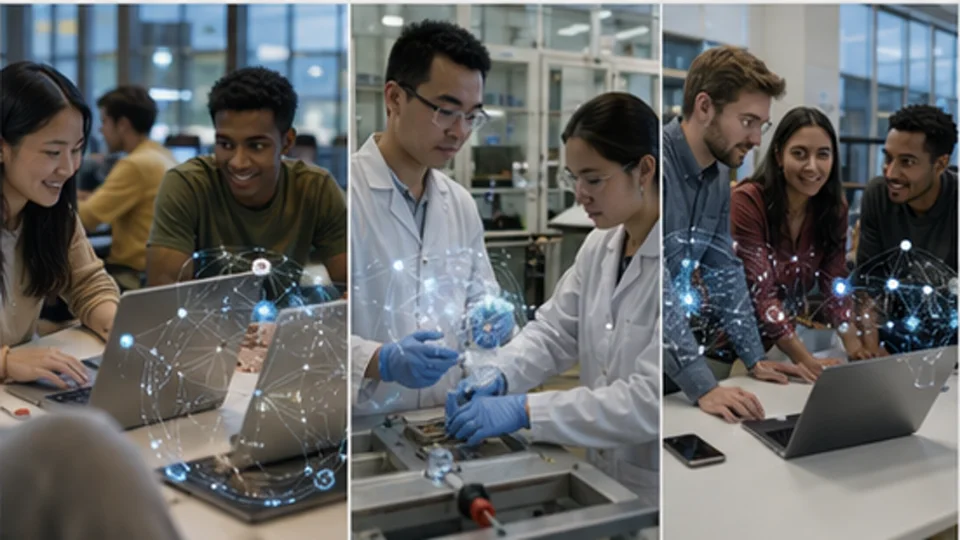
Generative AI enters mass use — original Atlas editorial reconstruction
IMAGE 1

Original Atlas reconstruction

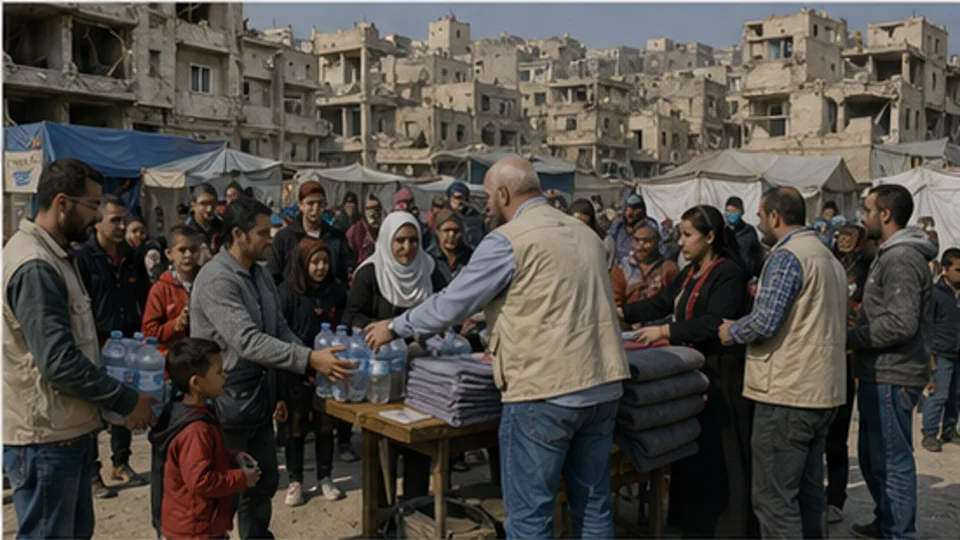
Primary Atlas editorial reconstruction for Generative AI enters mass use.

World History in Pictures · Public site artwork. This record does not grant third-party republication rights.

How Atlas classifies this artwork →
Generative AI enters mass use: people and action
IMAGE 2

Detail crop — same artwork

Detail crop from the same Generative AI enters mass use reconstruction; not an independent historical record.

World History in Pictures · Same editorial artwork package

How Atlas classifies this artwork →
Generative AI enters mass use: setting and consequences
IMAGE 3

Context crop — same artwork

Context crop from the same Generative AI enters mass use reconstruction; not an independent historical record.

World History in Pictures · Same editorial artwork package

How Atlas classifies this artwork →

Interpretation note

Evidence, memory and historical debate

This dossier distinguishes the event’s basic chronology from later arguments about meaning, responsibility and legacy. When comparing religious, national, Indigenous or scholarly interpretations, consult the primary and institutional sources above alongside peer-reviewed historical work.

Elsewhere in the world

Parallel histories near this moment

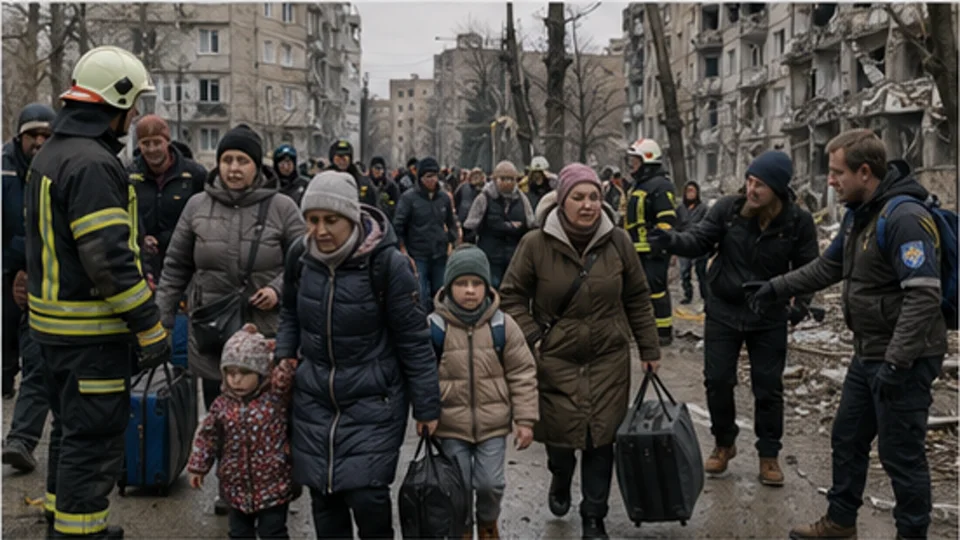
February 2014–7 September 2026 CE · occupation, Donbas war and full-scale invasion; review boundary · EuropeRussia–Ukraine War

Russia seized and annexed Crimea in 2014 in an act rejected by the UN General Assembly, while war developed in Donbas. Russia launched its full-scale invasion of Ukraine on 24 February 2022. Fighting, occupation, strikes and displacement remained ongoing at this dossier’s 7 September 2026 review boundary.

2020–2023 CE · first COVID-19 authorizations and Nobel recognition of enabling science · EuropemRNA vaccines

COVID-19 mRNA vaccines authorized in 2020 combined decades of work on messenger RNA, modified nucleosides, lipid nanoparticles, antigen design, manufacturing and clinical trials. The platform instructs cells to make an antigen; it does not alter the recipient’s genome.

December 2013–June 2016 CE · outbreak, emergency declaration and final transmission chains · AfricaWest African Ebola epidemic

The largest recorded Ebola outbreak began in Guinea and spread principally through Liberia and Sierra Leone. WHO declared a Public Health Emergency of International Concern in August 2014; transmission chains were interrupted through local care, surveillance, safer burials, community adaptation and international support, with the outbreak declared over in June 2016.