ATLAS / ANCIENT—PRESENT
All historyHow Atlas is sourced← Back to Atlas
Back to Atlas timeline
Russia–Ukraine War — original Atlas editorial reconstruction

February 2014–7 September 2026 CE · occupation, Donbas war and full-scale invasion; review boundary · Europe · War

Russia–Ukraine War

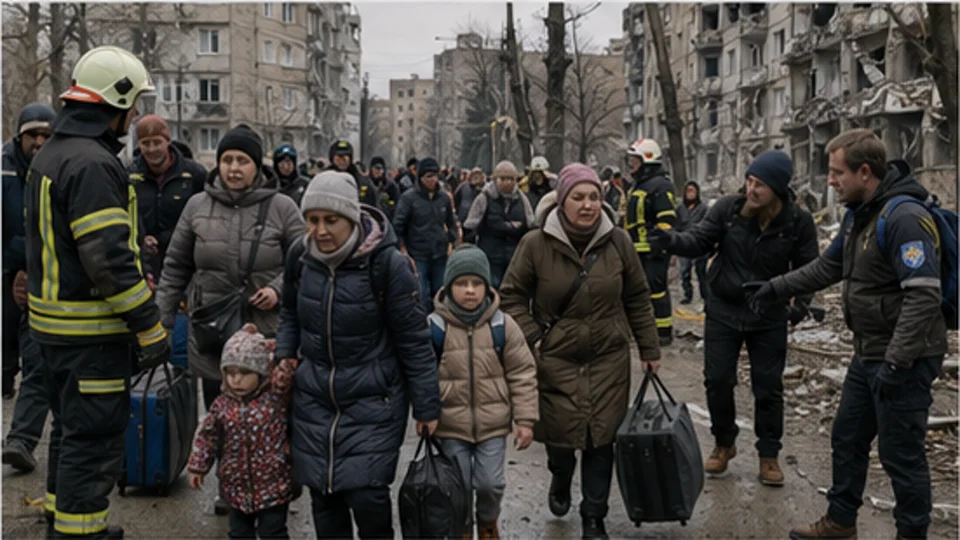
Russia seized and annexed Crimea in 2014 in an act rejected by the UN General Assembly, while war developed in Donbas. Russia launched its full-scale invasion of Ukraine on 24 February 2022. Fighting, occupation, strikes and displacement remained ongoing at this dossier’s 7 September 2026 review boundary.

Atlas dossier · Present Day

Free device narration · synchronized English captions · transcript available

Why it matters

The history centres Ukraine’s sovereignty and the civilian consequences of aggression while distinguishing 2014 from 2022. Territorial change, military conduct, detention, deportation, attacks on infrastructure and alleged crimes require dated evidence and legal process rather than propaganda or collective blame against whole peoples.

Date
February 2014–7 September 2026 CE · occupation, Donbas war and full-scale invasion; review boundary
Historical setting
Present Day · Europe
People & communities
Ukrainian civilians and service members · communities under occupation · refugees and internally displaced people · Russian soldiers and conscripts · prisoners of war · medical, humanitarian and media workers · diplomatic and justice institutions

2014 and 2022 are distinct escalation thresholds

Russia seized and annexed Crimea in 2014 after deploying forces and holding a referendum the UN General Assembly declared invalid. War in Donbas followed, involving Russian-backed armed groups and Ukrainian forces. Russia's full-scale invasion on 24 February 2022 expanded an existing war across Ukraine.

United Nations: territorial integrity of Ukraine ↗

Aggression does not erase conduct by any actor

The UN General Assembly condemned Russia's aggression and demanded withdrawal. International humanitarian and human-rights law separately govern attacks, detention, occupation and treatment of prisoners. Evidence about individual acts and command responsibility requires investigation; responsibility should not be assigned collectively to whole national populations.

United Nations: Ukraine ↗

The endpoint is a dated review boundary

Fighting and occupation remained ongoing on 7 September 2026, so the dossier cannot supply a settled conclusion or static casualty total. Civilians, displaced people, communities under occupation, soldiers, prisoners, rescuers and investigators have different histories. Later developments require a new dated review.

OSCE: Ukraine ↗

Illustrated sequence

Silent pan-and-zoom motion derivative of the Russia–Ukraine War reconstruction; not archival footage.

Interpretation note

Evidence, memory and historical debate

This dossier distinguishes the event’s basic chronology from later arguments about meaning, responsibility and legacy. When comparing religious, national, Indigenous or scholarly interpretations, consult the primary and institutional sources above alongside peer-reviewed historical work.

Elsewhere in the world

Parallel histories near this moment

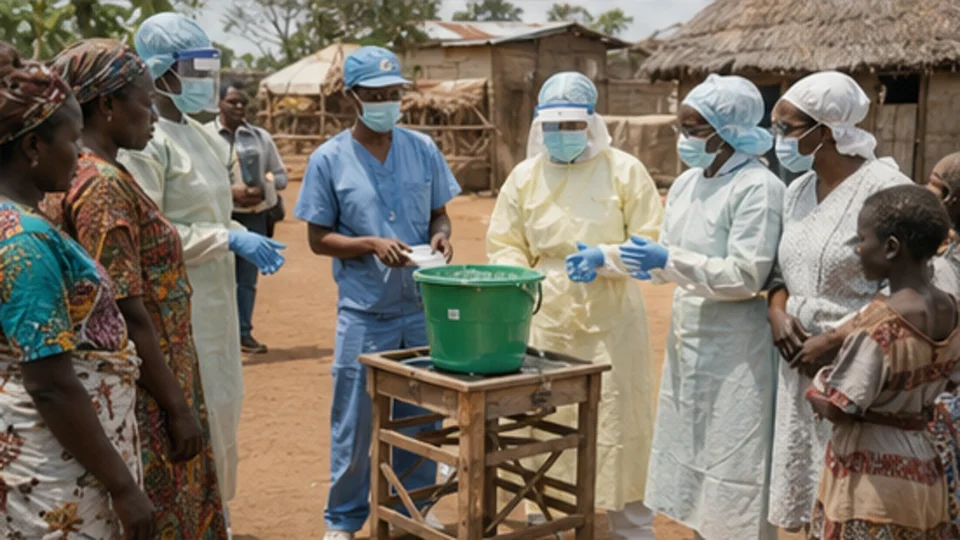
December 2013–June 2016 CE · outbreak, emergency declaration and final transmission chains · AfricaWest African Ebola epidemic

The largest recorded Ebola outbreak began in Guinea and spread principally through Liberia and Sierra Leone. WHO declared a Public Health Emergency of International Concern in August 2014; transmission chains were interrupted through local care, surveillance, safer burials, community adaptation and international support, with the outbreak declared over in June 2016.

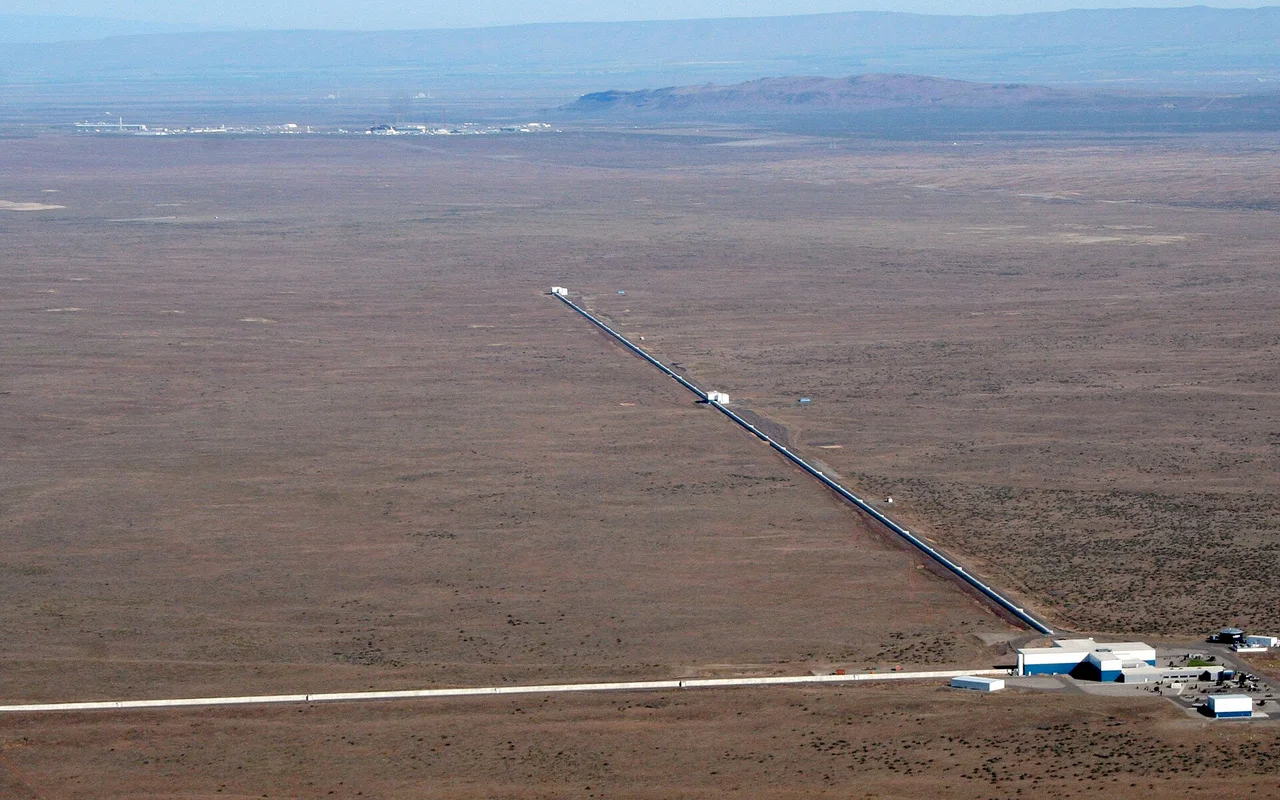
14 September 2015–17 August 2017 CE · first direct wave and neutron-star multimessenger milestones · GlobalGravitational waves and multimessenger astronomy

Advanced LIGO observed GW150914 from merging black holes on 14 September 2015, the first direct detection of gravitational waves. LIGO and Virgo observed the neutron-star merger GW170817 on 17 August 2017; telescopes then found gamma-ray and other electromagnetic counterparts.

2012–2018 CE · programmable Cas9 and a germline-ethics rupture · AmericasCRISPR gene editing

Research on repeated microbial DNA and bacterial adaptive immunity preceded the 2012 demonstration that CRISPR-Cas9 could be programmed to cut selected DNA. Many laboratories then adapted CRISPR systems for cells, organisms, diagnostics and treatment research.