ATLAS / ANCIENT—PRESENT
All historyHow Atlas is sourced← Back to Atlas
Back to Atlas timeline
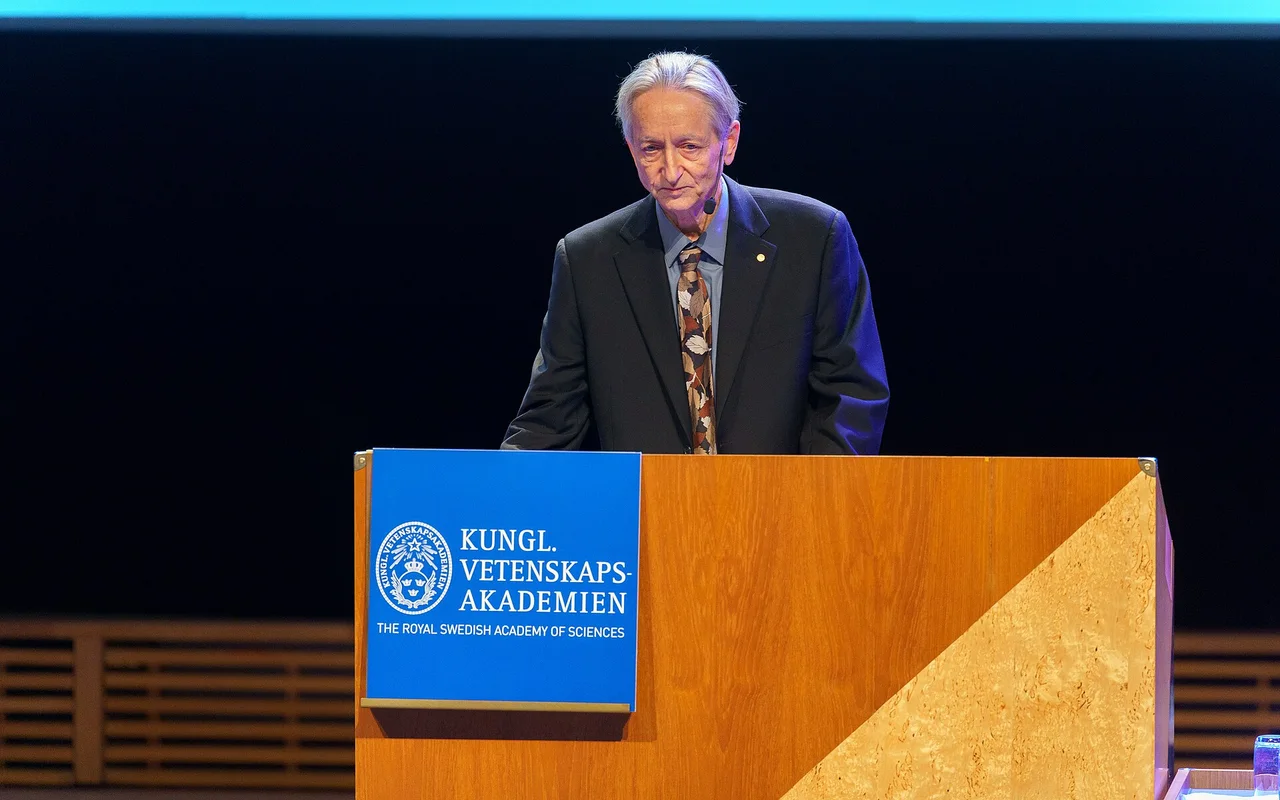
Emmanuelle Charpentier and Jennifer Doudna.jpg

2012–2018 CE · programmable Cas9 and a germline-ethics rupture · Americas · Technology

CRISPR gene editing

Research on repeated microbial DNA and bacterial adaptive immunity preceded the 2012 demonstration that CRISPR-Cas9 could be programmed to cut selected DNA. Many laboratories then adapted CRISPR systems for cells, organisms, diagnostics and treatment research.

Atlas dossier · Digital & Global Age

Free device narration · synchronized English captions · transcript available

Why it matters

The method made genome editing more accessible without making it error-free or ethically neutral. Somatic treatment, agricultural use and heritable editing carry different risks; the 2018 embryo-editing births breached prevailing safeguards and sharpened demands for consent, oversight and equitable access.

Date
2012–2018 CE · programmable Cas9 and a germline-ethics rupture
Historical setting
Digital & Global Age · Americas
People & communities
microbial-immunity researchers · Emmanuelle Charpentier · Jennifer Doudna · Virginijus Šikšnys · Feng Zhang · George Church · laboratory teams · patients and research participants · ethicists

A microbial system became a programmable tool

CRISPR repeats and associated proteins were studied across bacteria and archaea before researchers understood adaptive immunity. The 2012 programmable-Cas9 paper was a decisive engineering milestone, but it rests on work by many microbiologists and was followed by competing teams adapting editing to eukaryotic cells.

Nobel Prize: a method for genome editing

Editing categories carry different stakes

Laboratory research, somatic treatment, agricultural change and heritable human editing are not one application. Delivery, mosaicism, off-target change, long-term monitoring and informed consent vary by use. The 2018 embryo-editing births violated accepted safeguards and do not demonstrate safe clinical inheritance editing.

NHGRI: genome editing

Prize recognition is not the whole contributor map

The 2020 prize recognised Charpentier and Doudna for a genome-editing method. Šikšnys, Zhang, Church and other teams made important parallel or downstream contributions, while patients, research participants and production workers shape translation. Credit and access should be examined alongside technical capability.

Academic research on CRISPR history

Illustrated sequence

A visual presentation accompanying this entry. Read each image’s attribution to distinguish archival records, later depictions and reconstructions.

Emmanuelle Charpentier and Jennifer Doudna.jpg
IMAGE 1

Visual record

Rights-cleared archival or official image · CC BY-SA 4.0

Emmanuelle Charpentier and Jennifer Doudna.jpg — Bianca Fioretti of Hallbauer & Fioretti; Duncan.Hull and The Royal Society; CC BY-SA 4.0; via Wikimedia Commons

Source and reuse terms ↗ · Read the licence ↗
CRISPR gene editing: people and action
IMAGE 2

Another perspective

Rights-cleared archival or official image · CC BY 4.0

CRISPR CAS9 technology.png — Elena I. Leonova; CC BY 4.0; via Wikimedia Commons

Source and reuse terms ↗
CRISPR gene editing: setting and consequences
IMAGE 3

Another perspective

Rights-cleared archival or official image · CC BY-SA 4.0

Cas9 5AXW.png — Thomas Splettstoesser / scistyle.com; CC BY-SA 4.0; via Wikimedia Commons

Source and reuse terms ↗

Interpretation note

Evidence, memory and historical debate

This dossier distinguishes the event’s basic chronology from later arguments about meaning, responsibility and legacy. When comparing religious, national, Indigenous or scholarly interpretations, consult the primary and institutional sources above alongside peer-reviewed historical work.

Elsewhere in the world

Parallel histories near this moment

2012–2023 CE · selected deep-learning adoption, not the origin of artificial intelligence · GlobalMachine learning, deep learning and AI systems

A 2012 image-recognition result became a visible threshold in a much longer history of statistics, neural networks, backpropagation, specialised processors, benchmark datasets and networked computing. Later transformer and foundation-model systems extended machine learning into language and other media.

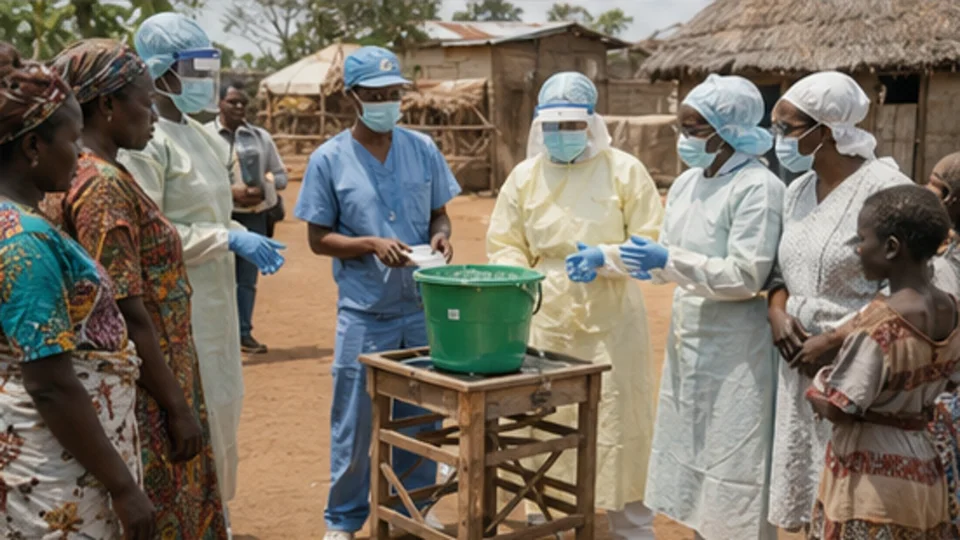
December 2013–June 2016 CE · outbreak, emergency declaration and final transmission chains · AfricaWest African Ebola epidemic

The largest recorded Ebola outbreak began in Guinea and spread principally through Liberia and Sierra Leone. WHO declared a Public Health Emergency of International Concern in August 2014; transmission chains were interrupted through local care, surveillance, safer burials, community adaptation and international support, with the outbreak declared over in June 2016.

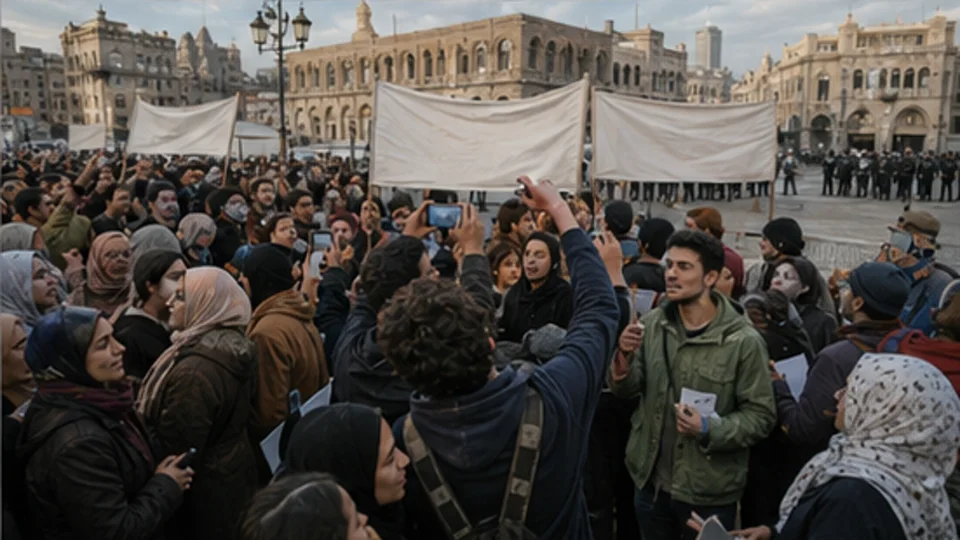
17 December 2010–2012 CE · selected opening phase of diverse uprisings · Middle EastArab uprisings

After Mohamed Bouazizi's self-immolation in Tunisia on 17 December 2010, mass protests challenged authoritarian governments across North Africa and the Middle East. Grievances, coalitions, state responses and outcomes differed sharply by country.