Why it matters
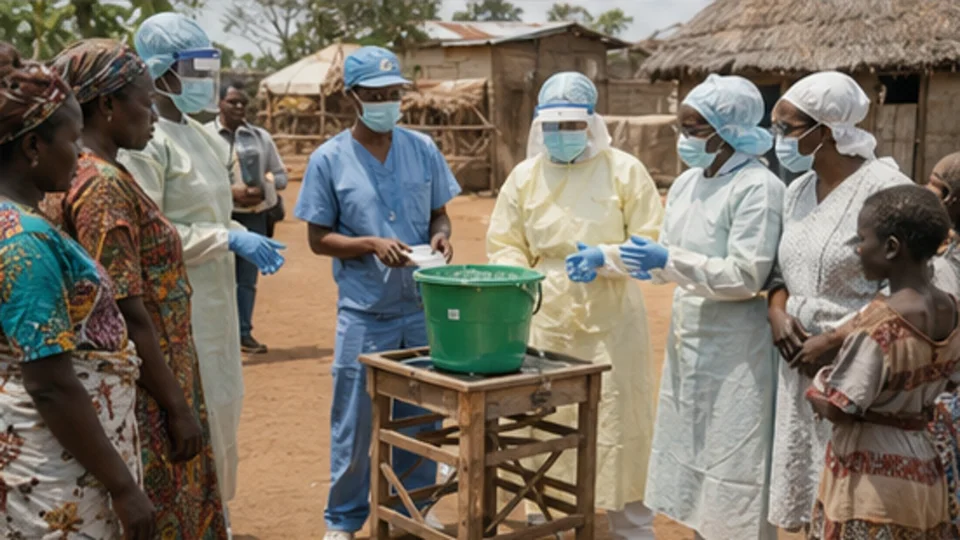
Delayed recognition and response, weak health infrastructure, risks to caregivers and distrust shaped the epidemic. Communities did not simply obstruct control: survivors, local clinicians, burial teams, faith and neighbourhood leaders adapted practices and made response possible amid stigma and loss.
- Date
- December 2013–June 2016 CE · outbreak, emergency declaration and final transmission chains
- Historical setting
- Digital & Global Age · Africa
- People & communities
- patients and survivors · bereaved families · local clinicians and laboratory teams · burial teams · community and faith leaders · public-health workers · international responders