ATLAS / 1000 BC—PRESENT
How Atlas is sourced← Back to Atlas
Back to Atlas timeline

1956–2021 · Global · Trade

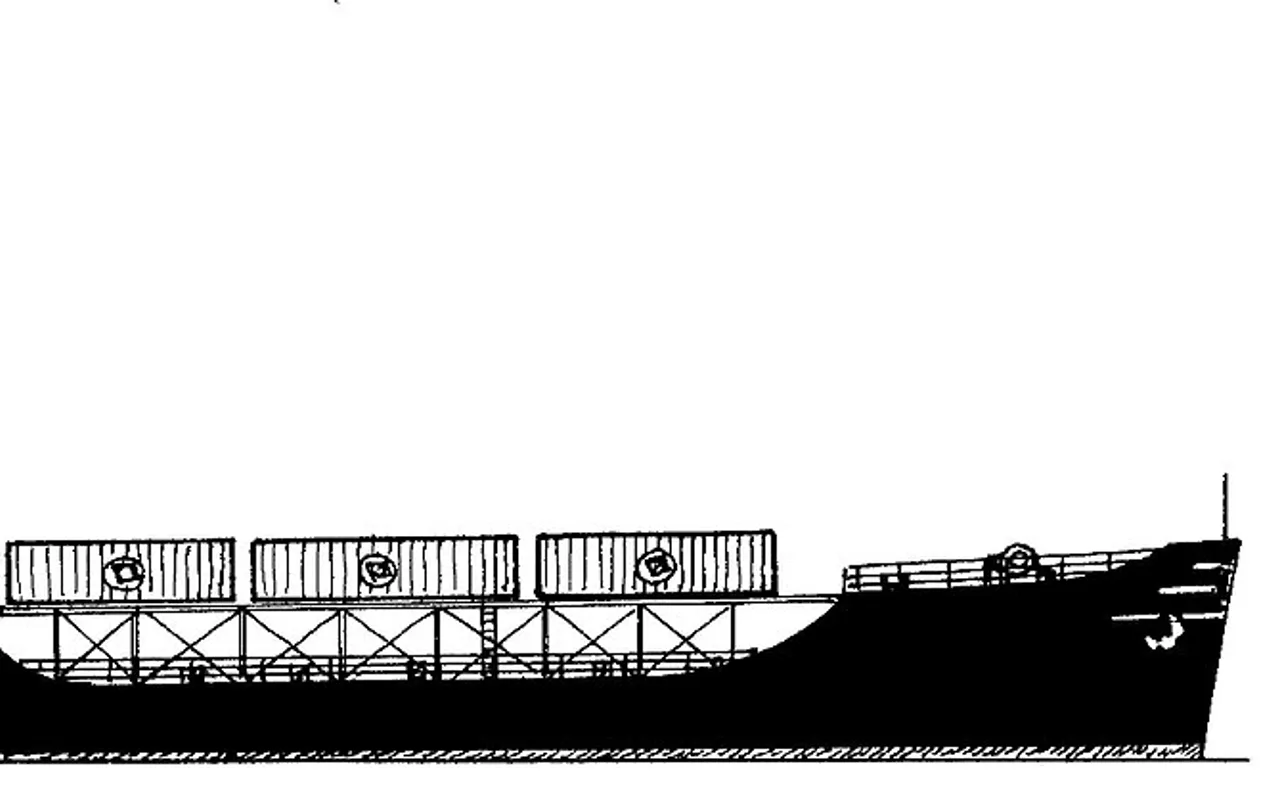
Containerization and global supply chains

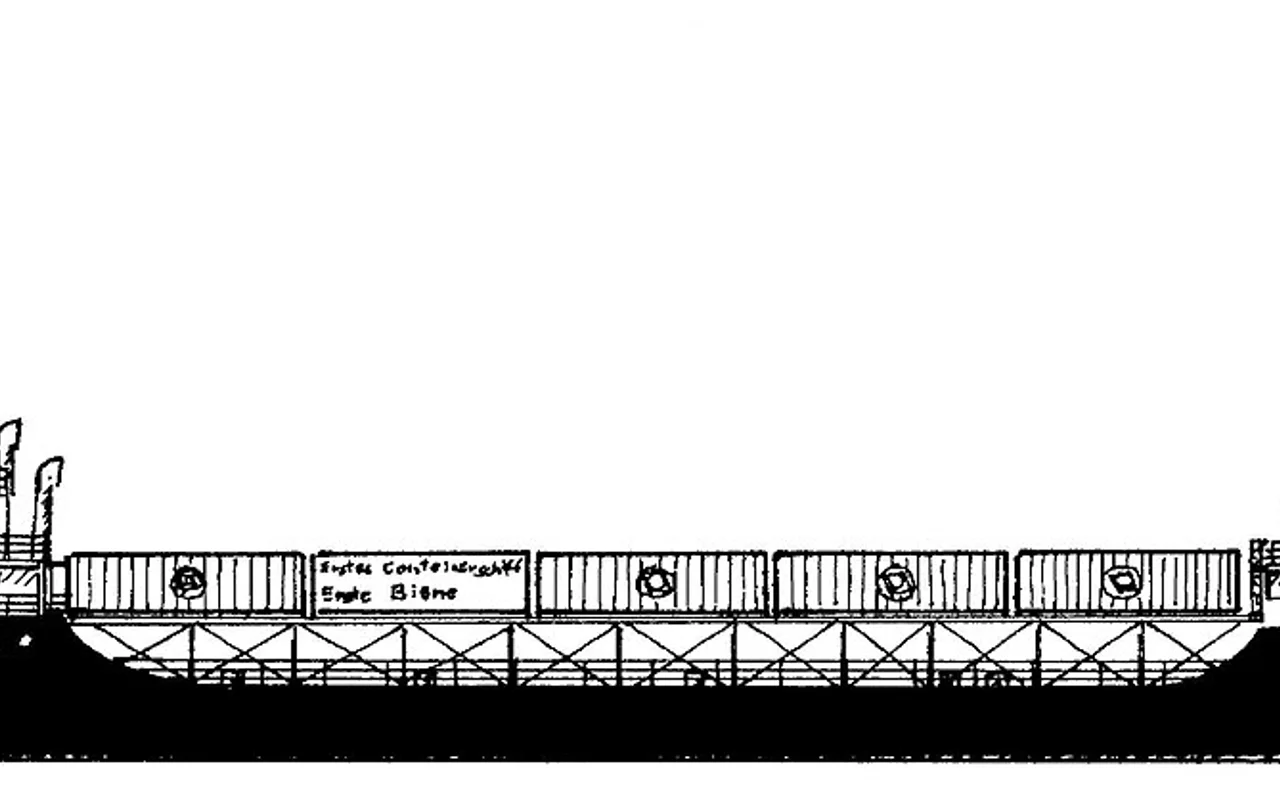
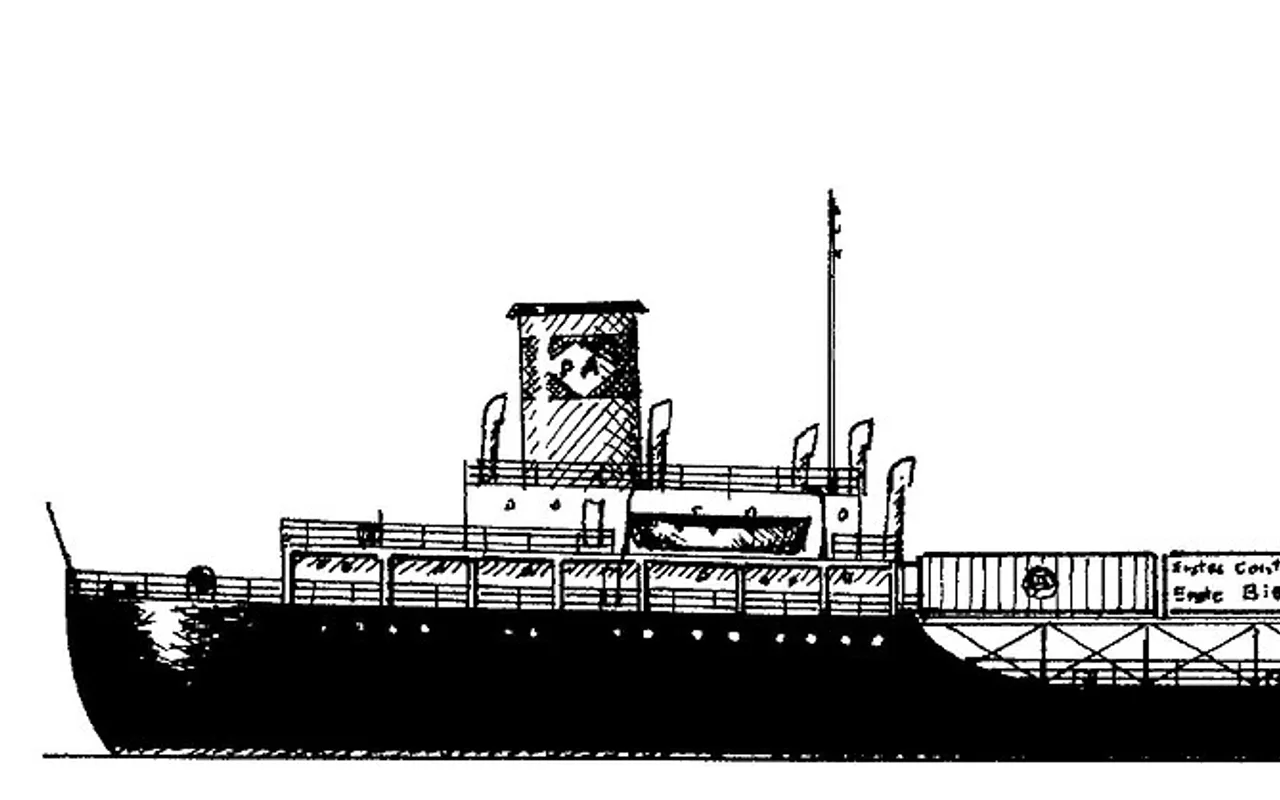
Standard shipping containers, cranes, ports and intermodal logistics reduced handling costs and reorganized manufacturing, retail and trade across the world.

Atlas dossier · Cold War & Decolonization

Free device narration · synchronized English captions · transcript available

Why it matters

Containerization made global supply chains more efficient while concentrating gains and vulnerabilities in ports, labor systems and strategic chokepoints.

Date
1956–2021
Historical setting
Cold War & Decolonization · Global
People & communities
Malcom McLean · dock workers · port cities · factory workers · shipping crews
01

Event

Standard shipping containers, cranes, ports and intermodal logistics reduced handling costs and reorganized manufacturing, retail and trade across the world.

02

People

Malcom McLean · dock workers · port cities · factory workers · shipping crews
03

Consequences

Containerization made global supply chains more efficient while concentrating gains and vulnerabilities in ports, labor systems and strategic chokepoints.

Interpretation note

Evidence, memory and historical debate

This dossier distinguishes the event’s basic chronology from later arguments about meaning, responsibility and legacy. When comparing religious, national, Indigenous or scholarly interpretations, consult the primary and institutional sources above alongside peer-reviewed historical work.

Elsewhere in the world

Parallel histories near this moment

1955–1968 · AmericasCivil Rights Movement

Black-led organizing challenged segregation and racial violence through litigation, boycotts, direct action and mass political mobilization.

1957 · AfricaGhanaian independence

Ghana became the first sub-Saharan African colony to gain independence from European rule in the twentieth-century wave.

1954–1984 · AmericasOrgan transplantation and immunosuppression

Successful kidney transplantation, improved surgical practice and immunosuppressive medicines gradually made replacement of failing organs a realistic clinical option.