ATLAS / ANCIENT—PRESENT
All historyHow Atlas is sourced← Back to Atlas
Back to Atlas timeline
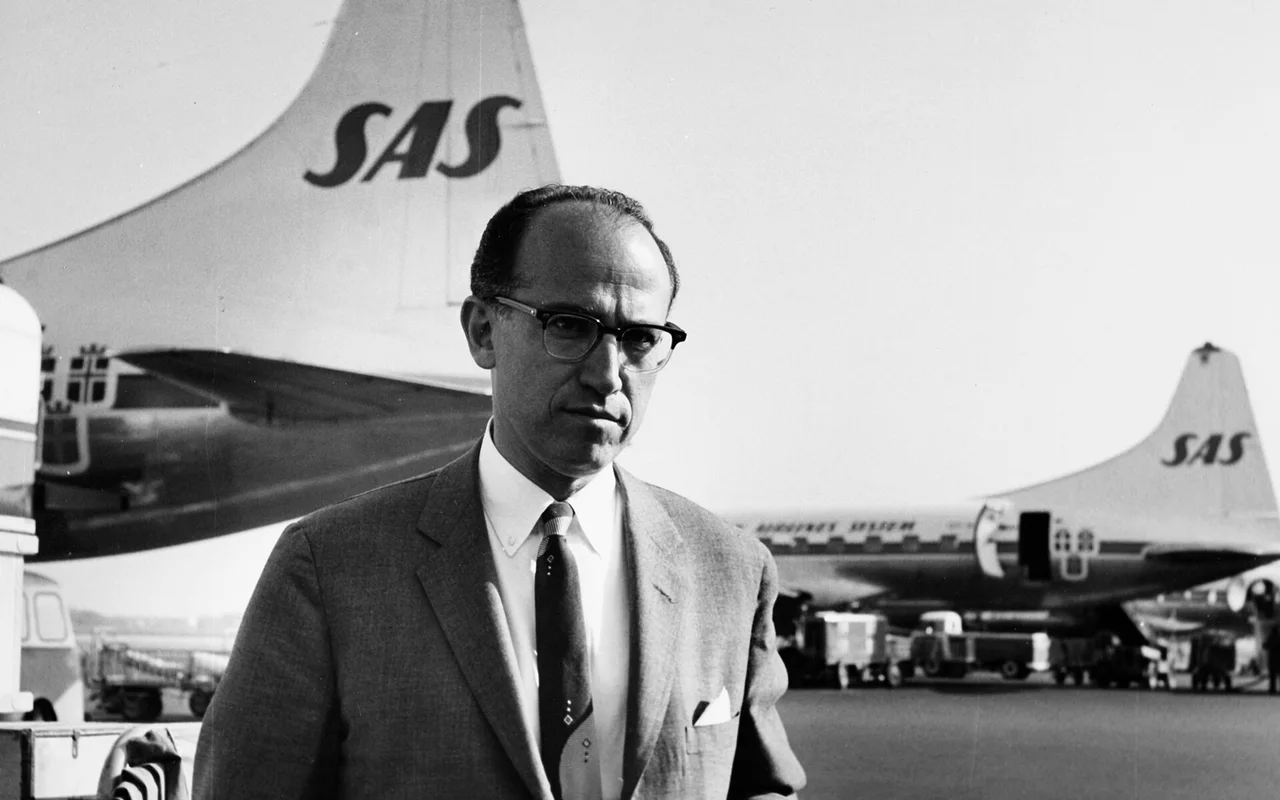
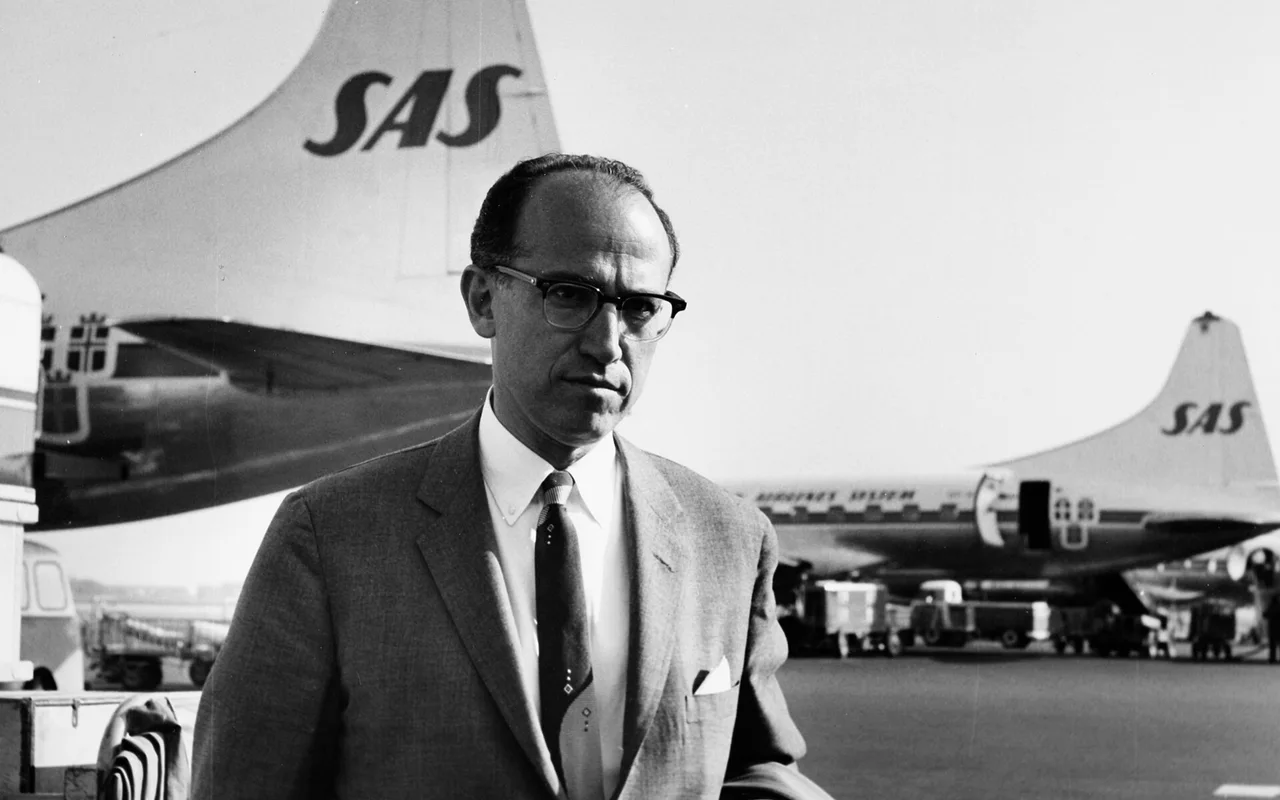
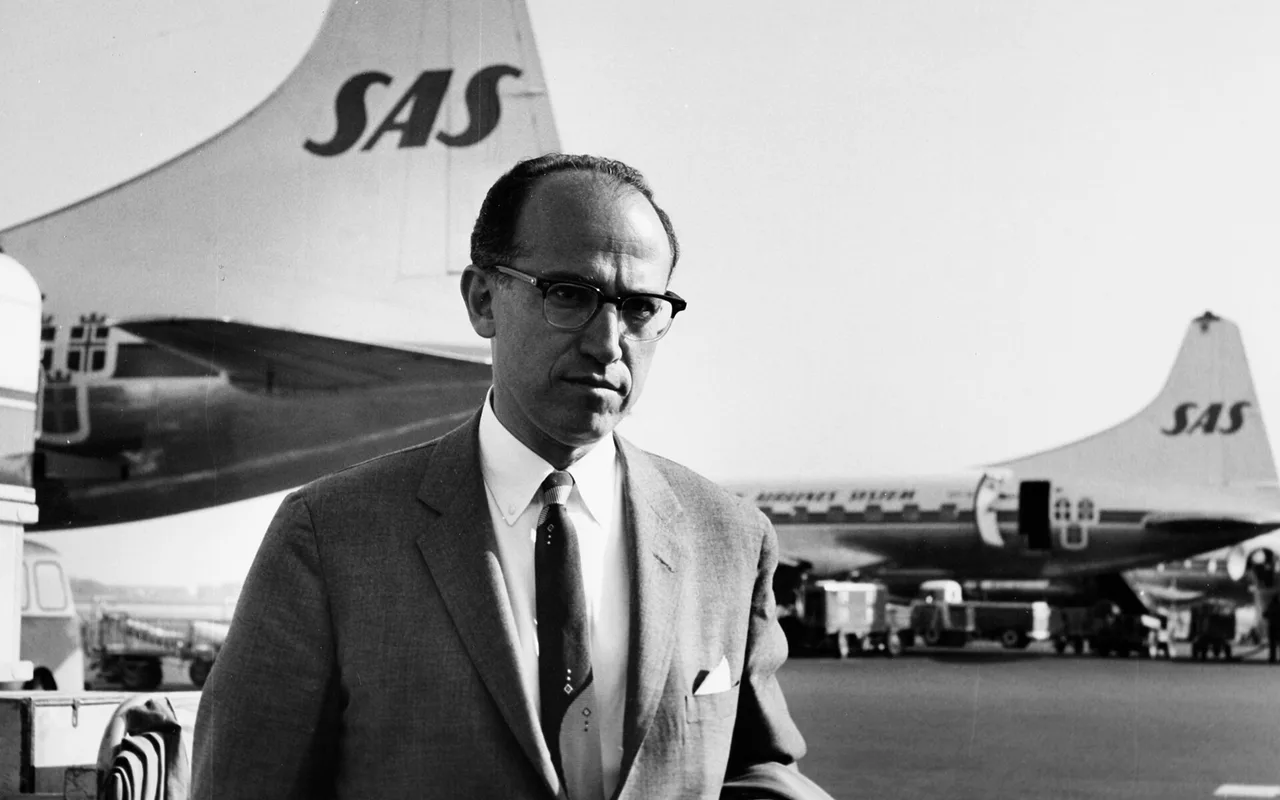
Dr Jonas Edward Salk, creator of Salk polio vaccine, at Copenhagen Airport.jpg

1955–1988 CE · vaccine and eradication-campaign milestones · Global · Medicine

Polio vaccines and mass immunization

The inactivated Salk vaccine was licensed in 1955 and oral Sabin vaccines followed in the early 1960s; manufacturing, surveillance and mass campaigns then sharply reduced poliomyelitis in many countries.

Atlas dossier · Cold War & Decolonization

Free device narration · synchronized English captions · transcript available

Why it matters

The 1988 endpoint marks the launch of the Global Polio Eradication Initiative, not eradication: vaccination, trust, access, laboratory surveillance and rapid response remain necessary wherever transmission or importation can occur.

Date
1955–1988 CE · vaccine and eradication-campaign milestones
Historical setting
Cold War & Decolonization · Global
People & communities
Jonas Salk · Albert Sabin · trial participants · vaccine workers · laboratory networks · children and families · public-health campaigns

Two vaccine pathways, not one discovery

The inactivated Salk vaccine was licensed in the United States in 1955 after a vast field trial. Sabin’s live oral vaccines entered wider use in the early 1960s and offered different delivery advantages and risks. Their histories should be distinguished while crediting trial participants, manufacturers, regulators and health workers alongside named researchers.

U.S. Centers for Disease Control and Prevention: polio

1988 launched a campaign; it did not end polio

The World Health Assembly’s 1988 eradication initiative set a global objective after vaccines had already reduced disease in many countries. Wild poliovirus was not eradicated by that date. Continued vaccination, laboratory surveillance and outbreak response explain both extraordinary progress and why the endpoint cannot be written as victory completed.

World Health Organization: poliomyelitis

Illustrated sequence

A visual presentation accompanying this entry. Read each image’s attribution to distinguish archival records, later depictions and reconstructions.

Dr Jonas Edward Salk, creator of Salk polio vaccine, at Copenhagen Airport.jpg
IMAGE 1

Visual record

Rights-cleared archival or official image · Public domain

Dr Jonas Edward Salk, creator of Salk polio vaccine, at Copenhagen Airport.jpg — SAS Scandinavian Airlines; Public domain; via Wikimedia Commons

Source and reuse terms ↗

Interpretation note

Evidence, memory and historical debate

This dossier distinguishes the event’s basic chronology from later arguments about meaning, responsibility and legacy. When comparing religious, national, Indigenous or scholarly interpretations, consult the primary and institutional sources above alongside peer-reviewed historical work.

Elsewhere in the world

Parallel histories near this moment

1955–1968 CE · selected mass-movement and federal-law phase · AmericasCivil Rights Movement

A selected phase of a much longer Black freedom struggle challenged segregation, disenfranchisement and racial violence through litigation, boycotts, direct action, community organizing and mass political mobilization.

1954–1984 CE · transplantation and immunosuppression milestones · AmericasOrgan transplantation and immunosuppression

A successful 1954 kidney transplant between identical twins avoided immune rejection; tissue matching, organ preservation and immunosuppressive regimens later made transplants between genetically different people increasingly viable.

1953–1973 CE · structure, genetic code and recombinant-DNA milestones · EuropeDNA structure and molecular biology

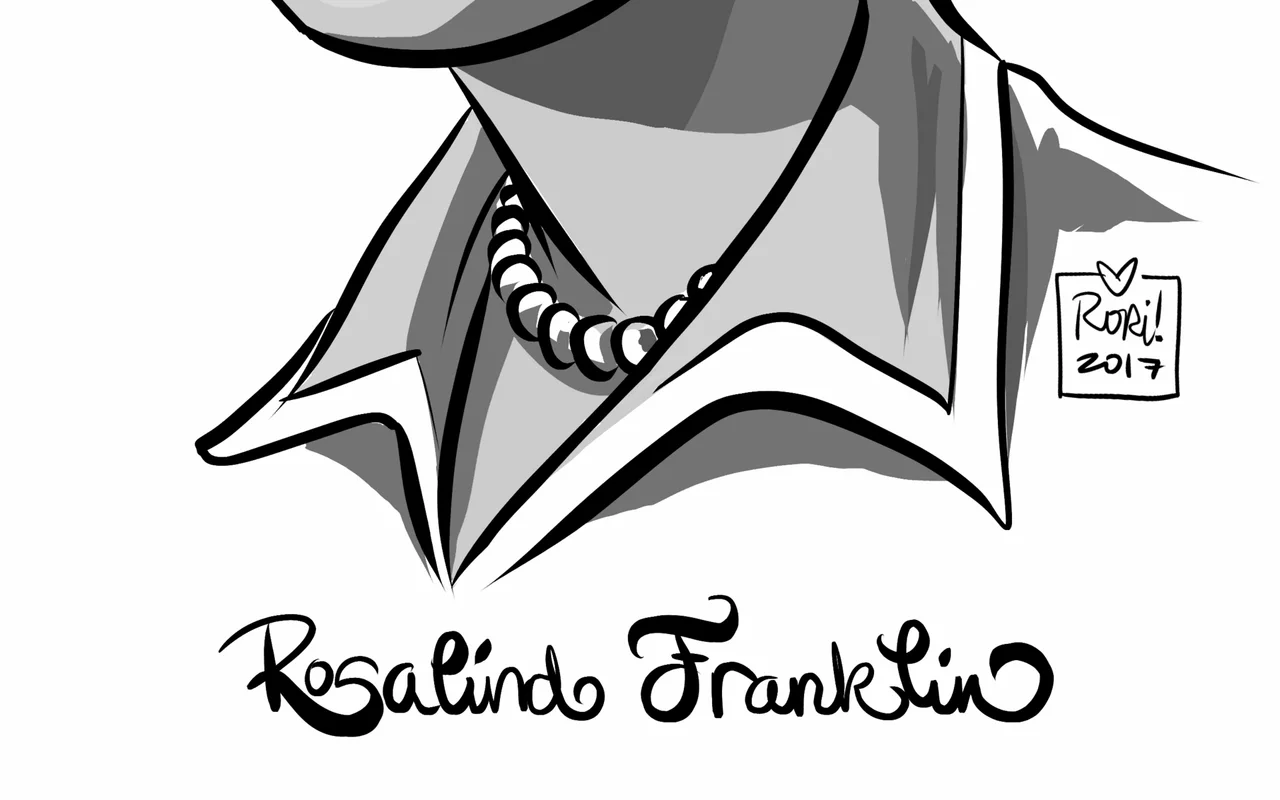
In 1953 Watson and Crick proposed a double-helix model using constraints including Rosalind Franklin and Raymond Gosling’s diffraction work and Chargaff’s base ratios; later teams deciphered the genetic code and developed recombinant-DNA methods.