ATLAS / ANCIENT—PRESENT
All historyHow Atlas is sourced← Back to Atlas
Back to Atlas timeline
Joseph Murray USMC-090916-M-8077B-049.jpg

1954–1984 CE · transplantation and immunosuppression milestones · Americas · Medicine

Organ transplantation and immunosuppression

A successful 1954 kidney transplant between identical twins avoided immune rejection; tissue matching, organ preservation and immunosuppressive regimens later made transplants between genetically different people increasingly viable.

Atlas dossier · Cold War & Decolonization

Free device narration · synchronized English captions · transcript available

Why it matters

Transplantation can extend life but never became a simple organ-replacement technology: rejection, infection, lifelong medicine, scarce organs, consent, allocation, trafficking and unequal access remain central.

Date
1954–1984 CE · transplantation and immunosuppression milestones
Historical setting
Cold War & Decolonization · Americas
People & communities
Joseph Murray · surgical teams · organ donors · recipients · immunologists
The first success bypassed the central immune problem

The 1954 kidney transplant between identical twins succeeded because donor and recipient were genetically alike. It demonstrated surgical and clinical possibility but did not solve rejection for unrelated donors. Tissue typing, preservation and changing immunosuppressive drugs made broader transplantation possible over later decades.

Nobel Prize in Physiology or Medicine 1990 ↗

A transplant is a continuing system of care

Recipients face rejection, infection, drug toxicity and lifelong monitoring. Deceased and living donation require consent, safety and transparent allocation under scarcity. Trafficking and transplant tourism show why a success narrative must include donors, regulation and global inequality as well as surgeons and recipients.

World Health Organization: transplantation ↗

Illustrated sequence

A visual presentation accompanying this entry. Read each image’s attribution to distinguish archival records, later depictions and reconstructions.

Interpretation note

Evidence, memory and historical debate

This dossier distinguishes the event’s basic chronology from later arguments about meaning, responsibility and legacy. When comparing religious, national, Indigenous or scholarly interpretations, consult the primary and institutional sources above alongside peer-reviewed historical work.

Elsewhere in the world

Parallel histories near this moment

1954–2021 CE · selected solar, wind and power-system milestones · GlobalRenewable electricity and the energy transition

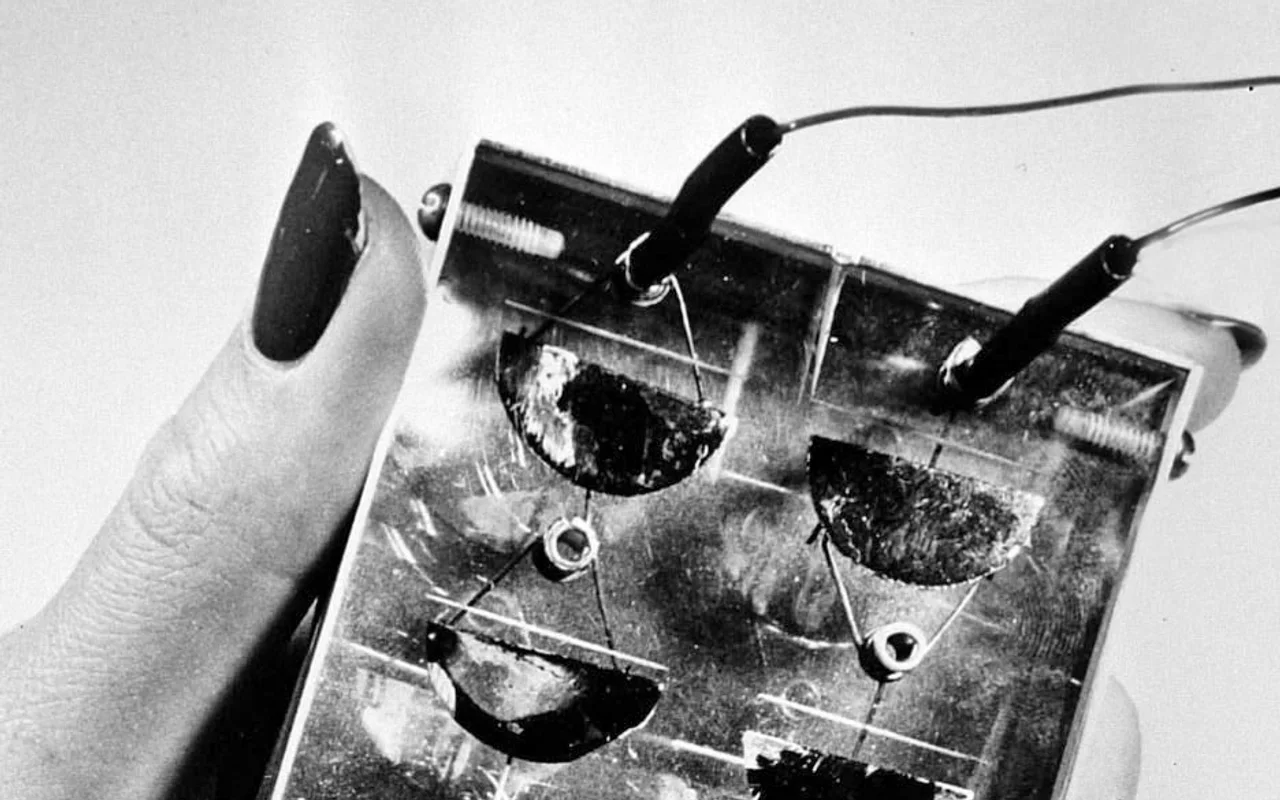
The 1954 practical silicon solar cell anchors a selected sequence in which photovoltaic manufacturing, larger wind turbines, power electronics, storage and grid operation made variable renewable electricity increasingly deployable.

1953–1973 CE · structure, genetic code and recombinant-DNA milestones · EuropeDNA structure and molecular biology

In 1953 Watson and Crick proposed a double-helix model using constraints including Rosalind Franklin and Raymond Gosling’s diffraction work and Chargaff’s base ratios; later teams deciphered the genetic code and developed recombinant-DNA methods.

1955–1961 CE · Bandung conference and Belgrade founding milestones · GlobalBandung and the Non-Aligned Movement

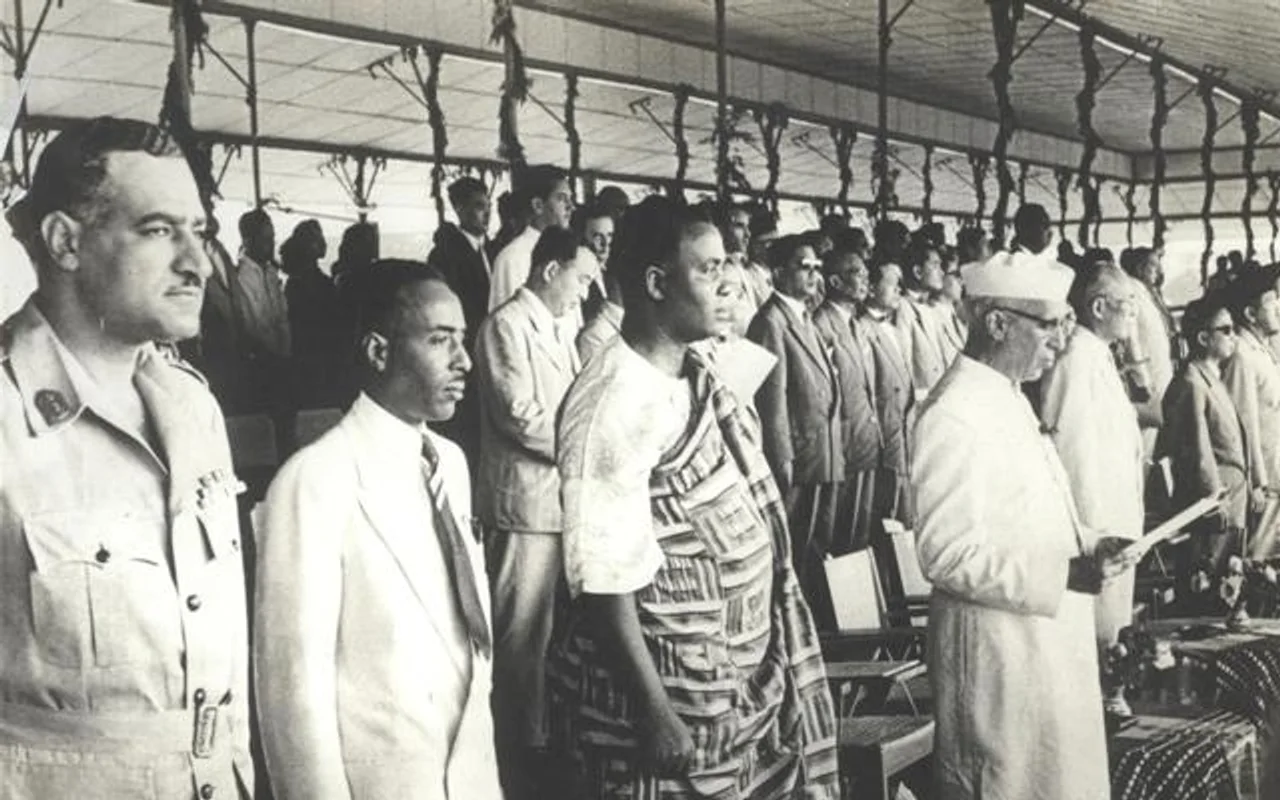
Delegates from twenty-nine Asian and African states met at Bandung in April 1955 to debate colonialism, cooperation and peace. Six years later, a partly overlapping group formally founded the Non-Aligned Movement at Belgrade.