ATLAS / ANCIENT—PRESENT
All historyHow Atlas is sourced← Back to Atlas
Back to Atlas timeline
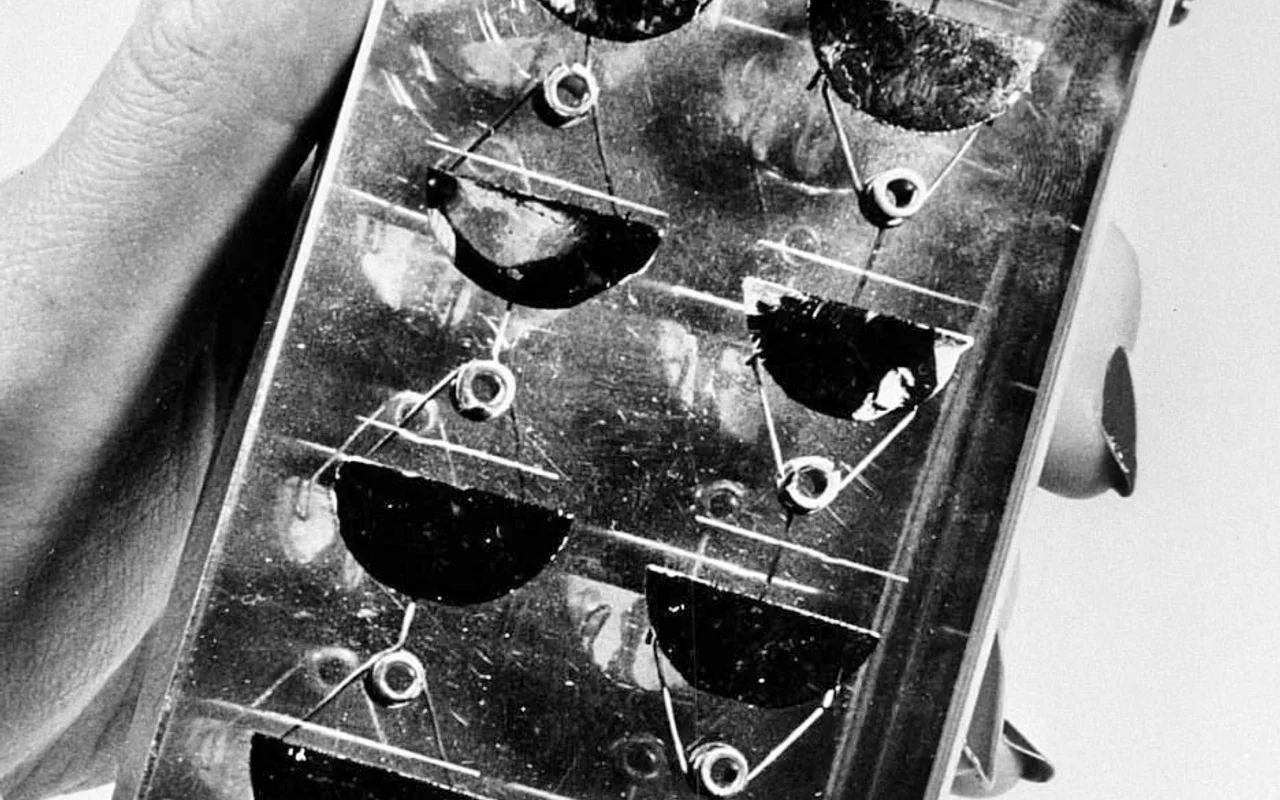
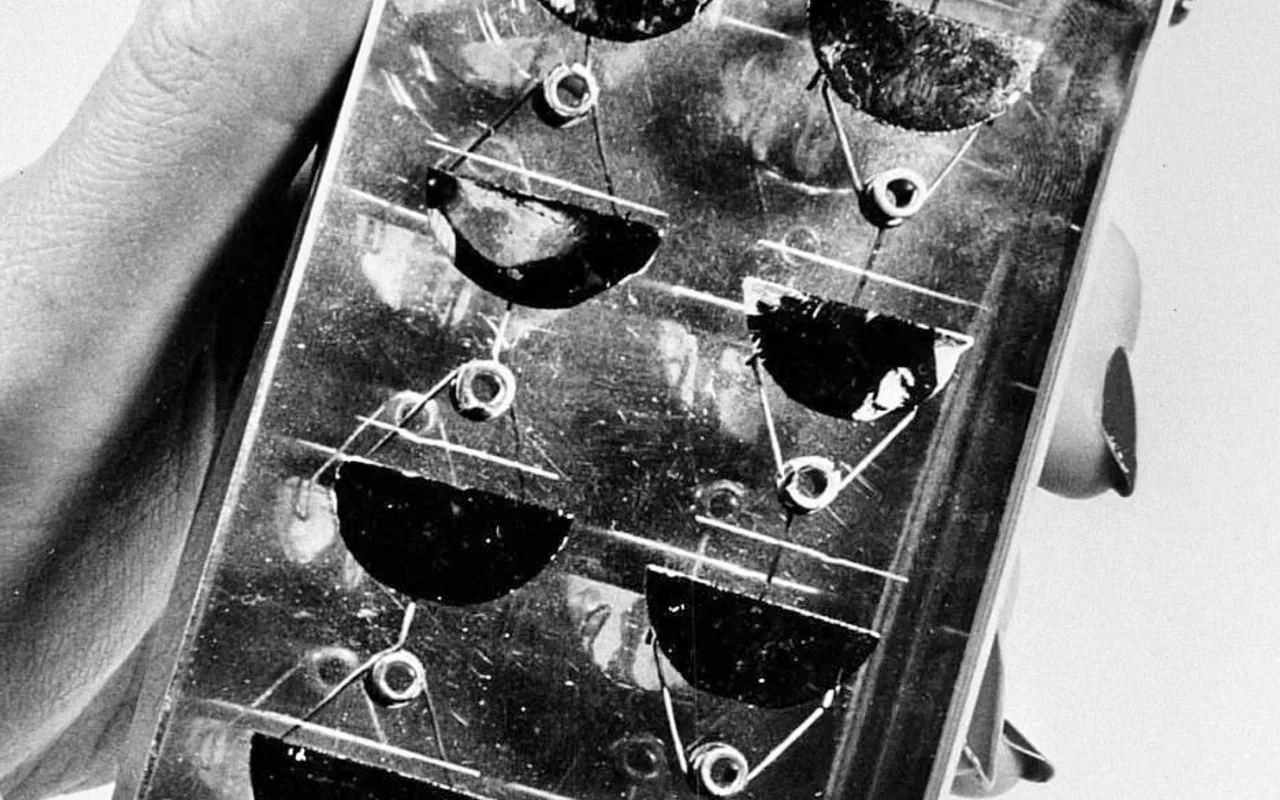
SolarModul 1954.jpg

1954–2021 CE · selected solar, wind and power-system milestones · Global · Technology

Renewable electricity and the energy transition

The 1954 practical silicon solar cell anchors a selected sequence in which photovoltaic manufacturing, larger wind turbines, power electronics, storage and grid operation made variable renewable electricity increasingly deployable.

Atlas dossier · Cold War & Decolonization

Free device narration · synchronized English captions · transcript available

Why it matters

The transition is ongoing rather than completed in 2021: low-carbon electricity can reduce emissions, while mining, manufacturing, transmission, land, labour, reliability and access distribute benefits and costs unevenly.

Date
1954–2021 CE · selected solar, wind and power-system milestones
Historical setting
Cold War & Decolonization · Global
People & communities
Bell Labs solar researchers · engineers · utility workers · communities · climate advocates
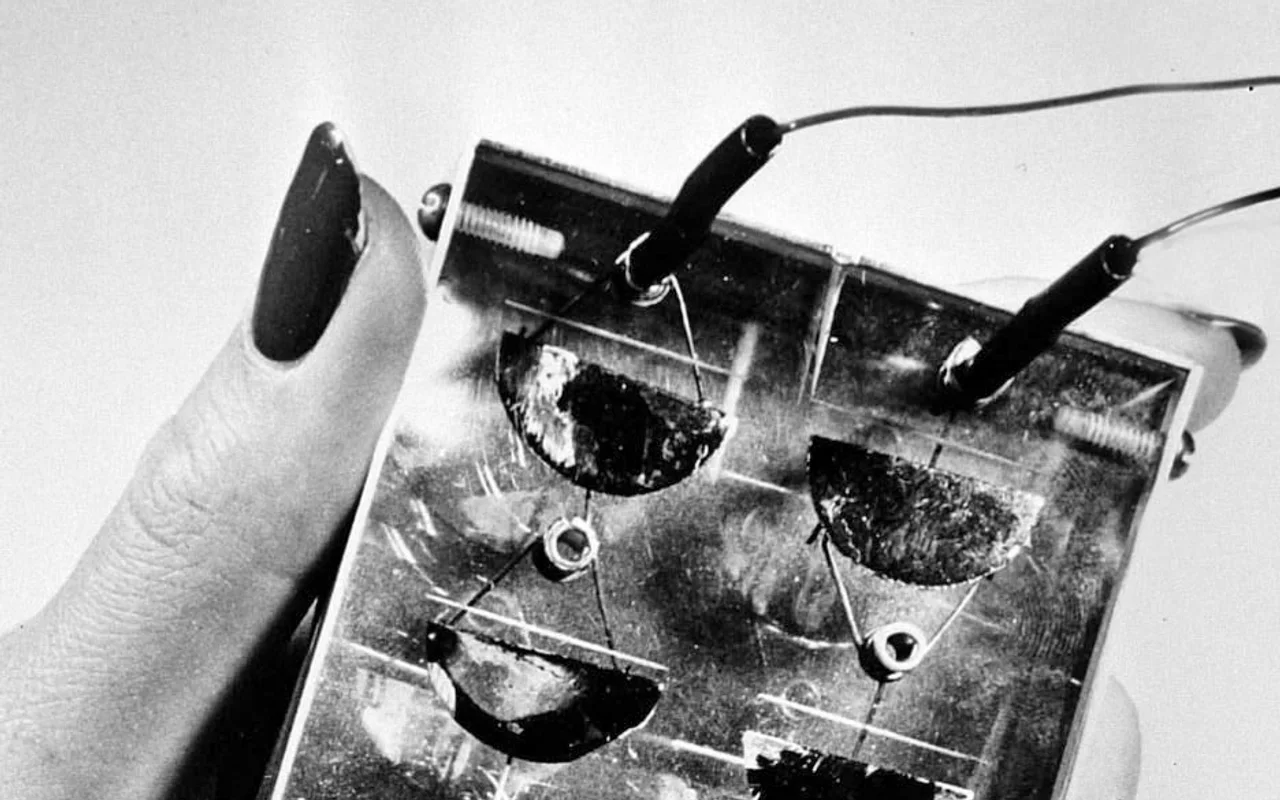
The 1954 cell is a selected engineering milestone

Bell Laboratories demonstrated a practical silicon photovoltaic cell in 1954, but solar conversion research was older and early devices were costly. Manufacturing scale, policy support, materials improvements and power electronics later drove deployment, while wind technology followed its own mechanical and electrical history.

National Museum of American History: solar energy collections

Transition is a power system, not a device swap

Variable wind and solar generation interact with transmission, storage, demand, market rules and firm capacity. Falling technology costs do not by themselves build grids or secure universal access. The 2021 endpoint is a review boundary, not a claim that fossil energy or energy poverty ended.

IPCC: Climate Change 2022 — Mitigation

Low carbon does not mean impact free

Renewable systems can cut operational emissions while still requiring minerals, land, manufacturing and labour. Projects can affect Indigenous rights, habitats and local control. A credible transition weighs life-cycle impacts and distribution without using those costs to equate renewables with unabated fossil fuel combustion.

Academic research on renewable electricity transitions

Illustrated sequence

A visual presentation accompanying this entry. Read each image’s attribution to distinguish archival records, later depictions and reconstructions.

SolarModul 1954.jpg
IMAGE 1

Visual record

Rights-cleared archival or official image · Public domain

SolarModul 1954.jpg — Unknown authorUnknown author; Public domain; via Wikimedia Commons

Source and reuse terms ↗

Interpretation note

Evidence, memory and historical debate

This dossier distinguishes the event’s basic chronology from later arguments about meaning, responsibility and legacy. When comparing religious, national, Indigenous or scholarly interpretations, consult the primary and institutional sources above alongside peer-reviewed historical work.

Elsewhere in the world

Parallel histories near this moment

1954–1984 CE · transplantation and immunosuppression milestones · AmericasOrgan transplantation and immunosuppression

A successful 1954 kidney transplant between identical twins avoided immune rejection; tissue matching, organ preservation and immunosuppressive regimens later made transplants between genetically different people increasingly viable.

1953–1973 CE · structure, genetic code and recombinant-DNA milestones · EuropeDNA structure and molecular biology

In 1953 Watson and Crick proposed a double-helix model using constraints including Rosalind Franklin and Raymond Gosling’s diffraction work and Chargaff’s base ratios; later teams deciphered the genetic code and developed recombinant-DNA methods.

1955–1968 CE · selected mass-movement and federal-law phase · AmericasCivil Rights Movement

A selected phase of a much longer Black freedom struggle challenged segregation, disenfranchisement and racial violence through litigation, boycotts, direct action, community organizing and mass political mobilization.