ATLAS / 1000 BC—PRESENT
How Atlas is sourced← Back to Atlas
Back to Atlas timeline

1955–1961 · Global · Rights

Bandung and the Non-Aligned Movement

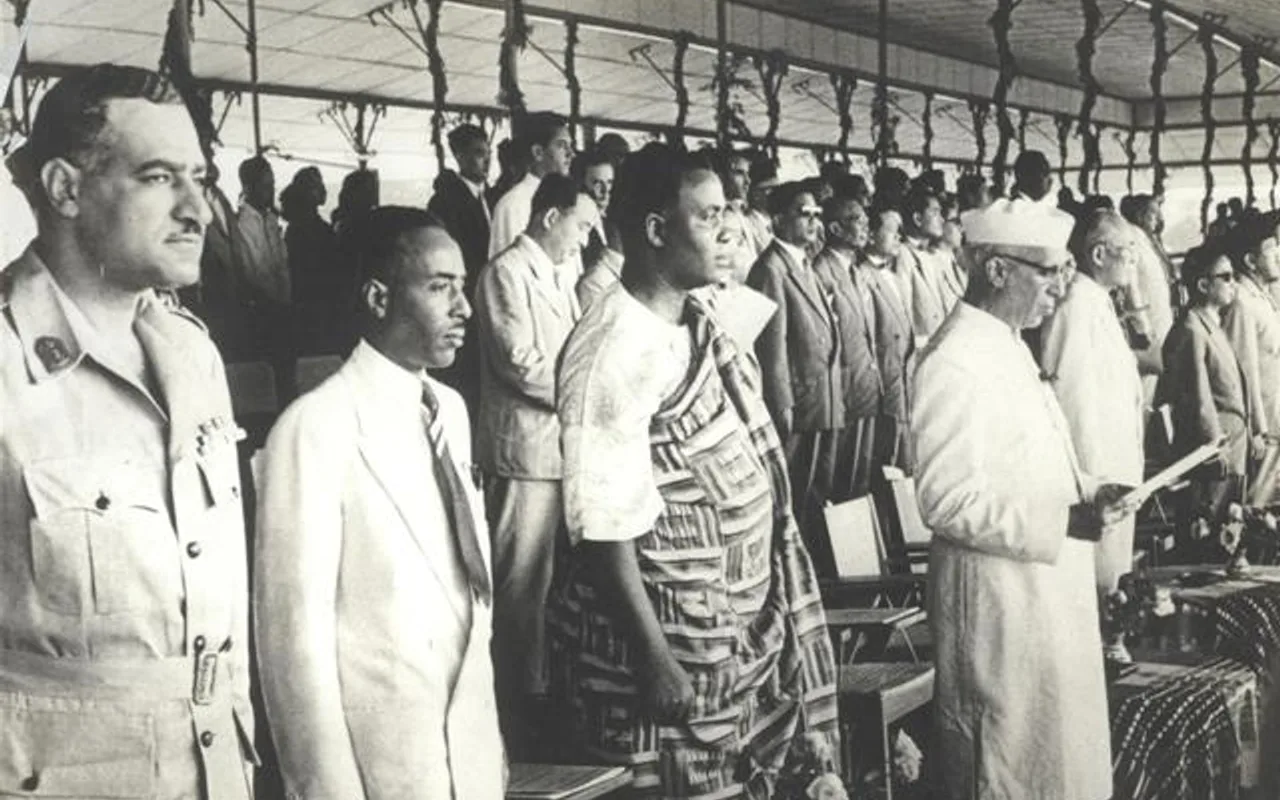
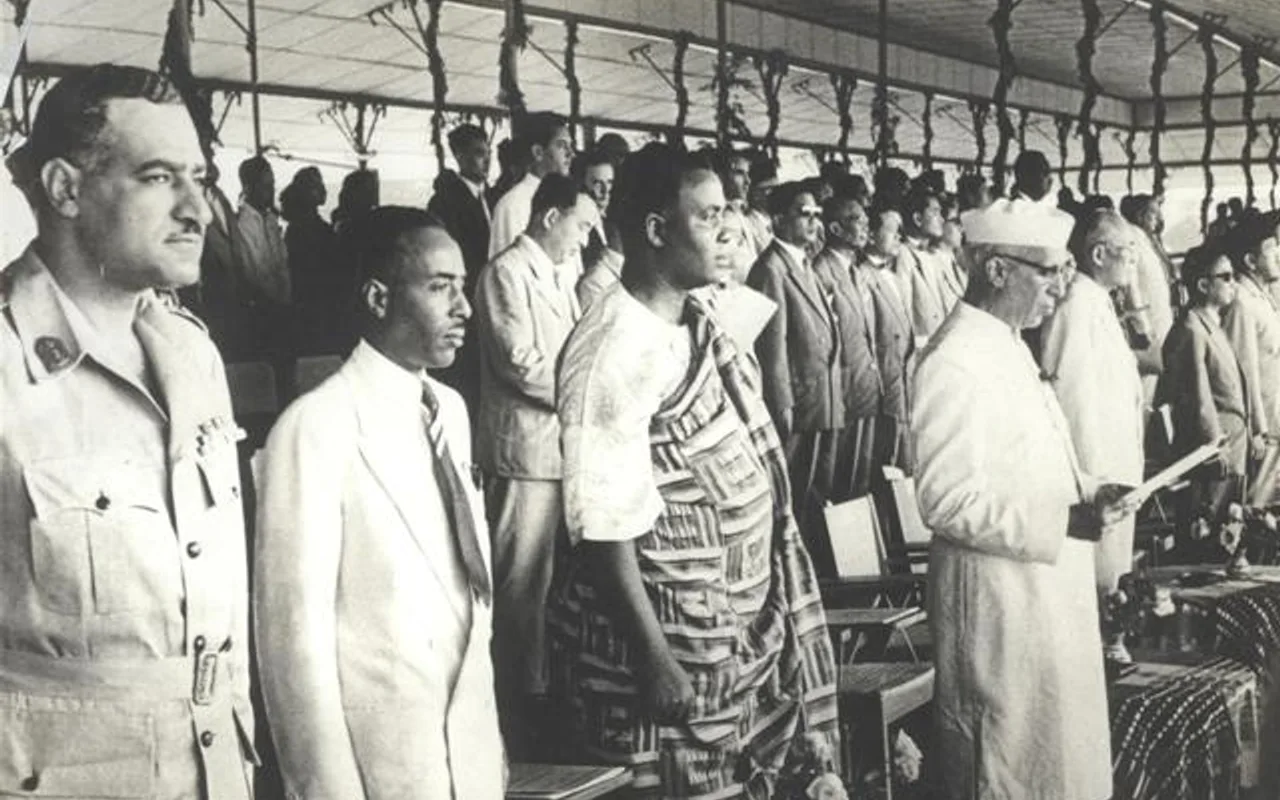
Leaders from newly independent Asian and African states met at Bandung in 1955 and later established the Non-Aligned Movement, seeking anti-colonial cooperation and room for independent action amid Cold War rivalry.

Atlas dossier · Cold War & Decolonization

Free device narration · synchronized English captions · transcript available

Why it matters

Bandung made the Global South a visible political force and shaped debates over sovereignty, racial equality, development and peace.

Date
1955–1961
Historical setting
Cold War & Decolonization · Global
People & communities
Sukarno · Jawaharlal Nehru · Kwame Nkrumah · Gamal Abdel Nasser · delegates from Asia and Africa
01

Event

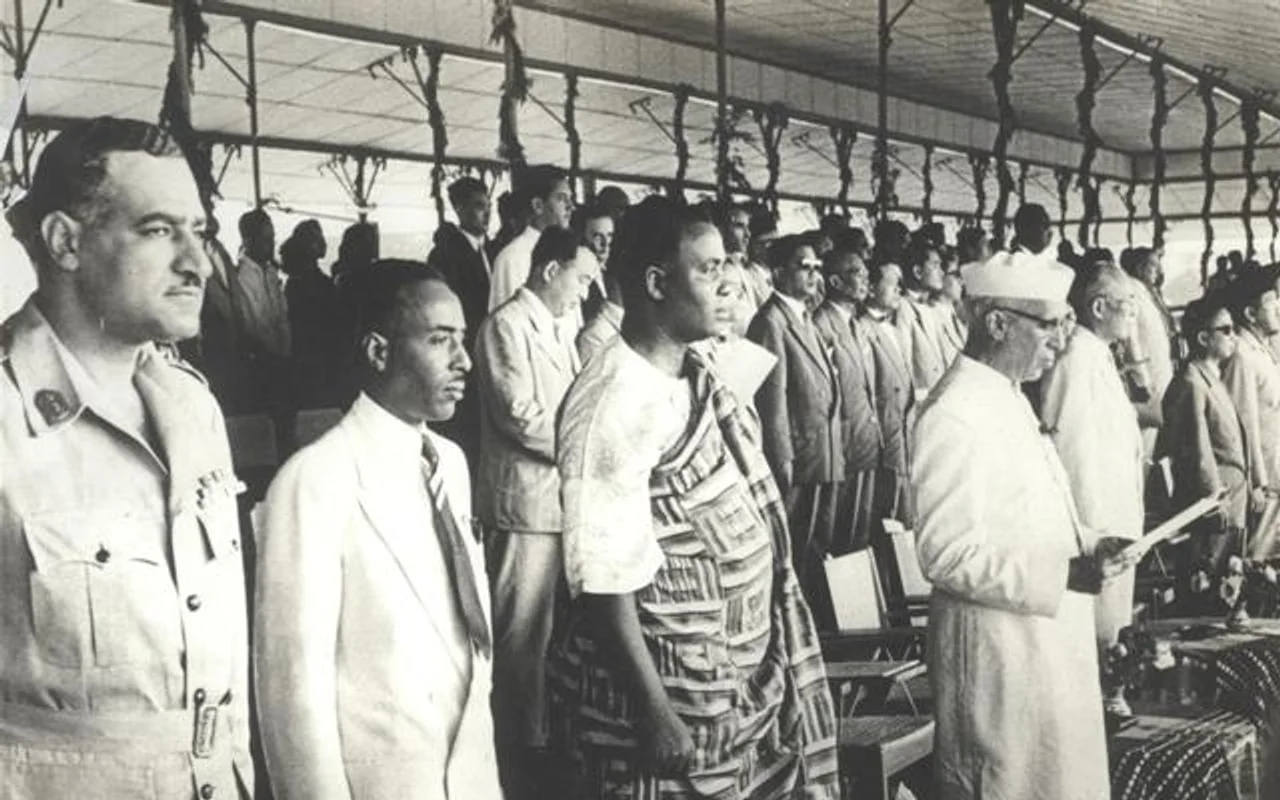
Leaders from newly independent Asian and African states met at Bandung in 1955 and later established the Non-Aligned Movement, seeking anti-colonial cooperation and room for independent action amid Cold War rivalry.

02

People

Sukarno · Jawaharlal Nehru · Kwame Nkrumah · Gamal Abdel Nasser · delegates from Asia and Africa
03

Consequences

Bandung made the Global South a visible political force and shaped debates over sovereignty, racial equality, development and peace.

Interpretation note

Evidence, memory and historical debate

This dossier distinguishes the event’s basic chronology from later arguments about meaning, responsibility and legacy. When comparing religious, national, Indigenous or scholarly interpretations, consult the primary and institutional sources above alongside peer-reviewed historical work.

Elsewhere in the world

Parallel histories near this moment

1955–1968 · AmericasCivil Rights Movement

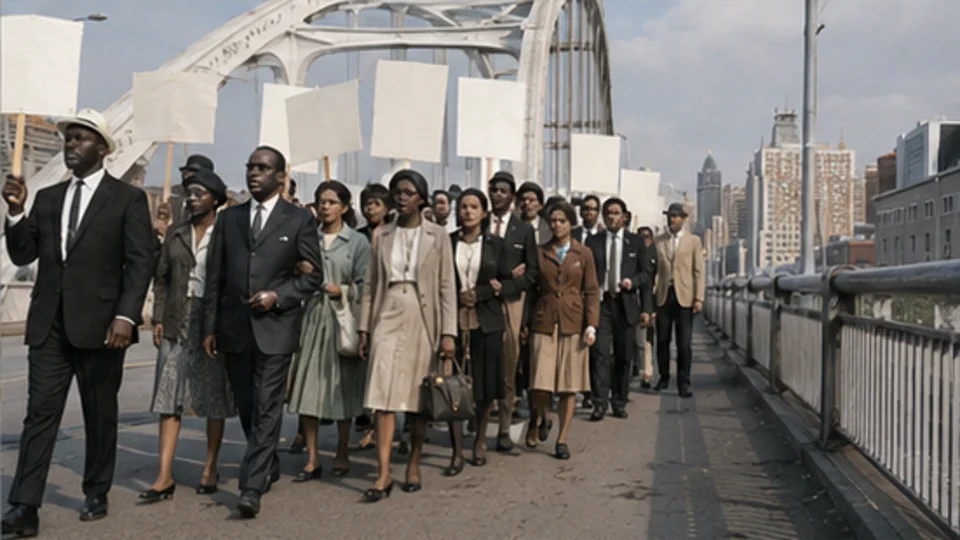
Black-led organizing challenged segregation and racial violence through litigation, boycotts, direct action and mass political mobilization.

1954–1984 · AmericasOrgan transplantation and immunosuppression

Successful kidney transplantation, improved surgical practice and immunosuppressive medicines gradually made replacement of failing organs a realistic clinical option.

1953–1973 · EuropeDNA structure and molecular biology

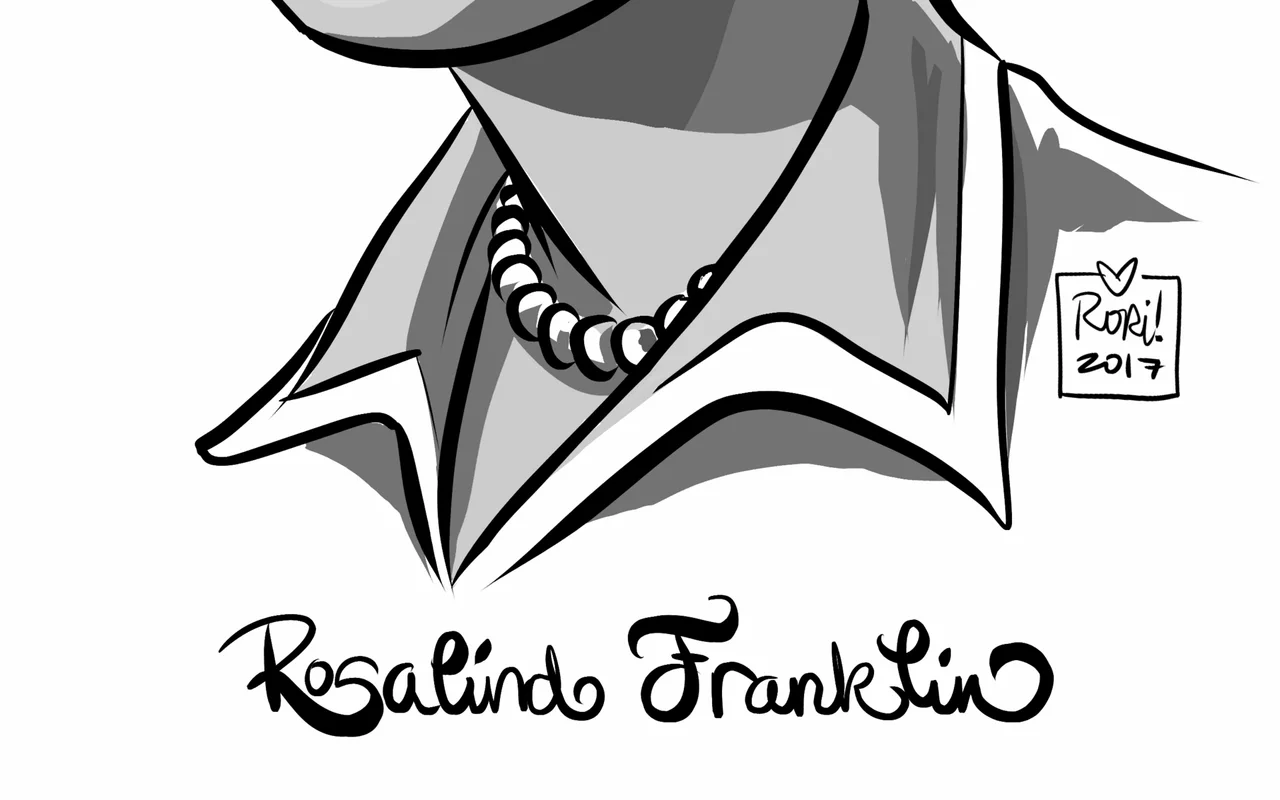
Work on DNA’s double helix, the genetic code and molecular tools connected heredity to physical molecules that could be read and manipulated.