ATLAS / ANCIENT—PRESENT
All historyHow Atlas is sourced← Back to Atlas
Back to Atlas timeline
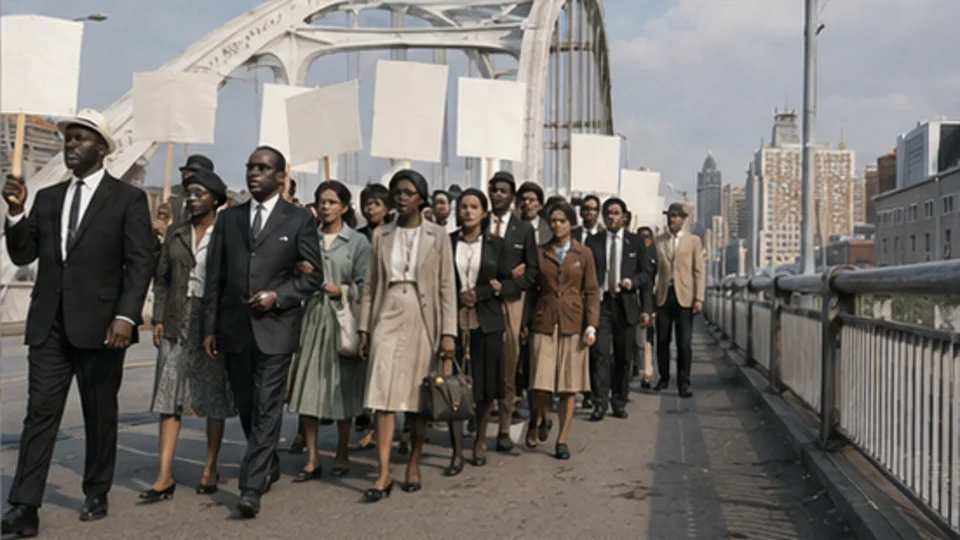
Civil Rights Movement — original Atlas editorial reconstruction

1955–1968 CE · selected mass-movement and federal-law phase · Americas · Rights

Civil Rights Movement

A selected phase of a much longer Black freedom struggle challenged segregation, disenfranchisement and racial violence through litigation, boycotts, direct action, community organizing and mass political mobilization.

Atlas dossier · Cold War & Decolonization

Free device narration · synchronized English captions · transcript available

Why it matters

Landmark federal laws transformed U.S. law and inspired global struggles against racism, but did not end structural inequality, voter suppression, economic exclusion or police violence.

Date
1955–1968 CE · selected mass-movement and federal-law phase
Historical setting
Cold War & Decolonization · Americas
People & communities
local organizers · women and youth · Rosa Parks · Ella Baker · Fannie Lou Hamer · Martin Luther King Jr. · SNCC · unions and churches

1955–1968 is a selected phase

The Montgomery bus boycott and King’s assassination frame a widely taught phase of mass protest and federal legislation, not the beginning and end of the Black freedom struggle. Earlier litigation, labour organising, anti-lynching campaigns and voting work made these victories possible, while organising continued afterward.

U.S. National Archives: Civil Rights records ↗

Local leadership and movement diversity

Women, young people, students, churches, unions and local communities sustained boycotts, freedom schools, voter registration and direct action. Organisations differed over nonviolence, electoral politics, economic justice and self-defence. Keeping that plurality visible prevents the history from collapsing into one leader or one march.

Smithsonian NMAAHC: Defending Freedom, Defining Freedom ↗

Federal law was a milestone, not completion

The Civil Rights Act of 1964 and Voting Rights Act of 1965 changed federal law and enforcement authority. They did not by themselves end housing and employment discrimination, unequal schooling, voter suppression, poverty or police violence. The 1968 endpoint marks a transition within a continuing struggle.

U.S. National Archives: Civil Rights records ↗

Illustrated sequence

Silent pan-and-zoom motion derivative of the Civil Rights Movement reconstruction; not archival footage.

Interpretation note

Evidence, memory and historical debate

This dossier distinguishes the event’s basic chronology from later arguments about meaning, responsibility and legacy. When comparing religious, national, Indigenous or scholarly interpretations, consult the primary and institutional sources above alongside peer-reviewed historical work.

Elsewhere in the world

Parallel histories near this moment

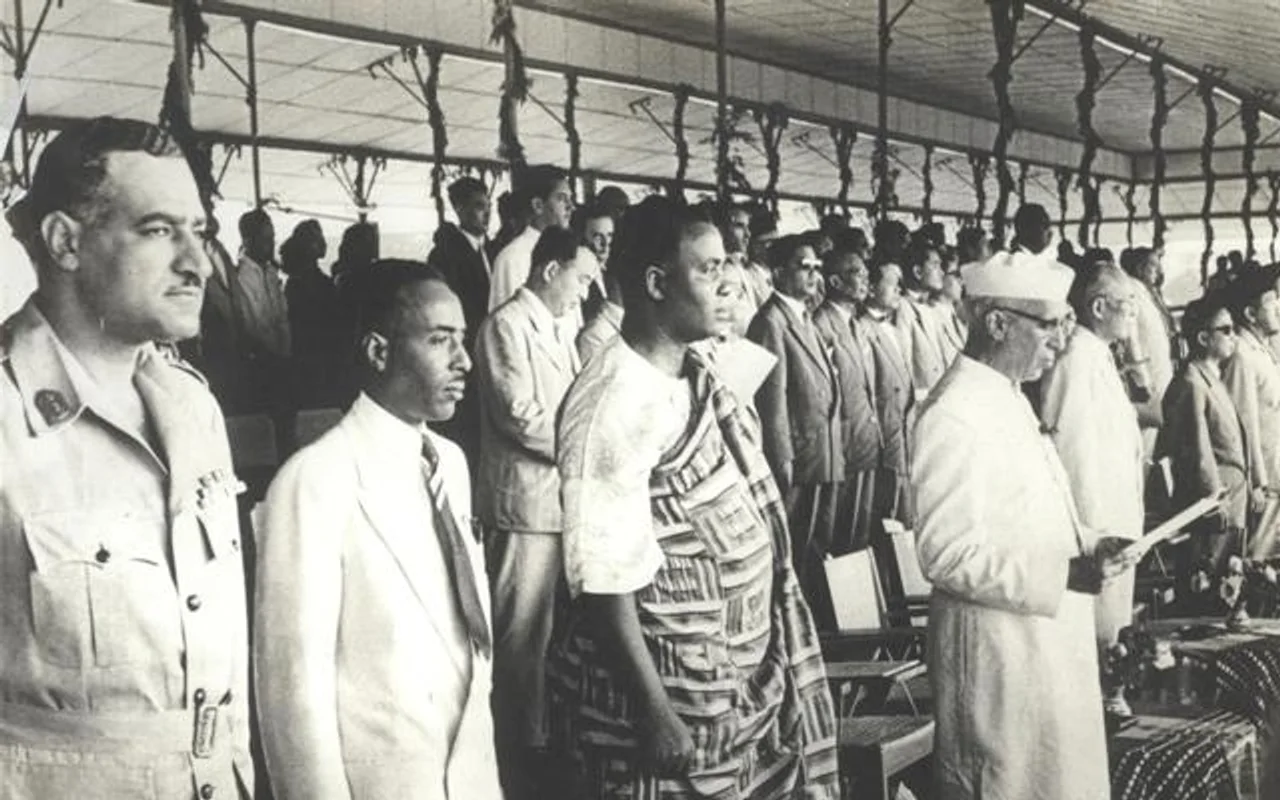
1955–1961 CE · Bandung conference and Belgrade founding milestones · GlobalBandung and the Non-Aligned Movement

Delegates from twenty-nine Asian and African states met at Bandung in April 1955 to debate colonialism, cooperation and peace. Six years later, a partly overlapping group formally founded the Non-Aligned Movement at Belgrade.

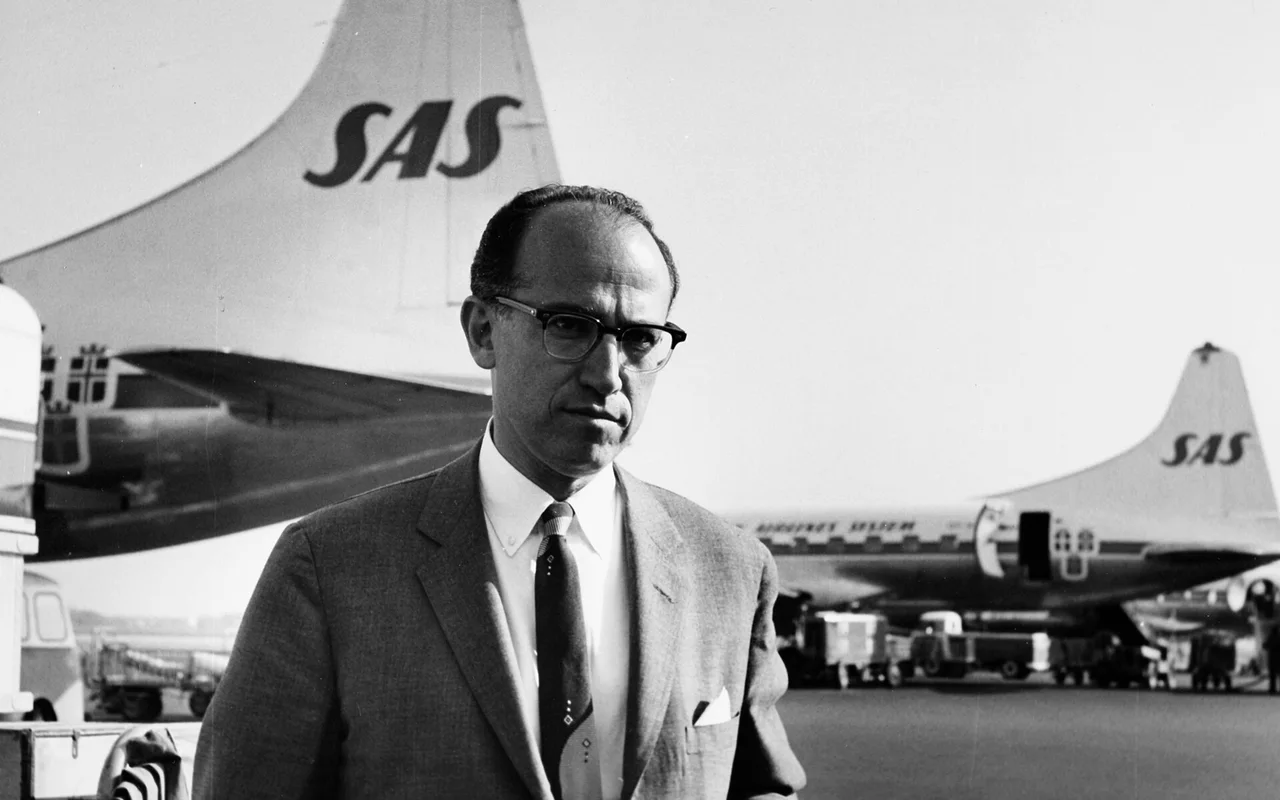
1955–1988 CE · vaccine and eradication-campaign milestones · GlobalPolio vaccines and mass immunization

The inactivated Salk vaccine was licensed in 1955 and oral Sabin vaccines followed in the early 1960s; manufacturing, surveillance and mass campaigns then sharply reduced poliomyelitis in many countries.

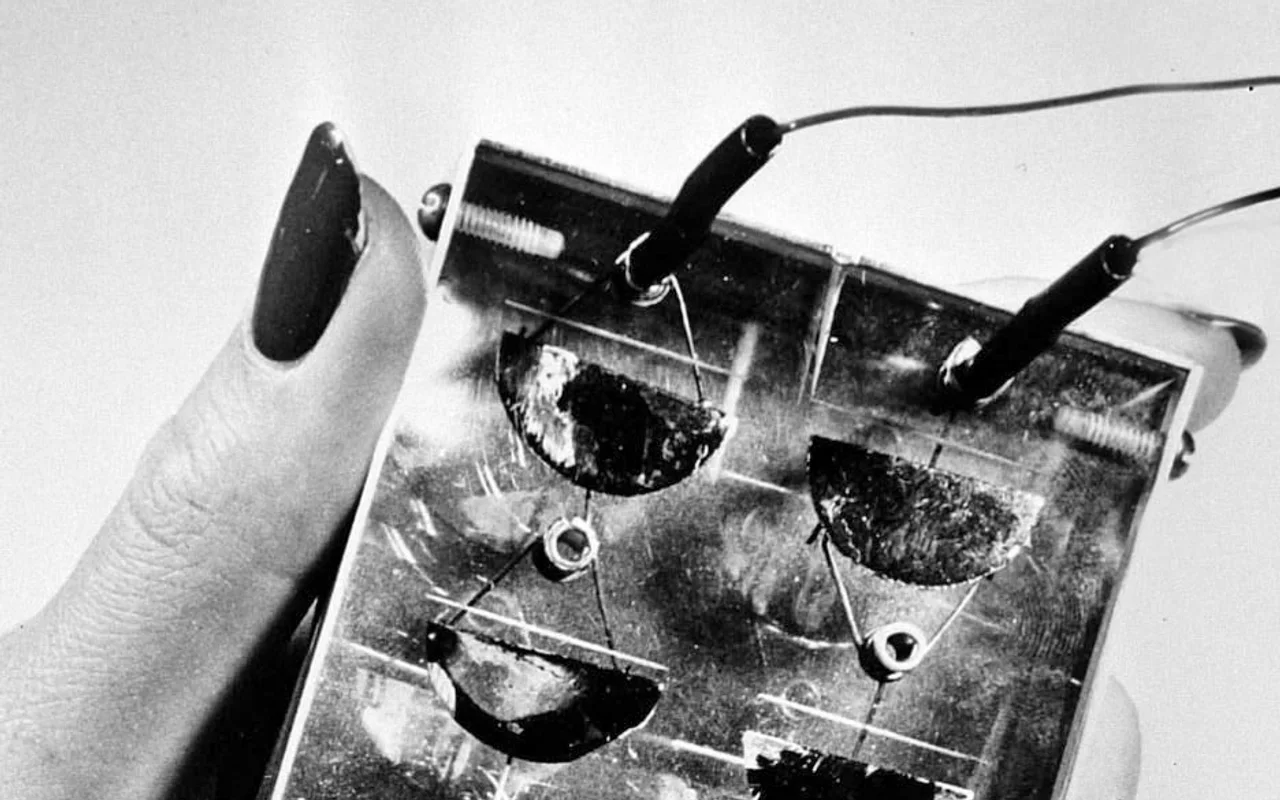
1954–2021 CE · selected solar, wind and power-system milestones · GlobalRenewable electricity and the energy transition

The 1954 practical silicon solar cell anchors a selected sequence in which photovoltaic manufacturing, larger wind turbines, power electronics, storage and grid operation made variable renewable electricity increasingly deployable.

Explore the connections

The Great Migration and the remaking of Black America →

Australia’s 1967 referendum and First Nations rights →

Reconstruction, citizenship and the rise of Jim Crow →

The 504 protests and the disability rights movement →

The Harlem Renaissance: art, literature and Black self-representation →