ATLAS / ANCIENT—PRESENT
All historyHow Atlas is sourced← Back to Atlas
Back to Atlas timeline
Russian Revolutions — original Atlas editorial reconstruction

1917–1922 CE · revolutions, civil war and Soviet Union formation · Europe · Rights

Russian Revolutions

The February Revolution toppled the Romanov monarchy and produced competing centres of authority; the Bolsheviks seized power in October, followed by civil war, famine and the formation of the Soviet Union.

Atlas dossier · World Wars

Free device narration · synchronized English captions · transcript available

Why it matters

The plural revolutions joined mass participation to party struggle, coercion and movements across the former empire; neither February nor October alone explains the state created by 1922.

Date
1917–1922 CE · revolutions, civil war and Soviet Union formation
Historical setting
World Wars · Europe
People & communities
Workers · soldiers · peasants · women demonstrators · Bolsheviks · rival movements
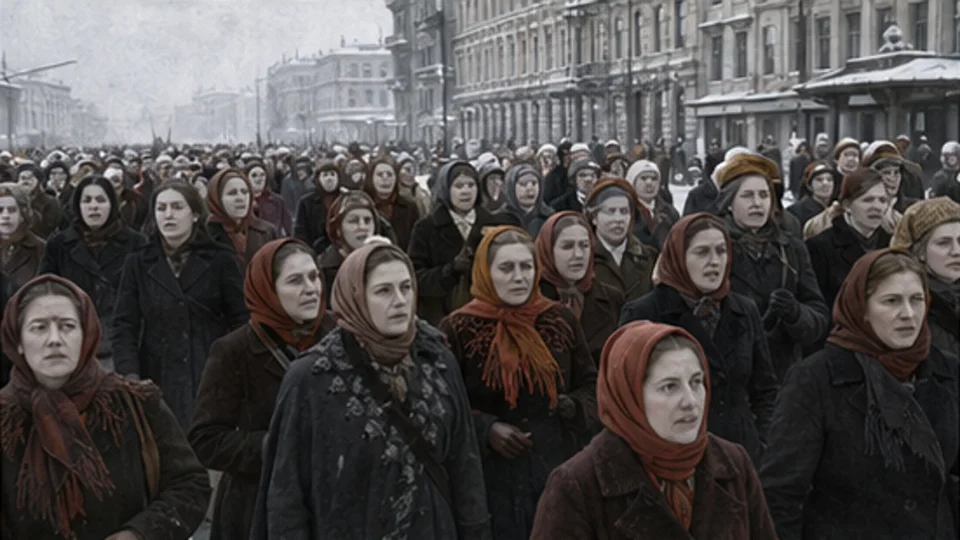
Two revolutions and divided authority

Mass protest and military mutiny in February 1917 toppled the monarchy. A Provisional Government then shared an unstable political field with soviets of workers and soldiers. In October the Bolsheviks overthrew that government; treating both moments as one inevitable event erases competing parties, programmes and popular demands.

Library of Congress: Revelations from the Russian Archives

Revolution became civil war and state formation

Bolshevik rule faced armed rivals, foreign intervention and national movements across the former empire. Red and White forces used coercion; famine and disease deepened civilian catastrophe. The 1922 endpoint marks formation of the Soviet Union, not the end of political violence or a unanimous settlement among its peoples.

Library of Congress: Soviet archives and collectivisation

Illustrated sequence

Silent pan-and-zoom motion derivative of the Russian Revolutions reconstruction; not archival footage.

Russian Revolutions — original Atlas editorial reconstruction
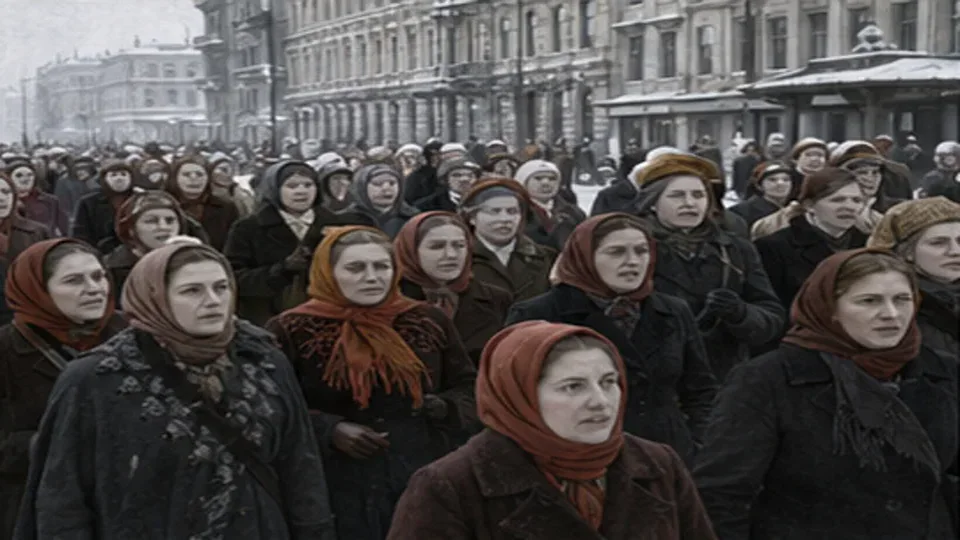
IMAGE 1

Original Atlas reconstruction

Primary Atlas editorial reconstruction for Russian Revolutions.

World History in Pictures · Public site artwork. This record does not grant third-party republication rights.

How Atlas classifies this artwork →
Russian Revolutions: people and action
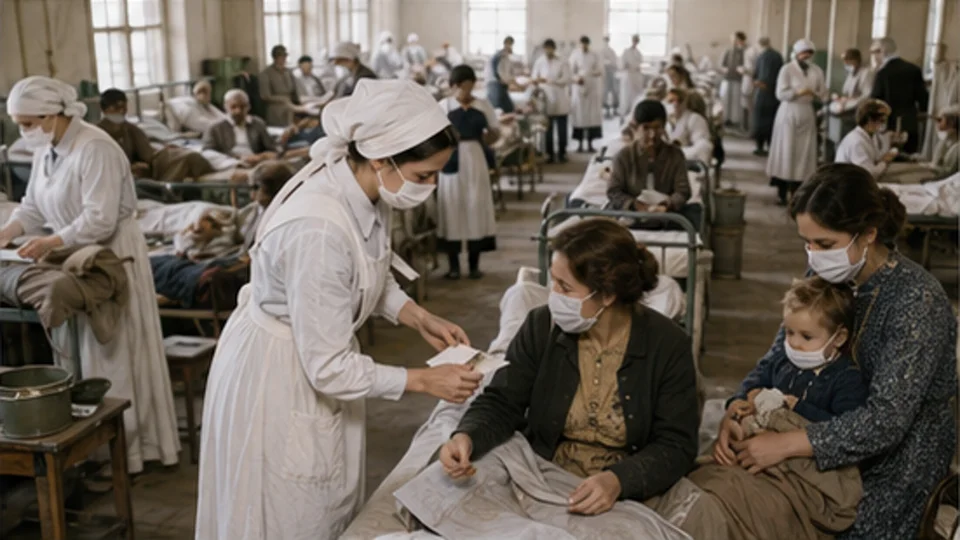
IMAGE 2

Supporting Atlas reconstruction

Supporting Atlas reconstruction within the same Russian Revolutions editorial package; not an independent archival record.

World History in Pictures · Same editorial artwork package

How Atlas classifies this artwork →
Russian Revolutions: setting and consequences
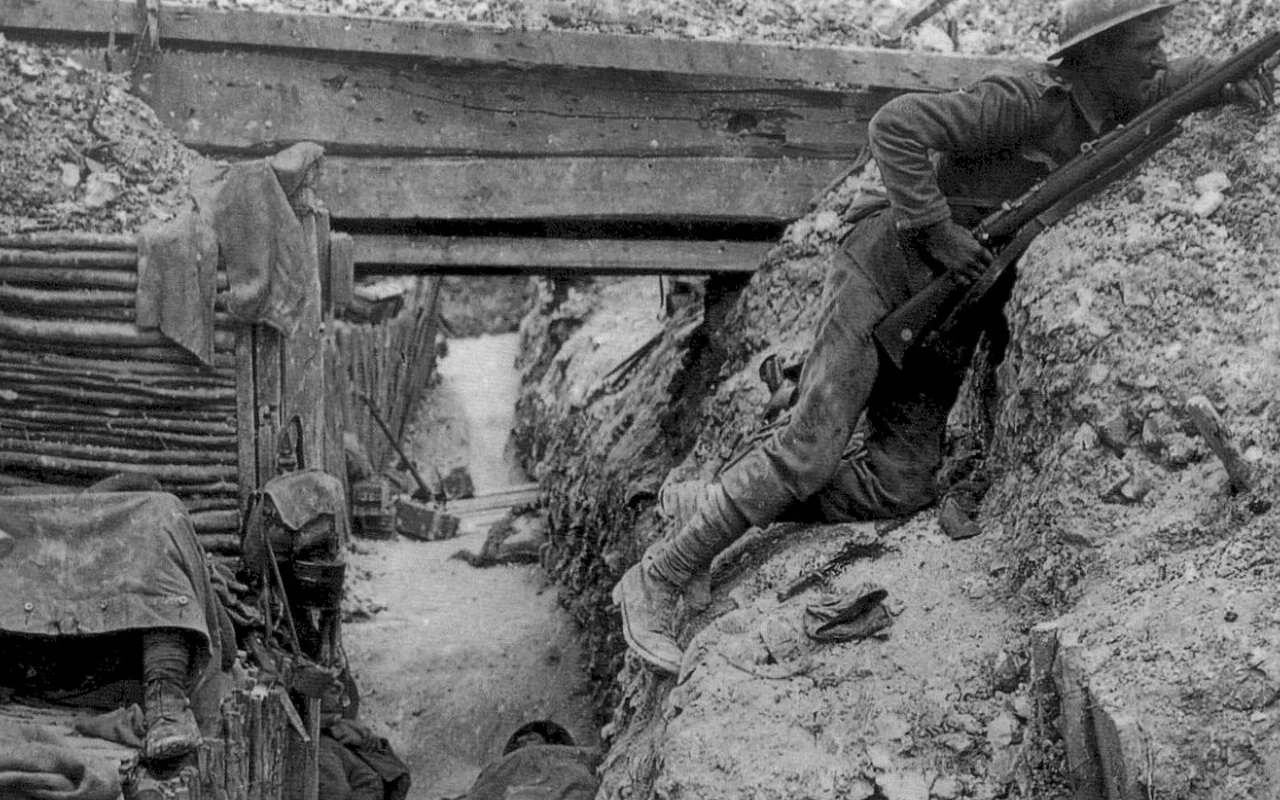
IMAGE 3

Context crop — same artwork

Context crop from the same Russian Revolutions reconstruction; not an independent historical record.

World History in Pictures · Same editorial artwork package

How Atlas classifies this artwork →

Interpretation note

Evidence, memory and historical debate

This dossier distinguishes the event’s basic chronology from later arguments about meaning, responsibility and legacy. When comparing religious, national, Indigenous or scholarly interpretations, consult the primary and institutional sources above alongside peer-reviewed historical work.

Elsewhere in the world

Parallel histories near this moment

1918–1920 CE · global pandemic waves · GlobalInfluenza pandemic

A severe influenza pandemic moved through several global waves, amplified by wartime mobilisation and transport but not securely traced to a single national origin.

1914–1918 CE · major fighting; settlements and violence continued · GlobalFirst World War

Decisions during the July Crisis widened a European confrontation into an industrial and imperial war fought across Europe, Africa, the Middle East, Asia and the oceans.

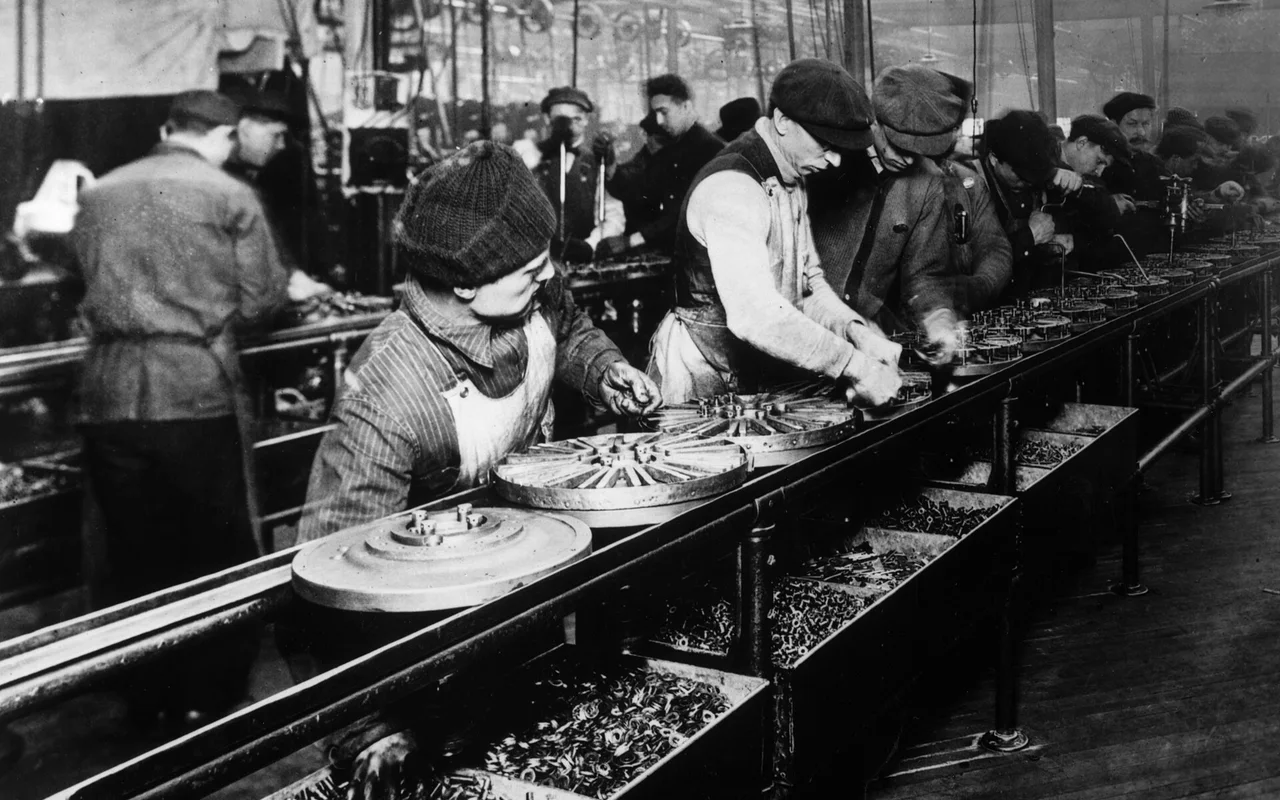
1913 CE · Ford moving-line milestone within longer mass-production history · AmericasAssembly lines and mass production

Ford engineers and workers introduced moving lines in stages at Highland Park, combining earlier interchangeable-parts practice and division of labour to accelerate automobile assembly.