ATLAS / ANCIENT—PRESENT
All historyHow Atlas is sourced← Back to Atlas
Back to Atlas timeline
Influenza pandemic — original Atlas editorial reconstruction

1918–1920 CE · global pandemic waves · Global · Medicine

Influenza pandemic

A severe influenza pandemic moved through several global waves, amplified by wartime mobilisation and transport but not securely traced to a single national origin.

Atlas dossier · World Wars

Free device narration · synchronized English captions · transcript available

Why it matters
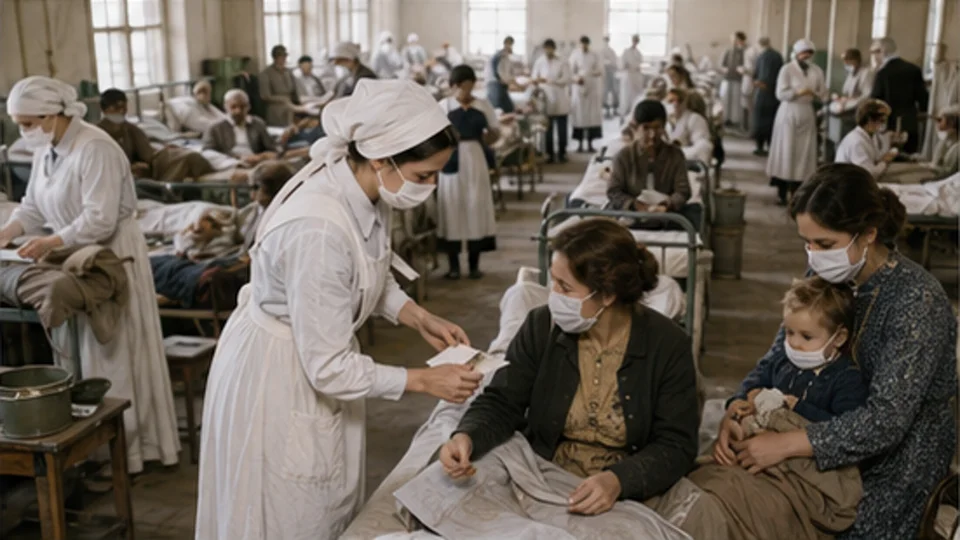
Mortality varied sharply by age, place and access to care, exposing how inequality, censorship, colonial rule and public-health capacity shape a pandemic’s record and effects.

Date
1918–1920 CE · global pandemic waves
Historical setting
World Wars · Global
People & communities
Patients · nurses · physicians · public-health authorities
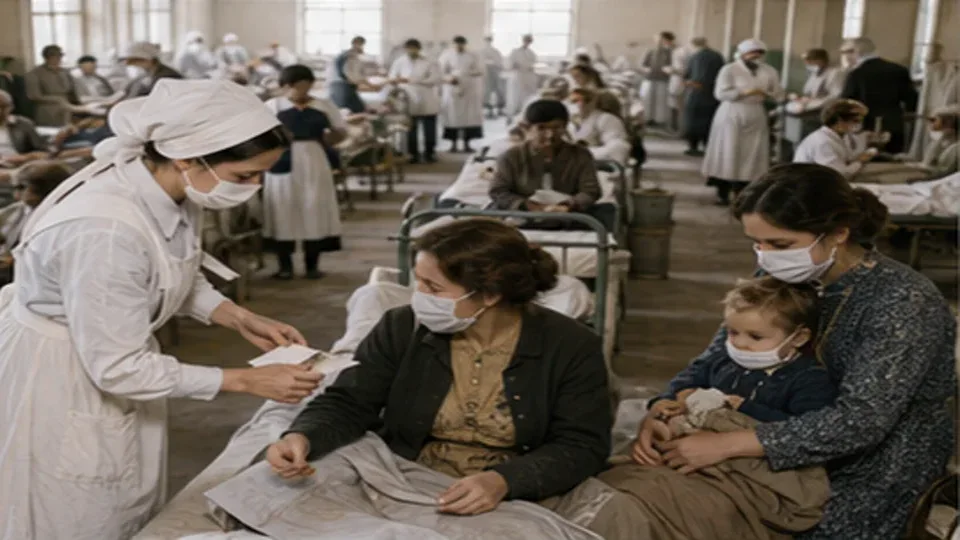
The Spanish label does not identify an origin

The virus’s geographic origin remains uncertain. Spain’s uncensored press reported conspicuously on illness while belligerent states restricted some wartime news, helping attach a misleading national label. The dossier therefore uses the date and disease rather than assigning blame to Spain.

CDC: 1918 Pandemic

Several waves, unequal losses

Pandemic influenza travelled through military and civilian transport networks in several waves. Crowding, malnutrition and disrupted care shaped outcomes, but war was an amplifier rather than a complete explanation. Indigenous and colonised communities often faced extreme mortality and weak access to medical support.

U.S. National Library of Medicine: 1918 influenza collection

Mortality totals are estimates

Global death figures are demographic reconstructions made from incomplete records, not an exact register. Using an estimate such as at least 50 million should preserve that uncertainty and the uneven quality of registration across countries, colonies and rural communities.

CDC: The Deadliest Flu

Illustrated sequence

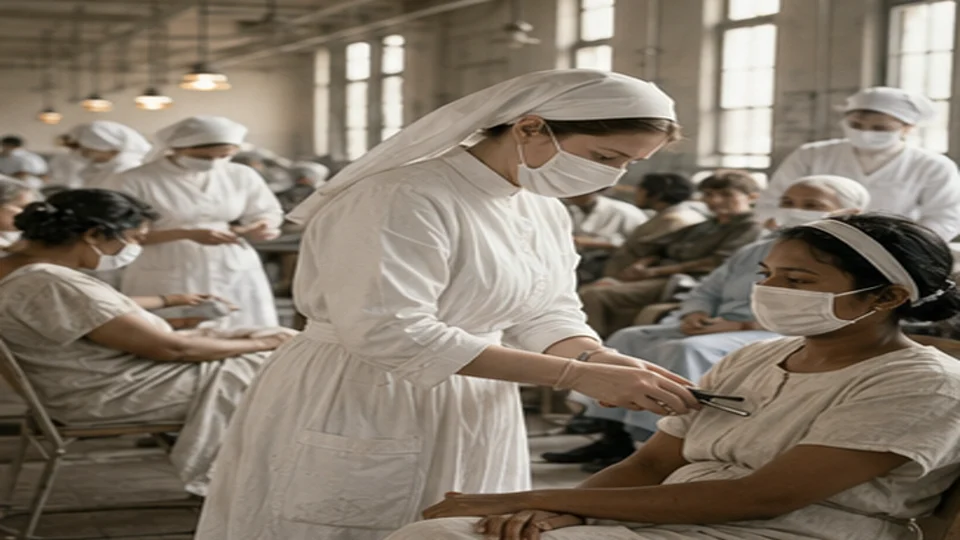
Silent pan-and-zoom motion derivative of the Influenza pandemic reconstruction; not archival footage.

Influenza pandemic — original Atlas editorial reconstruction
IMAGE 1

Original Atlas reconstruction

Primary Atlas editorial reconstruction for Influenza pandemic.

World History in Pictures · Public site artwork. This record does not grant third-party republication rights.

How Atlas classifies this artwork →
Influenza pandemic: people and action
IMAGE 2

Supporting Atlas reconstruction

Supporting Atlas reconstruction within the same Influenza pandemic editorial package; not an independent archival record.

World History in Pictures · Same editorial artwork package

How Atlas classifies this artwork →
Influenza pandemic: setting and consequences
IMAGE 3

Context crop — same artwork

Context crop from the same Influenza pandemic reconstruction; not an independent historical record.

World History in Pictures · Same editorial artwork package

How Atlas classifies this artwork →

Interpretation note

Evidence, memory and historical debate

This dossier distinguishes the event’s basic chronology from later arguments about meaning, responsibility and legacy. When comparing religious, national, Indigenous or scholarly interpretations, consult the primary and institutional sources above alongside peer-reviewed historical work.

Elsewhere in the world
Parallel histories near this moment

1917–1922 CE · revolutions, civil war and Soviet Union formation · EuropeRussian Revolutions

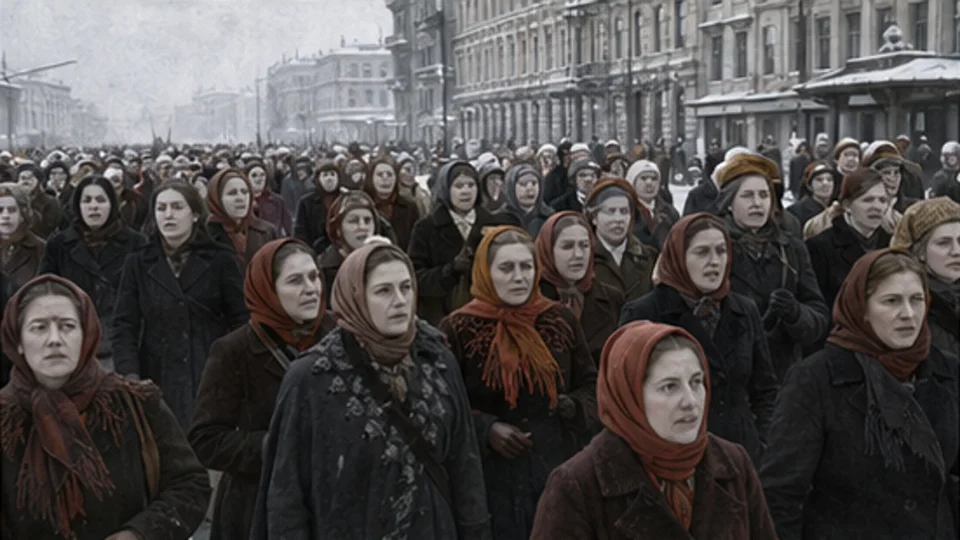
The February Revolution toppled the Romanov monarchy and produced competing centres of authority; the Bolsheviks seized power in October, followed by civil war, famine and the formation of the Soviet Union.

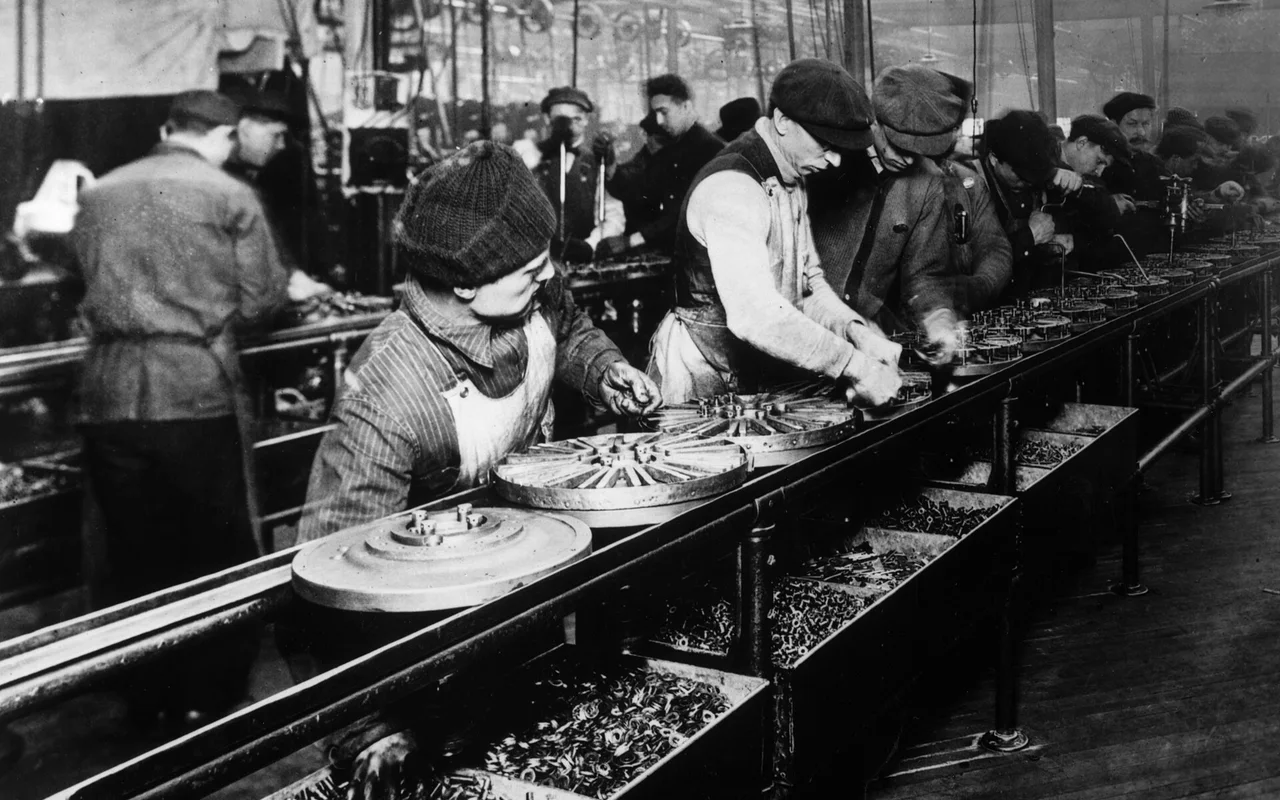
1913 CE · Ford moving-line milestone within longer mass-production history · AmericasAssembly lines and mass production

Ford engineers and workers introduced moving lines in stages at Highland Park, combining earlier interchangeable-parts practice and division of labour to accelerate automobile assembly.

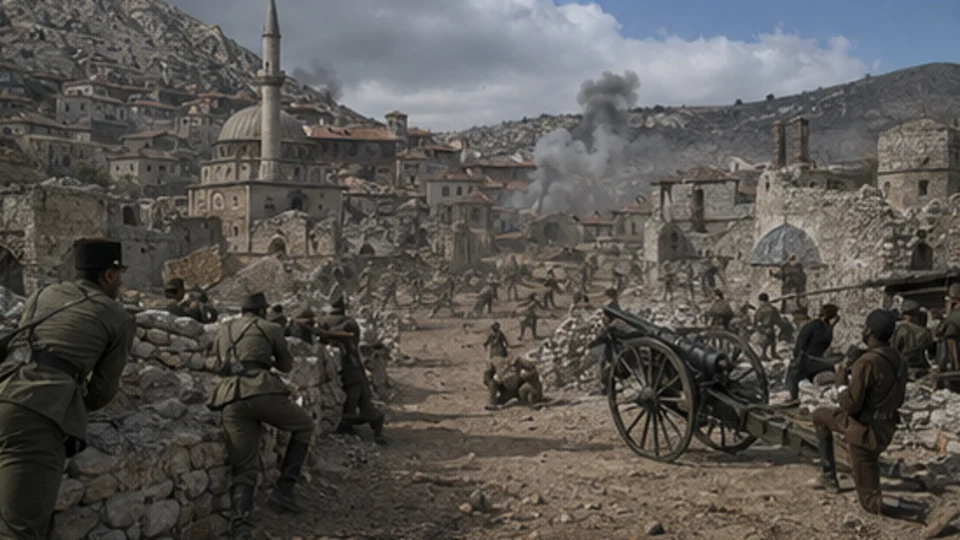
1912–1913 CE · two wars and contested settlements · EuropeBalkan Wars and Ottoman retreat

The Balkan League fought the Ottoman Empire in the First Balkan War; in the Second, Bulgaria fought former allies and Romania and the Ottoman Empire over the division of territory.