ATLAS / ANCIENT—PRESENT
All historyHow Atlas is sourced← Back to Atlas
Back to Atlas timeline
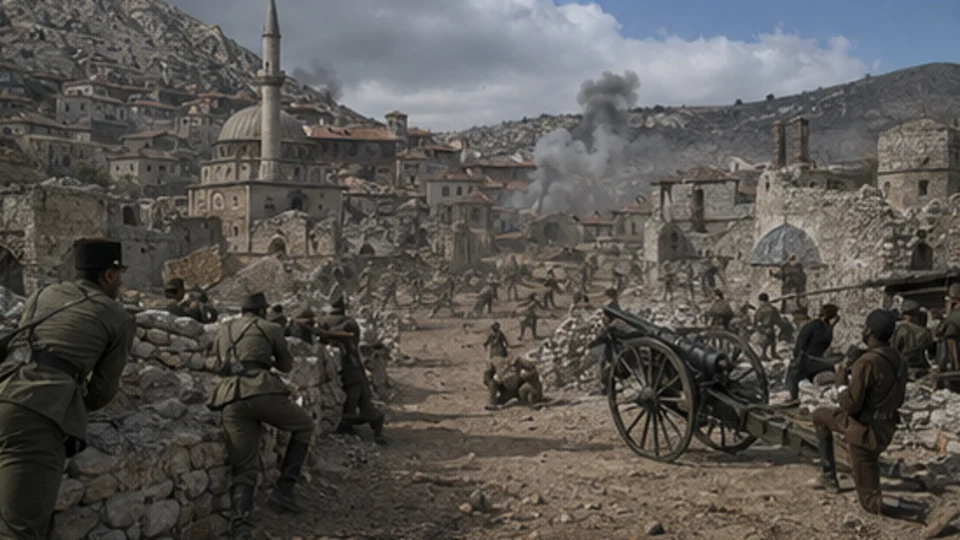
Balkan Wars and Ottoman retreat — original Atlas editorial reconstruction

1912–1913 CE · two wars and contested settlements · Europe · War

Balkan Wars and Ottoman retreat

The Balkan League fought the Ottoman Empire in the First Balkan War; in the Second, Bulgaria fought former allies and Romania and the Ottoman Empire over the division of territory.

Atlas dossier · World Wars

Free device narration · synchronized English captions · transcript available

Why it matters

The wars changed borders and displaced, dispossessed and killed civilians. They intensified regional rivalries before 1914 but should not be treated as an automatic cause of the First World War.

Date
1912–1913 CE · two wars and contested settlements
Historical setting
World Wars · Europe
People & communities
Ottoman, Bulgarian, Serbian, Greek, Montenegrin and Romanian forces · Albanian, Muslim, Christian and Jewish civilians

Two wars with different alignments

In the First Balkan War, Bulgaria, Serbia, Greece and Montenegro fought the Ottoman Empire. Disagreement over conquered territory then led Bulgaria to fight Serbia and Greece in the Second Balkan War; Romania and the Ottoman Empire also entered against Bulgaria. A single label must not hide that reversal.

Carnegie Endowment commission report, 1914

Borders were made through violence and displacement

Territorial claims did not map neatly onto mixed populations. Contemporary investigators documented killing, village destruction, forced movement and reprisals by several armies, although their categories and methods also require scrutiny. Civilians belong at the centre of the account, not only in a sentence about later instability.

The 1914 Carnegie Report on the Balkan Wars

A prewar crisis, not an automatic trigger

The settlements of London, Bucharest and Constantinople changed borders without resolving competing claims. The wars sharpened tensions and weakened Ottoman control in Europe, but the First World War followed a separate July 1914 crisis involving great-power choices. Calling the Balkan Wars a prelude should not turn sequence into inevitability.

Office of the Historian: Kosovo overview

Illustrated sequence

Silent pan-and-zoom motion derivative of the Balkan Wars and Ottoman retreat reconstruction; not archival footage.

Balkan Wars and Ottoman retreat — original Atlas editorial reconstruction
IMAGE 1

Original Atlas reconstruction

Primary Atlas editorial reconstruction for Balkan Wars and Ottoman retreat.

World History in Pictures · Public site artwork. This record does not grant third-party republication rights.

How Atlas classifies this artwork →
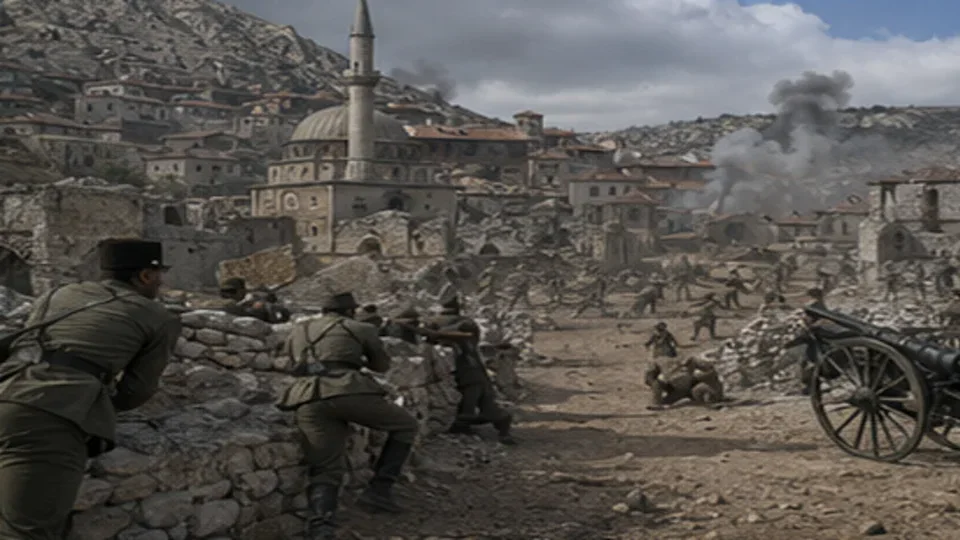
Balkan Wars and Ottoman retreat: people and action
IMAGE 2

Detail crop — same artwork

Detail crop from the same Balkan Wars and Ottoman retreat reconstruction; not an independent historical record.

World History in Pictures · Same editorial artwork package

How Atlas classifies this artwork →
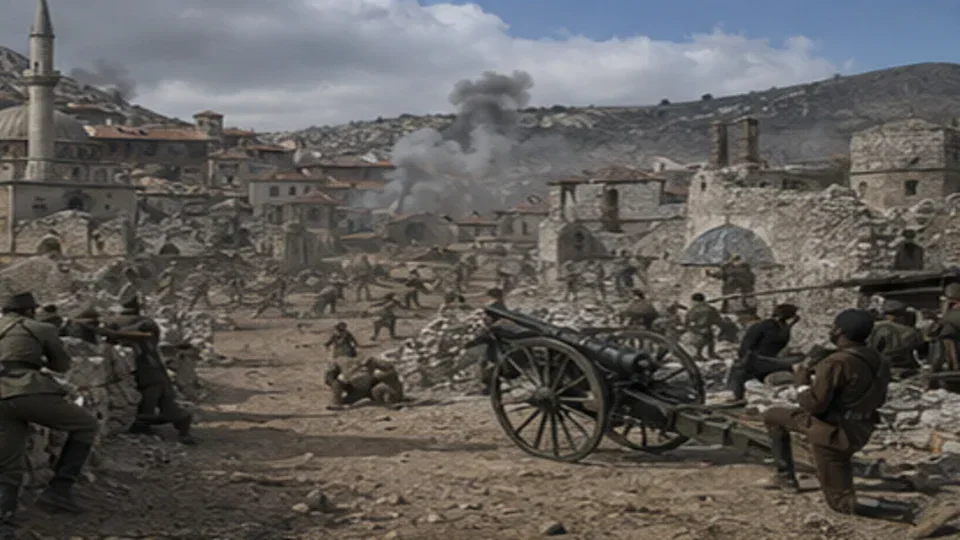
Balkan Wars and Ottoman retreat: setting and consequences
IMAGE 3

Context crop — same artwork

Context crop from the same Balkan Wars and Ottoman retreat reconstruction; not an independent historical record.

World History in Pictures · Same editorial artwork package

How Atlas classifies this artwork →

Interpretation note

Evidence, memory and historical debate

This dossier distinguishes the event’s basic chronology from later arguments about meaning, responsibility and legacy. When comparing religious, national, Indigenous or scholarly interpretations, consult the primary and institutional sources above alongside peer-reviewed historical work.

Elsewhere in the world

Parallel histories near this moment

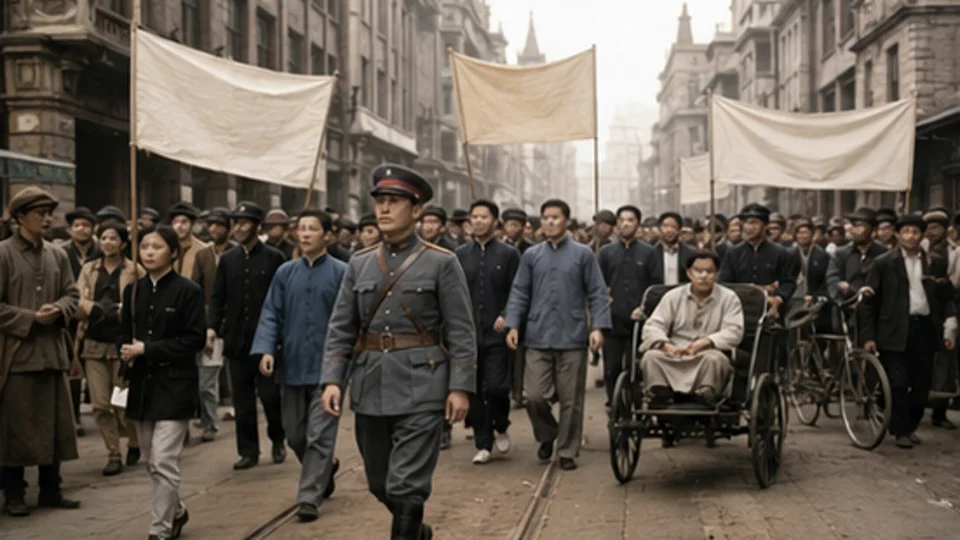
1911–1949 CE · revolution, invasion and competing governments · AsiaChinese revolutions and divided sovereignty

The 1911 Revolution ended Qing rule, but republican government remained contested through regional militarism, Nationalist–Communist conflict and Japanese invasion. In 1949 the PRC was proclaimed on the mainland while the ROC government relocated to Taiwan.

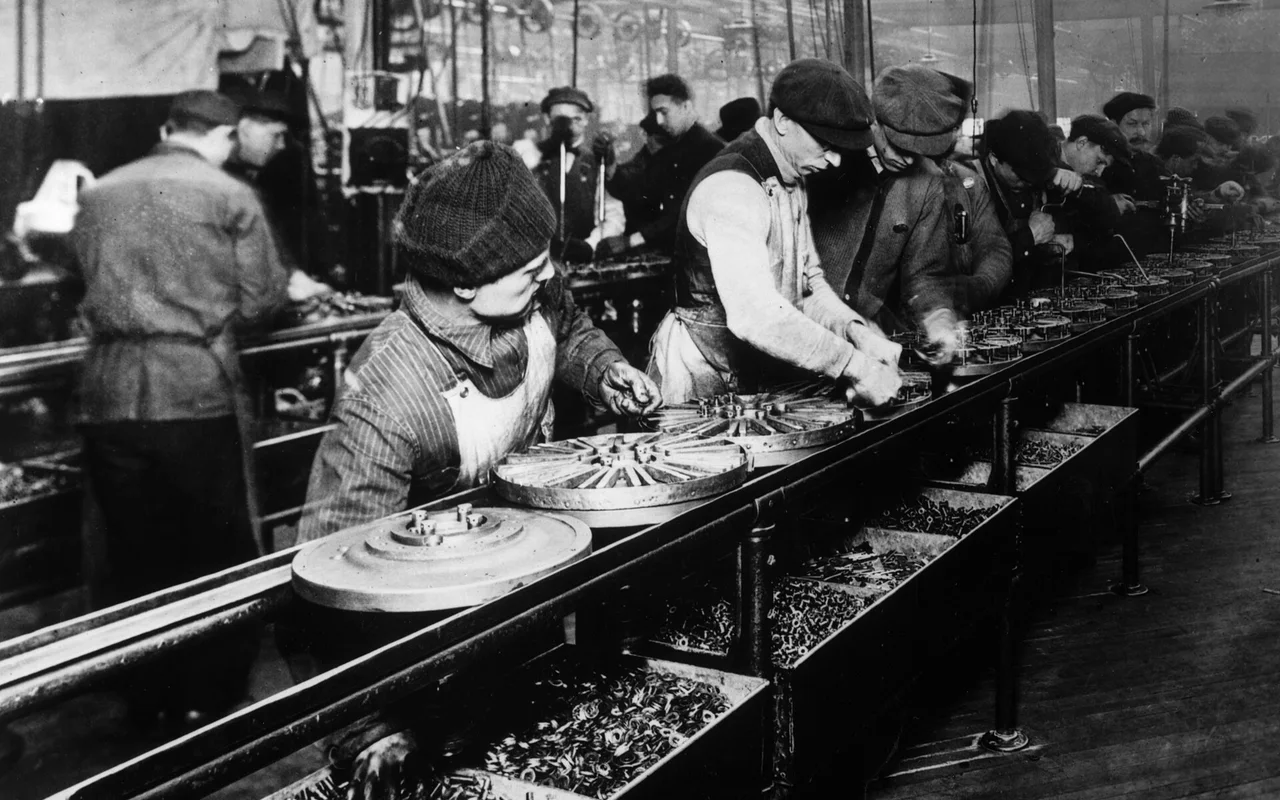
1913 CE · Ford moving-line milestone within longer mass-production history · AmericasAssembly lines and mass production

Ford engineers and workers introduced moving lines in stages at Highland Park, combining earlier interchangeable-parts practice and division of labour to accelerate automobile assembly.

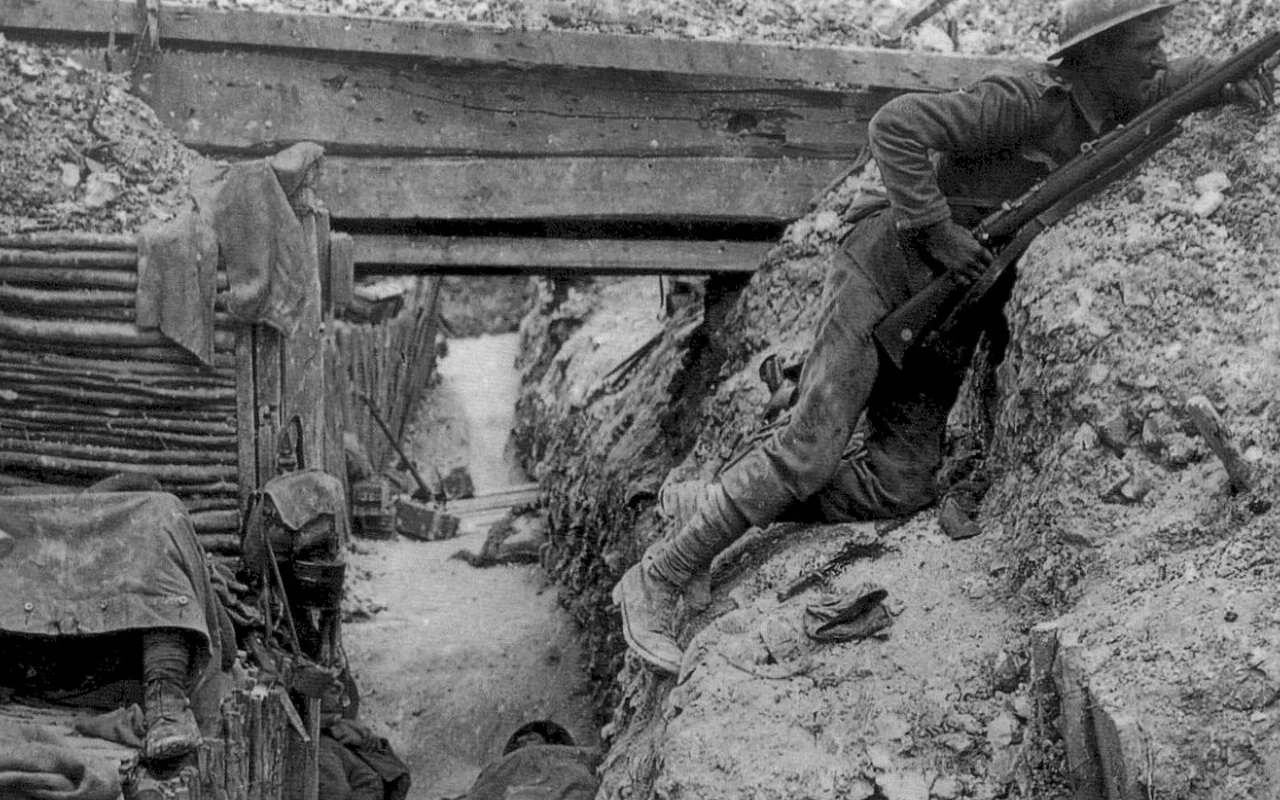
1914–1918 CE · major fighting; settlements and violence continued · GlobalFirst World War

Decisions during the July Crisis widened a European confrontation into an industrial and imperial war fought across Europe, Africa, the Middle East, Asia and the oceans.