ATLAS / ANCIENT—PRESENT
All historyHow Atlas is sourced← Back to Atlas
Back to Atlas timeline
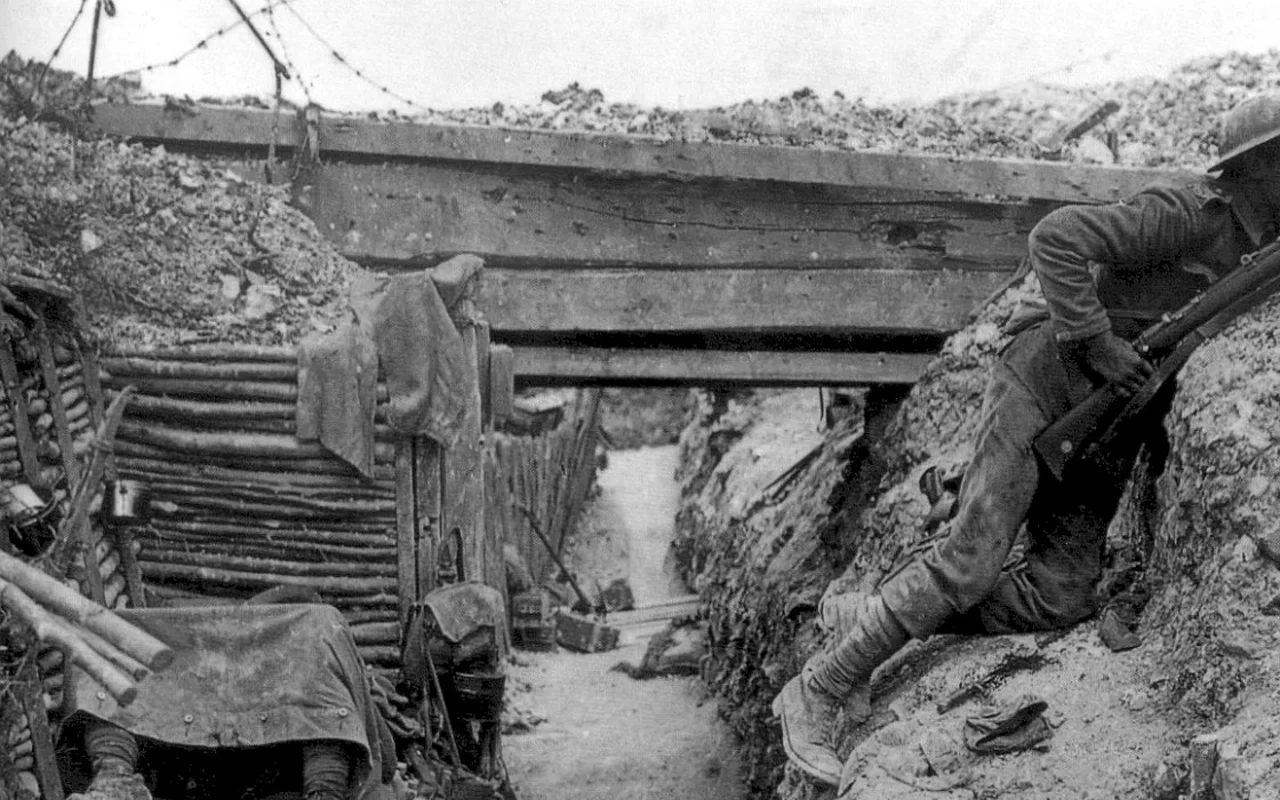
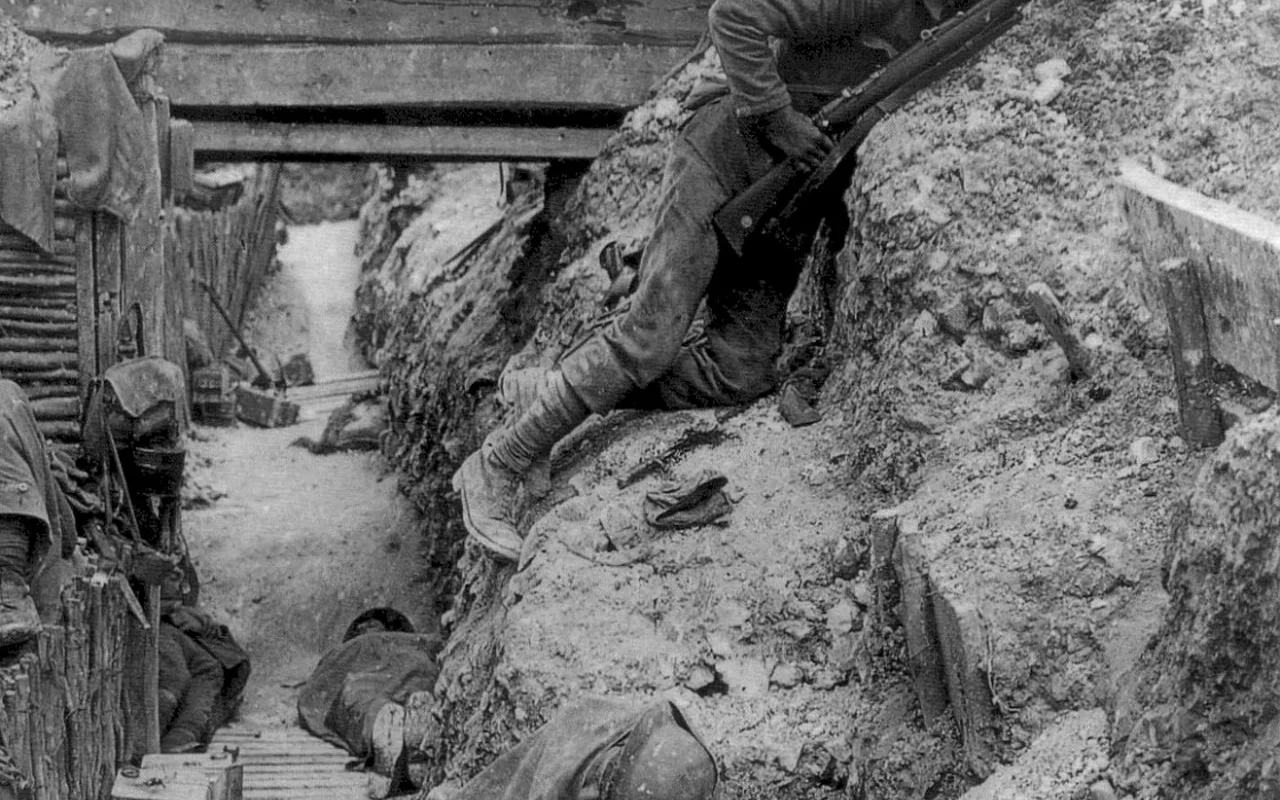
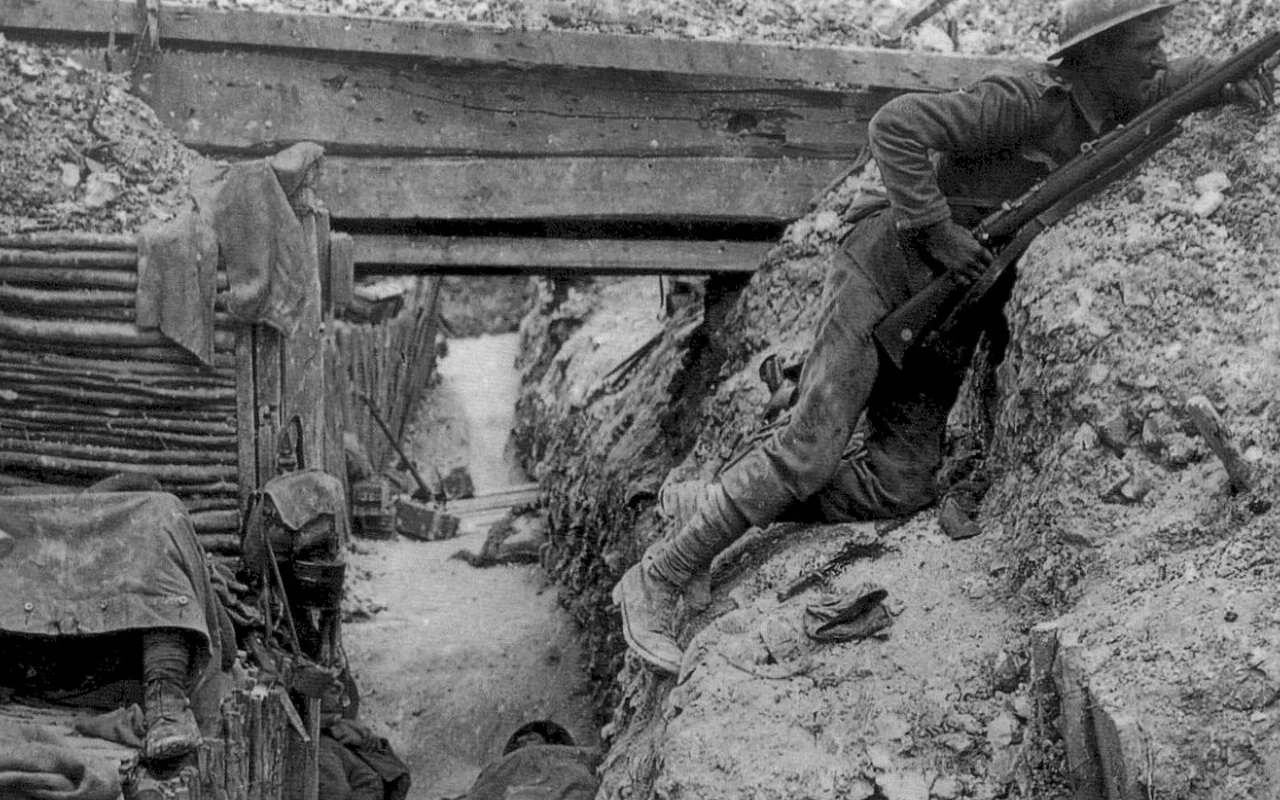
Cheshire Regiment trench, Somme, July 1916

1914–1918 CE · major fighting; settlements and violence continued · Global · War

First World War

Decisions during the July Crisis widened a European confrontation into an industrial and imperial war fought across Europe, Africa, the Middle East, Asia and the oceans.

Atlas dossier · World Wars

Free device narration · synchronized English captions · transcript available

Why it matters
Mass death, forced mobilisation and material extraction contributed to the collapse of four empires and reshaped borders, debts and political movements; the armistices did not end every conflict or consequence in 1918.

Date
1914–1918 CE · major fighting; settlements and violence continued
Historical setting
World Wars · Global
People & communities
Allied and Central Powers · colonial and dominion troops · labourers · nurses · prisoners · civilians

The July Crisis contained choices

The assassination at Sarajevo was a trigger, not a mechanism that made continental war automatic. Ultimatums, mobilisation plans, alliance commitments and decisions by governments widened the crisis. Longer militarism and imperial rivalry mattered, but they did not remove political agency in July and August 1914.

Imperial War Museums: How the world went to war in 1914

A global war through empires

Fighting extended beyond the Western Front through the Ottoman, African, Asian and maritime theatres. Empires recruited soldiers and labourers and requisitioned food and materials from colonies and dominions. Those people pursued their own aims and experienced service, coercion and loss differently.

Imperial War Museums: First World War

1918 ended fighting, not every conflict

The armistice of 11 November stopped major fighting on the Western Front; separate armistices and later peace treaties addressed other fronts. Revolution, civil war, occupation, border violence and the influenza pandemic continued. The displayed endpoint is therefore a military milestone rather than an instant global peace.

Library of Congress: World War I collections

Illustrated sequence

A visual presentation accompanying this entry. Read each image’s attribution to distinguish archival records, later depictions and reconstructions.

Cheshire Regiment trench, Somme, July 1916
IMAGE 1

Visual record

British soldiers in a captured German trench near Ovillers, July 1916. Photograph by John Warwick Brooke; Imperial War Museums, Q 3990.

Cheshire Regiment trench, Somme, July 1916 — John Warwick Brooke; Public Domain (UK Government); via Imperial War Museums Collections. Resized, cropped and converted to WebP for Atlas display.

Source and reuse terms ↗

Interpretation note

Evidence, memory and historical debate

This dossier distinguishes the event’s basic chronology from later arguments about meaning, responsibility and legacy. When comparing religious, national, Indigenous or scholarly interpretations, consult the primary and institutional sources above alongside peer-reviewed historical work.

Elsewhere in the world
Parallel histories near this moment

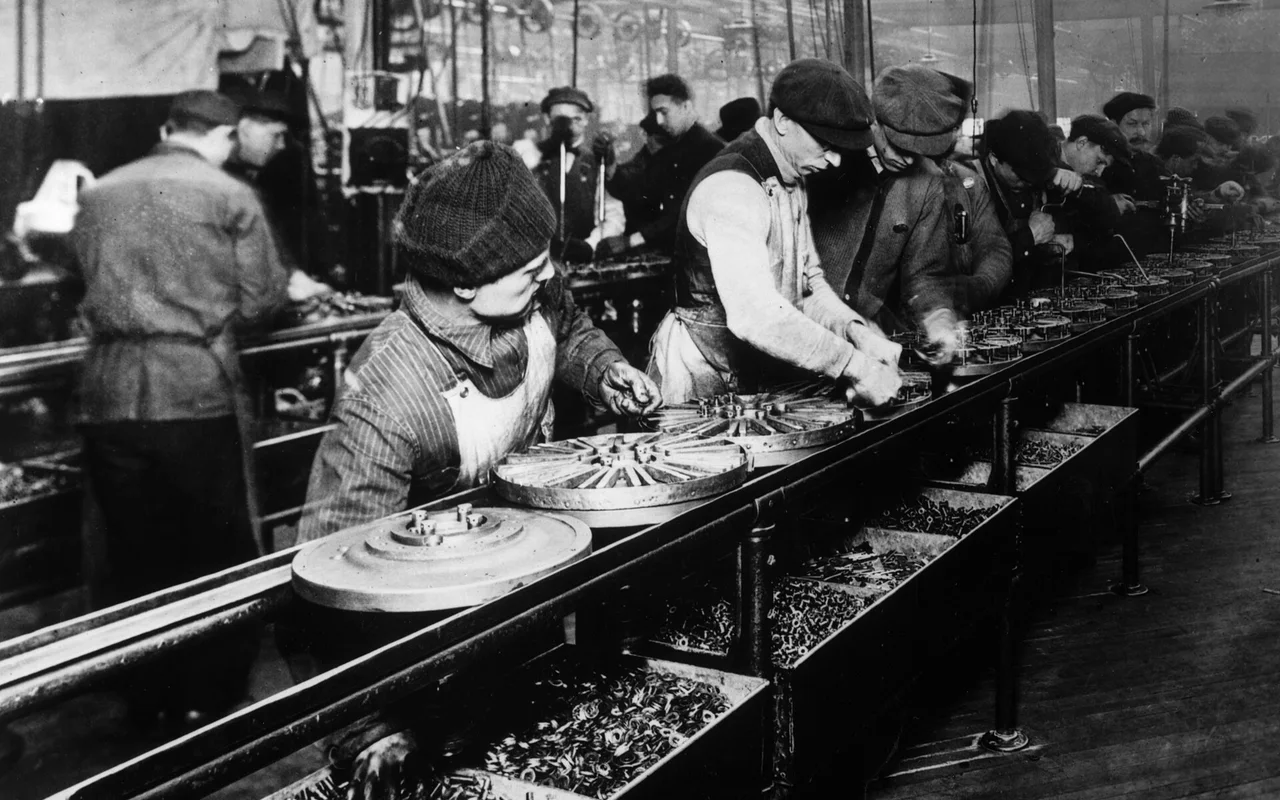
1913 CE · Ford moving-line milestone within longer mass-production history · AmericasAssembly lines and mass production

Ford engineers and workers introduced moving lines in stages at Highland Park, combining earlier interchangeable-parts practice and division of labour to accelerate automobile assembly.

1912–1913 CE · two wars and contested settlements · EuropeBalkan Wars and Ottoman retreat

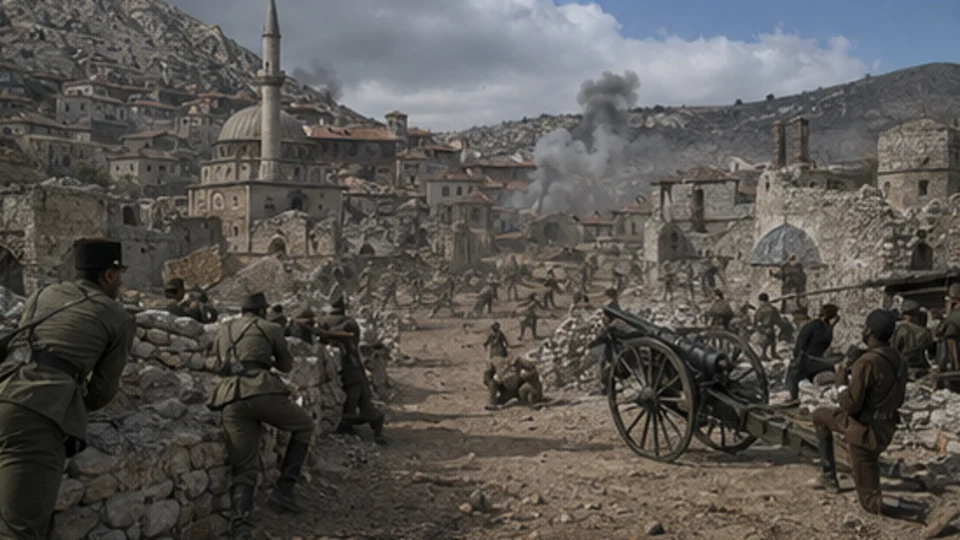
The Balkan League fought the Ottoman Empire in the First Balkan War; in the Second, Bulgaria fought former allies and Romania and the Ottoman Empire over the division of territory.

1911–1949 CE · revolution, invasion and competing governments · AsiaChinese revolutions and divided sovereignty

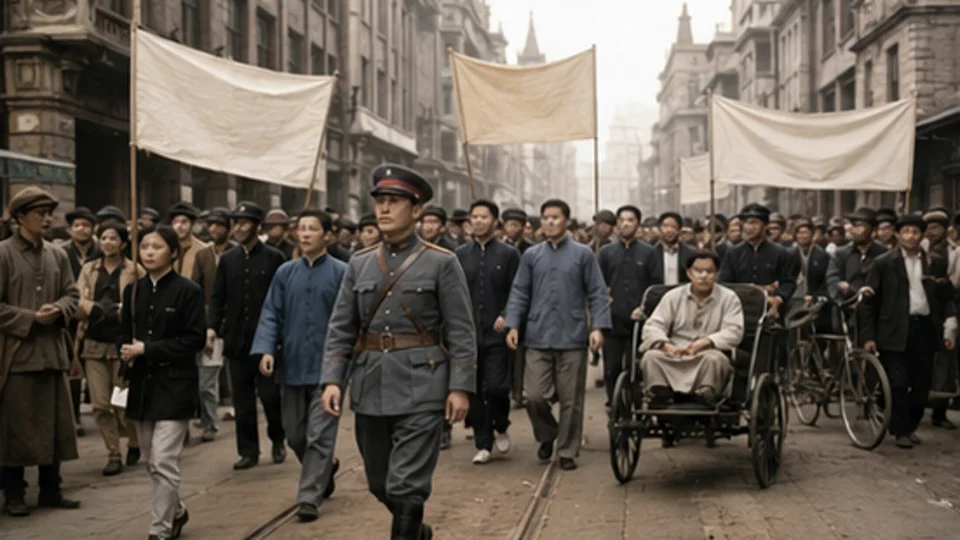
The 1911 Revolution ended Qing rule, but republican government remained contested through regional militarism, Nationalist–Communist conflict and Japanese invasion. In 1949 the PRC was proclaimed on the mainland while the ROC government relocated to Taiwan.

Explore the connections

The Armenian genocide