What could people observe, measure or test?
Knowledge in motion
Trace how people learned to see.
From lenses and laboratories to genomes, gravitational waves and distant galaxies.Start the scientific timeline ↓49 science milestones20 NASA space records20 Nobel-linked breakthroughs
A novice-friendly route
One timeline. Five ways to understand progress.
Use the timeline to compare discoveries across fields. Then move outward through the universe: worlds close to home, stars, galaxies and the deep cosmos. Every visual links to its source record.
Which tools made a new question possible?
What changed in the best available explanation?
How did lives, environments or institutions change?
What evidence limits the claim or invites revision?
Interactive discovery timeline
Scientific breakthroughs over time
Filter by field, search a person or idea, and open any event for an illustrated account, English narration and evidence trail.
49 milestones in view
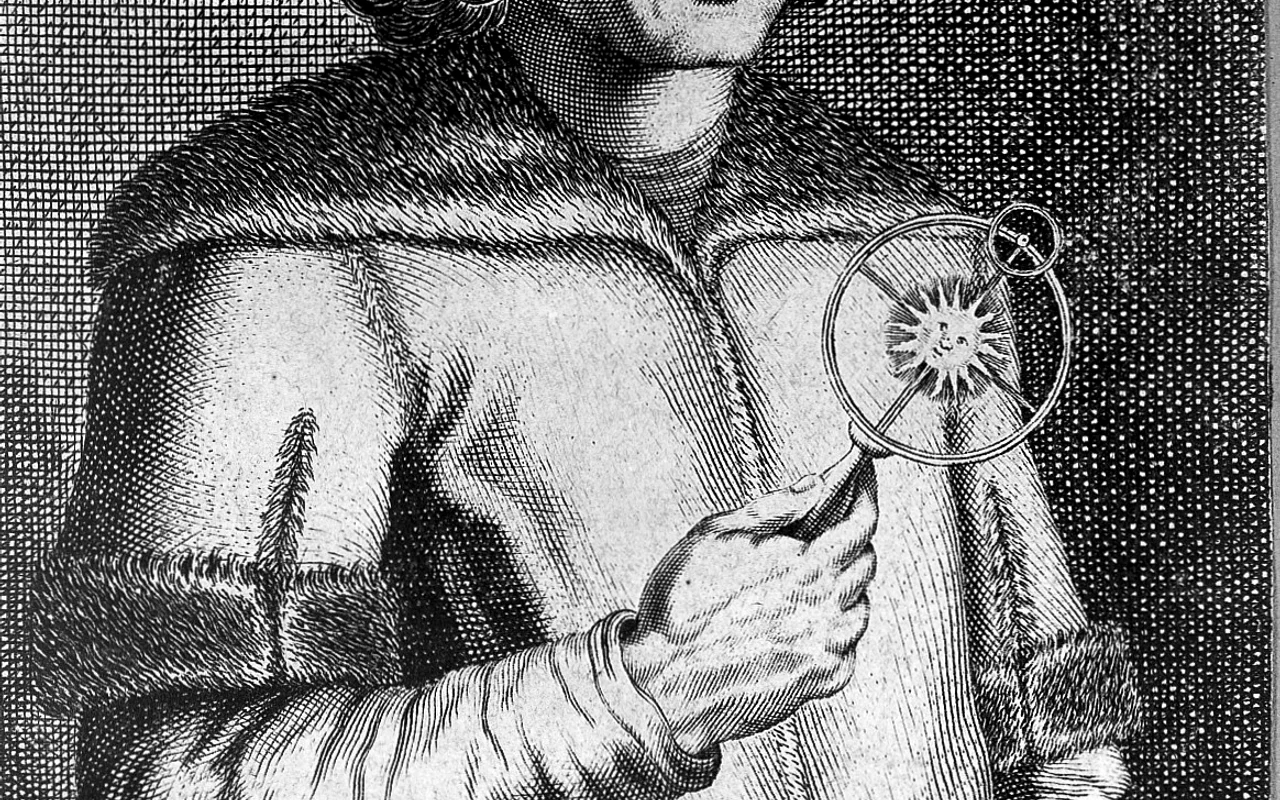
Copernican heliocentrism
Nicolaus Copernicus published a Sun-centered mathematical model that reordered the planets and set a long debate about observation, calculation and authority in motion.
Joint-stock companies, exchanges and global finance
The Dutch East India Company, securities trading, insurance and public debt developed durable institutions for pooling capital and financing long-distance commerce; the 1720 crises exposed their risks.
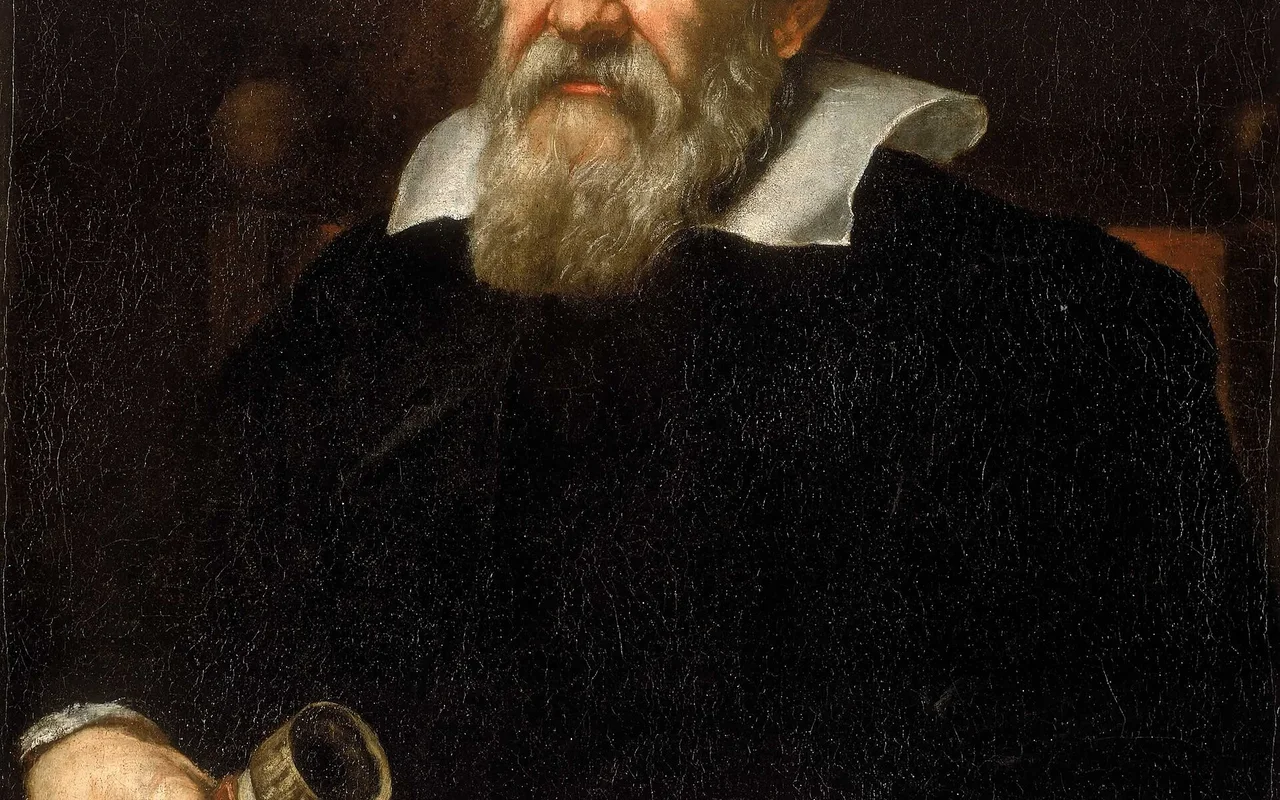
Telescope, microscope and experimental observation
New optical instruments brought moons, planets, cells, insects and other previously unseen worlds into view, making careful observation a decisive scientific practice.

Circulation of the blood
William Harvey argued from experiment and anatomy that the heart pumps blood through a continuous circulation rather than the body continually making and consuming it.
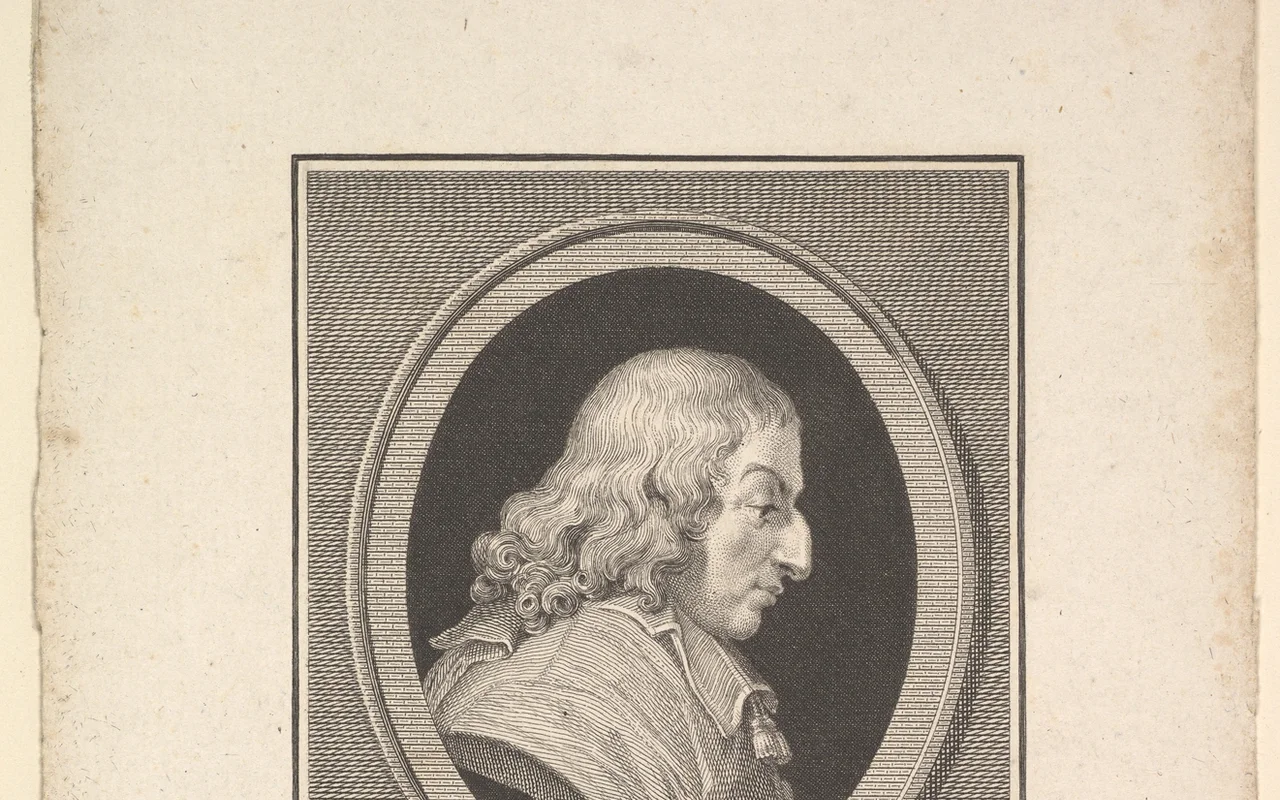
Probability, statistics and the measurement of populations
Work on probability, mortality tables and statistical graphics created new ways to calculate uncertainty and analyse population health, although the underlying records remained incomplete and selective.
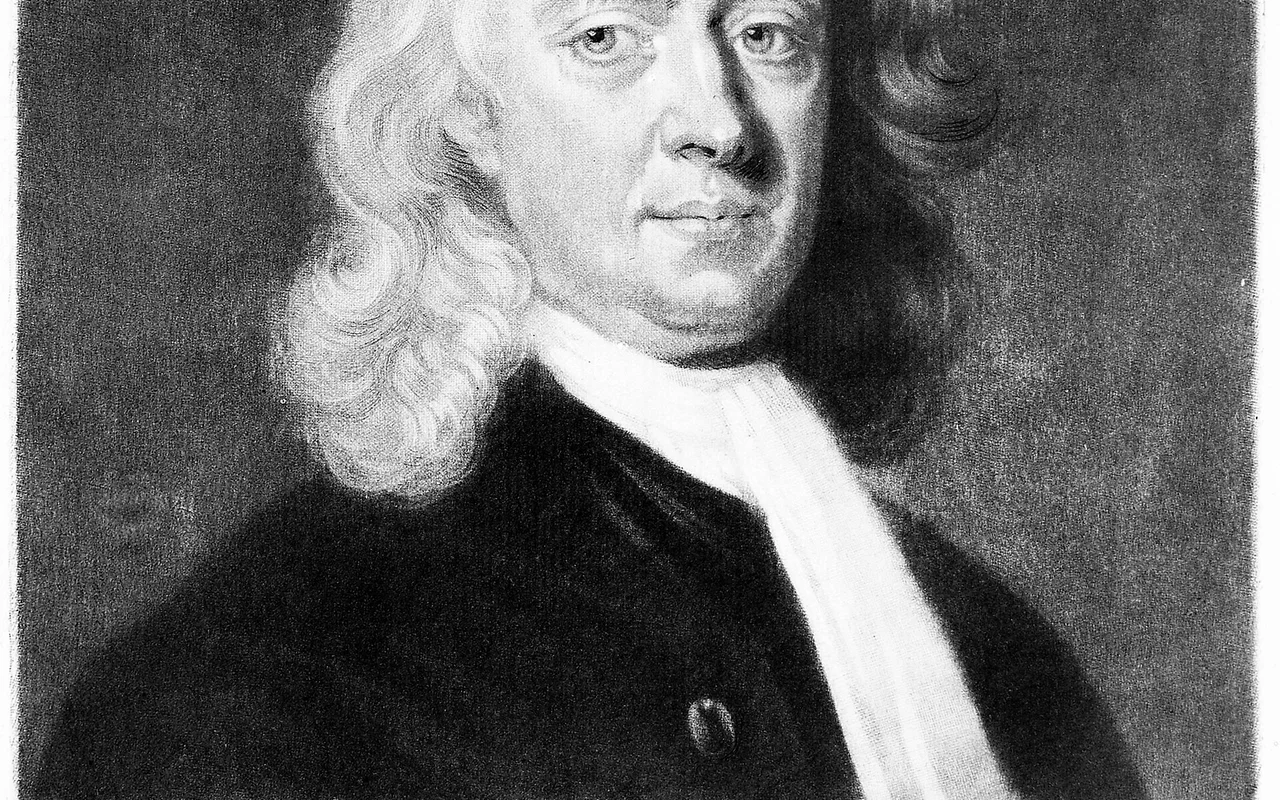
Newtonian physics
Isaac Newton’s Principia connected terrestrial motion and celestial motion through mathematical laws of motion and universal gravitation.
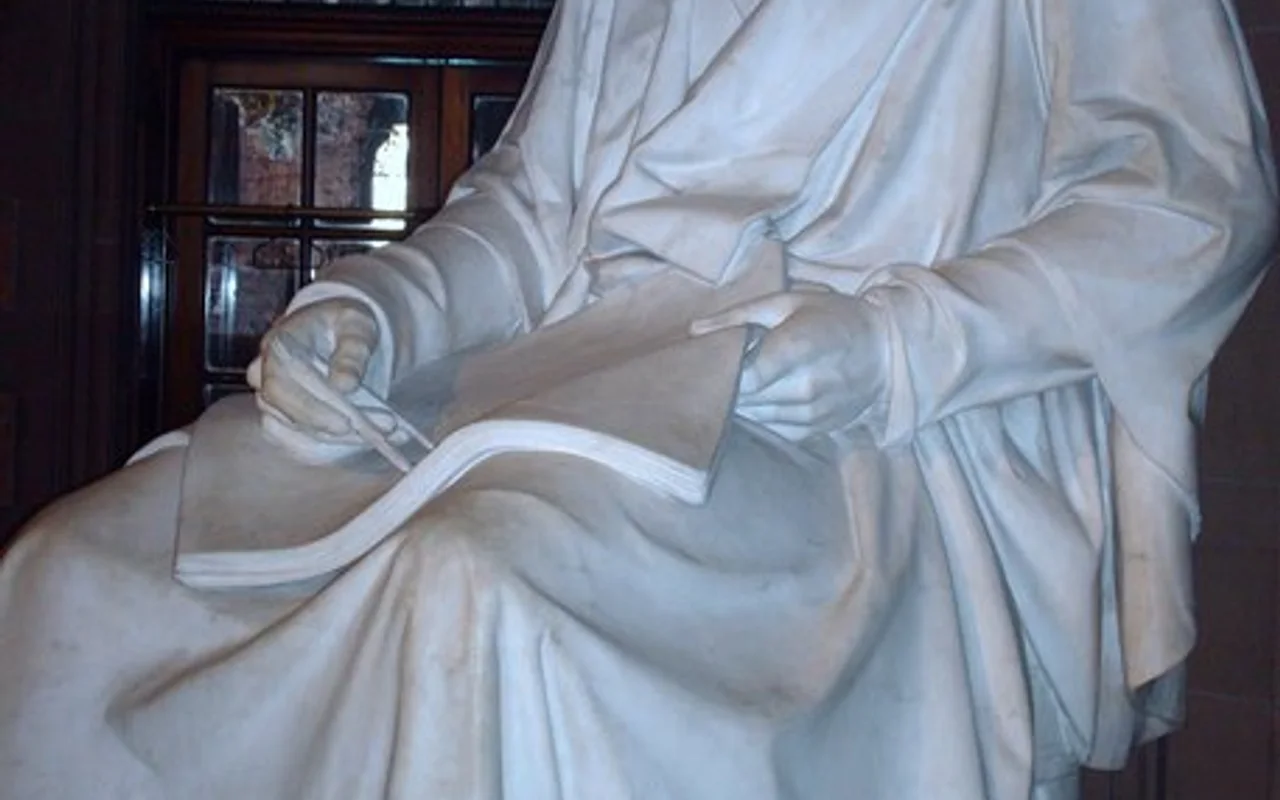
Steam power and industrial energy
Newcomen’s mine-pumping engine and Watt’s later separate-condenser design advanced the use of steam power. Subsequent improvements extended its applications to machinery and transport.
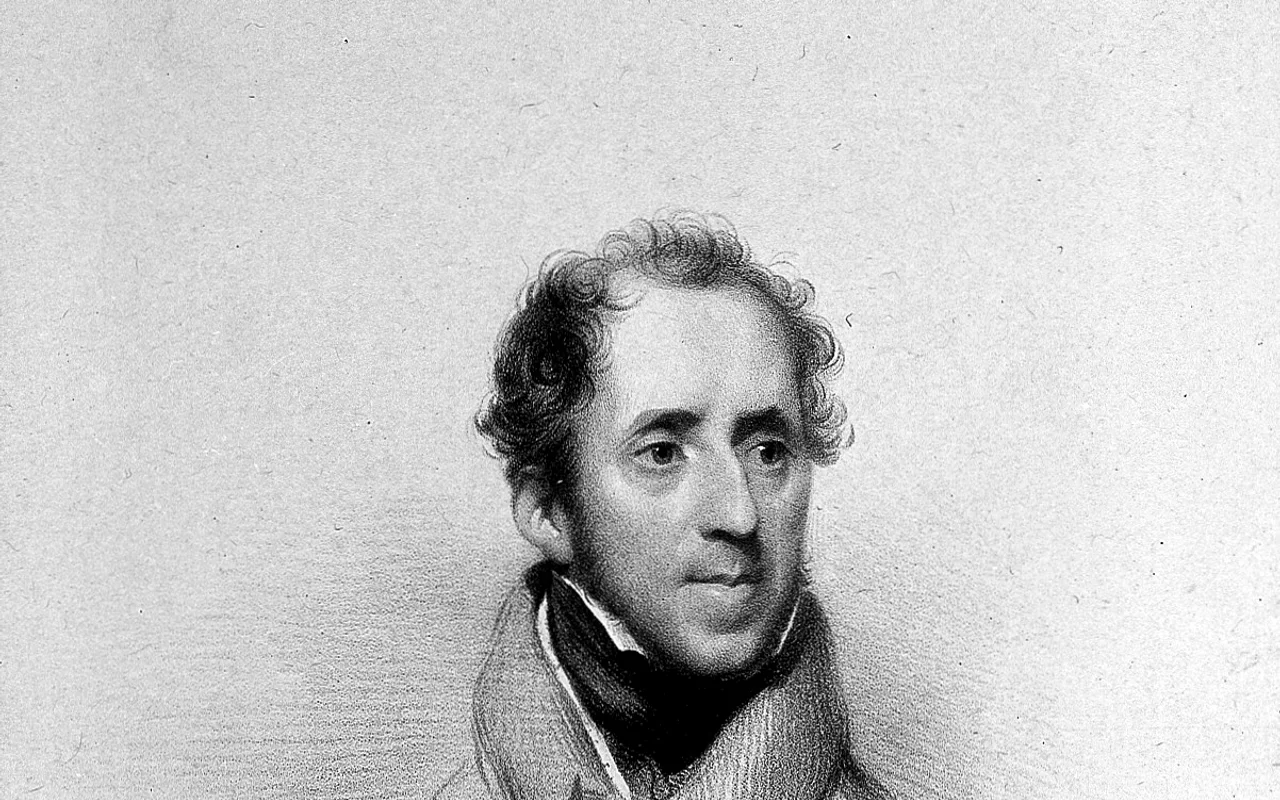
Electricity and electromagnetism
Experiments on charge, batteries, current and electromagnetic induction established the principles that would later power generators, motors and electrical networks.
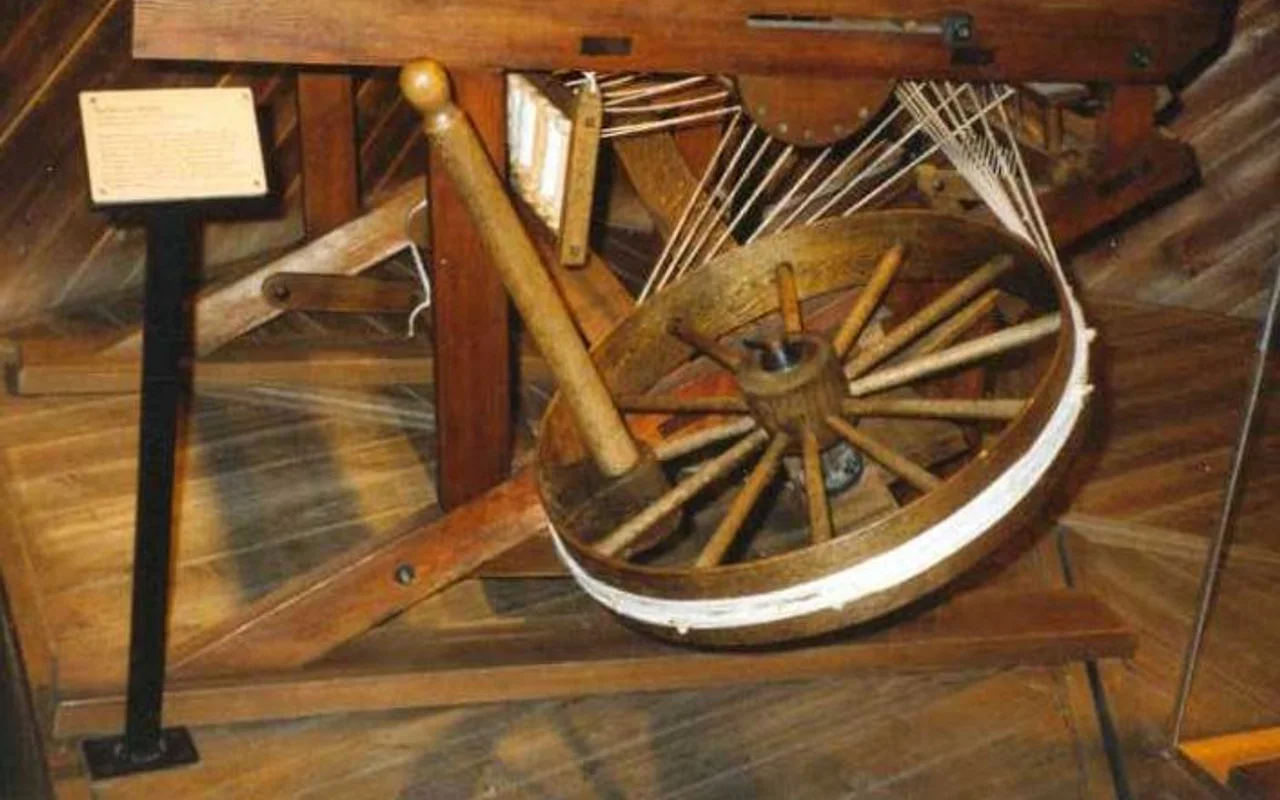
Mechanized textiles, machine tools and factory production
Spinning, weaving, precision metalworking and powered machinery expanded factory production without immediately replacing workshops or domestic labour.
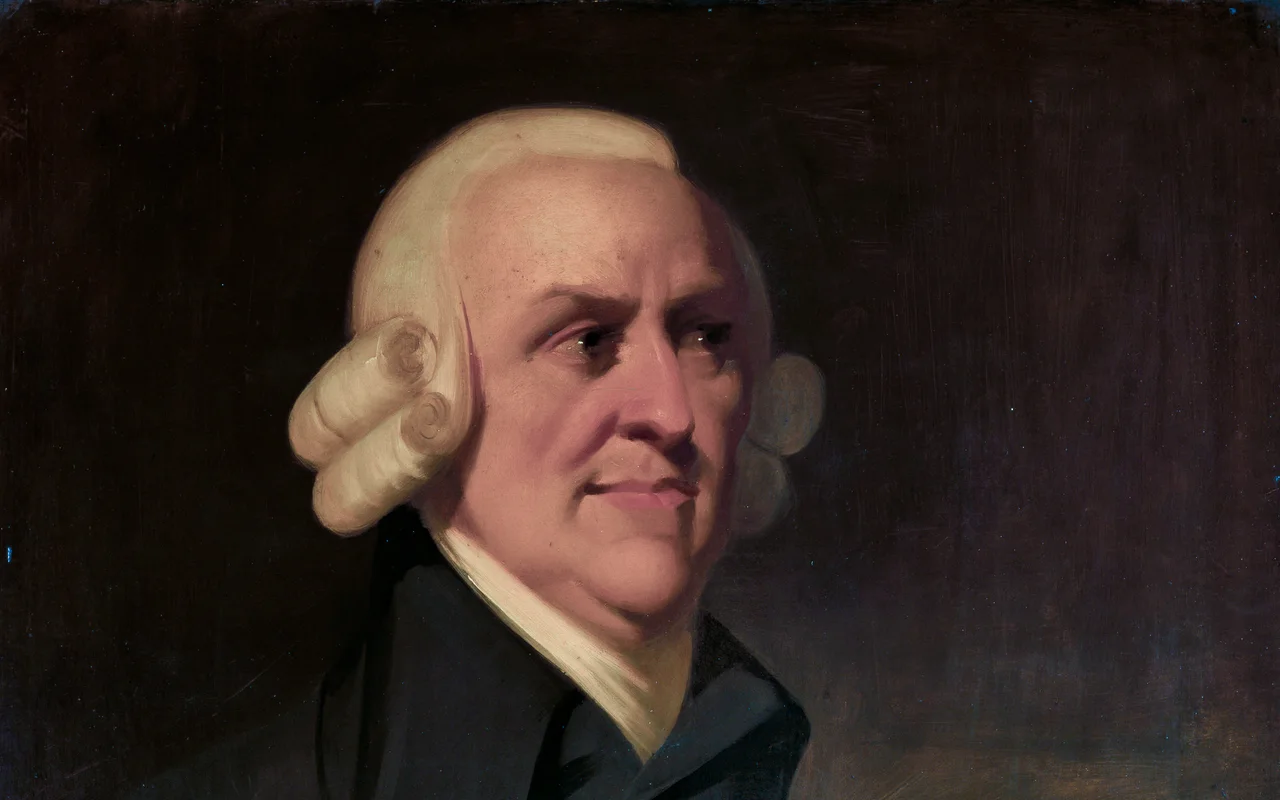
Political economy and industrial capitalism
Debates over markets, labor, land, value, poverty and industrial growth became formal political economy, from Adam Smith to Karl Marx and many critics of empire and capitalism.
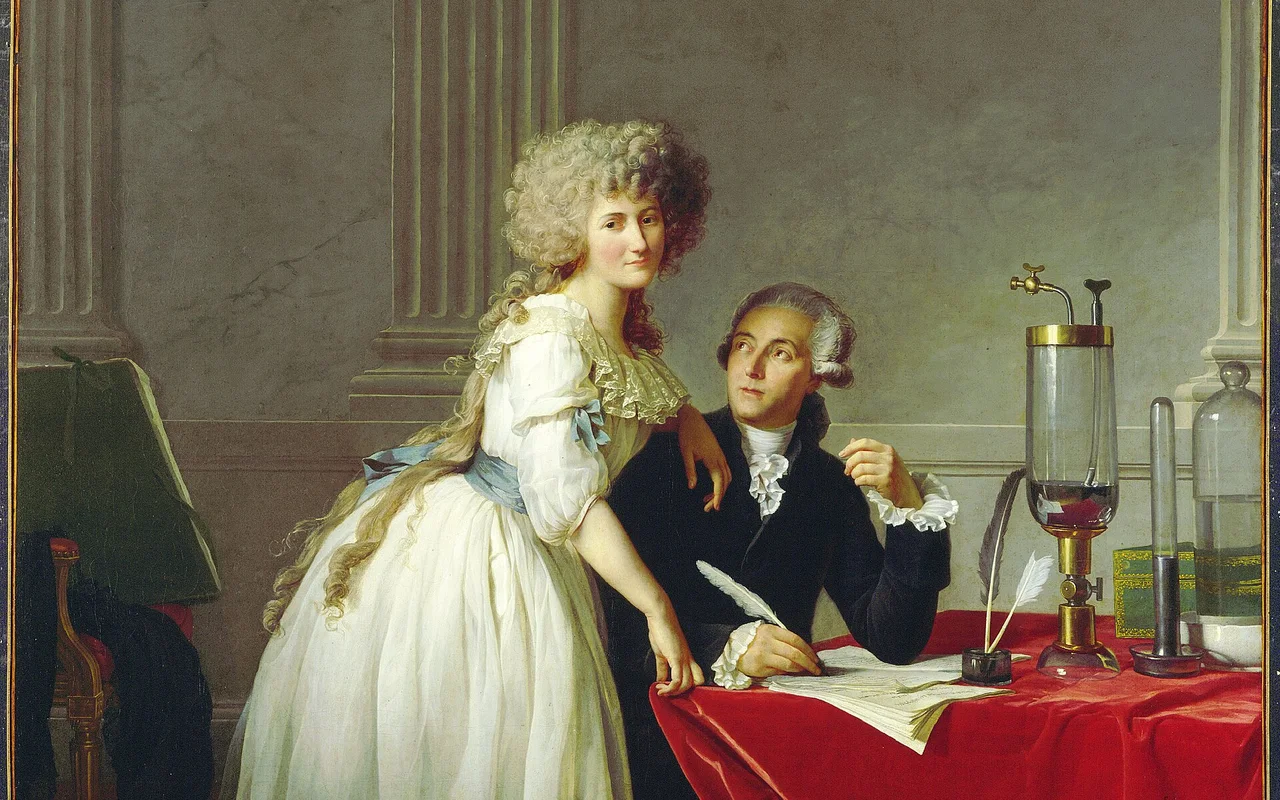
Modern chemistry and the periodic table
Lavoisier’s chemical language and later periodic classifications made elements, mass and recurring properties easier to identify, compare and predict.
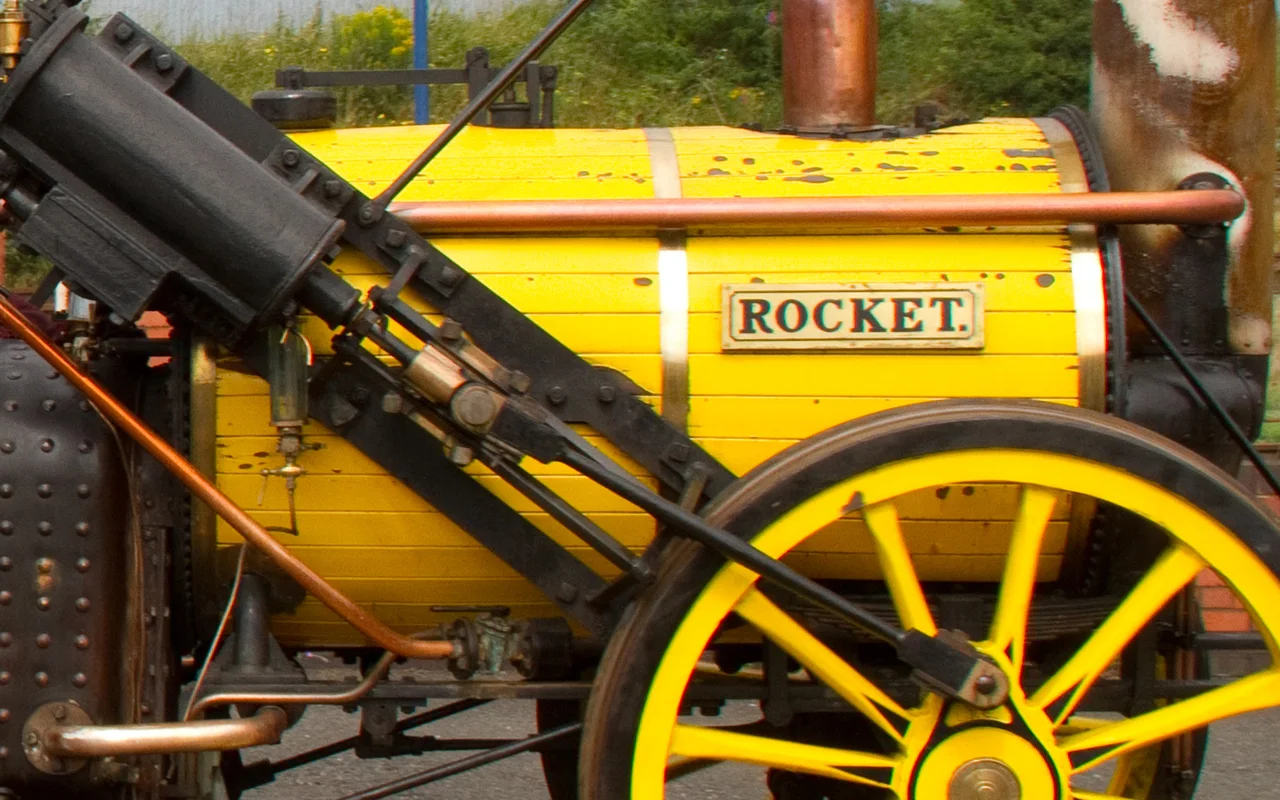
Railways, steamships and networked transport
Selected locomotive, railway and steamship milestones trace how transport became faster and more regular, while older sail, road and river systems continued and regional timelines differed.
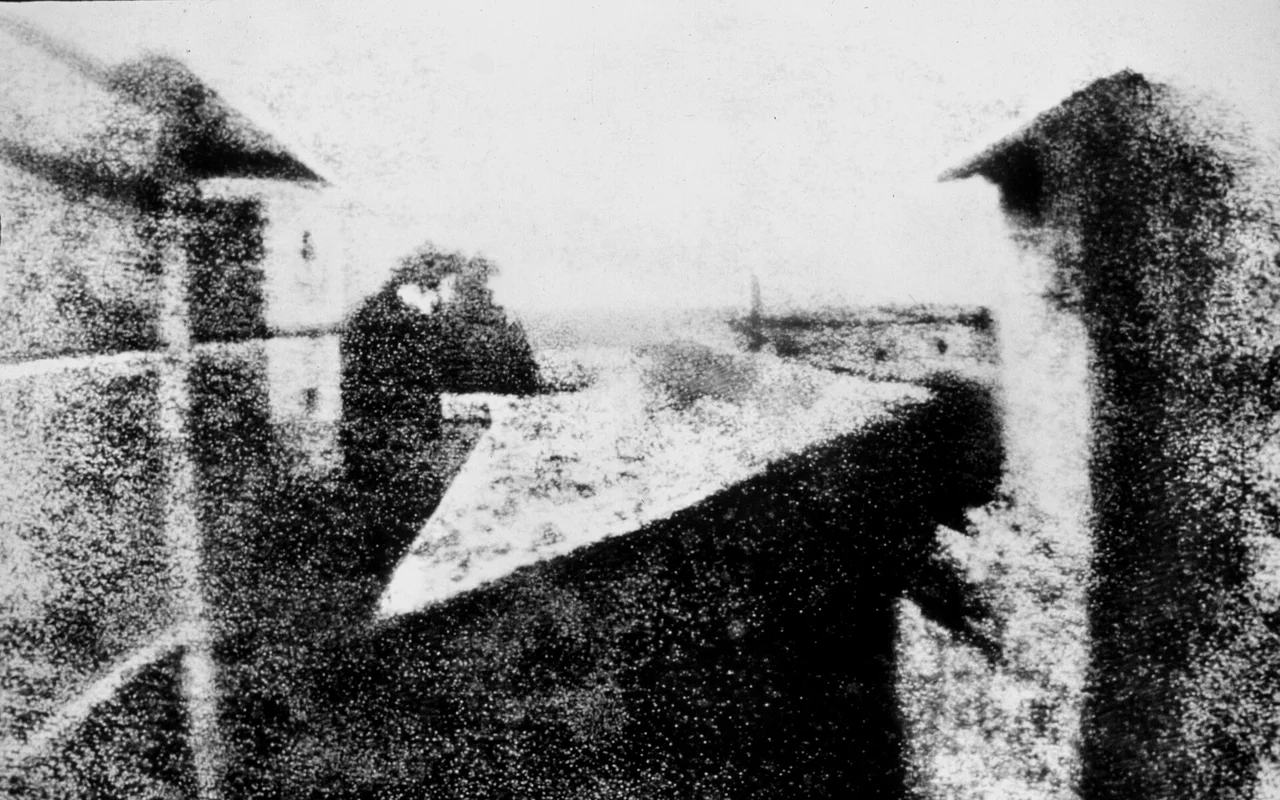
Photography, film and the recorded image
Experiments by many makers produced chemical photography and then projected motion pictures. The selected European and North American milestones do not represent every photographic tradition or one inventor’s achievement.
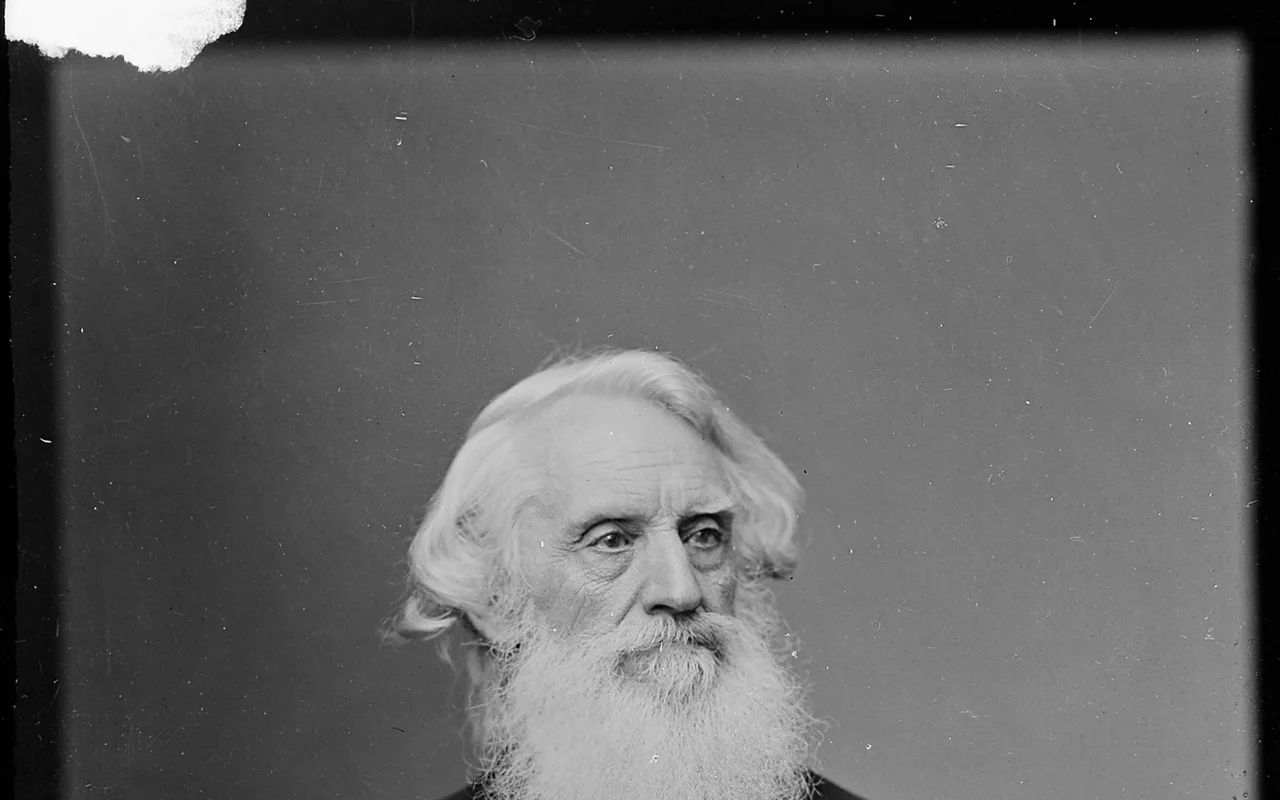
Electrical communication and recording
Selected telegraphy, telephony, sound-recording and radio milestones show distinct technologies becoming systems for rapid communication, coordination and mass media through infrastructure and operator labour.
Cell theory, neurons and modern physiology
Microscopy, cell theory, experimental physiology and competing work on nervous tissue gradually recast living bodies as organized systems of cells, organs, signals and chemical processes.
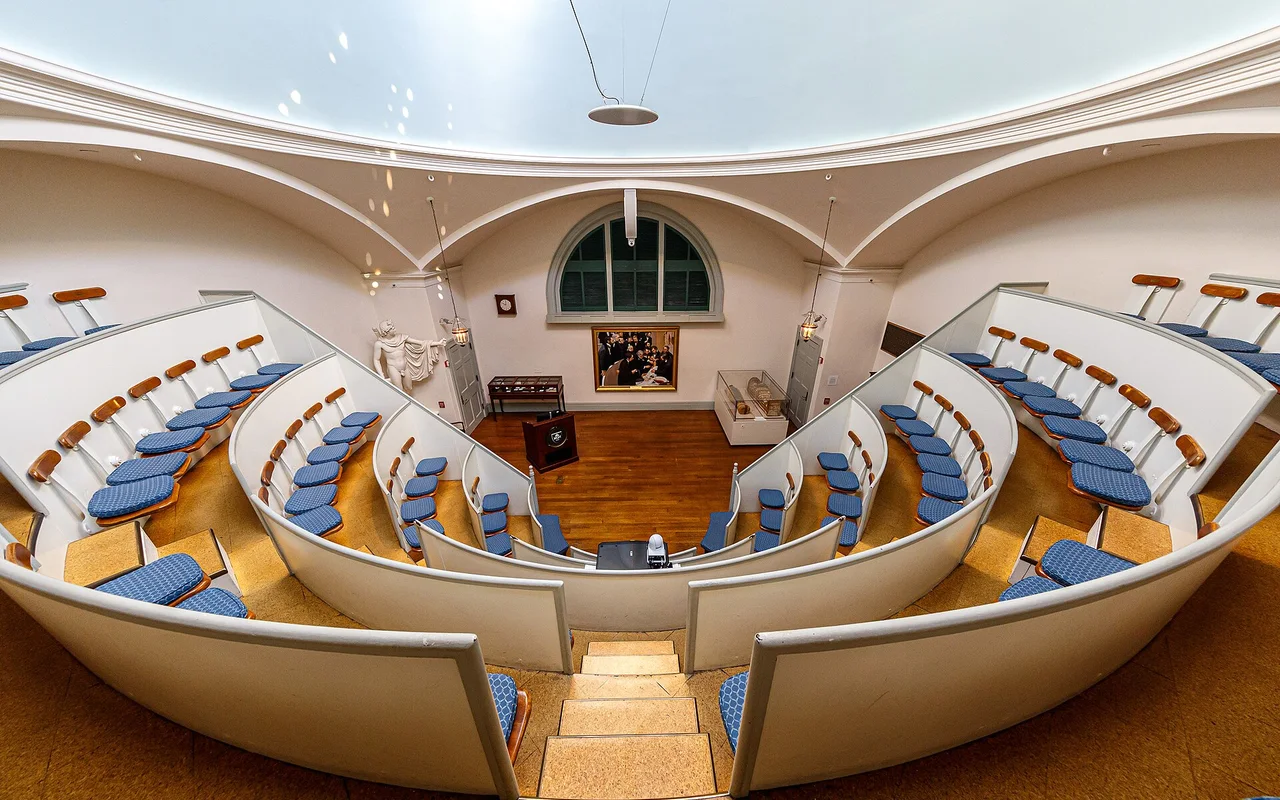
Anesthesia, germ theory and public health
Anesthesia made new forms of surgery possible while germ theory, antisepsis, vaccination and sanitation changed how communities explained and prevented disease.
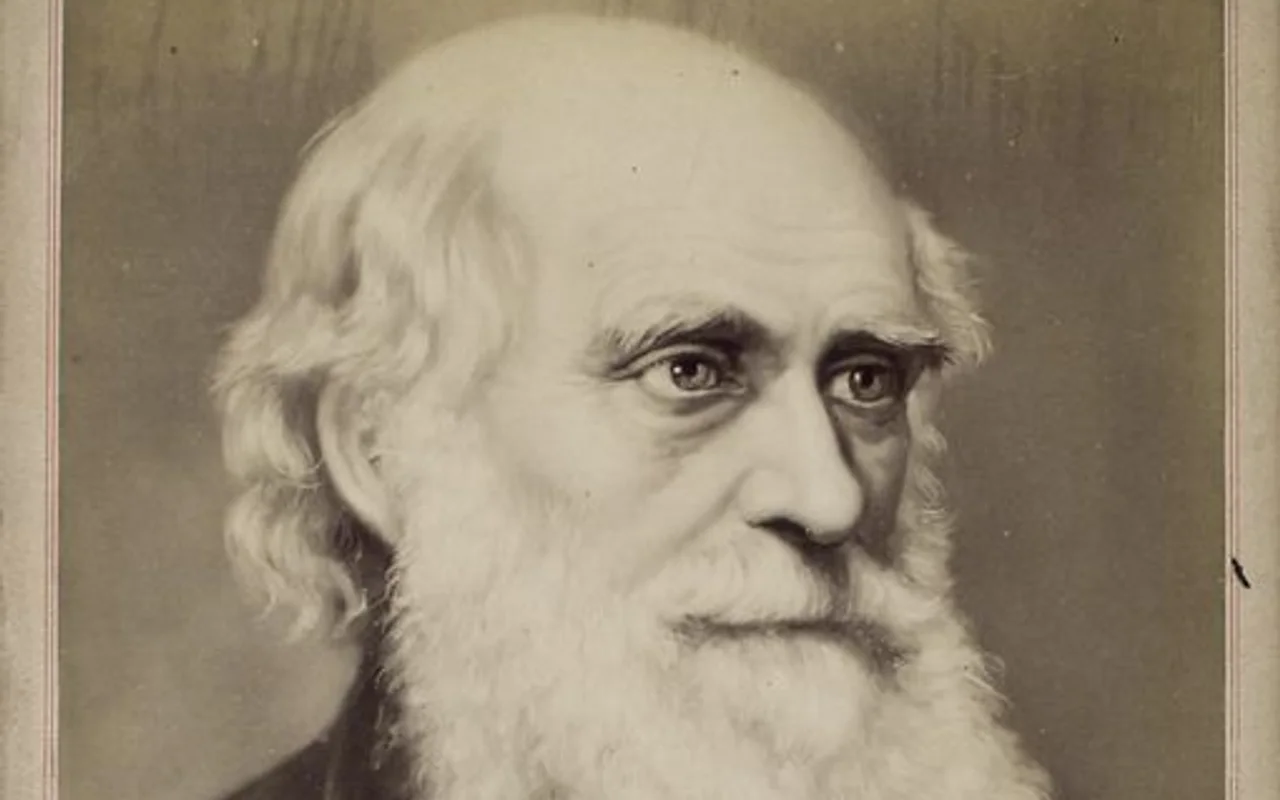
Evolution and heredity
Darwin and Wallace developed natural selection, while Mendel’s pea experiments addressed inheritance through a distinct research programme. Their later synthesis was not completed in 1866.
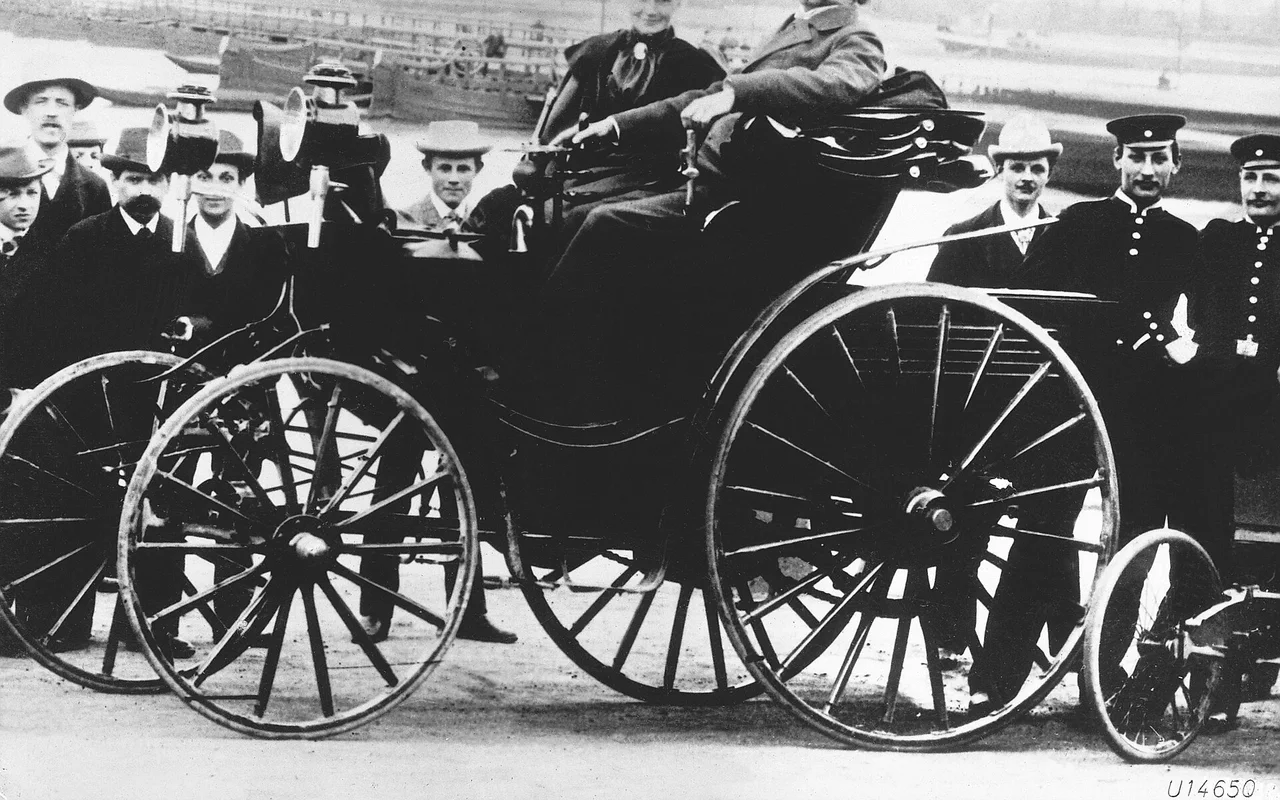
Internal combustion, automobiles and mass mobility
Selected European and U.S. engine, automobile and factory milestones trace a transition toward motor transport; widespread mass mobility developed later and unevenly around the world.
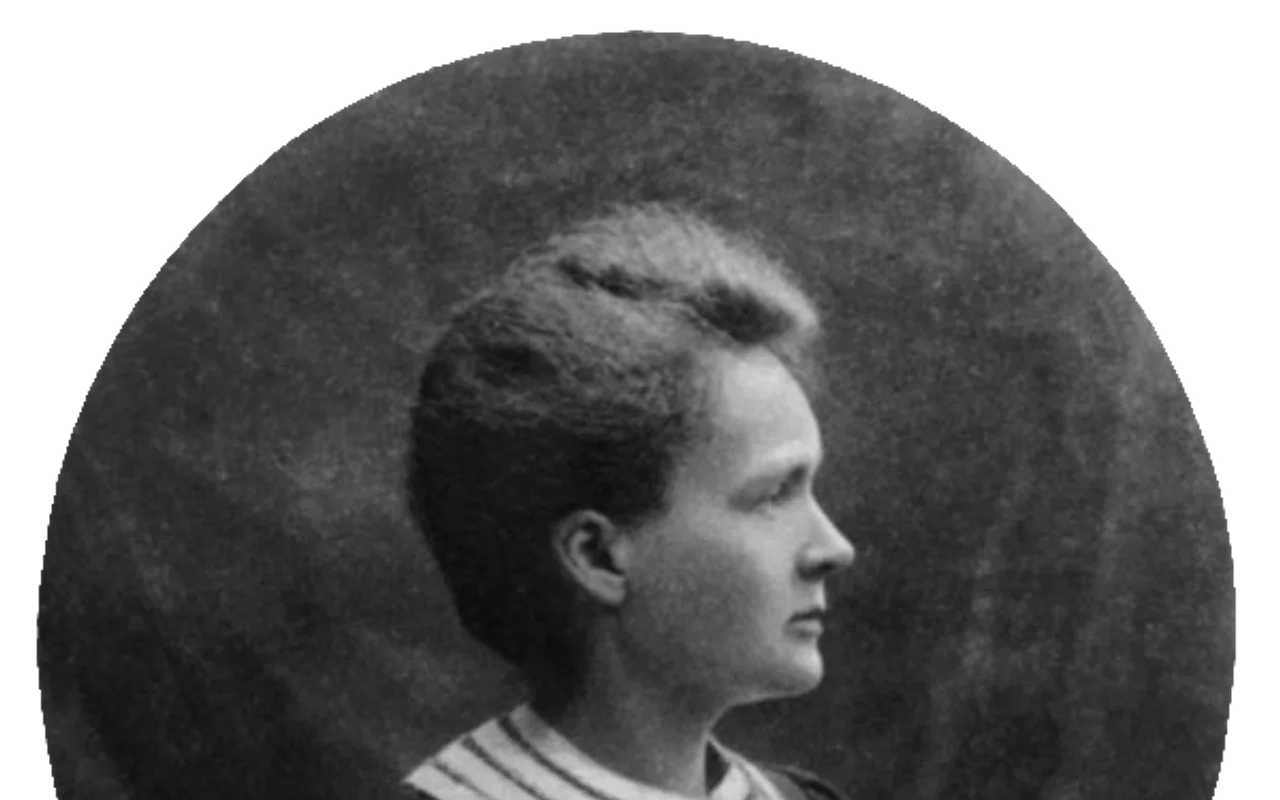
X-rays, radioactivity and quantum physics
X-ray imaging, research on radioactivity and several stages of quantum theory were distinct experimental and mathematical programmes that exposed limits in classical physics.
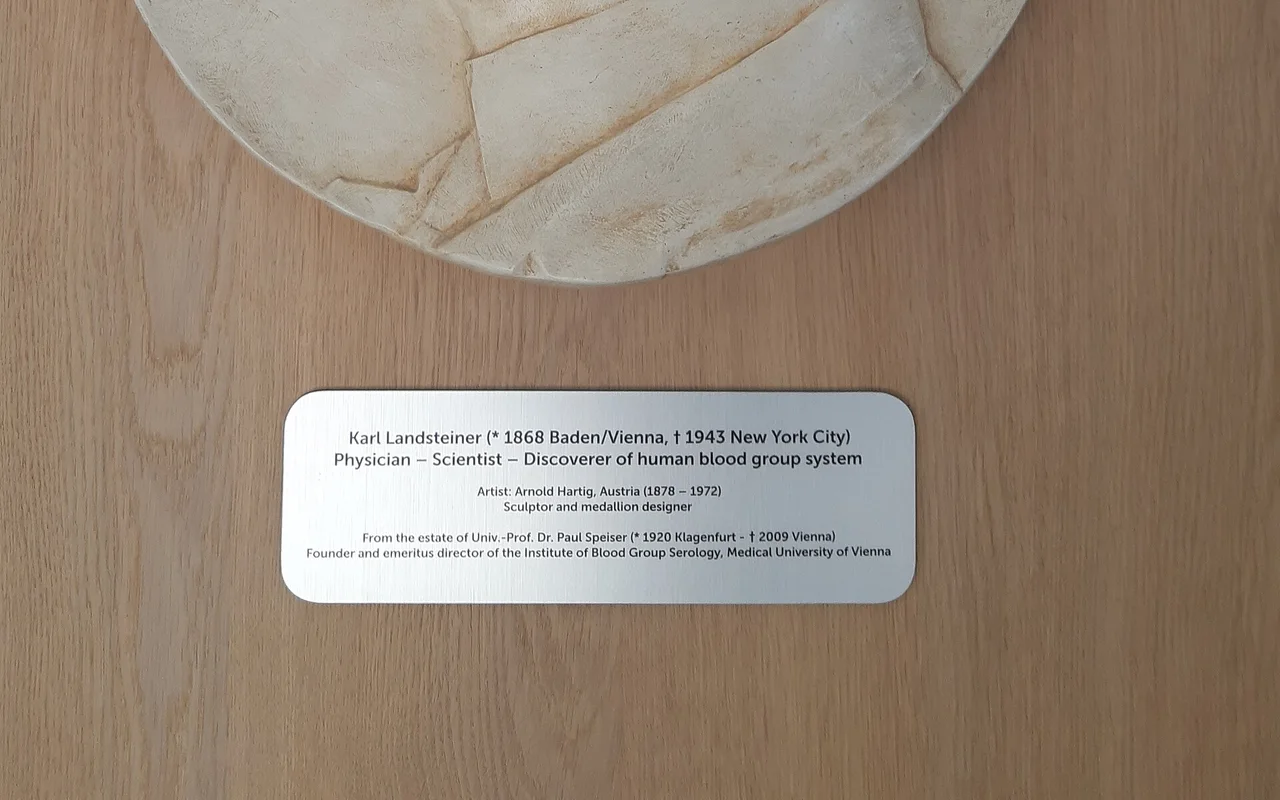
Blood groups, insulin and modern clinical physiology
Landsteiner’s blood-group work enabled safer compatibility testing, while the Toronto insulin team’s extraction, purification and clinical trials transformed type 1 diabetes from a rapidly fatal disease into a treatable chronic condition.
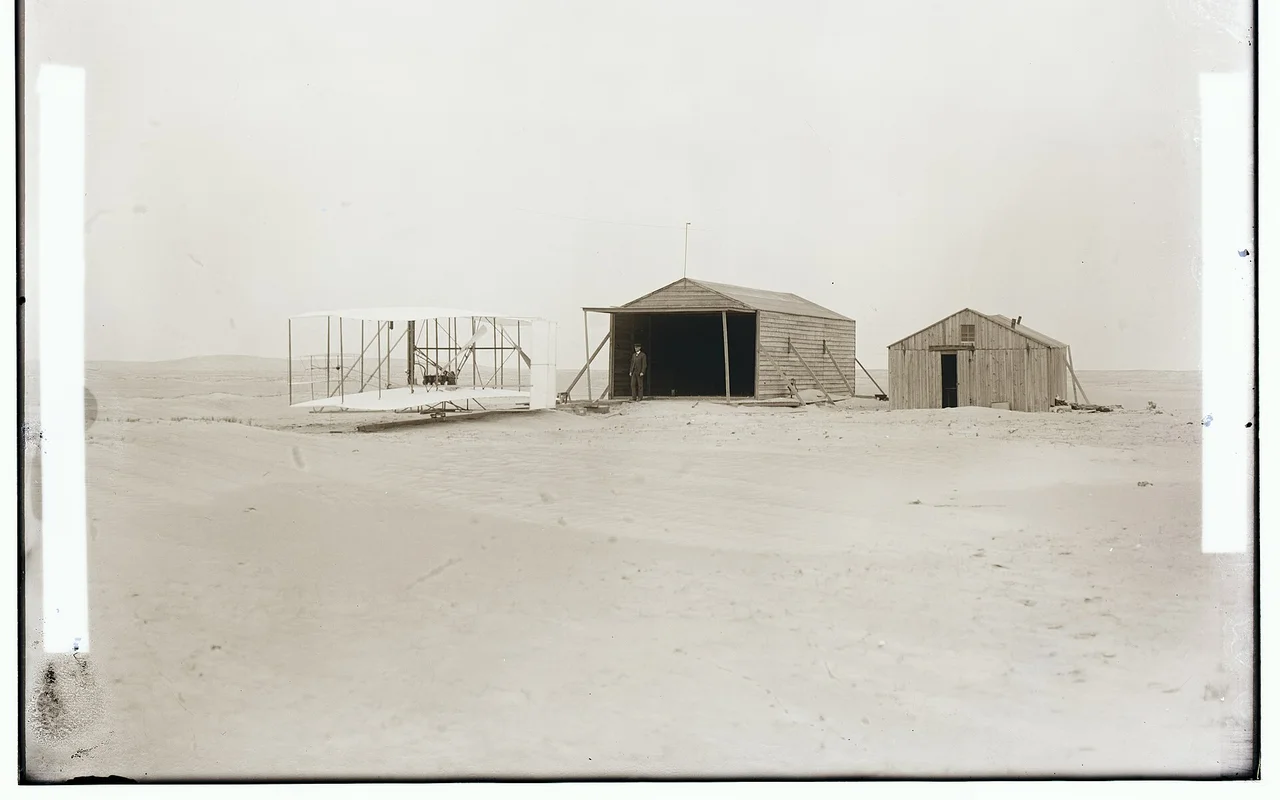
Powered flight
At Kitty Hawk, the Wright brothers made four successful flights in a powered, heavier-than-air machine whose pilot could control pitch, roll and yaw.
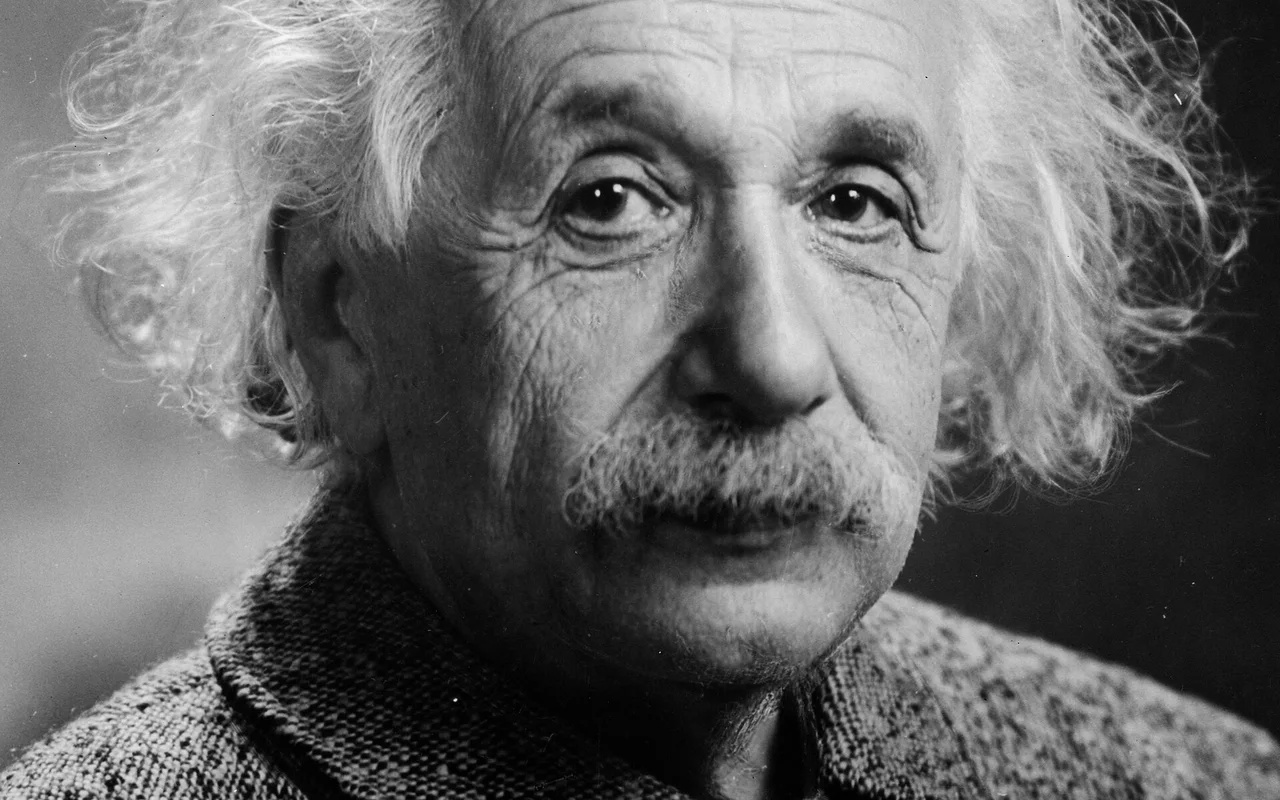
Relativity and the expanding universe
Special relativity changed the relation of space and time; general relativity described gravitation through curved spacetime. Distance and redshift work by several astronomers then supported an expanding universe.
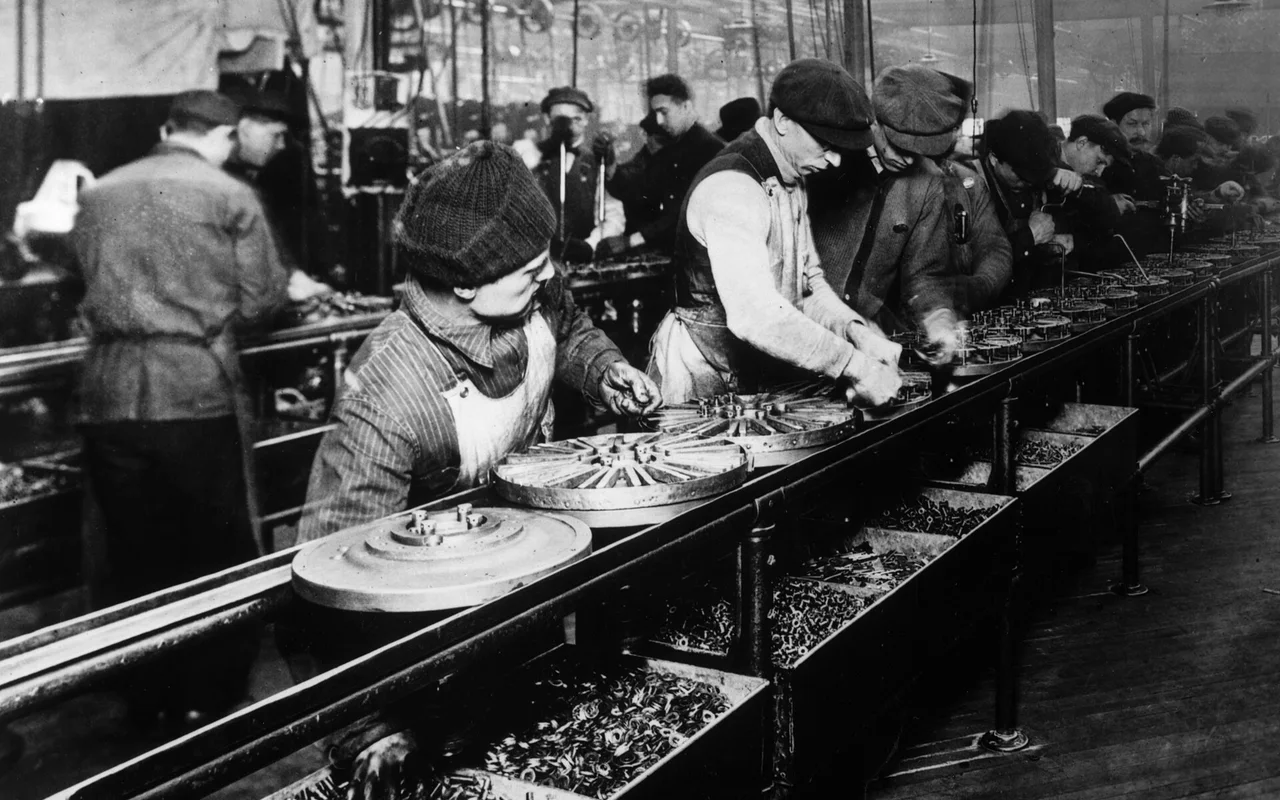
Assembly lines and mass production
Ford engineers and workers introduced moving lines in stages at Highland Park, combining earlier interchangeable-parts practice and division of labour to accelerate automobile assembly.
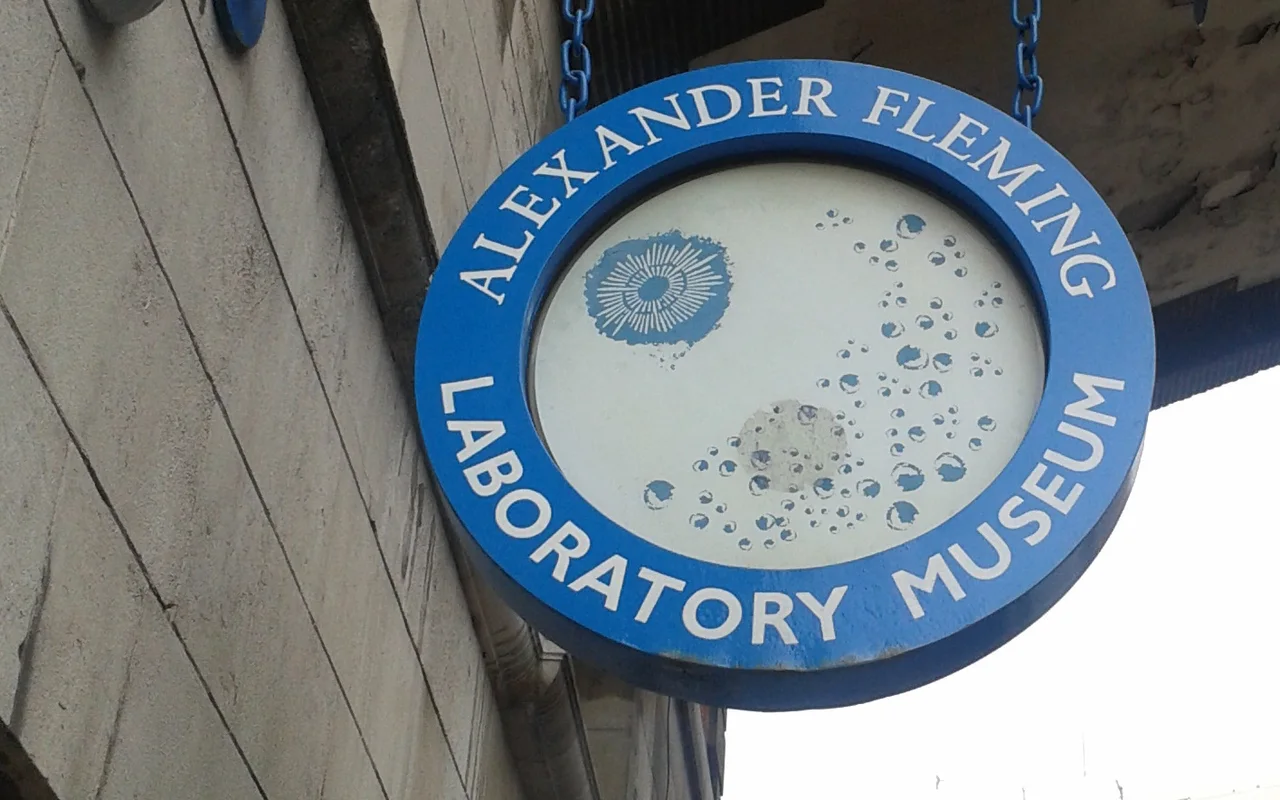
Penicillin and antibiotics
Fleming observed penicillin’s antibacterial effect in 1928; Florey, Chain, Heatley and a wider Oxford team later developed purification and testing, while British and U.S. institutions scaled production during the war.
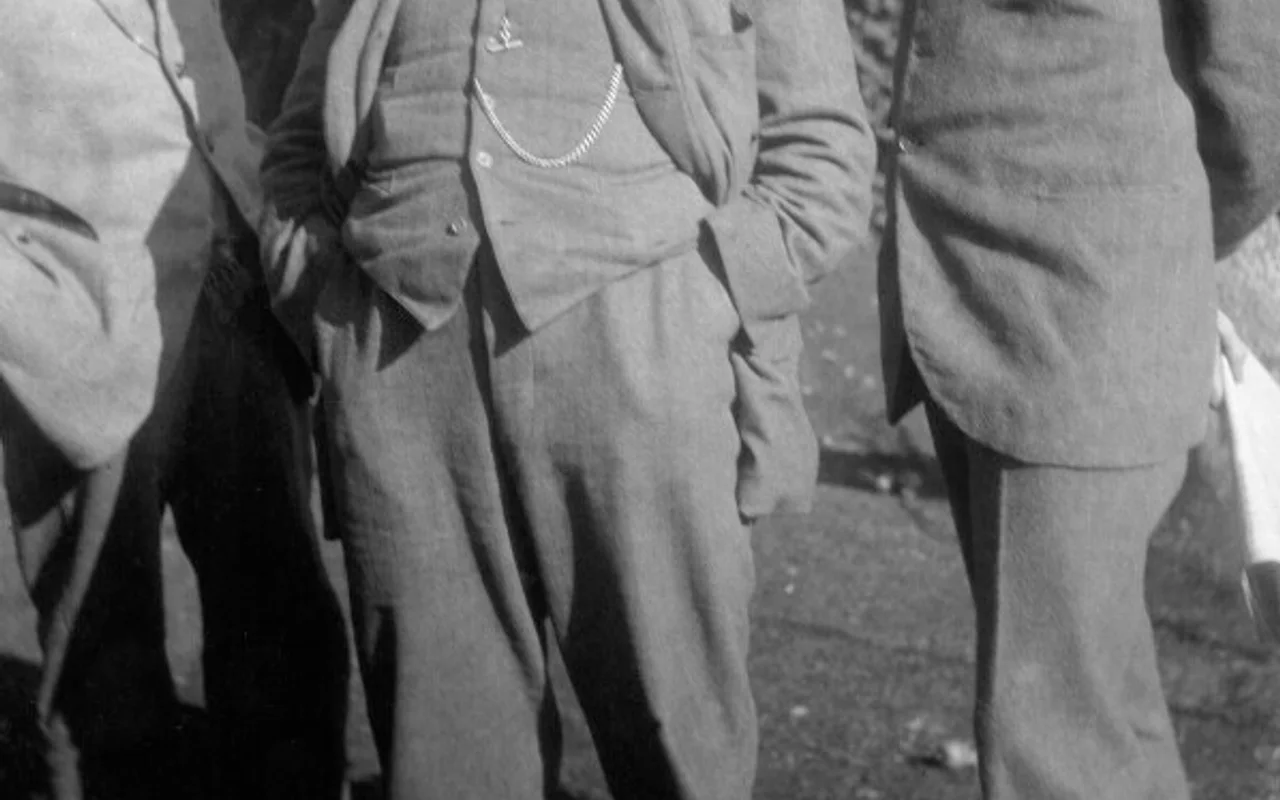
Macroeconomics, national accounts and welfare states
The Depression and wartime planning accelerated several connected developments: Keynes’s aggregate-demand framework, Kuznets and others’ national-income accounts, and country-specific programmes for employment, social insurance and economic stabilization.
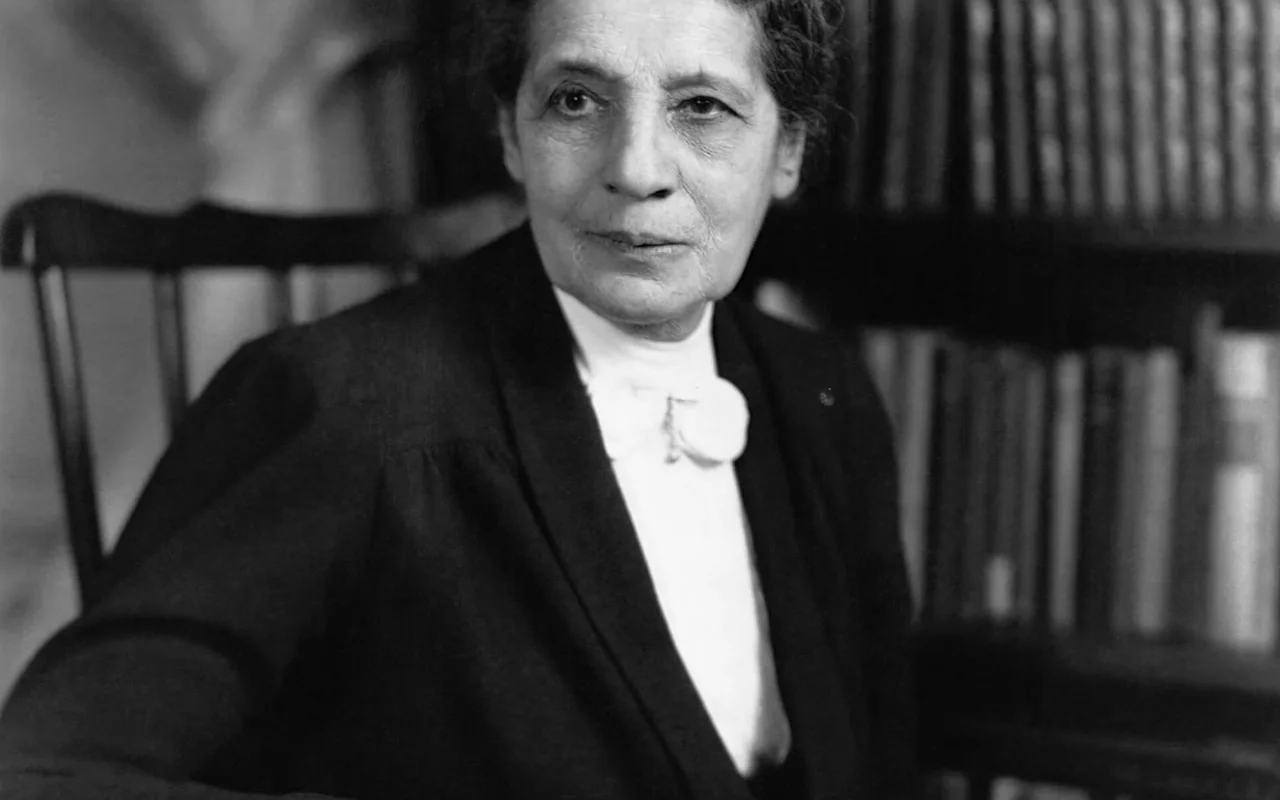
Nuclear fission and the nuclear age
Hahn and Strassmann’s 1938 experiments produced evidence of uranium fission; Meitner and Frisch supplied the physical interpretation and name. Chain-reaction research then led rapidly to a reactor and the Manhattan Project.
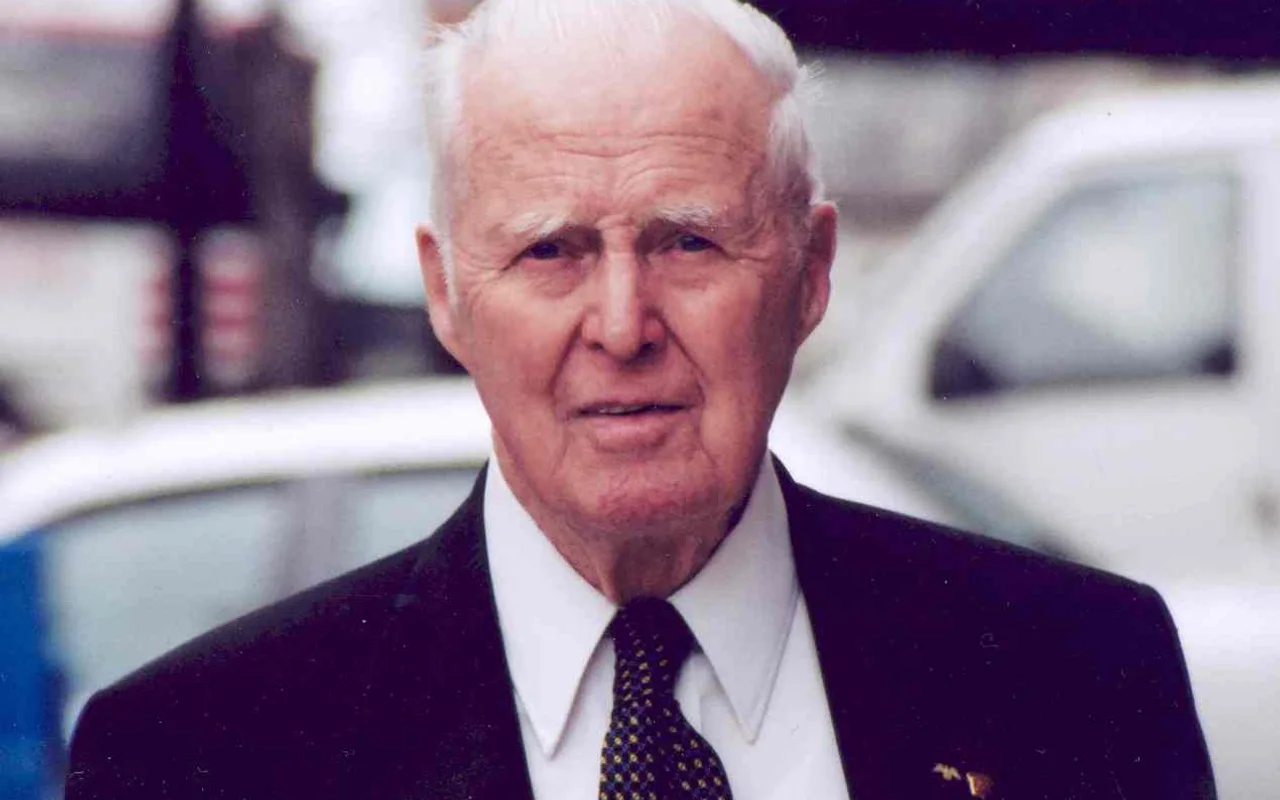
Green Revolution and crop science
Public research institutes, plant breeders and farmers developed and adopted high-yielding wheat and rice varieties, especially in Mexico and parts of South and Southeast Asia, alongside irrigation, fertilizer, credit and extension systems.
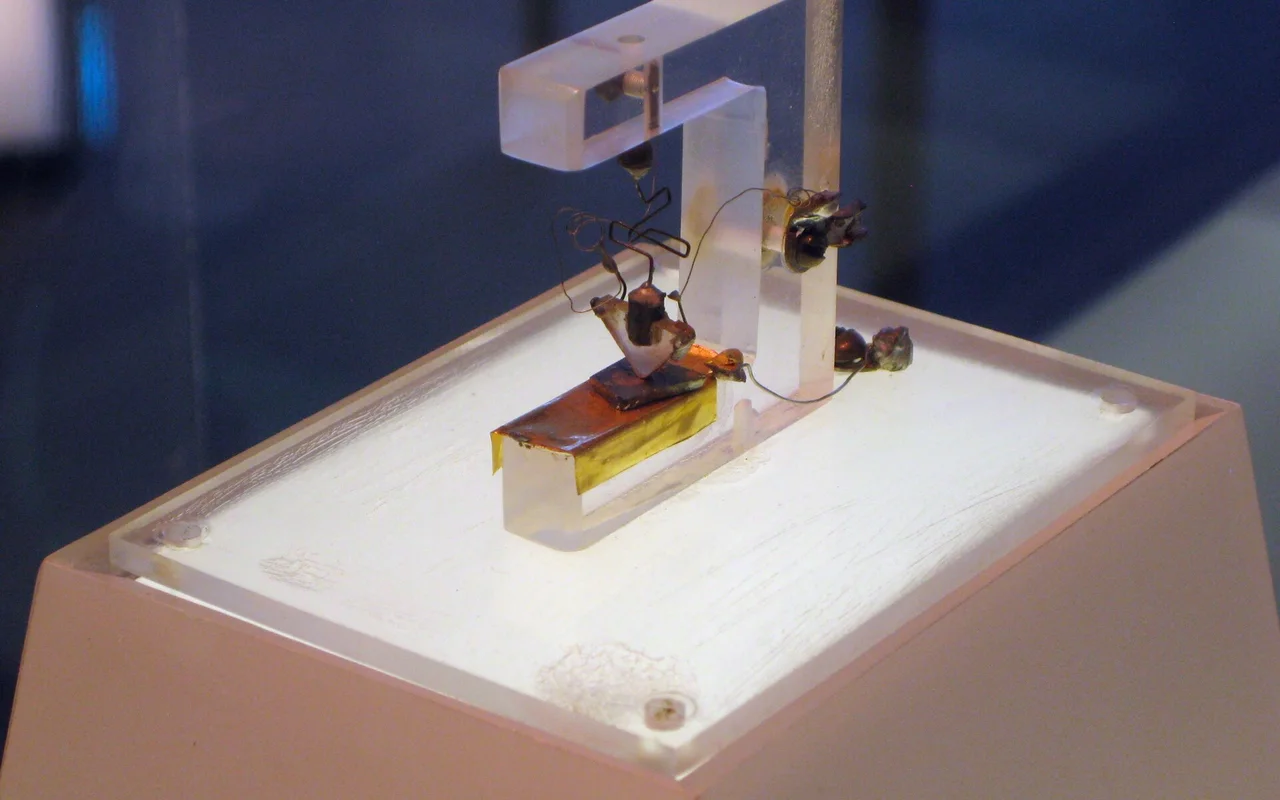
Transistor, electronic computing and microprocessors
The 1947 point-contact transistor, later junction and MOS transistors, integrated circuits in the late 1950s and a commercial microprocessor in 1971 progressively concentrated electronic switching and computation.
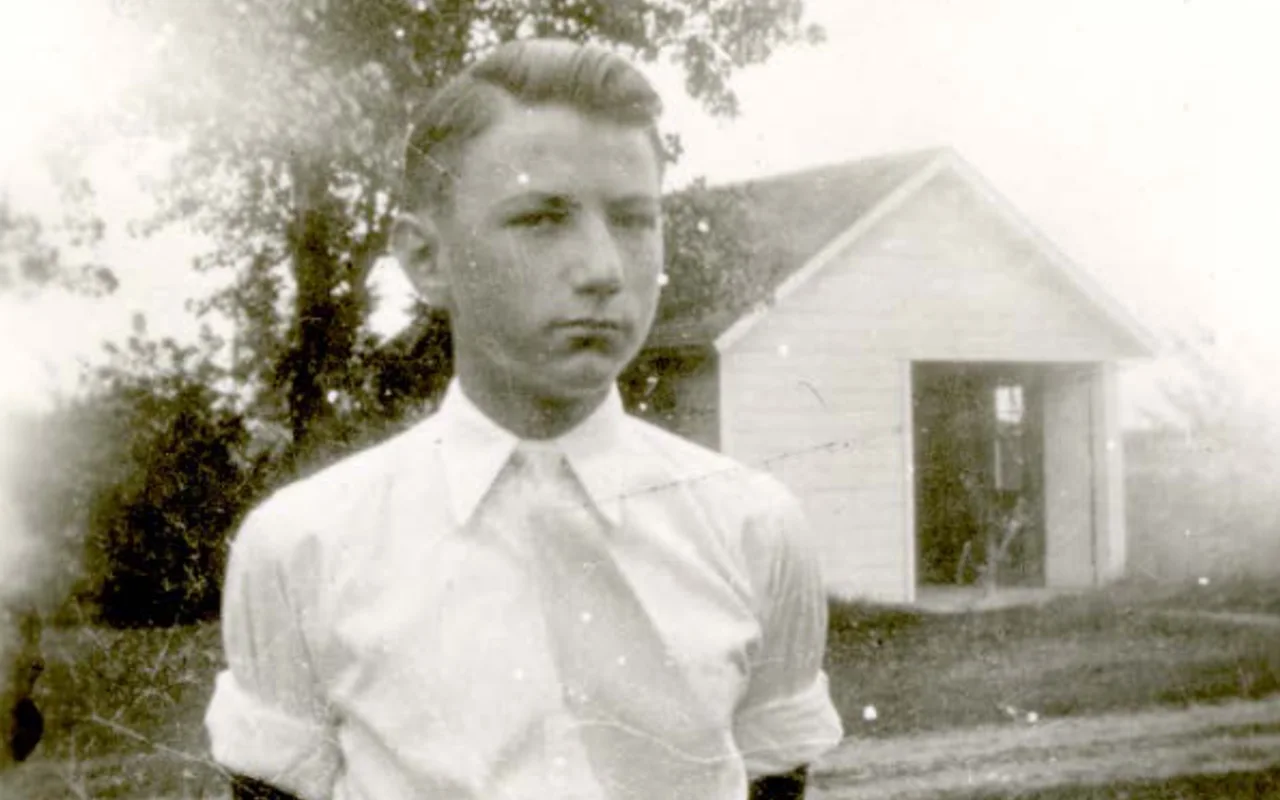
Information theory and digital communication
Claude Shannon’s 1948 papers formalized information, entropy, noise and channel capacity, building on earlier communication engineering and creating a mathematical limit framework for reliable signals.

DNA structure and molecular biology
In 1953 Watson and Crick proposed a double-helix model using constraints including Rosalind Franklin and Raymond Gosling’s diffraction work and Chargaff’s base ratios; later teams deciphered the genetic code and developed recombinant-DNA methods.

Organ transplantation and immunosuppression
A successful 1954 kidney transplant between identical twins avoided immune rejection; tissue matching, organ preservation and immunosuppressive regimens later made transplants between genetically different people increasingly viable.
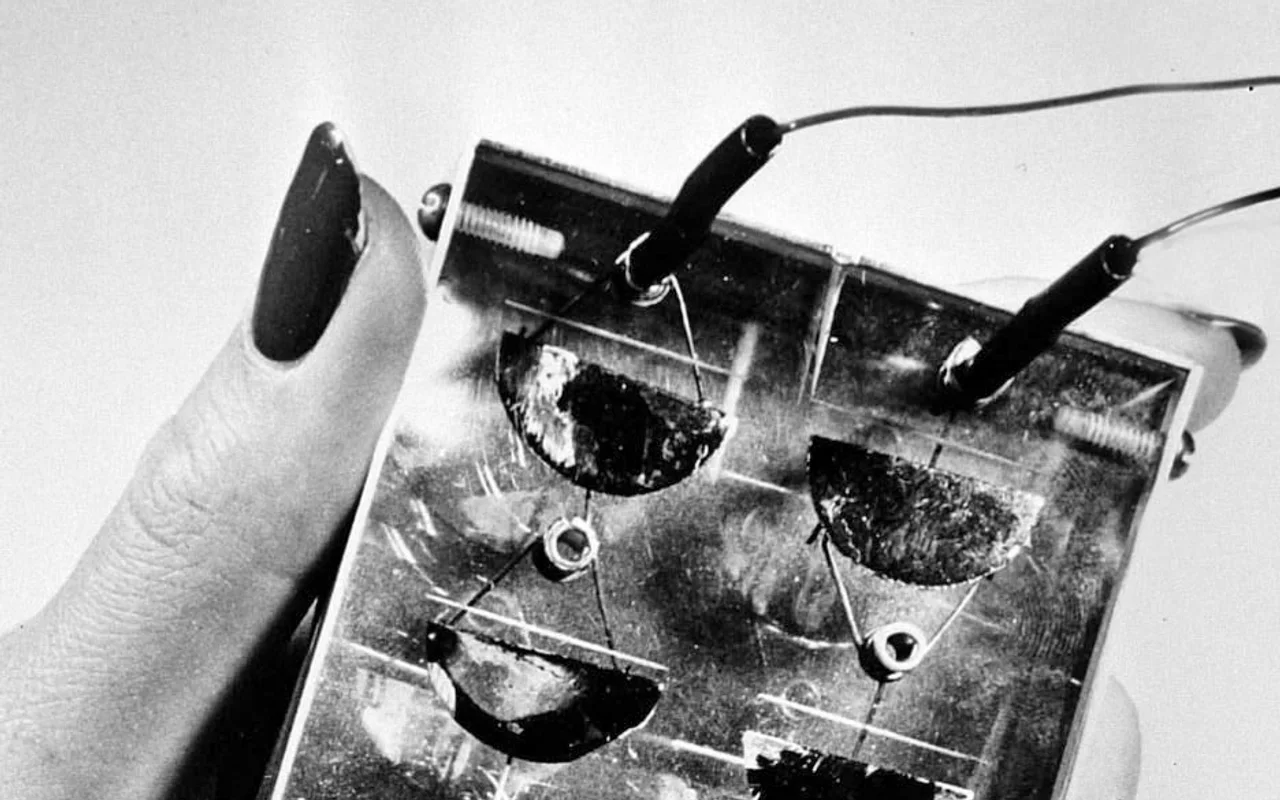
Renewable electricity and the energy transition
The 1954 practical silicon solar cell anchors a selected sequence in which photovoltaic manufacturing, larger wind turbines, power electronics, storage and grid operation made variable renewable electricity increasingly deployable.
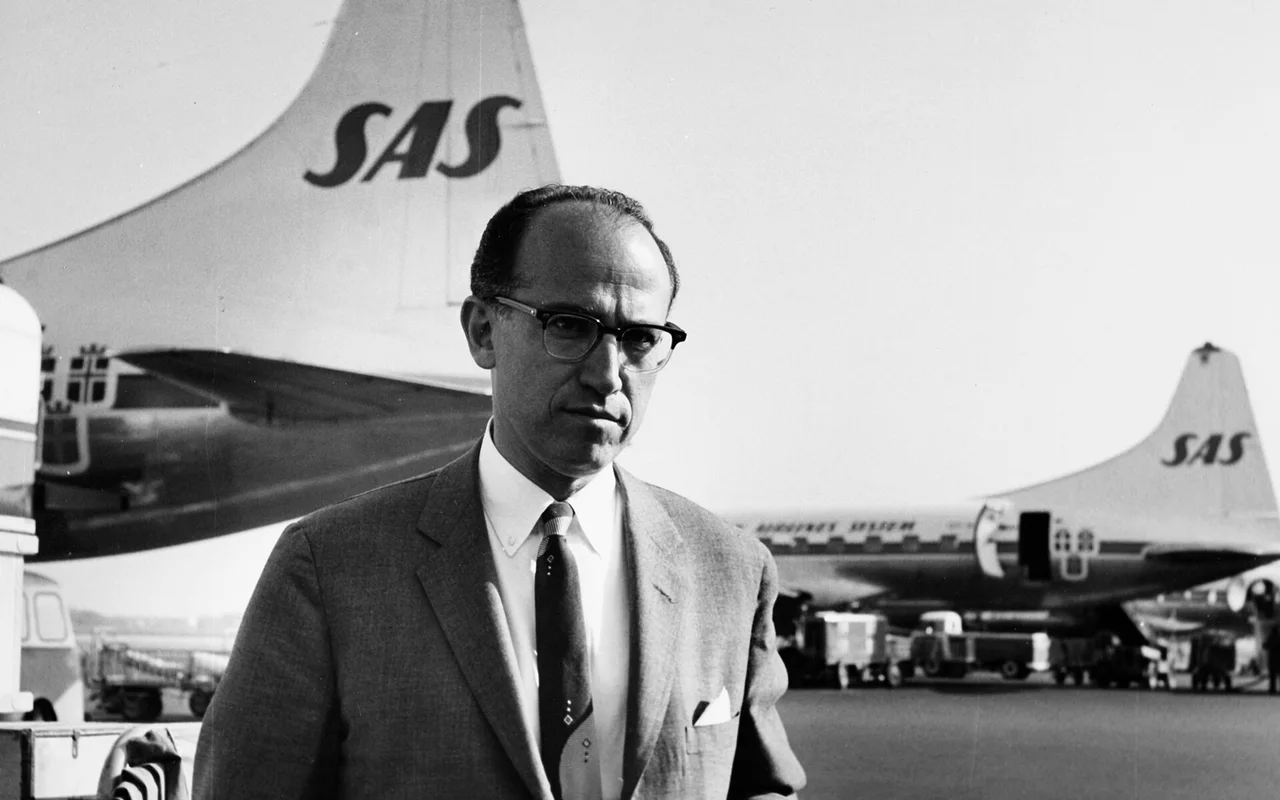
Polio vaccines and mass immunization
The inactivated Salk vaccine was licensed in 1955 and oral Sabin vaccines followed in the early 1960s; manufacturing, surveillance and mass campaigns then sharply reduced poliomyelitis in many countries.
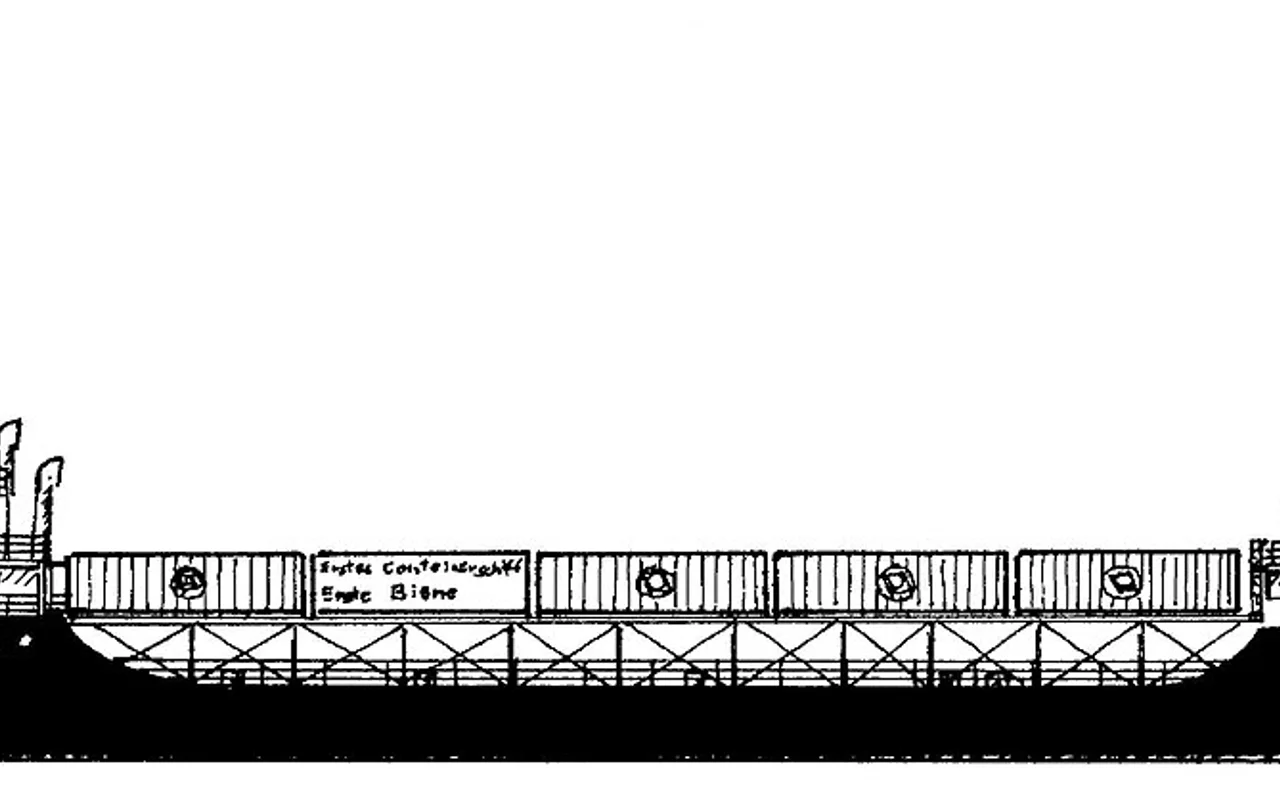
Containerization and global supply chains
The Ideal-X voyage in 1956 was one milestone in a larger system of standard containers, cranes, ships, rail and road links, safety rules and port redesign that reduced handling time and reorganized trade.
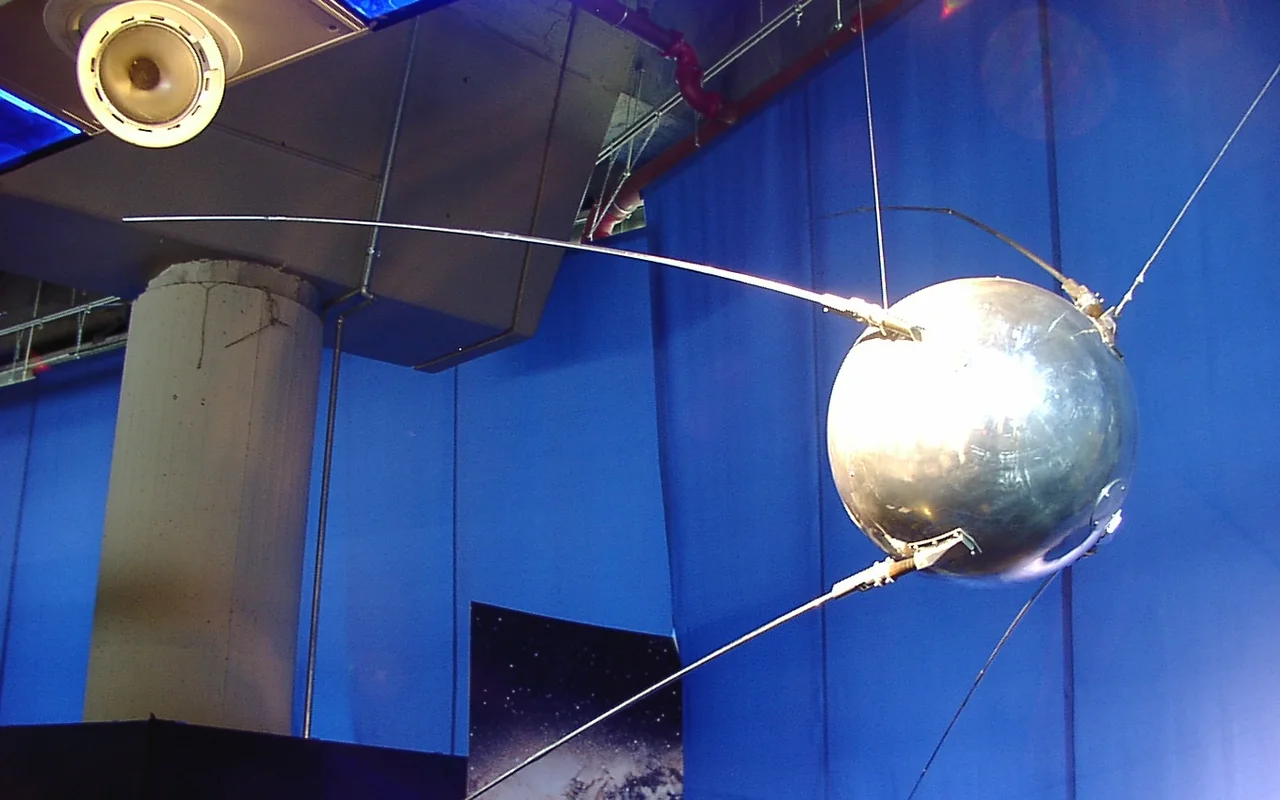
Space age and Earth observation
Sputnik 1 inaugurated artificial Earth orbit in 1957; weather, communications and land-observing satellites then developed as distinct systems, while probes and observatories extended research across the Solar System and universe.
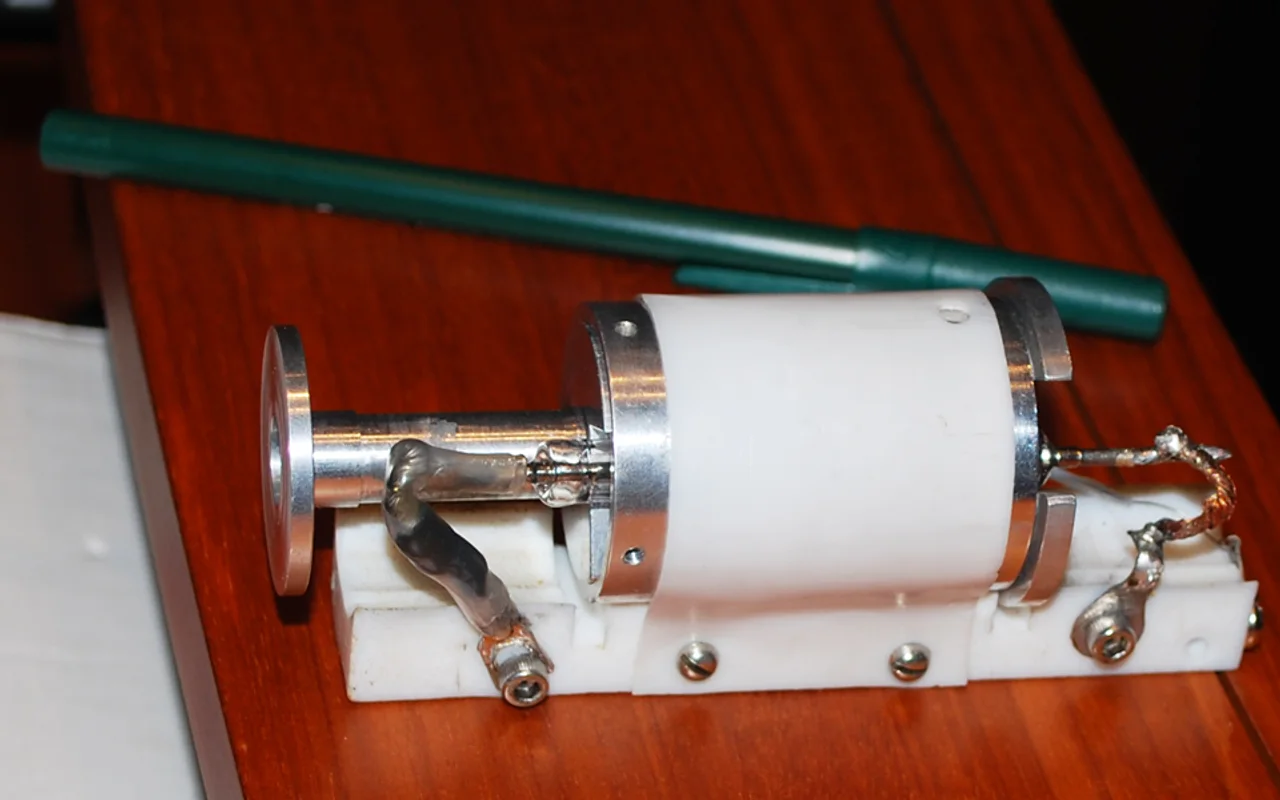
Lasers, fiber optics and modern photonics
Maiman demonstrated a working ruby laser in 1960; Kao and Hockham’s 1966 analysis identified material purity as the route to practical optical communication, and low-loss glass fiber followed in 1970.

Plate tectonics and Earth-system science
Seafloor maps, earthquake patterns, paleomagnetic stripes and spreading hypotheses converged during the 1960s into plate tectonics, a framework that explained moving lithospheric plates, ridges, transform faults and subduction.
CT, MRI and non-invasive medical imaging
Computed tomography reconstructed cross-sectional images from many X-ray measurements, while magnetic-resonance imaging used magnetic fields, radio-frequency signals and spatial encoding. Their first clinical and foundational milestones unfolded through different teams during the 1970s.
Electronic markets, digital money and fintech
NASDAQ’s 1971 quotation system anchors a selected history of electronic markets; card and automated-clearing networks, online banking, Kenya’s 2007 M-Pesa service and the 2009 Bitcoin network followed different institutional and technical paths.
In vitro fertilization and reproductive medicine
Louise Brown’s birth on 25 July 1978 was the first live birth following in vitro fertilization, after years of research, clinical work and unsuccessful cycles involving Robert Edwards, Patrick Steptoe, Jean Purdy, Lesley and John Brown and a wider care team.
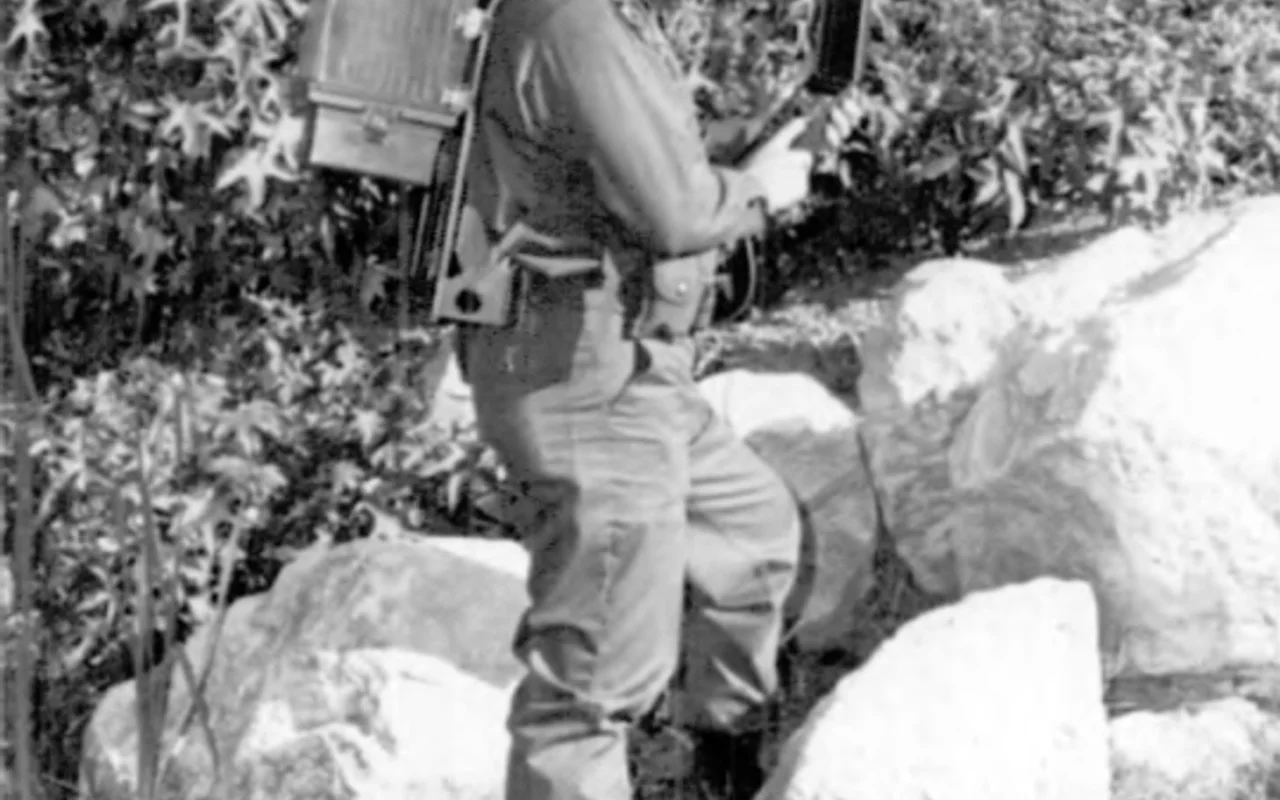
GPS, mobile networks and digital navigation
GPS satellites, cellular standards and handheld computing developed along separate tracks before converging in mass-market navigation. The 1978 opening marks early GPS launches; the 2007 endpoint marks one influential smartphone transition, not the first mobile telephone or smartphone.
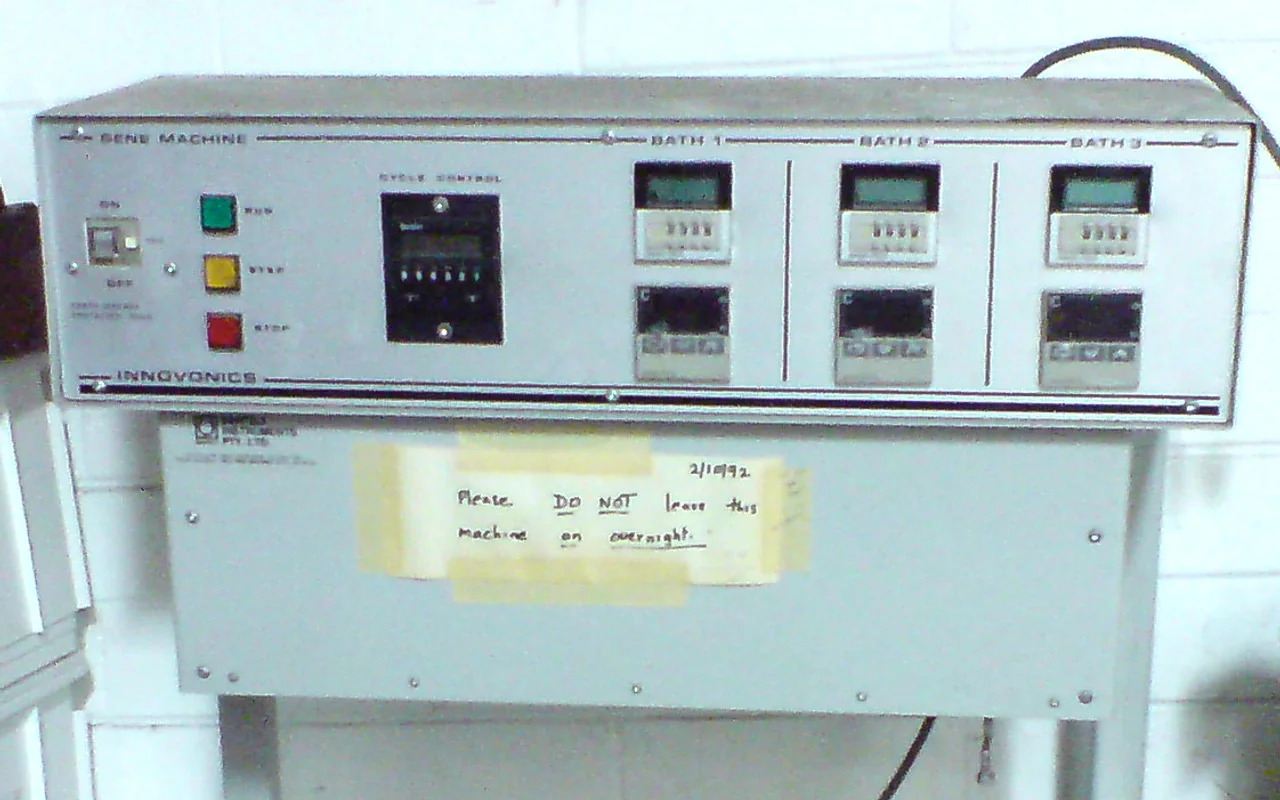
PCR and molecular diagnostics
Polymerase chain reaction used repeated cycles and short primers to copy selected DNA sequences. The 1983 concept became a robust laboratory system through experimental teams, thermostable polymerases, automated thermal cycling and later detection methods.
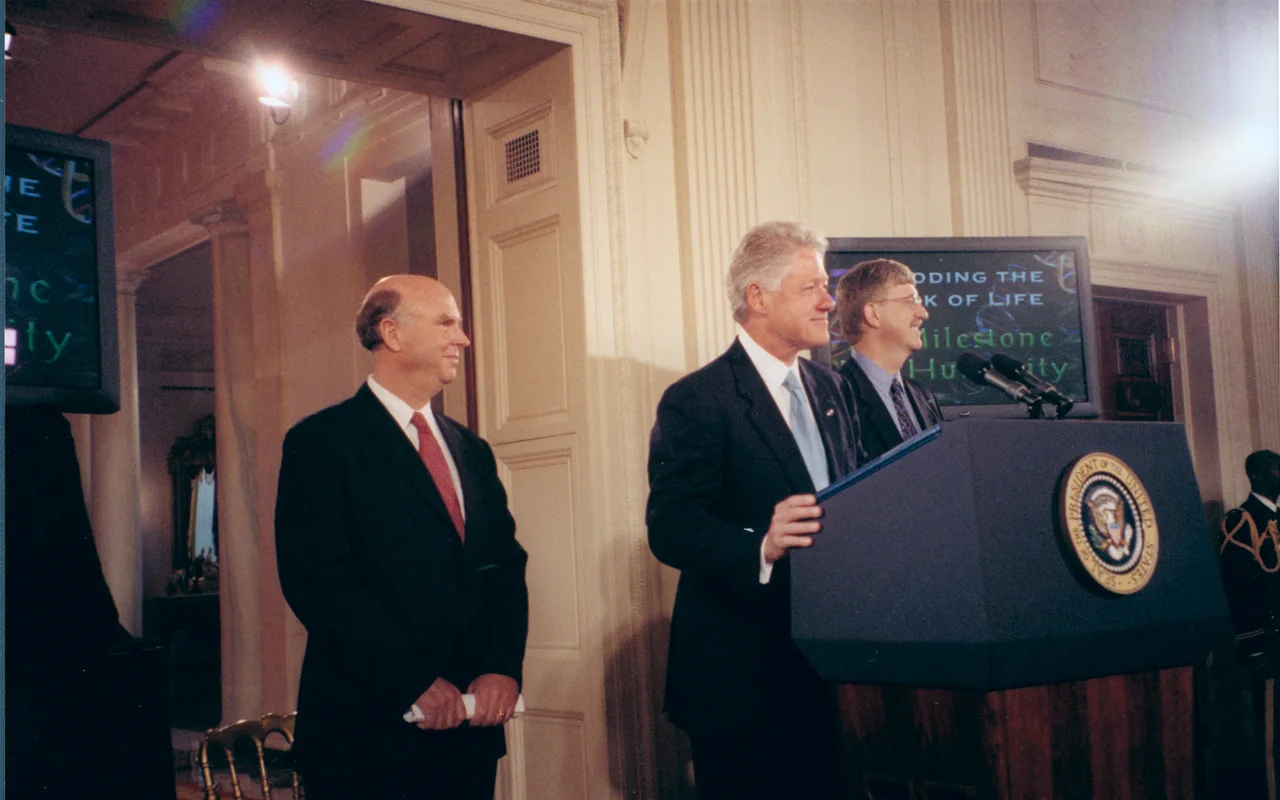
Human Genome Project and genomics
The publicly funded Human Genome Project coordinated laboratories in several countries to map and sequence a composite human reference, releasing a working draft in 2000 and declaring the project substantially complete in April 2003.
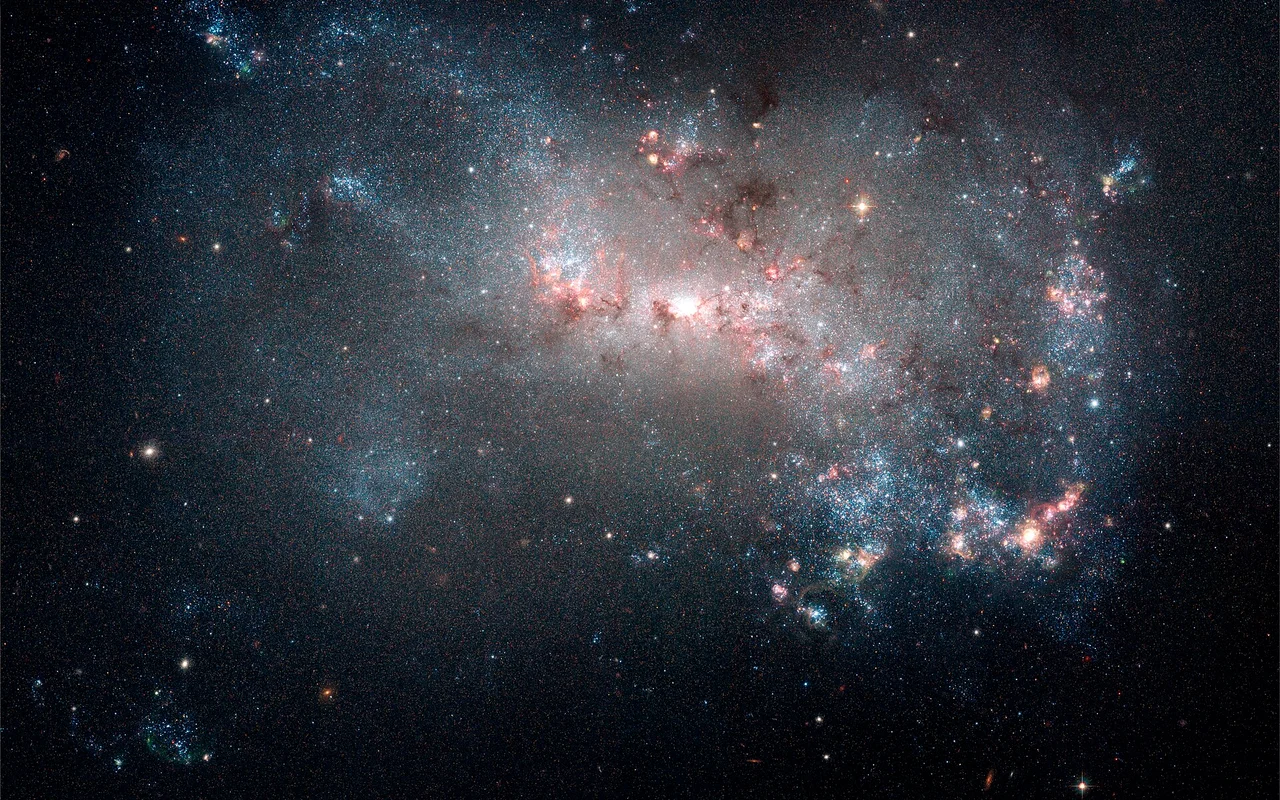
Hubble Space Telescope and deep-space vision
Hubble launched on 24 April 1990 with a flawed primary mirror; a 1993 servicing mission installed corrective optics. Later instruments, repeated servicing and worldwide analysis produced influential measurements and images of stars, galaxies and the expanding universe.

CRISPR gene editing
Research on repeated microbial DNA and bacterial adaptive immunity preceded the 2012 demonstration that CRISPR-Cas9 could be programmed to cut selected DNA. Many laboratories then adapted CRISPR systems for cells, organisms, diagnostics and treatment research.
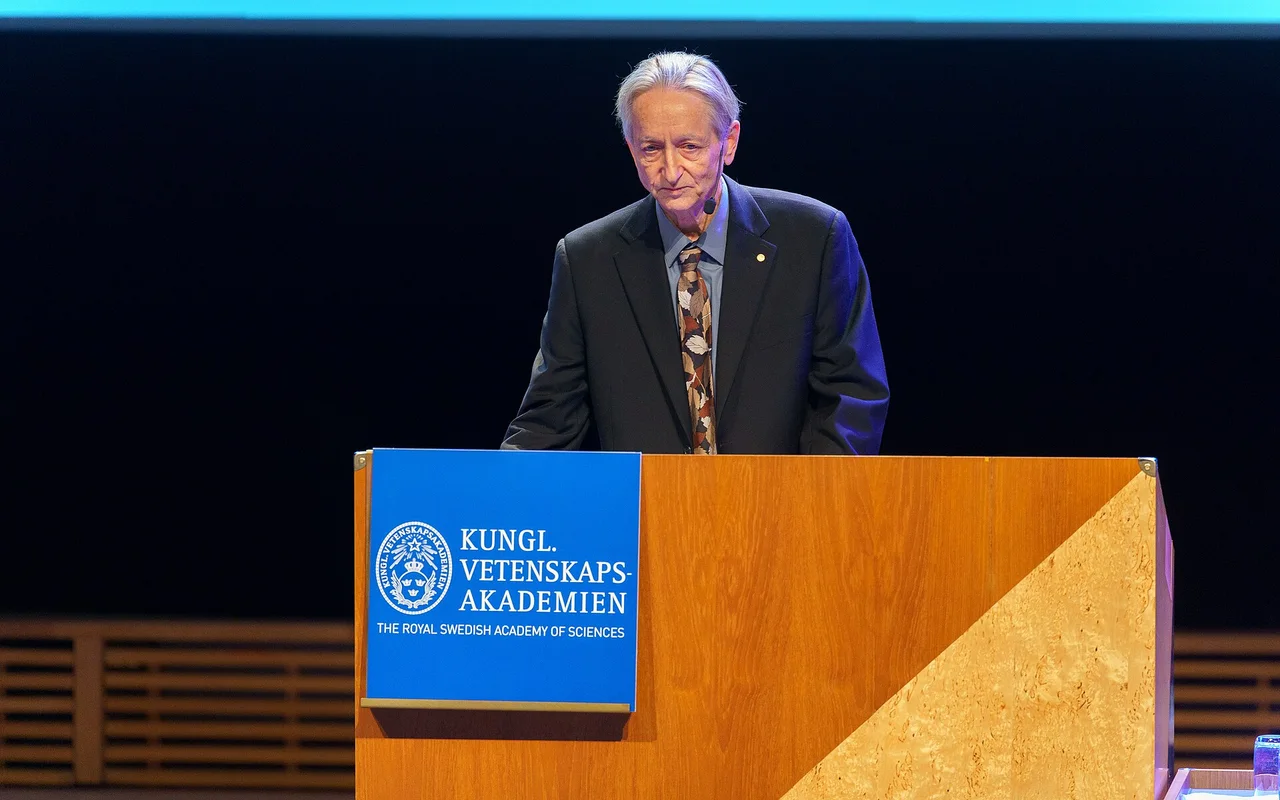
Machine learning, deep learning and AI systems
A 2012 image-recognition result became a visible threshold in a much longer history of statistics, neural networks, backpropagation, specialised processors, benchmark datasets and networked computing. Later transformer and foundation-model systems extended machine learning into language and other media.
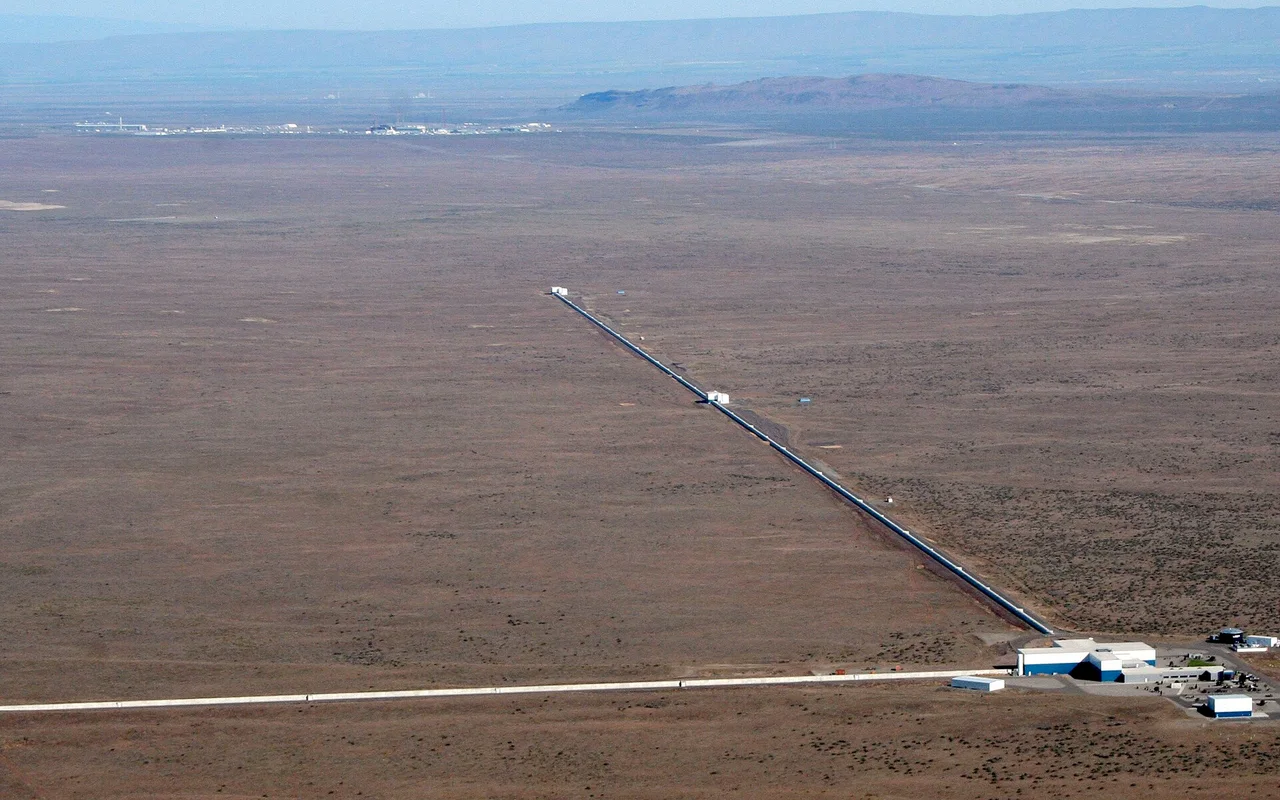
Gravitational waves and multimessenger astronomy
Advanced LIGO observed GW150914 from merging black holes on 14 September 2015, the first direct detection of gravitational waves. LIGO and Virgo observed the neutron-star merger GW170817 on 17 August 2017; telescopes then found gamma-ray and other electromagnetic counterparts.

mRNA vaccines
COVID-19 mRNA vaccines authorized in 2020 combined decades of work on messenger RNA, modified nucleosides, lipid nanoparticles, antigen design, manufacturing and clinical trials. The platform instructs cells to make an antigen; it does not alter the recipient’s genome.
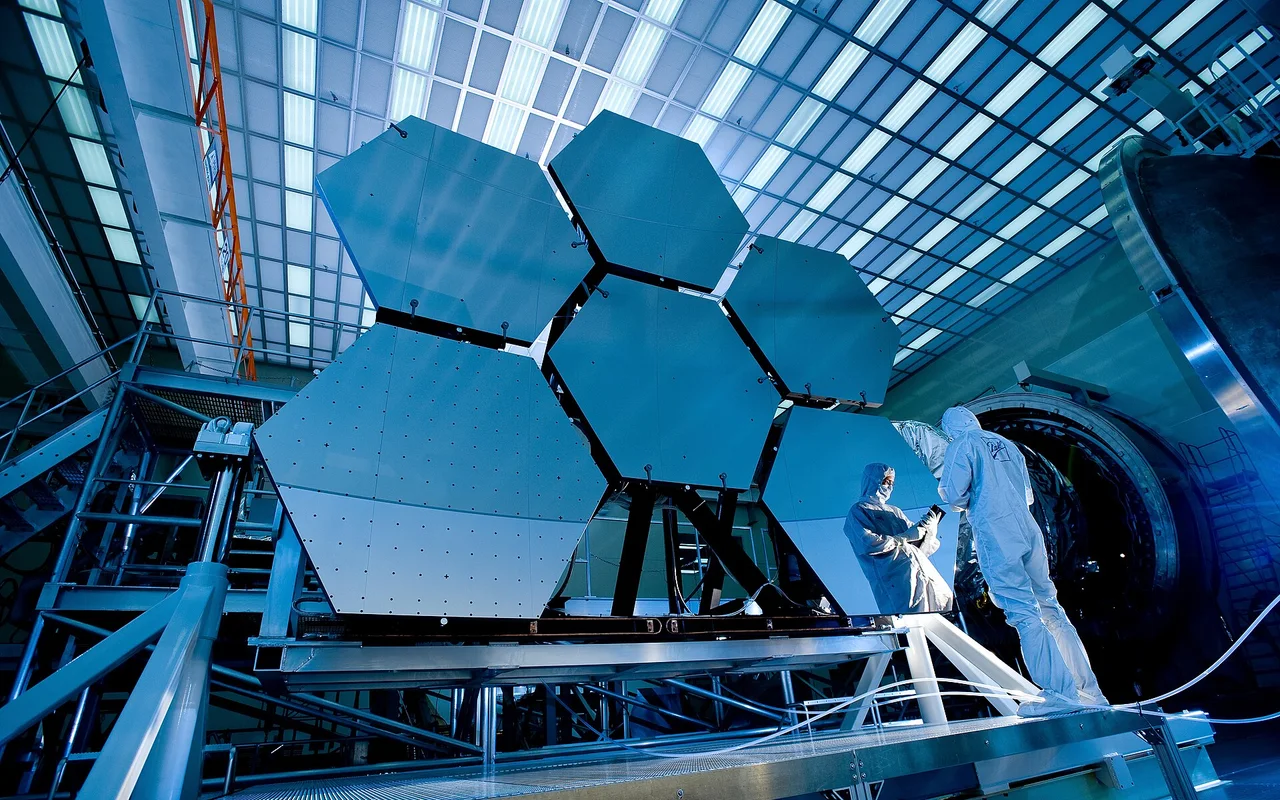
James Webb Space Telescope
Webb launched on an ESA-provided Ariane 5 from French Guiana on 25 December 2021, unfolded and aligned its segmented mirror near the Sun–Earth L2 region and completed commissioning before its first public science images and spectra were released in July 2022.
Interactive 3D · Optics
Follow light through a telescope.
Begin with a real museum photograph of seventeenth-century telescopes, then open a simplified Galilean ray path to explore aperture, focus and the two-lens system.
Loads only when you choose. The museum photograph remains first; the optical tube and rays are an explanatory reconstruction.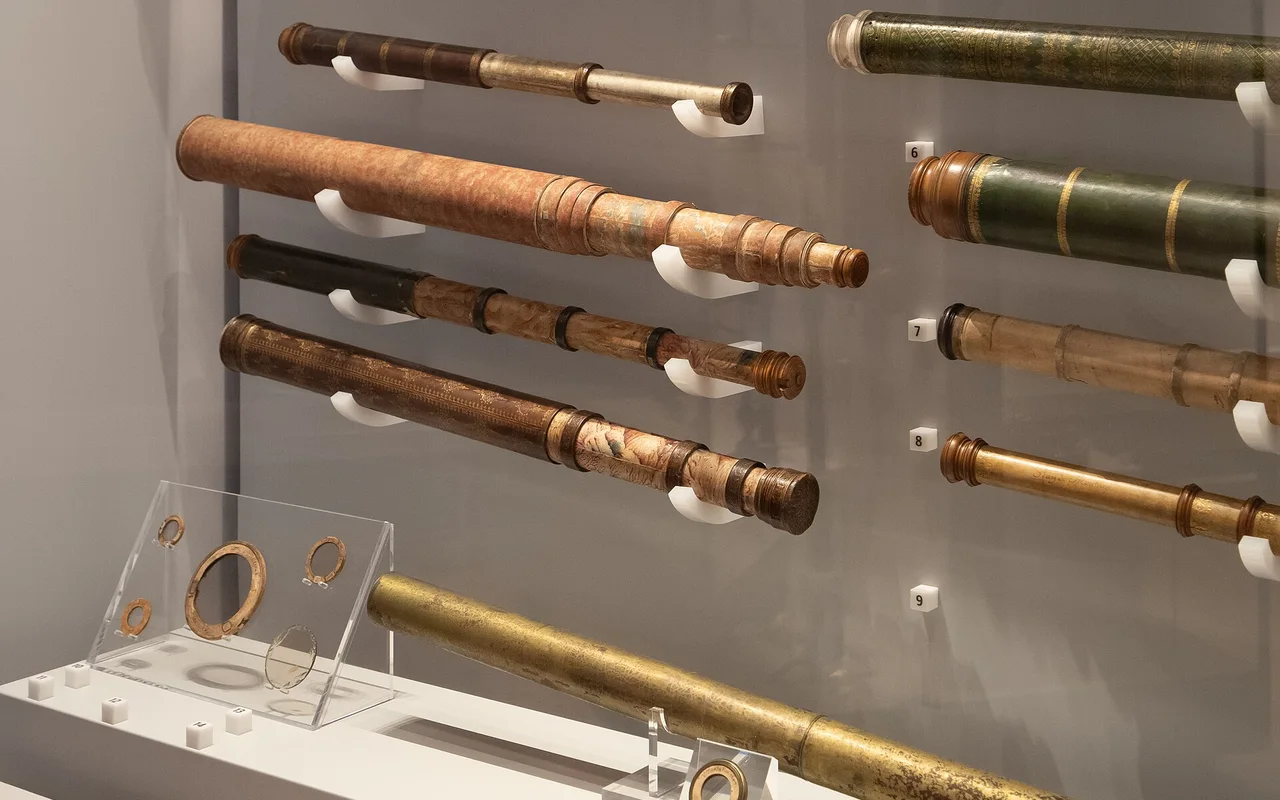
Gather light. Parallel rays from a distant object enter the objective. A wider clear aperture admits a broader bundle; it does not make the simplified rays themselves brighter. Aperture 100% · focus aligned.
The whole light path, in words
Light from a distant object arrives at the objective in an almost parallel bundle. The convex objective bends those rays toward a focus. In the Galilean arrangement, a concave eyepiece intercepts the converging bundle before that focus and sends an approximately parallel bundle toward the observer’s eye. The eye supplies the final focusing step. Changing the clear aperture changes how much of the incoming bundle enters; shifting the eyepiece changes focus.
Interactive 3D · Microscopy
Bring the small world into focus.
Begin with an archival plate from Robert Hooke’s 1665 Micrographia, then open a simplified compound microscope to trace light from the illuminator to the eye.
Loads only when you choose. The archival observation stays first; the microscope cutaway and rays are an explanatory reconstruction.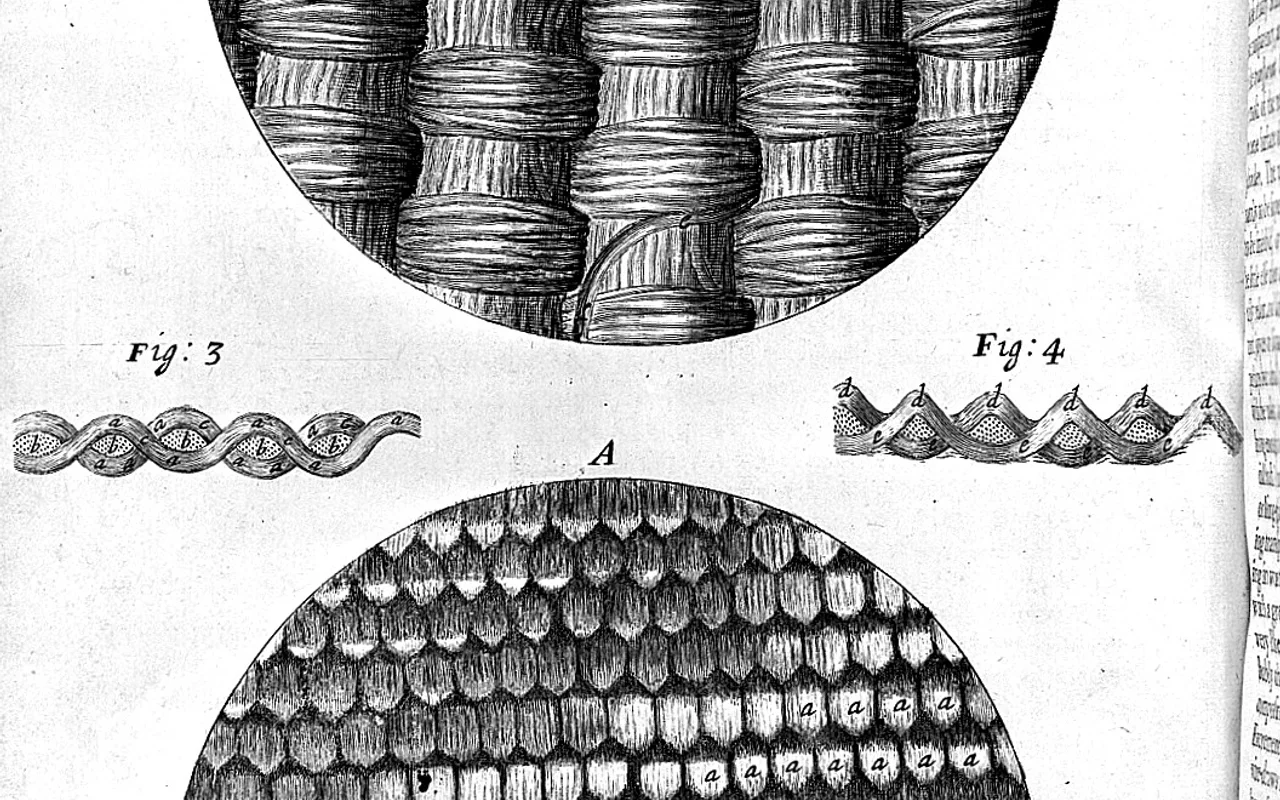
Illuminate the specimen. The illuminator and condenser direct a controlled cone of light through a thin specimen on the stage. Objective 10× · focus aligned.
The whole optical train, in words
Light passes from the illuminator through the condenser and a thin specimen. The objective gathers light from the specimen and forms a magnified intermediate image. The eyepiece then magnifies that intermediate image for the observer. Coarse or fine focus moves the specimen relative to the objective. A higher-magnification objective changes the field of view and working distance; useful detail still depends on resolution, specimen preparation, illumination and numerical aperture.
Interactive 3D · Physiology
Trace one continuous circulation.
Start with Harvey’s 1628 De Motu Cordis, then follow blood through the right heart, lungs, left heart and body.
Loads only when requested. The book is a historical record; the coloured pathway is a modern teaching reconstruction.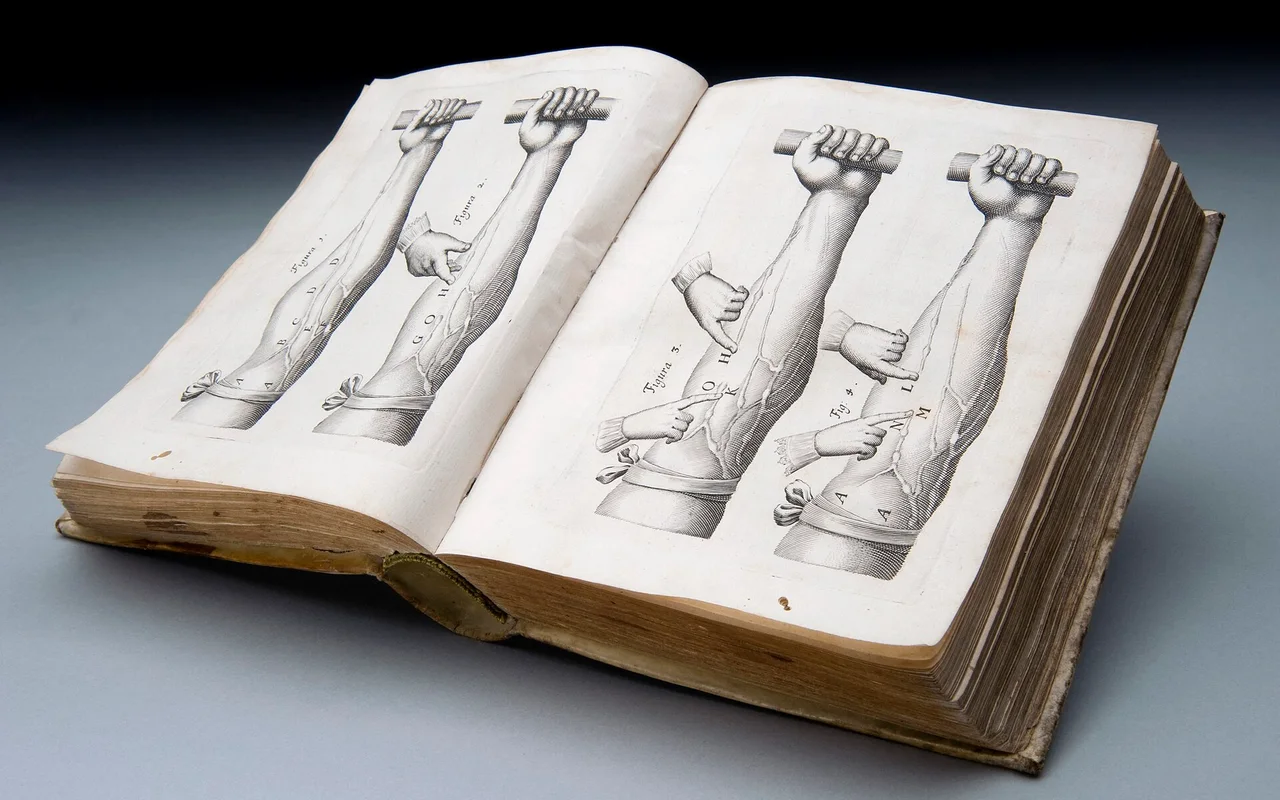
Return from the body. Systemic veins return lower-oxygen blood to the right atrium. Blue marks the lower-oxygen route for contrast; human blood is always red.
The complete route, in words
Blood returning from the body enters the right atrium through the venae cavae, passes through the tricuspid valve to the right ventricle, and leaves through the pulmonary valve and pulmonary artery for the lungs. Oxygenated blood returns through the pulmonary veins to the left atrium, crosses the mitral valve into the left ventricle, and leaves through the aortic valve and aorta for the body. The two circuits operate together as one continuous circulation.
Interactive 3D · molecular structure
Turn the double helix.
Rotate a source-grounded teaching model, then isolate its complementary base pairs and two backbones. The archival picture and historical dossier remain part of the lesson.
Loads only when you choose. The geometry is schematic and does not replace the experimental 1BNA atomic coordinates.Full helix. Twelve complementary pairs form slightly more than one turn of right-handed B-DNA in the 1BNA structure.
The model, in words
The displayed sequence is the self-complementary 1BNA dodecamer: 5′-CGCGAATTCGCG-3′ paired with 3′-GCGCTTAAGCGC-5′. The strands twist in a right-handed helix. Colours distinguish A, T, G and C; they do not represent measured optical colour.
Interactive 3D · Molecular diagnostics
Copy a selected DNA target.
Begin with a photographed early thermal cycler, then move through the three repeated steps behind PCR amplification.
Loads only when requested. The machine is a historical photograph; the DNA and temperature cycle are a simplified teaching reconstruction.Separate the strands. Heating disrupts base pairing so the double-stranded template separates. High heat · often about 95 °C
The complete cycle, in words
A thermocycler first heats double-stranded DNA so the strands separate. Cooling then permits two designed primers to bind on opposite strands around the selected target. A heat-stable DNA polymerase extends from those primers and makes complementary strands. The products can serve as templates in later cycles, so the selected segment accumulates. Real reactions do not necessarily double perfectly in every cycle, and amplification by itself does not establish a clinical diagnosis, timing or source.
Interactive 3D · Medical imaging
Build a CT slice from many views.
Start with a verified photograph of a CT scanner, then look inside the gantry to follow acquisition and reconstruction.
Loads only when requested. The 2024 scanner is a later documentary photograph; the cutaway is a simplified teaching reconstruction.Take one projection. A narrow fan of X-rays crosses one section of the body and reaches detectors opposite the source.
The complete acquisition path, in words
A motorized table positions the person inside the scanner opening. An X-ray source and detector assembly rotate around one section of the body. The detectors record how much of the fan-shaped beam passes through from many angles. A computer then reconstructs those measurements into a cross-sectional image, or slice. Repeating the acquisition along the body produces successive slices that can be reviewed separately or combined into a volume.
Interactive 3D · Magnetic resonance
Turn alignment into a spatial signal.
Begin with the preserved Mark One scanner, then separate MRI's field, pulse, signal and spatial-encoding stages.
Loads only when requested. The scanner is a later object photograph; the magnetic-resonance scene is a simplified teaching reconstruction.
Form net alignment. A strong static magnetic field produces a small net magnetization from hydrogen nuclei in tissue.
The complete signal path, in words
A strong static magnetic field creates a small net alignment among hydrogen nuclei in tissue. A radio-frequency pulse tips that net magnetization away from equilibrium. When the pulse stops, the changing magnetization produces a signal in receiver coils as it relaxes. Magnetic-field gradients make frequency and phase depend on location. Computation then uses those spatially encoded signals to reconstruct images whose contrast depends on tissue properties and the chosen sequence.
Interactive 3D · Vaccine platform
Follow a temporary message into immune memory.
Begin with Katalin Karikó’s photographed record, then separate delivery, cellular translation, antigen display and immune memory.
Loads only when requested. The portrait is a historical photograph; the cell, molecules and immune response are simplified teaching geometry.Protect and deliver. A lipid nanoparticle protects a short-lived mRNA instruction and helps it enter cells.
The complete pathway, in words
A lipid nanoparticle carries and protects an mRNA instruction long enough for uptake by cells. The mRNA remains in the cytoplasm, where ribosomes translate its sequence into an antigen protein. The temporary mRNA is broken down. Antigen exposure activates several parts of the adaptive immune response, including antibody-producing cells and memory cells. If the immune system later encounters a matching pathogen, that memory can support a faster response.
Interactive 3D · Gene editing
Guide, cut, then repair.
Meet Emmanuelle Charpentier and Jennifer Doudna first, then follow a simplified Cas9 guide from sequence matching to a variable repair outcome.
Loads only when requested. The portrait is a later composite; the molecular scene is a schematic teaching reconstruction.Match a guide. A guide RNA carries a sequence that can pair with a selected DNA target beside a compatible PAM.
The complete guide-and-cut sequence, in words
A guide RNA is designed to pair with a selected DNA sequence beside a PAM that the chosen Cas protein can recognise. Cas9 and the guide form a complex, test the target and position the cutting domains. In this simplified example, cutting creates a double-strand break. The cell then repairs that break. Repair can disrupt a sequence or, with an added template and suitable conditions, support a designed change—but the result is not automatic, uniform or guaranteed.
Interactive 3D · Earth systems
Move Earth’s plates.
Compare three boundary settings in a source-grounded teaching cross-section, then return to the illustrated history of the evidence that made plate tectonics persuasive.
Loads only when you choose. The existing historical picture remains the initial visual; the model is deliberately schematic.Divergent boundary. Two plates move apart. The orange rise marks upwelling material and the narrow centre marks new crust schematically; spreading rate and depth are not to scale.
Every boundary, in words
Divergent: plates move apart and new crust forms at the opening. Convergent/subduction: in the setting shown, an oceanic plate bends and descends beneath an overriding plate, with a trench and volcanic arc above. Transform: plates move laterally past each other. Earth has additional convergent and boundary-zone complexities that this three-scene lesson does not attempt to reproduce.
Interactive 3D · Electricity
Turn motion into current.
Move a magnet through a coil, see why change matters, then return to Michael Faraday’s real portrait and the illustrated history of electromagnetism.
Loads only when you choose. The historical picture remains first; the apparatus is a simplified teaching reconstruction.Move the magnet. Relative motion changes how much of the magnet’s field passes through the coil. A stationary magnet does not produce the changing-flux signal shown here.
The whole experiment, in words
A permanent magnet moves back and forth through a wire coil. Motion changes the magnetic flux through the coil, producing a momentary induced electromotive force. The direction reverses when the change reverses. When the magnet stops, the model’s induction signal falls away. Closing a real circuit would allow current to flow, with its size set by the rate of flux change and the circuit.
Astronomy, astrophysics & space science
Move outward, one scale at a time.
These are observation-led images from NASA missions, telescopes and archives. Where direct imaging is impossible, the page labels an official scientific visualization rather than presenting it as a photograph.
Interactive 3D · browser-native
Orbit the planetary family.
Turn a teaching model of the Sun and eight planets, then isolate any world. The model explains order and comparison; the NASA photographs below show the worlds as missions and observatories recorded them.
Loads only when you choose. Planet sizes and orbital spacing are deliberately compressed so every world remains visible on one screen.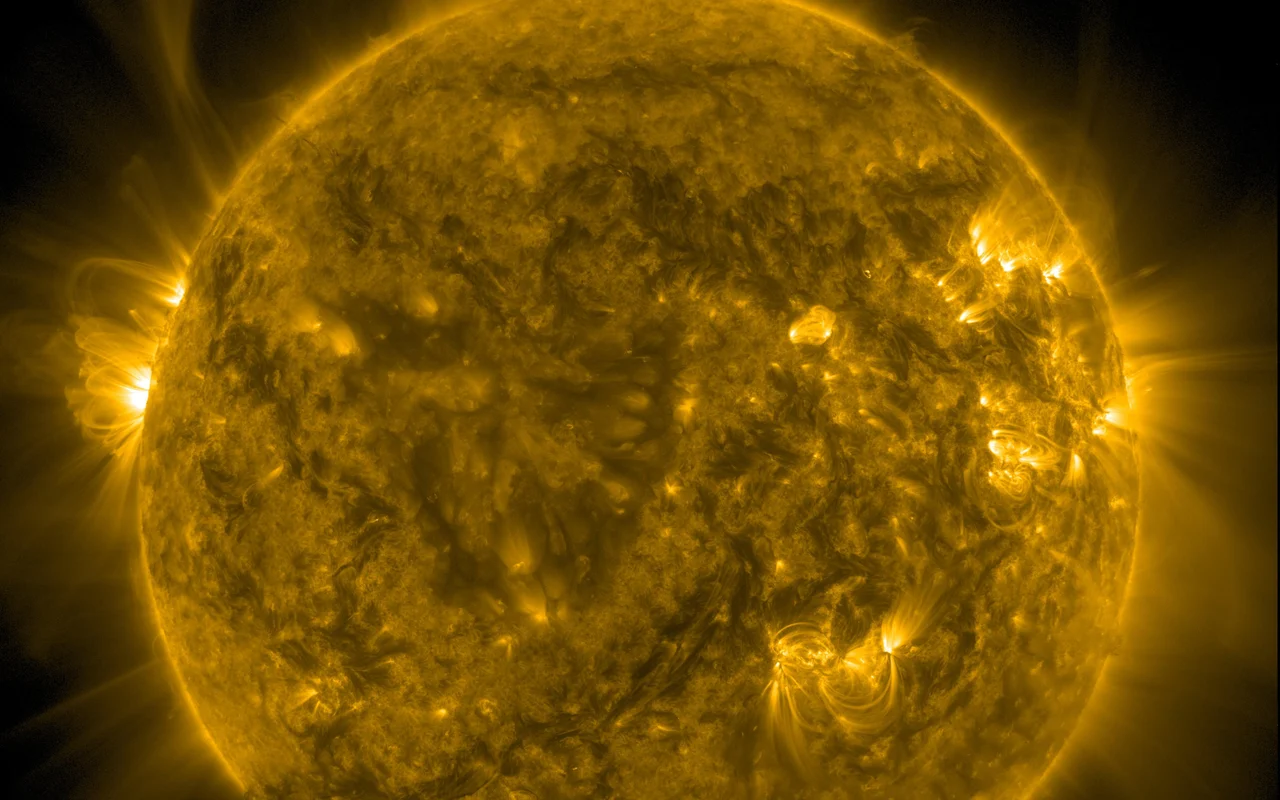
Earth. Our ocean world, one astronomical unit from the Sun.
Every world, in words
- Mercury. The smallest planet and the closest to the Sun.
- Venus. A rocky world almost as wide as Earth, beneath a dense atmosphere.
- Earth. Our ocean world, one astronomical unit from the Sun.
- Mars. A smaller rocky world with a thin atmosphere and evidence of ancient water.
- Jupiter. The largest planet, a gas giant with a vast family of moons.
- Saturn. A gas giant surrounded by a conspicuous system of icy rings.
- Uranus. An ice giant rotating with an unusually large axial tilt.
- Neptune. The most distant planet, orbiting at about thirty astronomical units.
Cosmic guide
Solar System · NASA mission image
Image of Sun From NASA's Solar Dynamics Observatory
On Sept. 10, 2025, NASA's Solar Dynamics Observatory captured this image of the Sun. SDO is managed by NASA's Goddard Space Flight Center, Greenbelt, Maryland, for NASA's Science Mission Directorate in Washington. Its Atmosphere Imaging Assembly was built by the Lockheed Martin Solar Astrophysics Laboratory in Palo Alto, California. https://photojournal.jpl.nasa.gov/catalog/PIA26681
Solar System · NASA mission image
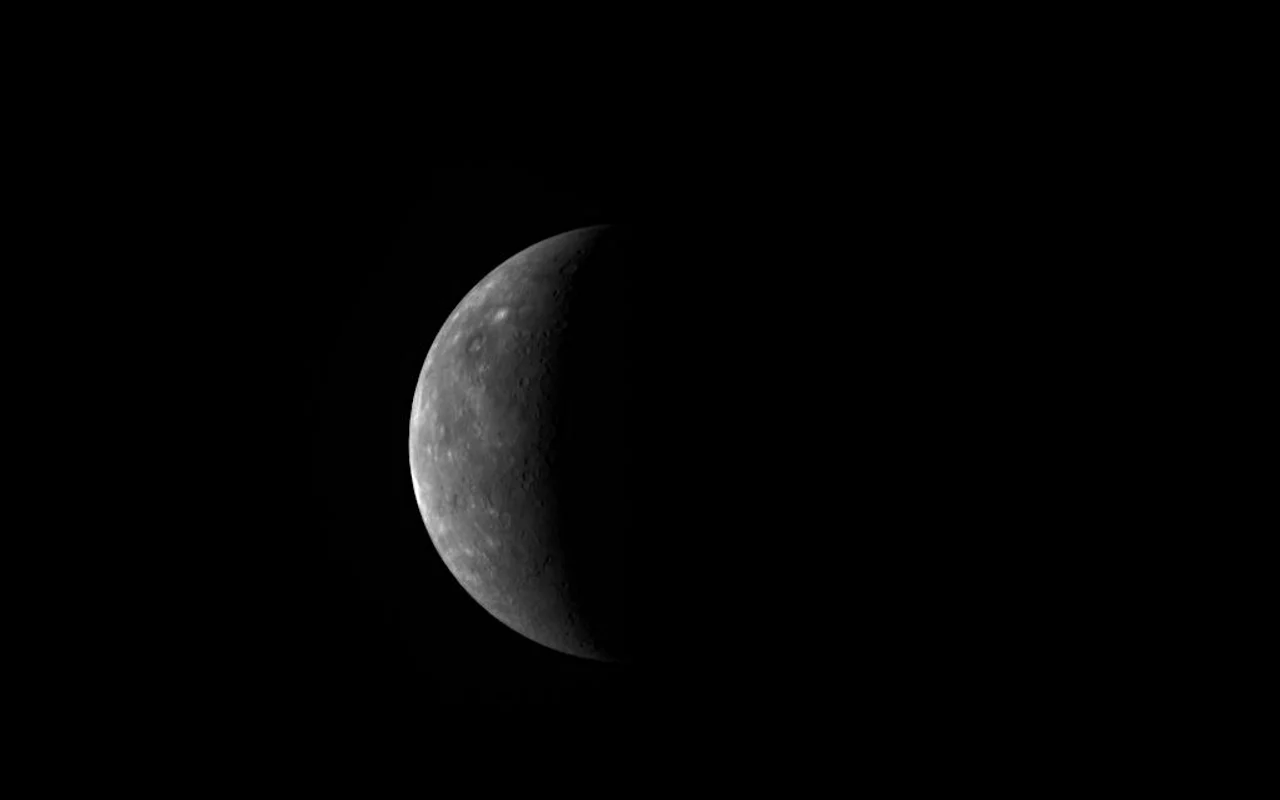
Today, MESSENGER Flies by Mercury!
Today, MESSENGER Flies by Mercury!

Solar System · NASA mission image
Venus - Magellan and Arecibo Comparison
This image shows a comparison between NASA Magellan image right and the highest resolution Earth-based Arecibo radar image of Venus. http://photojournal.jpl.nasa.gov/catalog/PIA00207
Solar System · NASA mission image
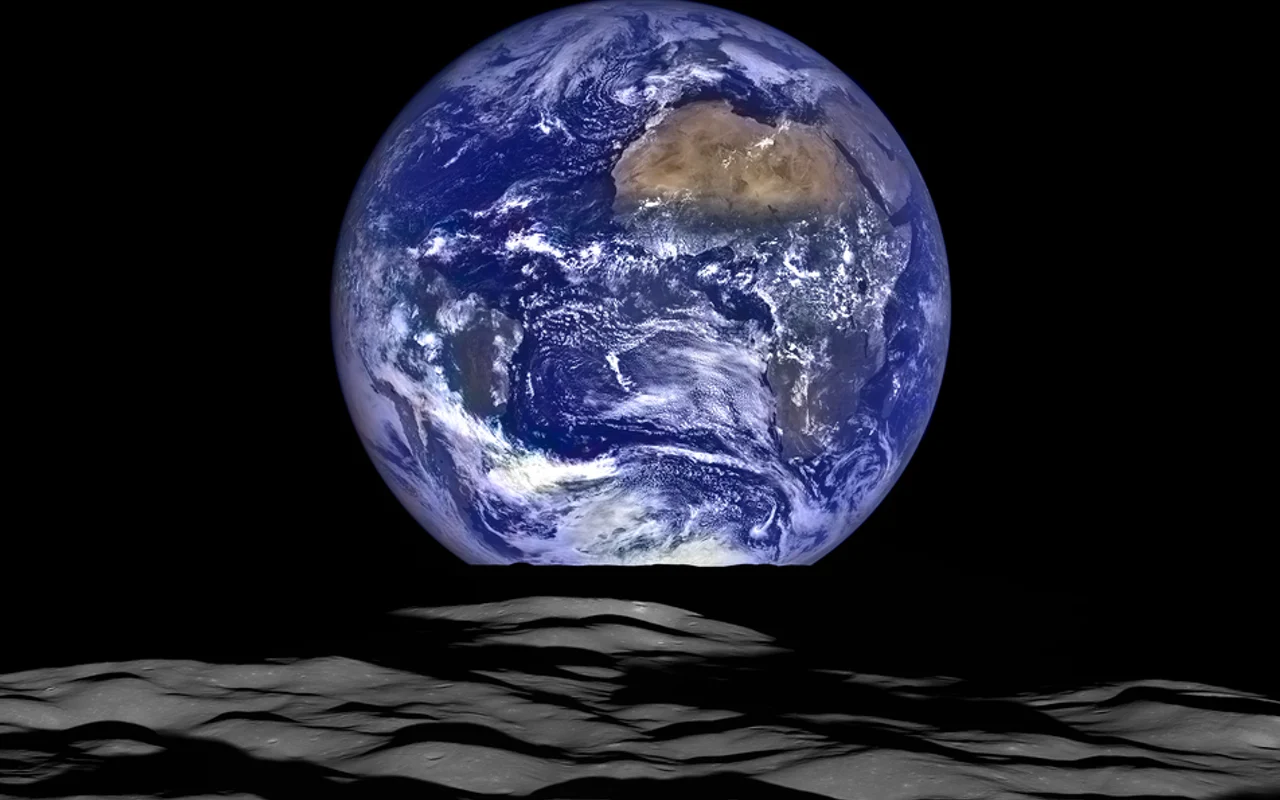
NASA Releases New High-Resolution Earthrise Image
NASA's Lunar Reconnaissance Orbiter (LRO) recently captured a unique view of Earth from the spacecraft's vantage point in orbit around the moon. "The image is simply stunning," said Noah Petro, Deputy Project Scientist for LRO at NASA's Goddard Space Flight Center in Greenbelt, Maryland. "The image of the Earth evokes the famous 'Blue Marble' image taken by Astronaut Harrison Schmitt during Apollo 17, 43 years ago, which also showed Africa prominently in the picture." In this composite image we see Earth appear to rise over the lunar horizon from the viewpoint of the spacecraft, with the center of the Earth just off the coast of Liberia (at 4.04 degrees North, 12.44 degrees West). The large tan area in the upper right is the Sahara Desert, and just beyond is Saudi Arabia. The Atlantic and Pacific coasts of South America are visible to the left. On the moon, we get a glimpse of the crater Compton, which is located just beyond the eastern limb of the moon, on the lunar farside. LRO was launched on June 18, 2009, and has collected a treasure trove of data with its seven powerful instruments, making an invaluable contribution to our knowledge about the moon. LRO experiences 12 earthrises every day; however the spacecraft is almost always busy imaging the lunar surface so only rarely does an opportunity arise such that its camera instrument can capture a view of Earth. Occasionally LRO points off into space to acquire observations of the extremely thin lunar atmosphere and perform instrument calibration measurements. During these movements sometimes Earth (and other planets) pass through the camera's field of view and dramatic images such as the one shown here are acquired. This image was composed from a series of images taken Oct. 12, when LRO was about 83 miles (134 kilometers) above the moon's farside crater Compton. Capturing an image of the Earth and moon with LRO's Lunar Reconnaissance Orbiter Camera (LROC) instrument is a complicated task. First the spacecraft must be rolled to the side (in this case 67 degrees), then the spacecraft slews with the direction of travel to maximize the width of the lunar horizon in LROC's Narrow Angle Camera image. All this takes place while LRO is traveling faster than 3,580 miles per hour (over 1,600 meters per second) relative to the lunar surface below the spacecraft! The high-resolution Narrow Angle Camera (NAC) on LRO takes black-and-white images, while the lower resolution Wide Angle Camera (WAC) takes color images, so you might wonder how we got a high-resolution picture of the Earth in color. Since the spacecraft, Earth, and moon are all in motion, we had to do some special processing to create an image that represents the view of the Earth and moon at one particular time. The final Earth image contains both WAC and NAC information. WAC provides the color, and the NAC provides high-resolution detail. "From the Earth, the daily moonrise and moonset are always inspiring moments," said Mark Robinson of Arizona State University in Tempe, principal investigator for LROC. "However, lunar astronauts will see something very different: viewed from the lunar surface, the Earth never rises or sets. Since the moon is tidally locked, Earth is always in the same spot above the horizon, varying only a small amount with the slight wobble of the moon. The Earth may not move across the 'sky', but the view is not static. Future astronauts will see the continents rotate in and out of view and the ever-changing pattern of clouds will always catch one's eye, at least on the nearside. The Earth is never visible from the farside; imagine a sky with no Earth or moon - what will farside explorers think with no Earth overhead?" NASA's first Earthrise image was taken with the Lunar Orbiter 1 spacecraft in 1966. Perhaps NASA's most iconic Earthrise photo was taken by the crew of the Apollo 8 mission as the spacecraft entered lunar orbit on Christmas Eve Dec. 24, 1968. That evening, the astronauts -- Commander Frank Borman, Command Module Pilot Jim Lovell, and Lunar Module Pilot William Anders -- held a live broadcast from lunar orbit, in which they showed pictures of the Earth and moon as seen from their spacecraft. Said Lovell, "The vast loneliness is awe-inspiring and it makes you realize just what you have back there on Earth." Credit: NASA/Goddard/Arizona State University <b><a href="http://www.nasa.gov/audience/formedia/features/MP_Photo_Guidelines.html" rel="nofollow">NASA image use policy.</a></b> <b><a href="http://www.nasa.gov/centers/goddard/home/index.html" rel="nofollow">NASA Goddard Space Flight Center</a></b> enables NASA’s mission through four scientific endeavors: Earth Science, Heliophysics, Solar System Exploration, and Astrophysics. Goddard plays a leading role in NASA’s accomplishments by contributing compelling scientific knowledge to advance the Agency’s mission. <b>Follow us on <a href="http://twitter.com/NASAGoddardPix" rel="nofollow">Twitter</a></b> <b>Like us on <a href="http://www.facebook.com/pages/Greenbelt-MD/NASA-Goddard/395013845897?ref=tsd" rel="nofollow">Facebook</a></b> <b>Find us on <a href="http://instagrid.me/nasagoddard/?vm=grid" rel="nofollow">Instagram</a></b>

Solar System · NASA mission image
Spirit Mars Rover in McMurdo Panorama
This 360-degree view, called the McMurdo panorama, from NASA Mars Exploration Rover Spirit, where the rover stayed on a small hill known as Low Ridge from April through October 2006.

Small worlds · NASA mission image
Ancient Comet Spotted Over Southeast Louisiana Near NASA Michoud
The Oort Cloud comet, called C/2023 A3 Tsuchinshan-ATLAS, passes over Southeast Louisiana near New Orleans, home of NASA’s Michoud Assembly Facility, Sunday, Oct. 13, 2024. The comet is making its first appearance in documented human history; it was last seen in the night sky 80,000 years ago. The Tsuchinshan-ATLAS comet made its first close pass by Earth in mid-October and will remain visible to viewers in the Northern Hemisphere just between the star Arcturus and planet Venus through early November.
Outer planets · NASA mission image
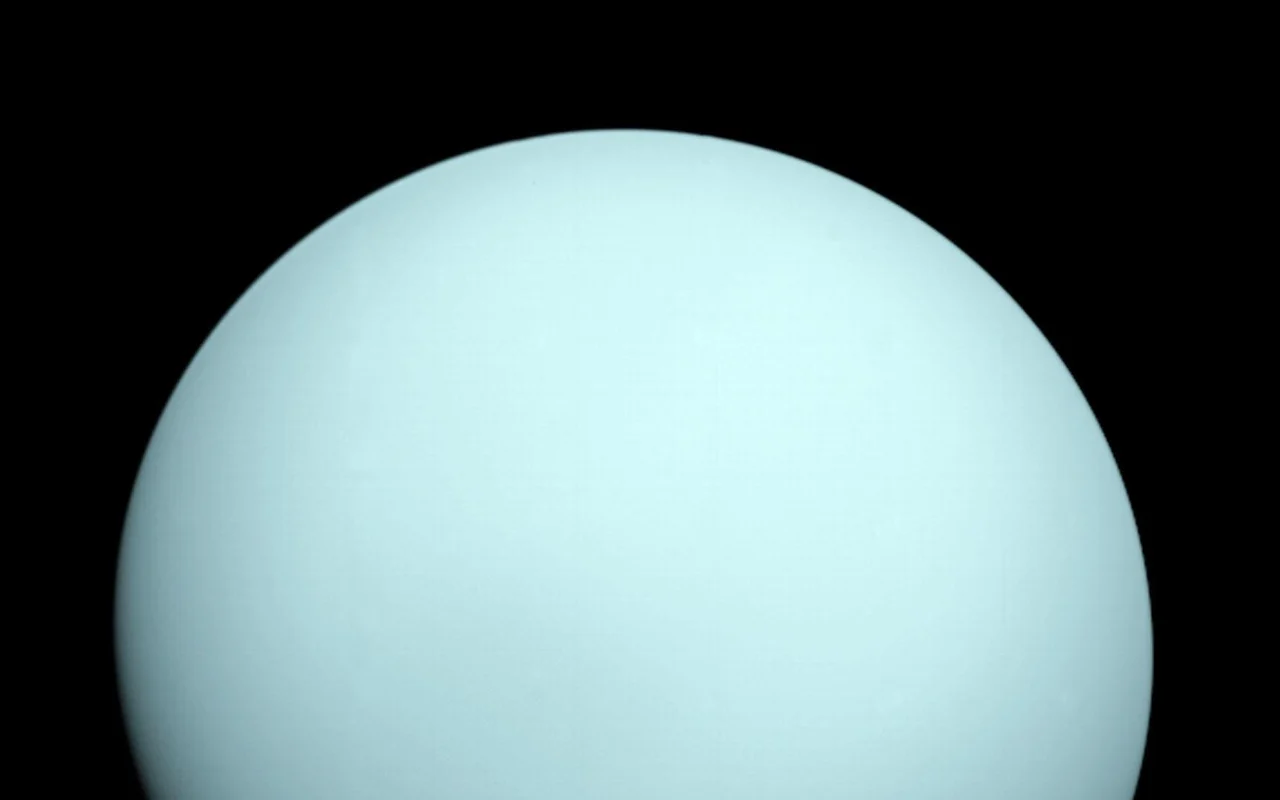
Uranus as seen by NASA Voyager 2
This is an image of the planet Uranus taken by the spacecraft Voyager 2 in 1986.
Outer planets · NASA mission image
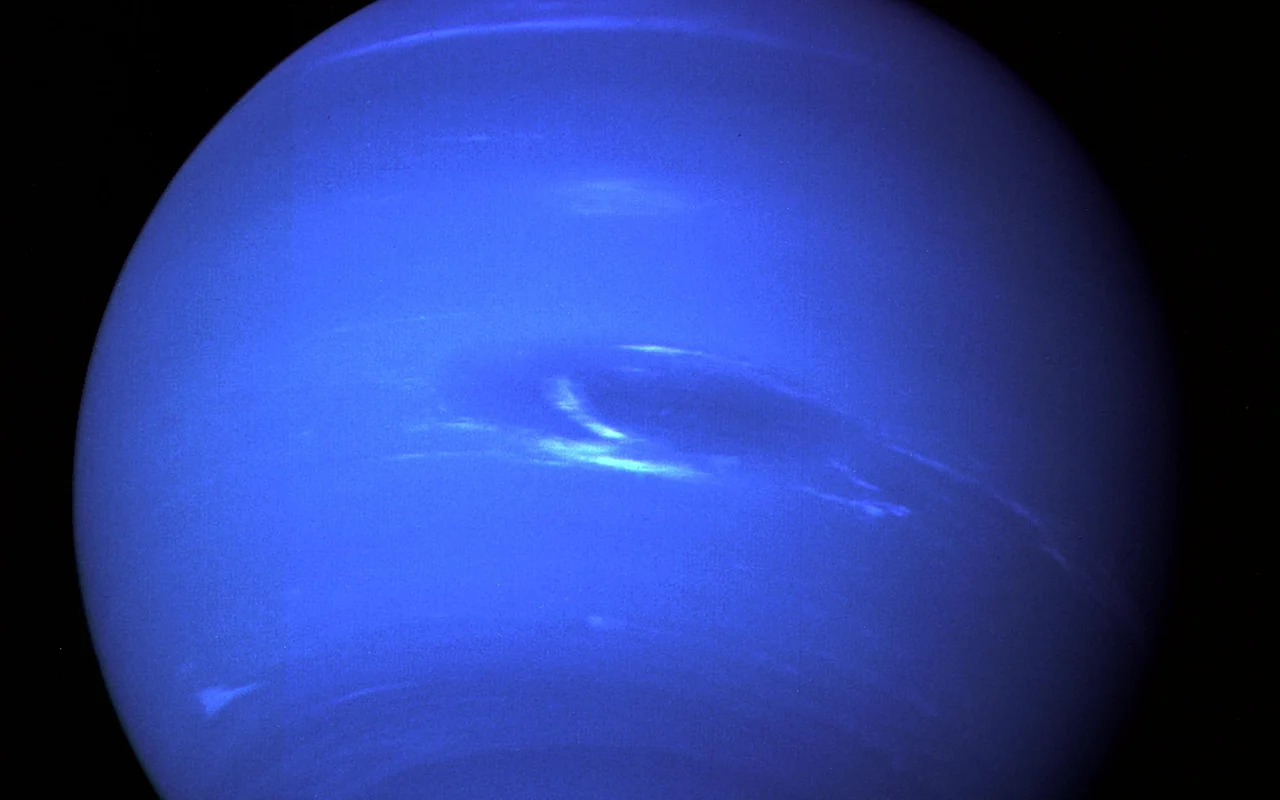
PIA01492
This picture of Neptune was produced from the last whole planet images taken through the green and orange filters on NASA's Voyager 2 narrow angle camera. The images were taken at a range of 4.4 million miles from the planet, 4 days and 20 hours before closest approach. The picture shows the Great Dark Spot and its companion bright smudge; on the west limb the fast moving bright feature called Scooter and the little dark spot are visible. These clouds were seen to persist for as long as Voyager's cameras could resolve them. North of these, a bright cloud band similar to the south polar streak may be seen. http://photojournal.jpl.nasa.gov/catalog/PIA01492

Outer planets · NASA mission image
New Horizons Sees Pluto
The Long Range Reconnaissance Imager on NASA New Horizons acquired images of the Pluto field three days apart in late September 2006, in order to see Pluto motion against a dense background of stars.
Other planetary systems · NASA mission image
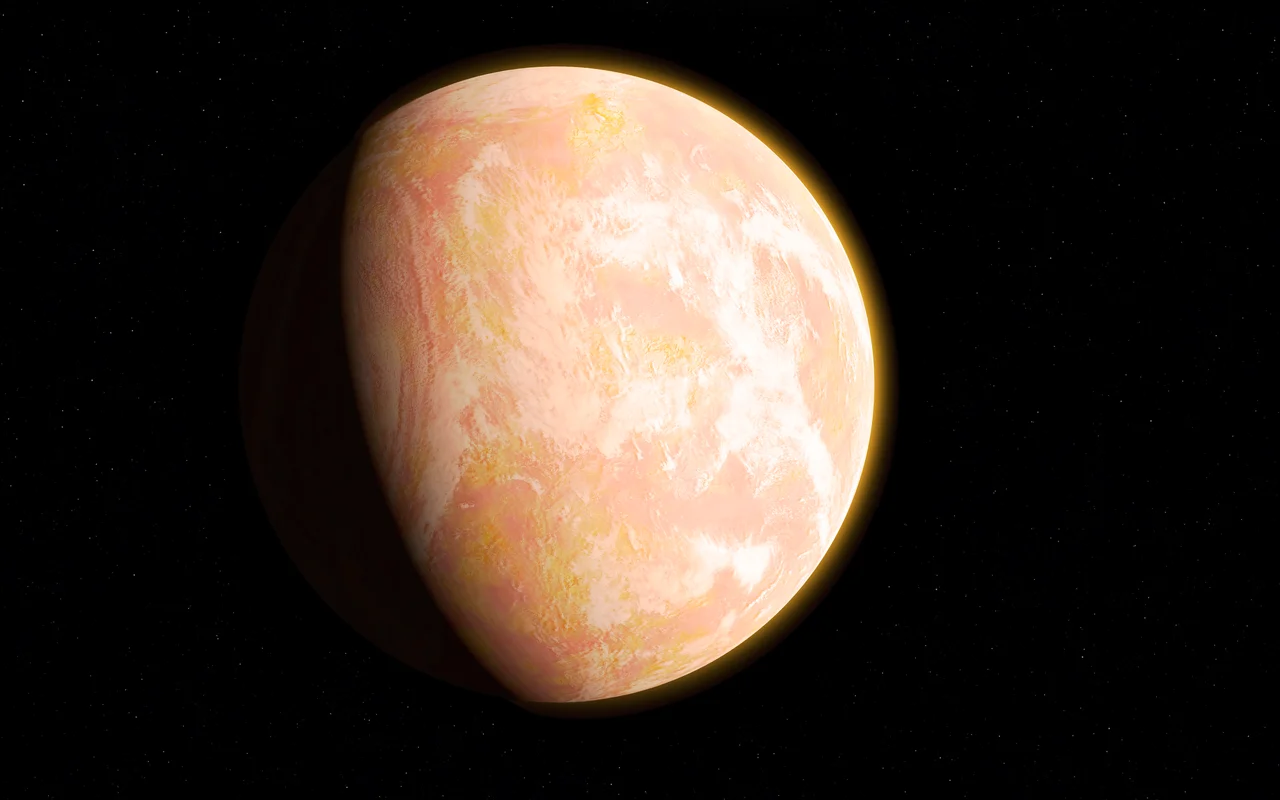
NASA Team Looks to Ancient Earth First to Study Hazy Exoplanets
“We like to say that Archean Earth is the most alien planet we have geochemical data for,” For astronomers trying to understand which distant planets might have habitable conditions, the role of atmospheric haze has been hazy. To help sort it out, a team of researchers has been looking to Earth – specifically Earth during the Archean era, an epic 1-1/2-billion-year period early in our planet’s history. Read more: <a href="http://go.nasa.gov/2kTBhPU" rel="nofollow">go.nasa.gov/2kTBhPU</a> Caption: When haze built up in the atmosphere of Archean Earth, the young planet might have looked like this artist's interpretation - a pale orange dot. A team led by Goddard scientists thinks the haze was self-limiting, cooling the surface by about 36 degrees Fahrenheit (20 Kelvins) – not enough to cause runaway glaciation. The team’s modeling suggests that atmospheric haze might be helpful for identifying earthlike exoplanets that could be habitable. Credits: NASA’s Goddard Space Flight Center/Francis Reddy
Stars · NASA mission image
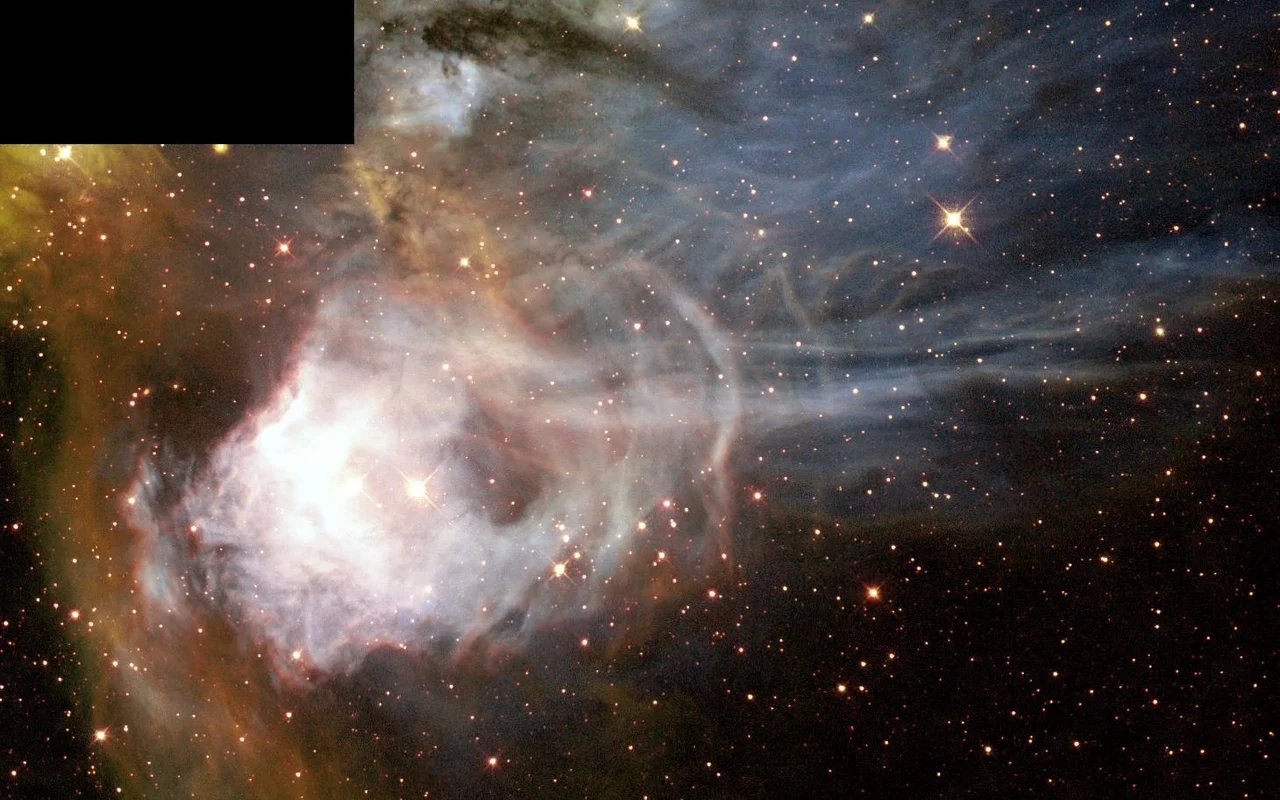
N44C nebula
Resembling the hair in Botticelli famous portrait of the birth of Venus, an image from NASA Hubble Space Telescope has captured softly glowing filaments streaming from hot young stars in a nearby nebula.
Stars · NASA mission image
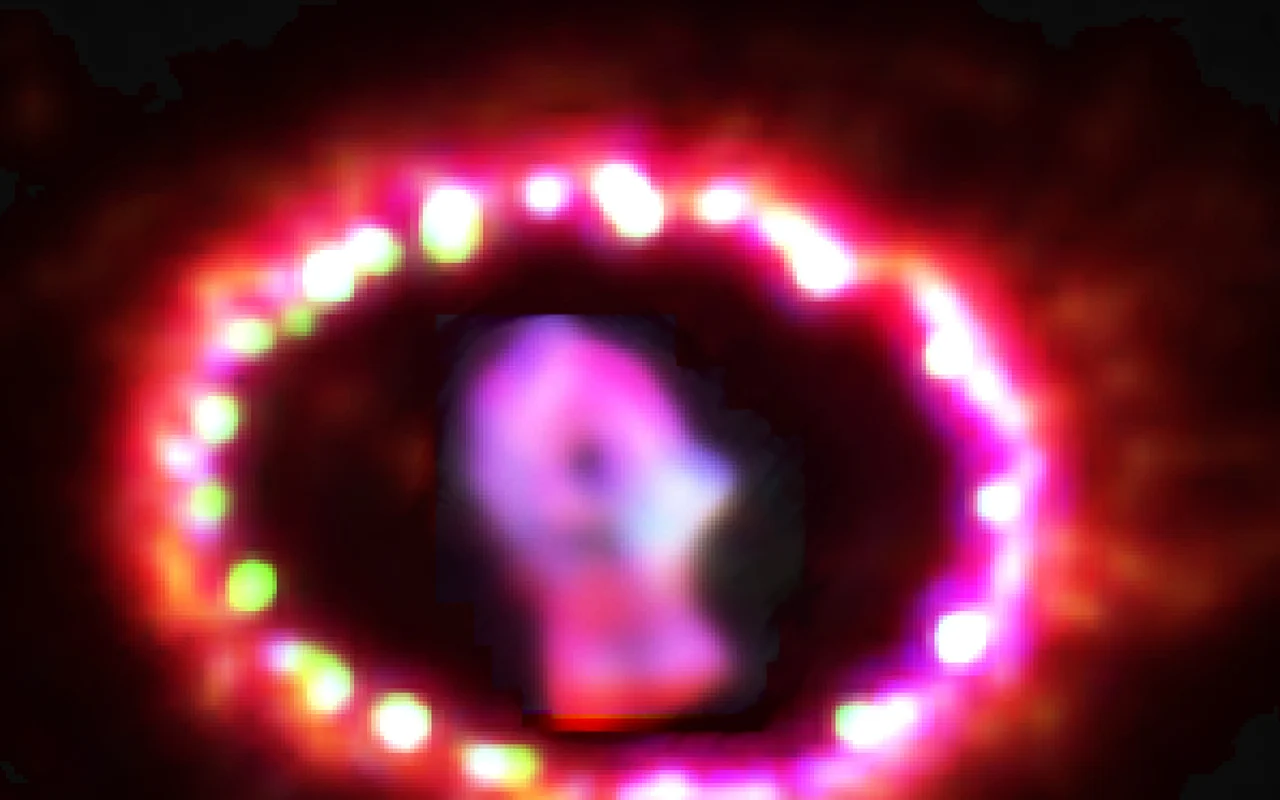
NASA's Hubble Sees A New Supernova Remnant Light Up
NASA image release June 10, 2011 Astronomers using NASA's Hubble Space Telescope are witnessing the unprecedented transition of a supernova to a supernova remnant, where light from an exploding star in a neighboring galaxy, the Large Magellanic Cloud, reached Earth in February 1987. Named Supernova 1987A, it was the closest supernova explosion witnessed in almost 400 years. The supernova's close proximity to Earth has allowed astronomers to study it in detail as it evolves. Now, the supernova debris, which has faded over the years, is brightening. This means that a different power source has begun to light the debris. The debris of SN 1987A is beginning to impact the surrounding ring, creating powerful shock waves that generate X-rays observed with NASA's Chandra X-ray Observatory. Those X-rays are illuminating the supernova debris and shock heating is making it glow in visible light. The results are being reported in the June 9, 2011, issue of the journal Nature by a team including Robert Kirshner of the Harvard-Smithsonian Center for Astrophysics (CfA), who leads a long-term study of SN 1987A with Hubble. Since its launch in 1990, the Hubble telescope has provided a continuous record of the changes in SN 1987A. Credit: NASA, ESA, and P. Challis (Harvard-Smithsonian Center for Astrophysics) <b><a href="http://www.nasa.gov/centers/goddard/home/index.html" rel="nofollow">NASA Goddard Space Flight Center</a></b> enables NASA’s mission through four scientific endeavors: Earth Science, Heliophysics, Solar System Exploration, and Astrophysics. Goddard plays a leading role in NASA’s accomplishments by contributing compelling scientific knowledge to advance the Agency’s mission. <b>Follow us on <a href="http://twitter.com/NASAGoddardPix" rel="nofollow">Twitter</a></b> <b>Join us on <a href="http://www.facebook.com/pages/Greenbelt-MD/NASA-Goddard/395013845897?ref=tsd" rel="nofollow">Facebook</a></b> <b>Find us on <a href="http://web.stagram.com/n/nasagoddard/?vm=grid" rel="nofollow">Instagram</a></b>
Galaxies · NASA mission image
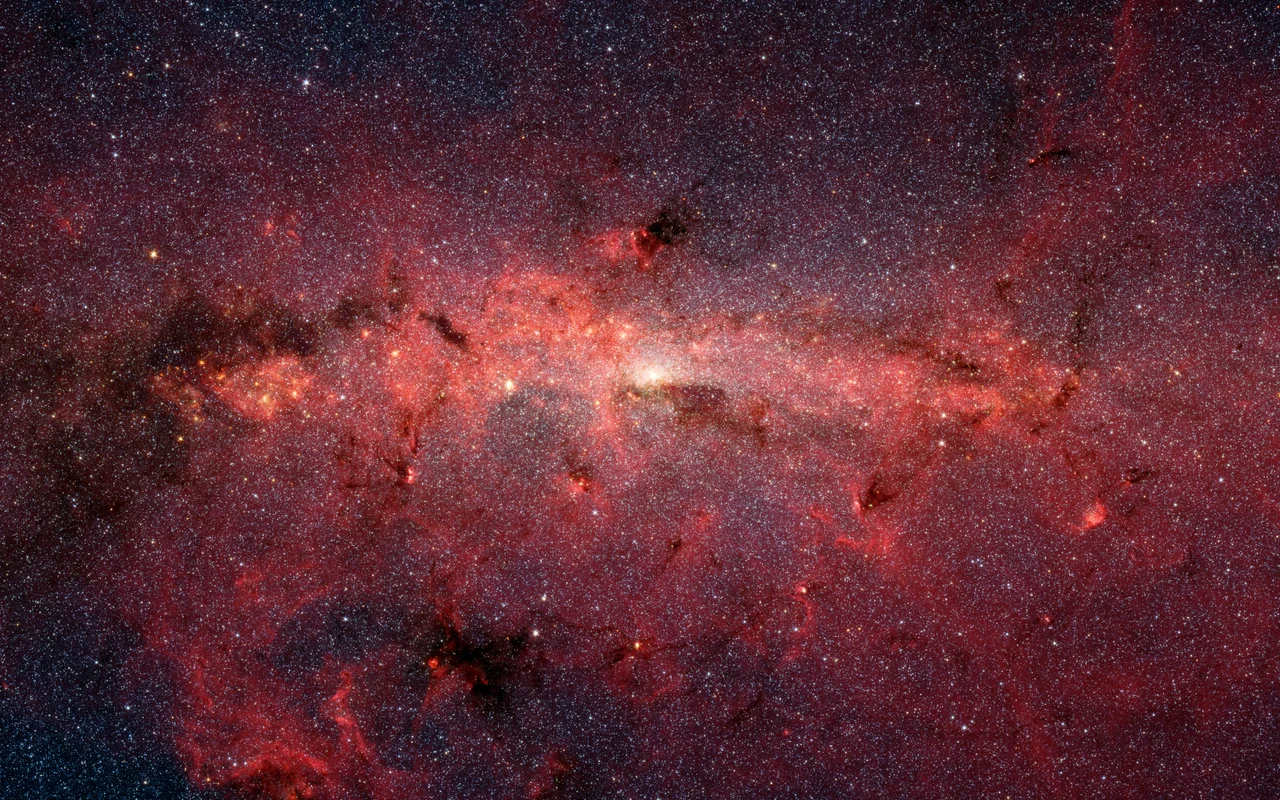
A Cauldron of Stars at the Galaxy Center
This dazzling infrared image from NASA Spitzer Space Telescope shows hundreds of thousands of stars crowded into the swirling core of our spiral Milky Way galaxy.

Galaxies · NASA mission image
NASA Hubble Sees Sparring Antennae Galaxies
The NASA/ESA Hubble Space Telescope has snapped the best ever image of the Antennae Galaxies. Hubble has released images of these stunning galaxies twice before, once using observations from its Wide Field and Planetary Camera 2 (WFPC2) in 1997, and again in 2006 from the Advanced Camera for Surveys (ACS). Each of Hubble’s images of the Antennae Galaxies has been better than the last, due to upgrades made during the famous servicing missions, the last of which took place in 2009. The galaxies — also known as NGC 4038 and NGC 4039 — are locked in a deadly embrace. Once normal, sedate spiral galaxies like the Milky Way, the pair have spent the past few hundred million years sparring with one another. This clash is so violent that stars have been ripped from their host galaxies to form a streaming arc between the two. In wide-field images of the pair the reason for their name becomes clear — far-flung stars and streamers of gas stretch out into space, creating long tidal tails reminiscent of antennae. This new image of the Antennae Galaxies shows obvious signs of chaos. Clouds of gas are seen in bright pink and red, surrounding the bright flashes of blue star-forming regions — some of which are partially obscured by dark patches of dust. The rate of star formation is so high that the Antennae Galaxies are said to be in a state of starburst, a period in which all of the gas within the galaxies is being used to form stars. This cannot last forever and neither can the separate galaxies; eventually the nuclei will coalesce, and the galaxies will begin their retirement together as one large elliptical galaxy. This image uses visible and near-infrared observations from Hubble’s Wide Field Camera 3 (WFC3), along with some of the previously-released observations from Hubble’s Advanced Camera for Surveys (ACS). Credit: NASA/European Space Agency <b><a href="http://www.nasa.gov/audience/formedia/features/MP_Photo_Guidelines.html" rel="nofollow">NASA image use policy.</a></b> <b><a href="http://www.nasa.gov/centers/goddard/home/index.html" rel="nofollow">NASA Goddard Space Flight Center</a></b> enables NASA’s mission through four scientific endeavors: Earth Science, Heliophysics, Solar System Exploration, and Astrophysics. Goddard plays a leading role in NASA’s accomplishments by contributing compelling scientific knowledge to advance the Agency’s mission. <b>Follow us on <a href="http://twitter.com/NASA_GoddardPix" rel="nofollow">Twitter</a></b> <b>Like us on <a href="http://www.facebook.com/pages/Greenbelt-MD/NASA-Goddard/395013845897?ref=tsd" rel="nofollow">Facebook</a></b> <b>Find us on <a href="http://instagram.com/nasagoddard?vm=grid" rel="nofollow">Instagram</a></b>

Outer planets · Observational or mission image
The Familiar Division
The Cassini Division appears to emerge out of Saturn shadow in this Cassini spacecraft image

Small worlds · Observational or mission image
A Region of Bennu’s Northern Hemisphere Close Up
This trio of images acquired by NASA’s OSIRIS-REx spacecraft shows a wide shot and two close-ups of a region in asteroid Bennu’s northern hemisphere. The wide-angle image (left), obtained by the spacecraft’s MapCam camera, shows a 590-foot (180-meter) wide area with many rocks, including some large boulders, and a “pond” of regolith that is mostly devoid of large rocks. The two closer images, obtained by the high-resolution PolyCam camera, show details of areas in the MapCam image, specifically a 50-foot (15 meter) boulder (top) and the regolith pond (bottom). The PolyCam frames are 101 feet (31 meters) across and the boulder depicted is approximately the same size as a humpback whale. The images were taken on February 25 while the spacecraft was in orbit around Bennu, approximately 1.1 miles (1.8 km) from the asteroid’s surface. The observation plan for this day provided for one MapCam and two PolyCam images every 10 minutes, allowing for this combination of context and detail of Bennu’s surface. Credit: NASA/Goddard/University of Arizona
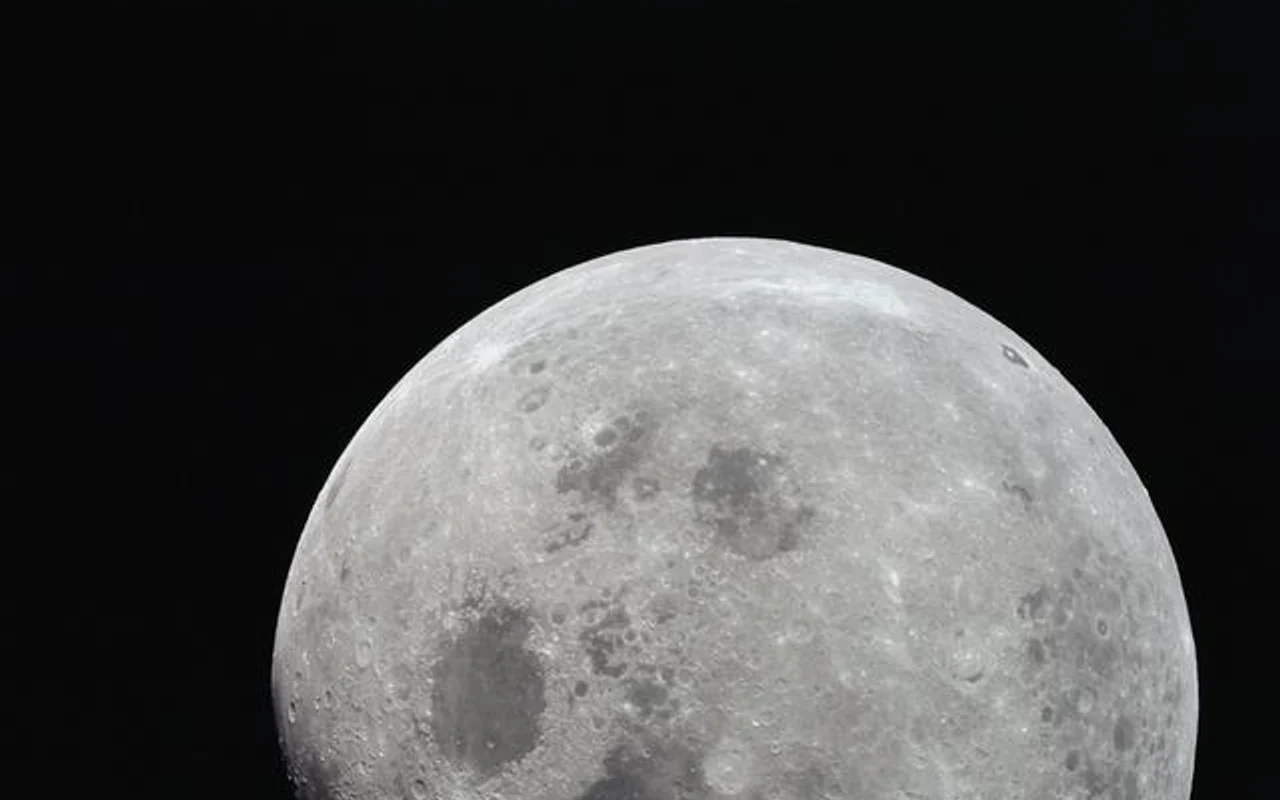
Solar System · Observational or mission image
Photograph of nearly full moon taken from Apollo 8
AS08-14-2506 (21-27 Dec. 1968) --- This photograph of a nearly full moon was taken from the Apollo 8 spacecraft at a point above 70 degrees east longitude. (Hold picture with moon's dark portion at left). Mare Crisium, the circular, dark-colored area near the center, is near the eastern edge of the moon as viewed from Earth. Mare Nectaris is the circular mare near the terminator. The large, irregular maira are Tranquillitatis and Fecunditatis. The terminator at left side of picture crosses Mare Tranquillitatis and highlands to the south. Lunar farside features occupy most of the right half of the picture. The large, dark-colored crater Tsiolkovsky is near the limb at the lower right. Conspicuous bright rays radiate from two large craters, one to the north of Tsiolkovsky, the other near the limb in the upper half of the picture. These rayed craters were not conspicuous in Lunar Orbiter photography due to the low sun elevations when the Lunar Orbiter photography was made. The crater Langrenus is near the center of the picture at the eastern edge of Mare Fecunditatis. The lunar surface probably has less pronounced color that indicated by this print.
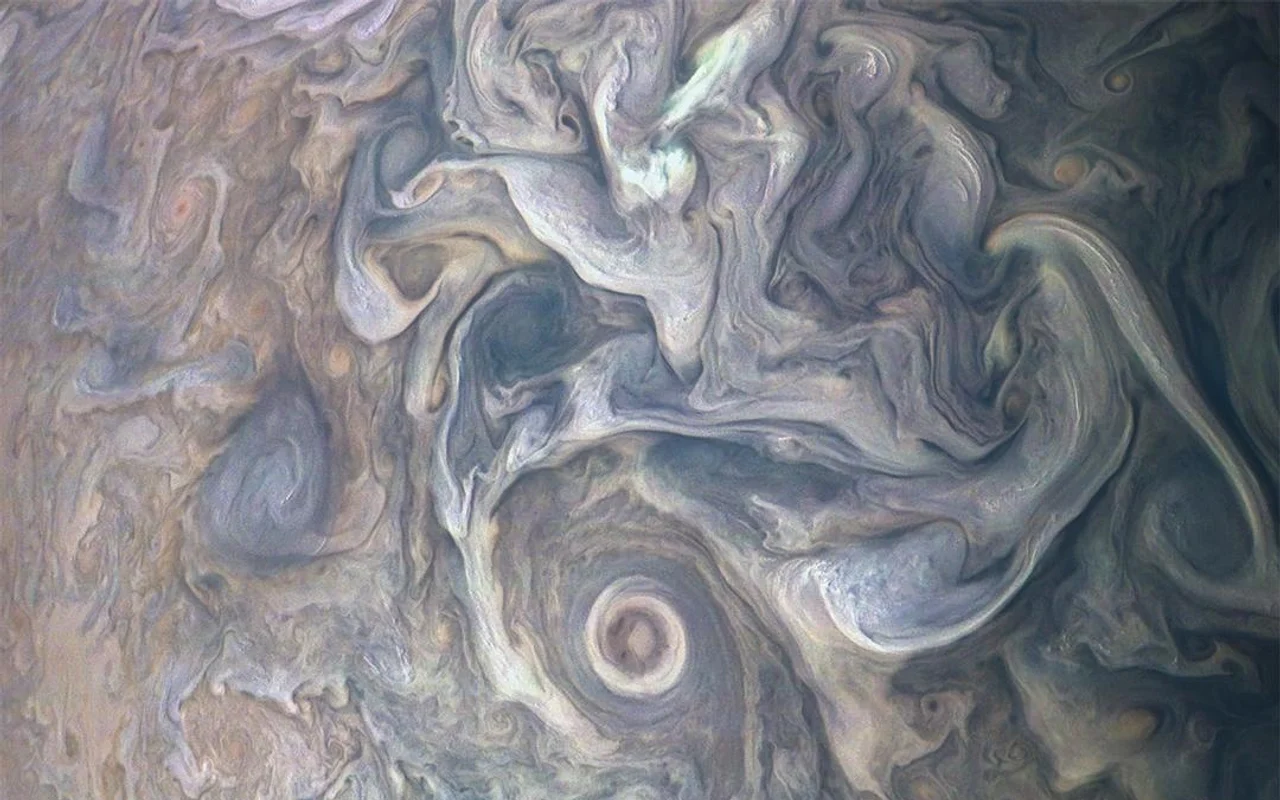
Outer planets · Observational or mission image
Jupiter's Swirling Cloudscape
Intricate swirls in Jupiter's volatile northern hemisphere are captured in this color-enhanced image from NASA's Juno spacecraft. Bursts of bright-white "pop-up" clouds appear scattered throughout the scene, with some visibly casting shadows on the neighboring cloud layers beneath them. Juno scientists are using shadows to determine the distances between cloud layers in Jupiter's atmosphere, which provide clues to their composition and origin. This image was taken at 10:27 p.m. PDT on May 23, 2018 (1:27 a.m. EDT on May 24) as the spacecraft performed its 13th close flyby of Jupiter. At the time, Juno was about 7,050 miles (11,350 kilometers) from the planet's cloud tops, above a northern latitude of approximately 49 degrees. Citizen scientists Gerald Eichstädt and Seán Doran created this image using data from the spacecraft's JunoCam imager. https://photojournal.jpl.nasa.gov/catalog/PIA22687
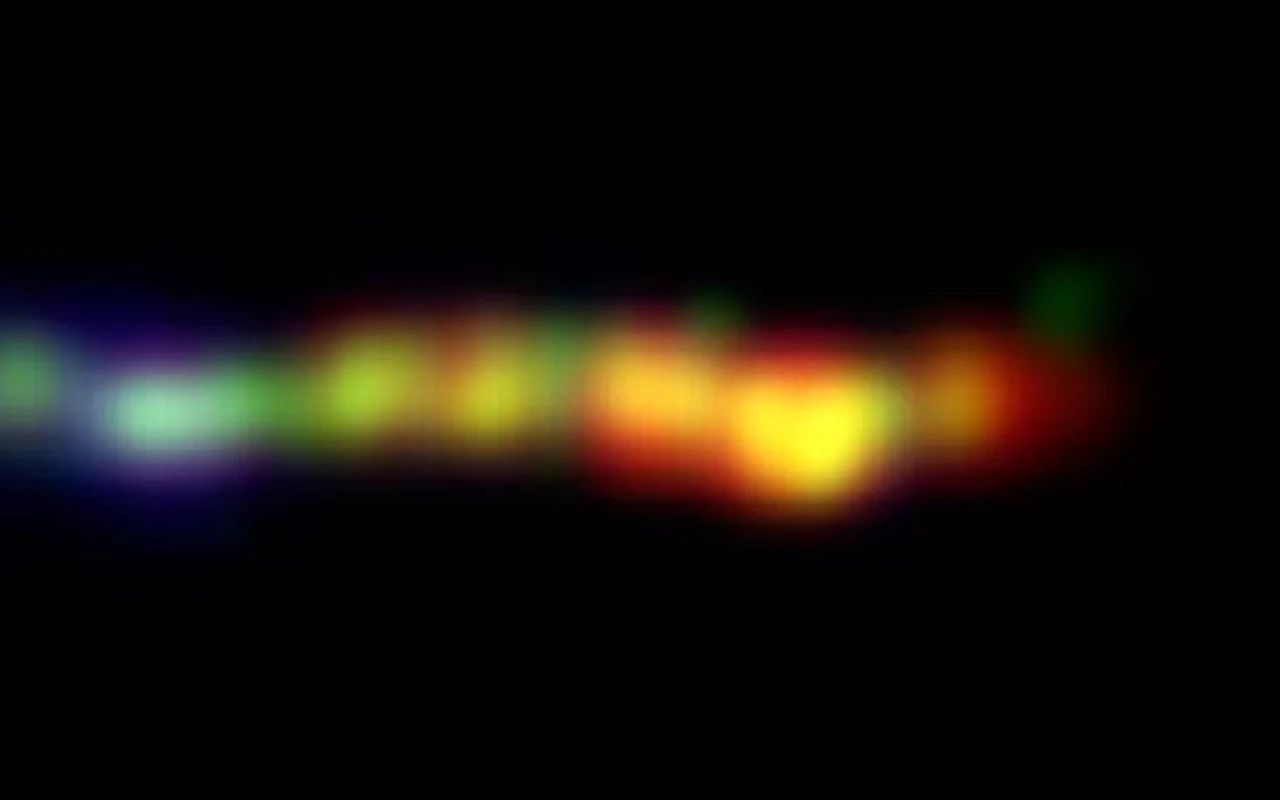
Extreme universe · Observational or mission image
Black Hole Spills Kaleidoscope of Color
This new false-colored image from NASA Hubble, Chandra and Spitzer space telescopes shows a giant jet of particles that has been shot out from the vicinity of a type of supermassive black hole called a quasar.
Cosmology · Observational or mission image
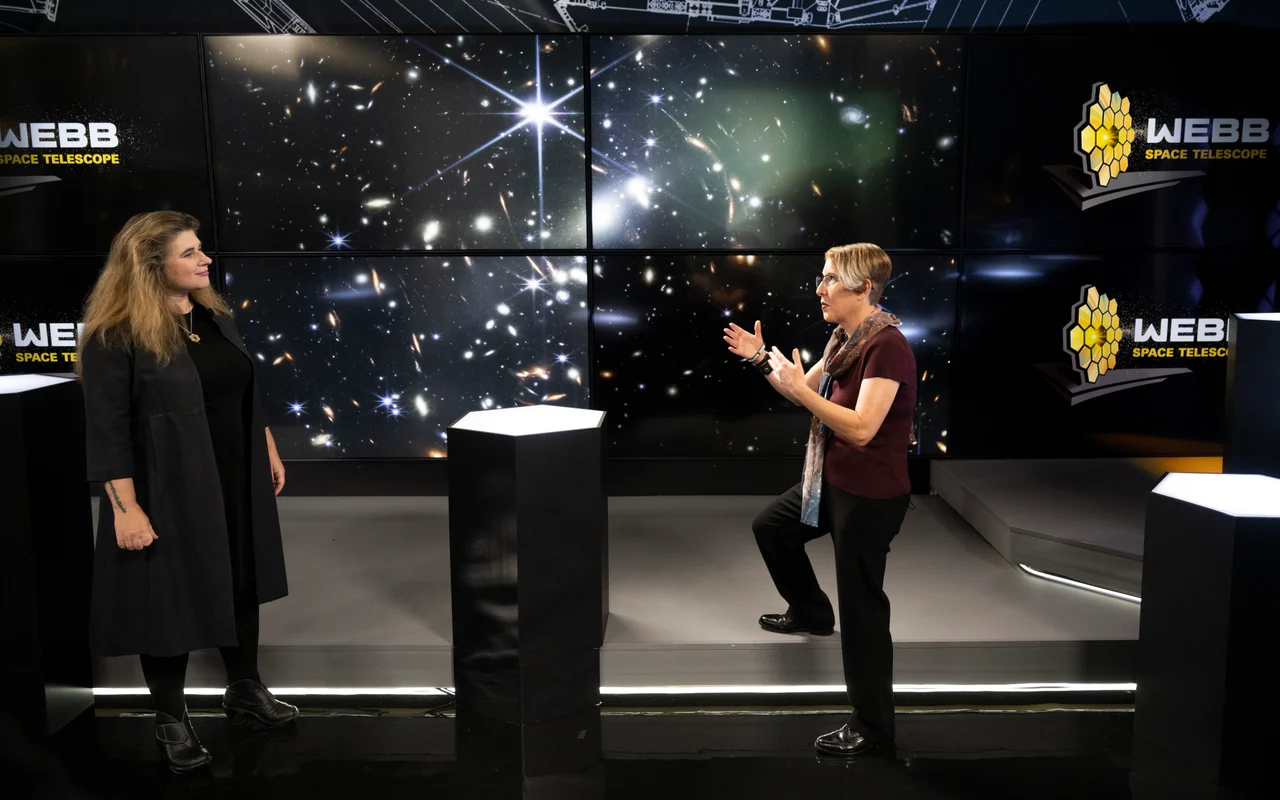
JWST’s First Full-Color Images
Assistant Director of Science at NASA's Goddard Space Flight Center Michelle Thaller, left, speaks with NASA James Webb Space Telescope Operations Project Scientist Jane Rigby, right, about the Webb Deep Field image as it is shown on screen during a broadcast releasing the telescope’s first full-color images, Tuesday, July 12, 2022, at NASA’s Goddard Space Flight Center in Greenbelt, Md. The first full-color images and spectroscopic data from the James Webb Space Telescope, a partnership with ESA (European Space Agency) and the Canadian Space Agency (CSA), are a demonstration of the power of Webb as the telescope begins its science mission to unfold the infrared universe. Photo Credit: (NASA/Bill Ingalls)
A history of space knowledge
From naked-eye skies to infrared galaxies.
Each step pairs a concise historical explanation with a labelled NASA visual record. The image is evidence of how we see the universe today—not a claim that it was available to the people named in the milestone.
- 1543A Sun-centred model
Copernicus put a mathematical heliocentric model into print.
Modern solar observation · NASA record ↗ - 1609Telescopic astronomy
Galileo’s observations made moons, planetary phases and sunspots evidence.
Planetary surface observation · NASA record ↗ - 1687Gravity connects sky and Earth
Newton linked falling bodies and orbits through universal gravitation.
Orbital worlds · NASA record ↗ - 1781Uranus found
William Herschel’s observation expanded the known planetary system.
Voyager 2 record · NASA record ↗ - 1846Neptune predicted and observed
Mathematics and observation converged on a new planet.
Voyager 2 record · NASA record ↗ - 1915General relativity
Einstein recast gravity as the geometry of spacetime.
NASA scientific visualization · NASA record ↗ - 1929An expanding universe
Galaxy redshifts provided evidence that cosmic distances are growing.
Infrared galactic centre · NASA record ↗ - 1957Sputnik
The first artificial satellite opened the space age.
Earth seen from lunar orbit · NASA record ↗ - 1969Apollo 11
Humans landed on the Moon and returned samples and observations.
Apollo-era lunar view · NASA record ↗ - 1990Hubble
A space observatory made deep, high-resolution astronomical observation routine.
Hubble nebula observation · NASA record ↗ - 1992Planets beyond the Sun
The first confirmed exoplanets around a pulsar enlarged the map of planetary systems.
NASA scientific visualization · NASA record ↗ - 2015Gravitational waves
LIGO detected ripples in spacetime from merging black holes.
Exploding-star aftermath · NASA record ↗ - 2022Webb’s first images
Infrared observations opened new views of early galaxies, stellar nurseries and exoplanet atmospheres.
JWST observation · NASA record ↗
Nobel-recognised breakthroughs
Prize-winning science in context.
This is a navigable index of landmark Nobel-linked advances, not a claim that every award is an invention. Every entry now leads to its official Nobel record and is paired with a distinct, rights-cleared atlas visual.
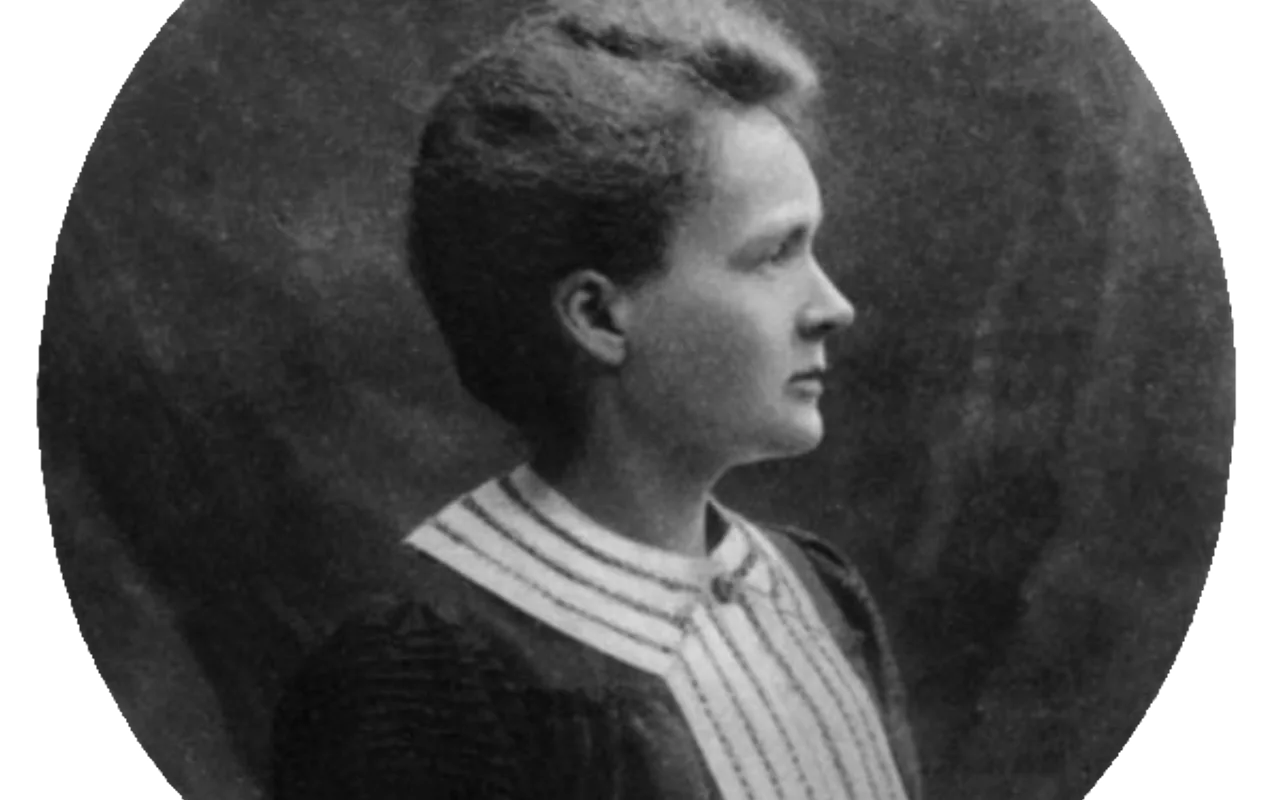
Institutional research shelves
Keep exploring through trusted collections.
These stable institutional home pages and catalogue portals complement the item-level image records throughout the atlas. They replace fragile one-off links with sources that remain useful even when a specific collection item moves.
NASA Science ↗Mission explainers, data and image recordsNobel Prize ↗Official award citations and biographical recordsNational Library of Medicine ↗Medical history, collections and research resourcesLibrary of Congress ↗Digitized books, maps, photographs and newspapersRoyal Society ↗Scientific papers and the history of experimentSmithsonian ↗Museum collections, objects and public scholarship