ATLAS / ANCIENT—PRESENT
All historyHow Atlas is sourced← Back to Atlas
Back to Atlas timeline
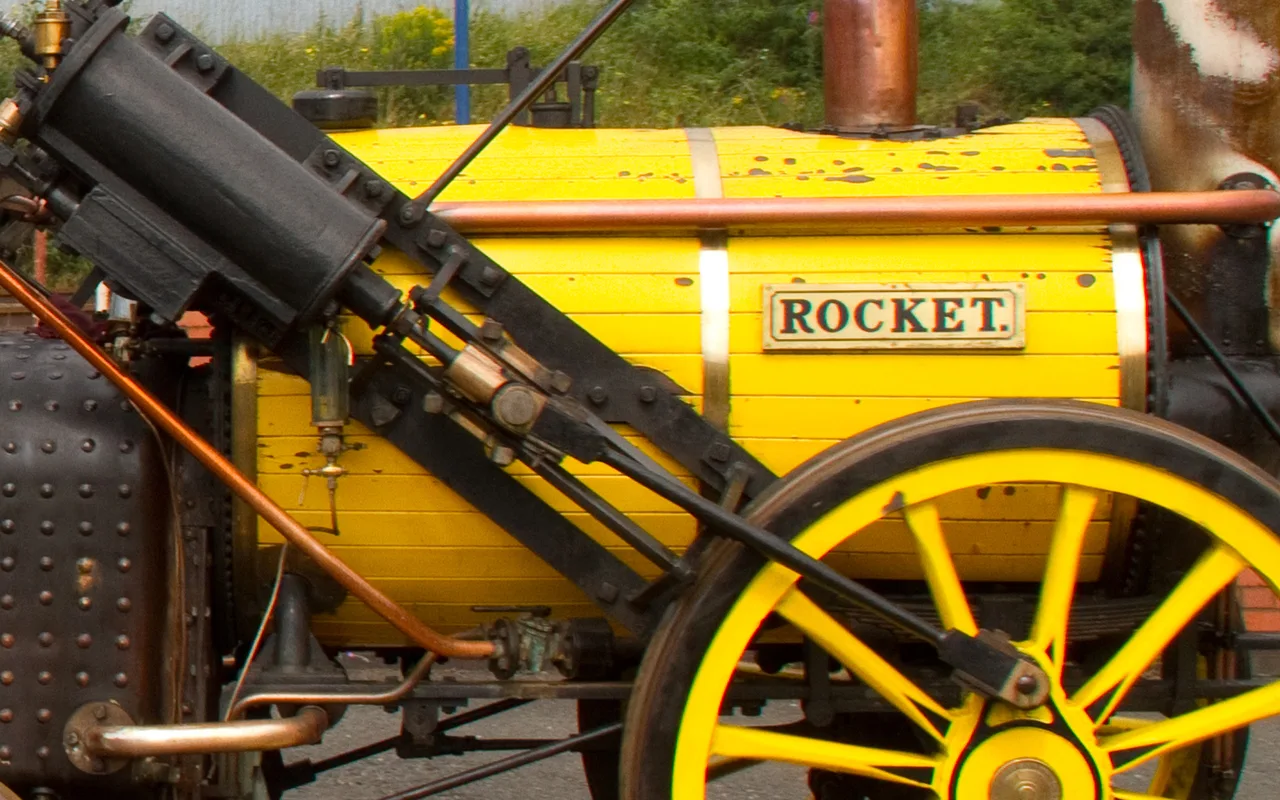
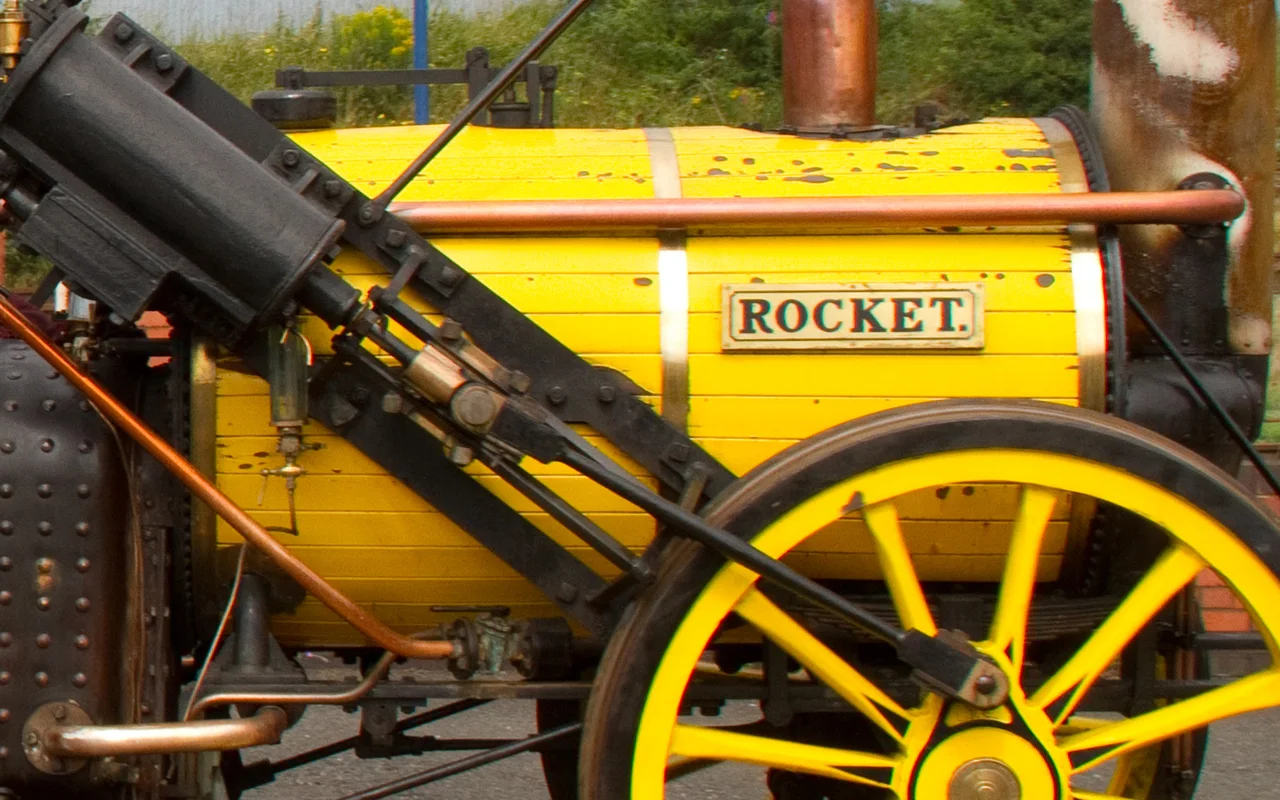
Rocket (locomotive) close up of the boiler lagging.jpg

1804–1869 CE · selected locomotive, steamship and railway milestones · Global · Technology

Railways, steamships and networked transport

Selected locomotive, railway and steamship milestones trace how transport became faster and more regular, while older sail, road and river systems continued and regional timelines differed.

Atlas dossier · Industrial & Imperial Age

Free device narration · synchronized English captions · transcript available

Why it matters

Transport networks reshaped markets and migration while serving empire, resource extraction and the displacement of Indigenous peoples.

Date
1804–1869 CE · selected locomotive, steamship and railway milestones
Historical setting
Industrial & Imperial Age · Global
People & communities
Railway workers · engineers · passengers · dock laborers · migrants · colonized communities
Milestones, not one global timetable

The 1804 opening marks an early steam-locomotive milestone and 1869 marks major railway and canal connections. Rail and steam developed through many experiments and regional systems; sail, road, river and animal transport continued. The selected dates do not mean a completed worldwide network.

Science Museum Group transport collection

Networks moved power as well as passengers

Faster transport supported migration, mail and markets, but also troop movement, extraction, indenture, settler expansion and dispossession. Workers who built and operated these systems, and communities whose land they crossed, belong inside the history of engineering.

Library of Congress: railroad research collection

Illustrated sequence

A visual presentation accompanying this entry. Read each image’s attribution to distinguish archival records, later depictions and reconstructions.

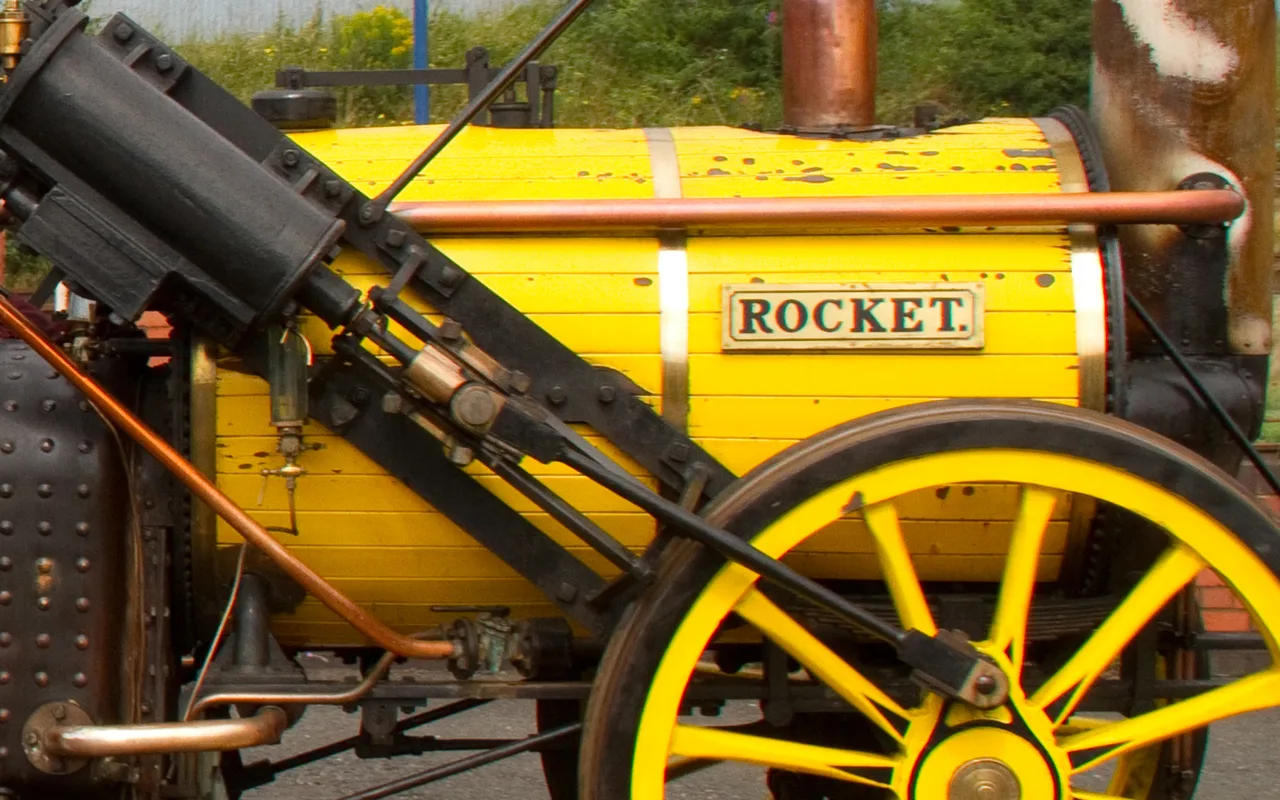
Rocket (locomotive) close up of the boiler lagging.jpg
IMAGE 1

Visual record

Rights-cleared archival or official image · CC BY-SA 4.0

Rocket (locomotive) close up of the boiler lagging.jpg — Tony Hisgett from Birmingham, UK; CC BY-SA 4.0; via Wikimedia Commons

Source and reuse terms ↗ · Read the licence ↗

Interpretation note

Evidence, memory and historical debate

This dossier distinguishes the event’s basic chronology from later arguments about meaning, responsibility and legacy. When comparing religious, national, Indigenous or scholarly interpretations, consult the primary and institutional sources above alongside peer-reviewed historical work.

Elsewhere in the world

Parallel histories near this moment

1804–1826 CE · selected mainland independence survey · AmericasLatin American independence

This selected survey follows wars that ended most Spanish rule in mainland Latin America, while distinguishing Haiti’s earlier revolution, Brazil’s different path and surviving colonial territories.

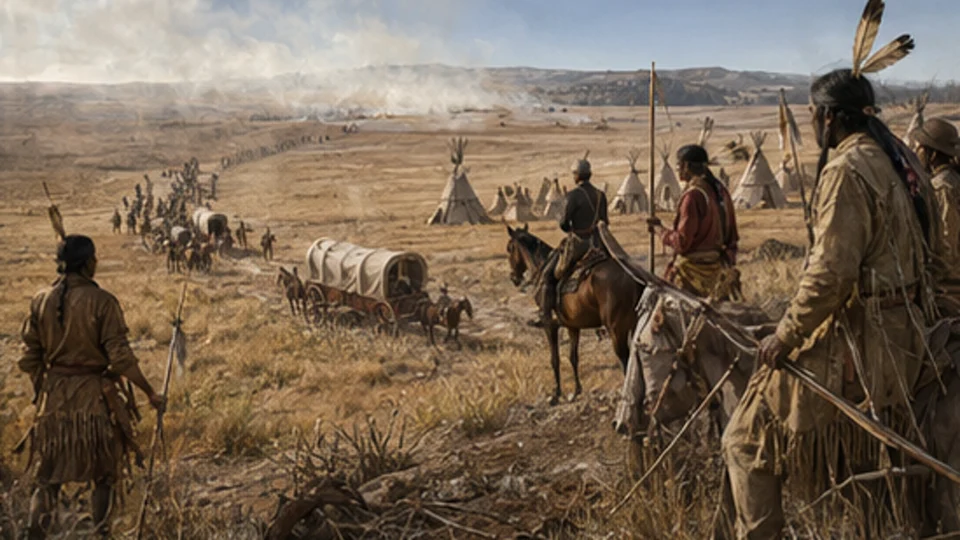
1803–1890 CE · selected U.S. expansion milestones · AmericasManifest Destiny and Indigenous wars

U.S. settlement expanded westward through purchase, annexation, forced removal, broken treaties, warfare and the destruction of Indigenous food systems.

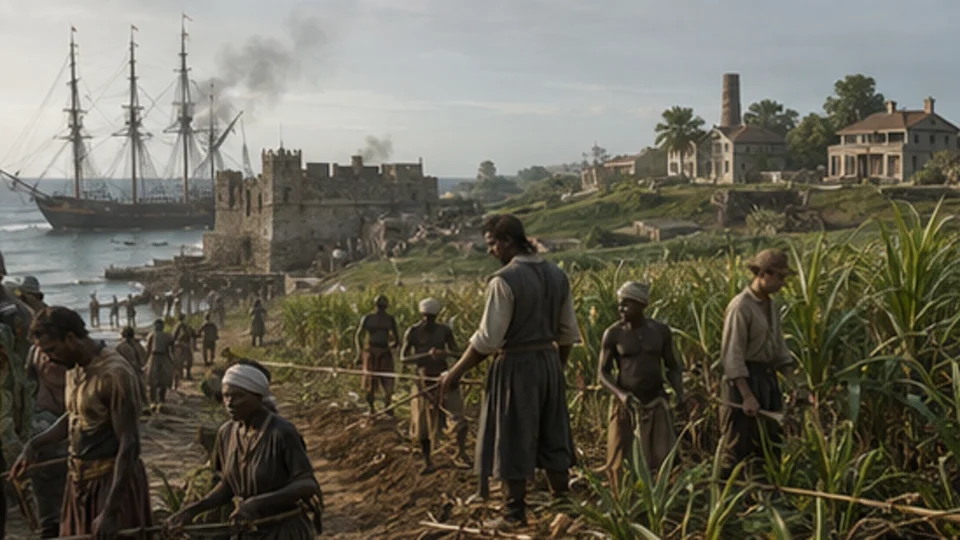
1807–c. 1960 CE · uneven continental survey · AfricaFrom abolition to colonial conquest

Across different African regions, uneven abolition measures, African political choices, changing commerce and European naval coercion preceded—but did not mechanically cause—later territorial conquest and colonial rule.