ATLAS / ANCIENT—PRESENT
All historyHow Atlas is sourced← Back to Atlas
Back to Atlas timeline
From abolition to colonial conquest — original Atlas editorial reconstruction

1807–c. 1960 CE · uneven continental survey · Africa · Empire

From abolition to colonial conquest

Across different African regions, uneven abolition measures, African political choices, changing commerce and European naval coercion preceded—but did not mechanically cause—later territorial conquest and colonial rule.

Atlas dossier · Industrial & Imperial Age

Free device narration · synchronized English captions · transcript available

Why it matters

Abolition did not end exploitation: forced labor, punitive wars, land seizure and extractive economies marked the transition to empire.

Date
1807–c. 1960 CE · uneven continental survey
Historical setting
Industrial & Imperial Age · Africa
People & communities
Formerly enslaved communities · African rulers and resisters · abolitionists · European merchants and officials
No automatic transition from abolition to empire

The 1807–c. 1960 range is an uneven continental survey. Measures against Atlantic slave trading varied by jurisdiction and enforcement; slavery and coerced labour continued in many forms. Commercial change, African statecraft, European naval power and later conquest were connected without forming one inevitable sequence.

UK Parliament: abolition of the slave trade

Africa is not merely an imperial theatre

African rulers, merchants, workers and communities made choices, fought wars, negotiated and resisted under changing pressures. Colonial conquest occurred at different times and was never uncontested. The approximate 1960 endpoint marks a decolonisation threshold, not the end of empire’s institutions or economic effects.

UNESCO General History of Africa

Illustrated sequence

Silent pan-and-zoom motion derivative of the From abolition to colonial conquest reconstruction; not archival footage.

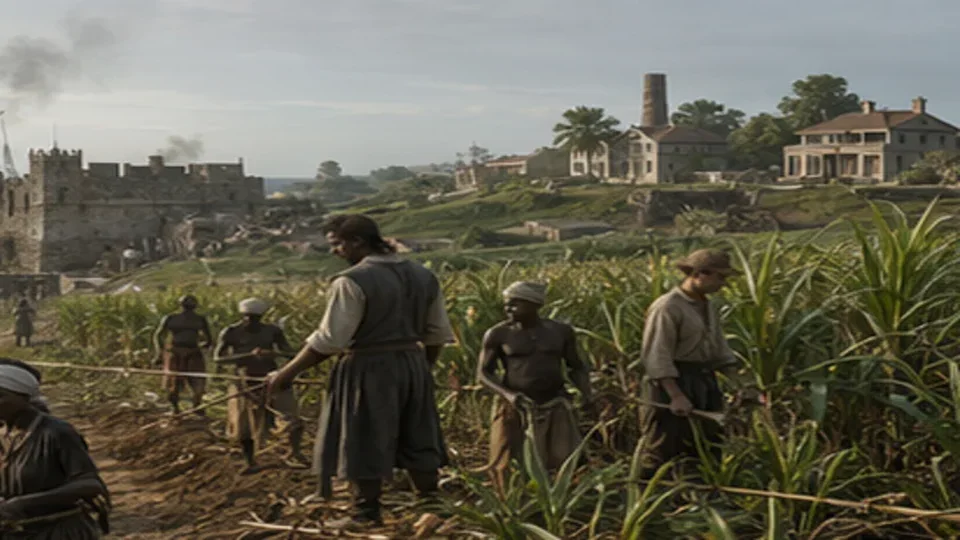
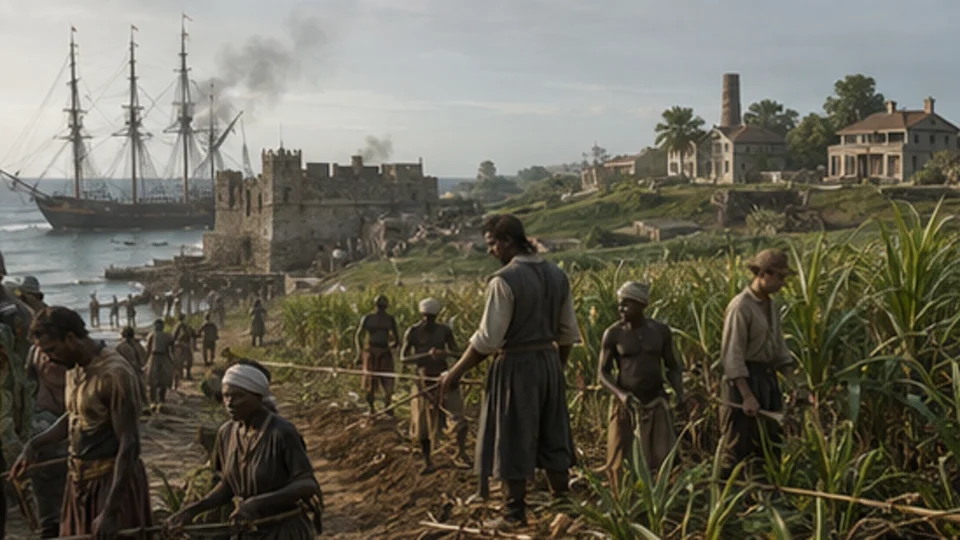
From abolition to colonial conquest — original Atlas editorial reconstruction
IMAGE 1

Original Atlas reconstruction

Primary Atlas editorial reconstruction for From abolition to colonial conquest.

World History in Pictures · Public site artwork. This record does not grant third-party republication rights.

How Atlas classifies this artwork →
From abolition to colonial conquest: people and action
IMAGE 2

Detail crop — same artwork

Detail crop from the same From abolition to colonial conquest reconstruction; not an independent historical record.

World History in Pictures · Same editorial artwork package

How Atlas classifies this artwork →
From abolition to colonial conquest: setting and consequences
IMAGE 3

Context crop — same artwork

Context crop from the same From abolition to colonial conquest reconstruction; not an independent historical record.

World History in Pictures · Same editorial artwork package

How Atlas classifies this artwork →

Interpretation note

Evidence, memory and historical debate

This dossier distinguishes the event’s basic chronology from later arguments about meaning, responsibility and legacy. When comparing religious, national, Indigenous or scholarly interpretations, consult the primary and institutional sources above alongside peer-reviewed historical work.

Elsewhere in the world

Parallel histories near this moment

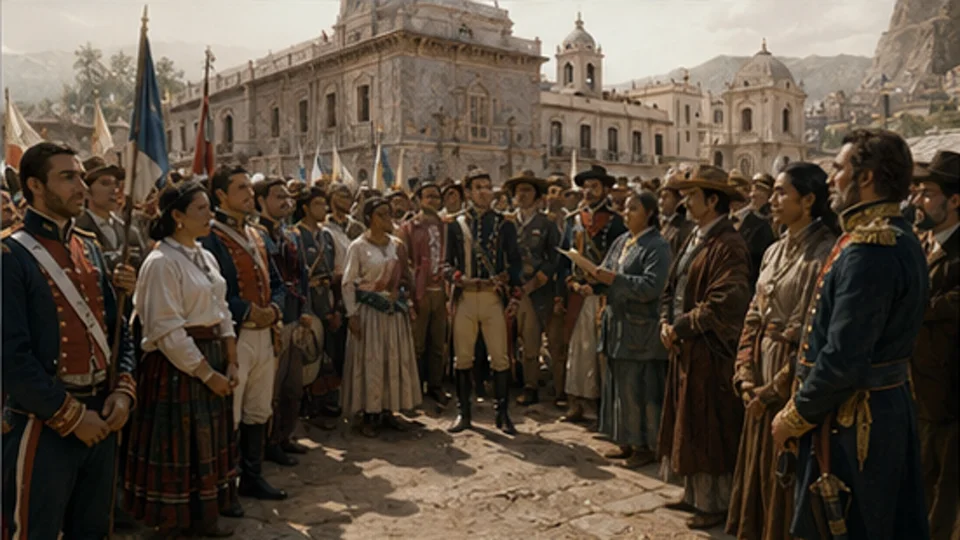
1804–1826 CE · selected mainland independence survey · AmericasLatin American independence

This selected survey follows wars that ended most Spanish rule in mainland Latin America, while distinguishing Haiti’s earlier revolution, Brazil’s different path and surviving colonial territories.

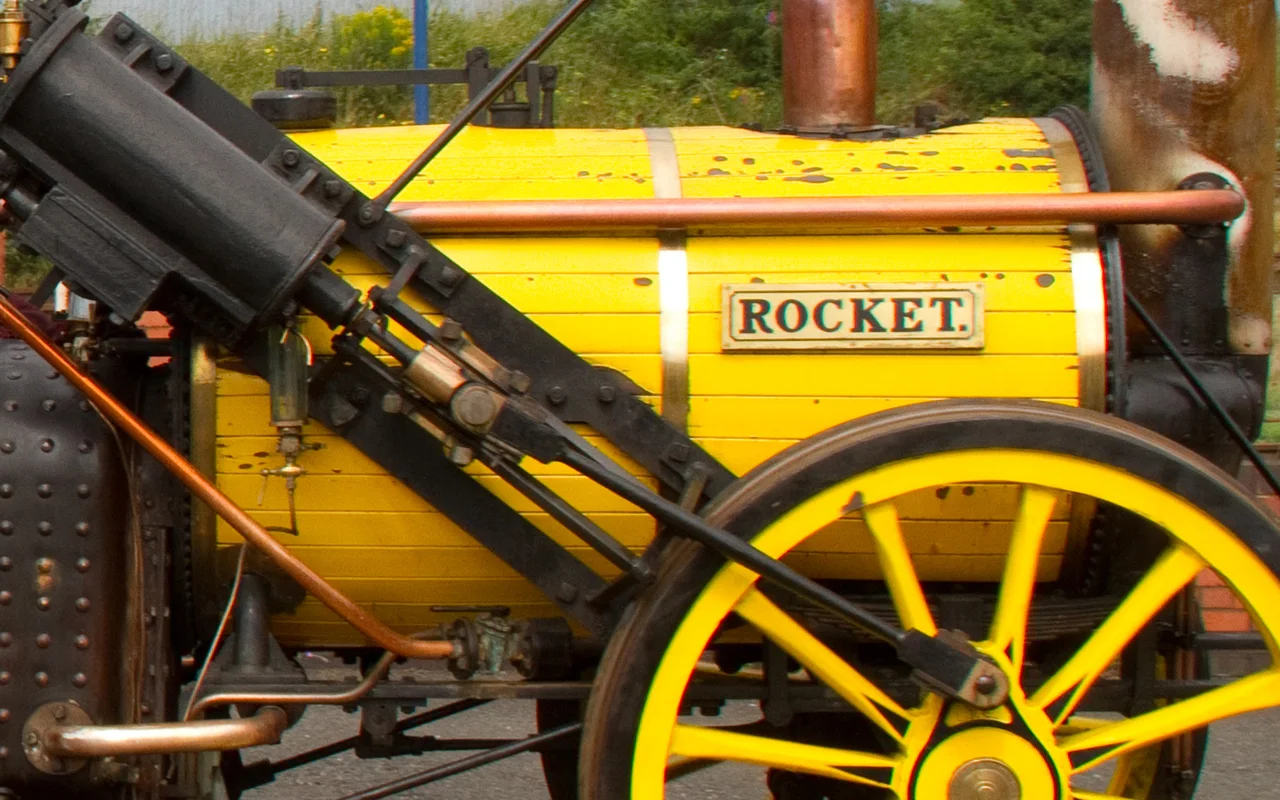
1804–1869 CE · selected locomotive, steamship and railway milestones · GlobalRailways, steamships and networked transport

Selected locomotive, railway and steamship milestones trace how transport became faster and more regular, while older sail, road and river systems continued and regional timelines differed.

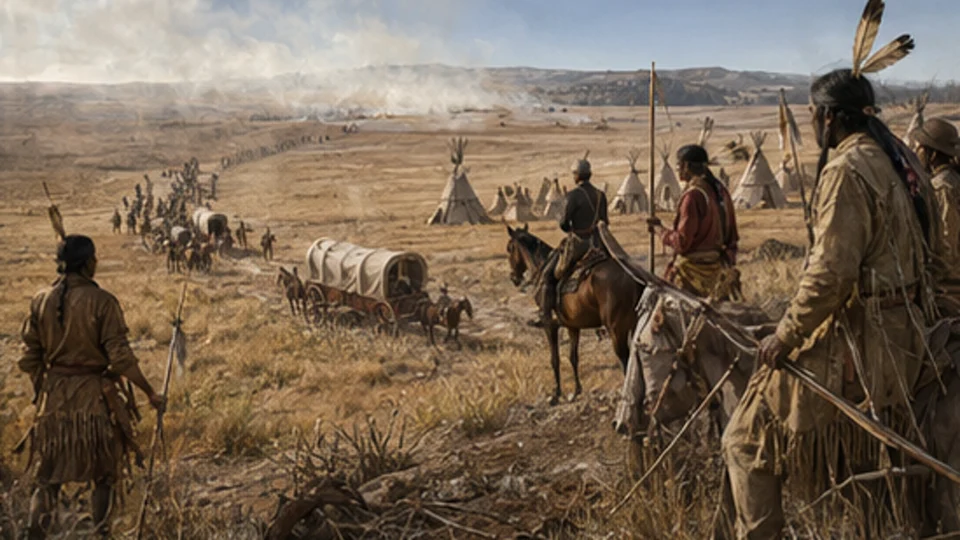
1803–1890 CE · selected U.S. expansion milestones · AmericasManifest Destiny and Indigenous wars

U.S. settlement expanded westward through purchase, annexation, forced removal, broken treaties, warfare and the destruction of Indigenous food systems.

Explore the connections

The Congo Free State: extraction, coercion and population loss

The Maji Maji war and German colonial coercion

The Sokoto Caliphate: political power, plantations and slavery