ATLAS / ANCIENT—PRESENT
All historyHow Atlas is sourced← Back to Atlas
Back to Atlas timeline
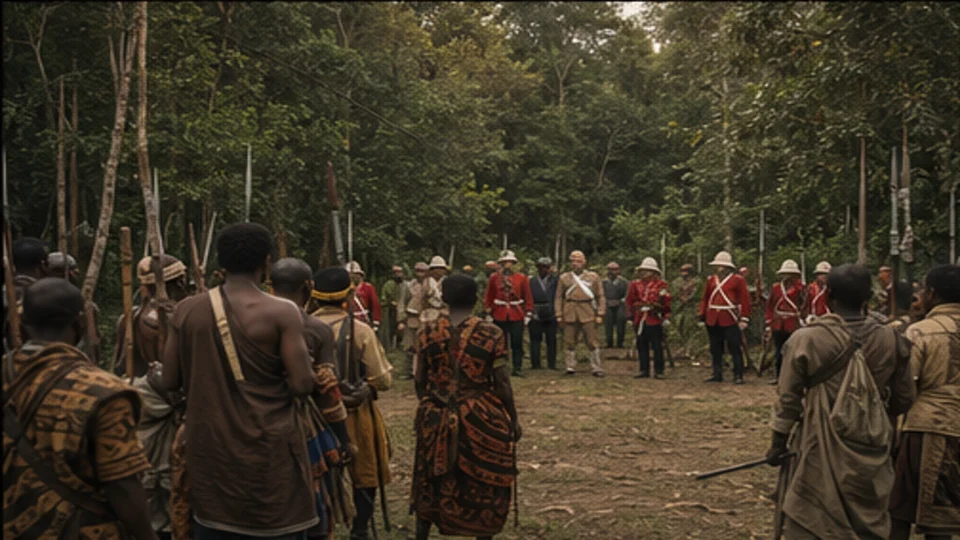
Asante–British Wars — original Atlas editorial reconstruction

1824–1901 CE · selected wars and colonial annexation · Africa · War

Asante–British Wars

Successive conflicts pitted Asante sovereignty against British expansion on the Gold Coast. Yaa Asantewaa led the 1900 War of the Golden Stool; Britain annexed Asante in 1901 without ending Asante identity or institutions.

Atlas dossier · Industrial & Imperial Age

Free device narration · synchronized English captions · transcript available

Why it matters

The wars reveal African military power, imperial ambition and resistance that fed later Ghanaian nationalism.

Date
1824–1901 CE · selected wars and colonial annexation
Historical setting
Industrial & Imperial Age · Africa
People & communities
Osei Yaw Akoto · Kofi Karikari · Prempeh I · Yaa Asantewaa · Garnet Wolseley
Several wars, not one continuous campaign

The 1824–1901 frame selects successive conflicts separated by long intervals and changing political conditions. The 1900 War of the Golden Stool and Britain’s 1901 annexation are different milestones. Annexation did not erase the Asantehene, Asante identity or continuing political institutions.

British Museum: Asante gold regalia

Objects record conquest and claims

Regalia in British collections can document Asante statecraft, but their removal through war, indemnity and colonial demand is also evidence. Yaa Asantewaa was queen mother of Ejisu and a leader in the 1900 resistance; describing the war only as a British campaign would invert its political history.

British Museum: contested Asante objects

Illustrated sequence

Silent pan-and-zoom motion derivative of the Asante–British Wars reconstruction; not archival footage.

Asante–British Wars — original Atlas editorial reconstruction
IMAGE 1

Original Atlas reconstruction

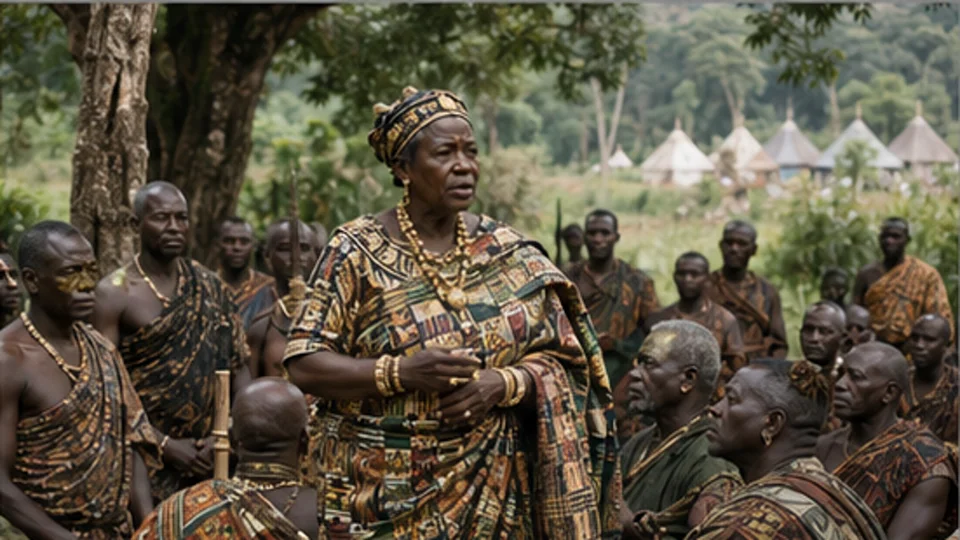
Primary Atlas editorial reconstruction for Asante–British Wars.

World History in Pictures · Public site artwork. This record does not grant third-party republication rights.

How Atlas classifies this artwork →
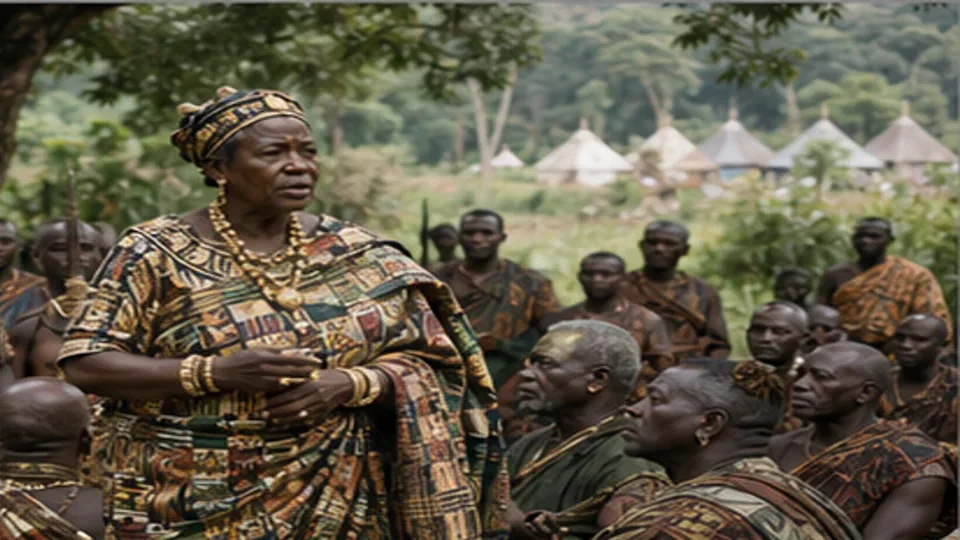
Asante–British Wars: people and action
IMAGE 2

Supporting Atlas reconstruction

Supporting Atlas reconstruction within the same Asante–British Wars editorial package; not an independent archival record.

World History in Pictures · Same editorial artwork package

How Atlas classifies this artwork →
Asante–British Wars: setting and consequences
IMAGE 3

Context crop — same artwork

Context crop from the same Asante–British Wars reconstruction; not an independent historical record.

World History in Pictures · Same editorial artwork package

How Atlas classifies this artwork →

Interpretation note

Evidence, memory and historical debate

This dossier distinguishes the event’s basic chronology from later arguments about meaning, responsibility and legacy. When comparing religious, national, Indigenous or scholarly interpretations, consult the primary and institutional sources above alongside peer-reviewed historical work.

Elsewhere in the world

Parallel histories near this moment

c. 1826–1895 CE · selected imaging and projection milestones · EuropePhotography, film and the recorded image

Experiments by many makers produced chemical photography and then projected motion pictures. The selected European and North American milestones do not represent every photographic tradition or one inventor’s achievement.

1837–1901 CE · selected signal and recording milestones · GlobalElectrical communication and recording

Selected telegraphy, telephony, sound-recording and radio milestones show distinct technologies becoming systems for rapid communication, coordination and mass media through infrastructure and operator labour.

1838–1906 CE · selected cell, physiology and neuron milestones · EuropeCell theory, neurons and modern physiology

Microscopy, cell theory, experimental physiology and competing work on nervous tissue gradually recast living bodies as organized systems of cells, organs, signals and chemical processes.

Explore the connections

The Zulu Kingdom and the British invasion of 1879