ATLAS / 1000 BC—PRESENT
How Atlas is sourced← Back to Atlas
Back to Atlas timeline

1826–1895 · Europe · Technology

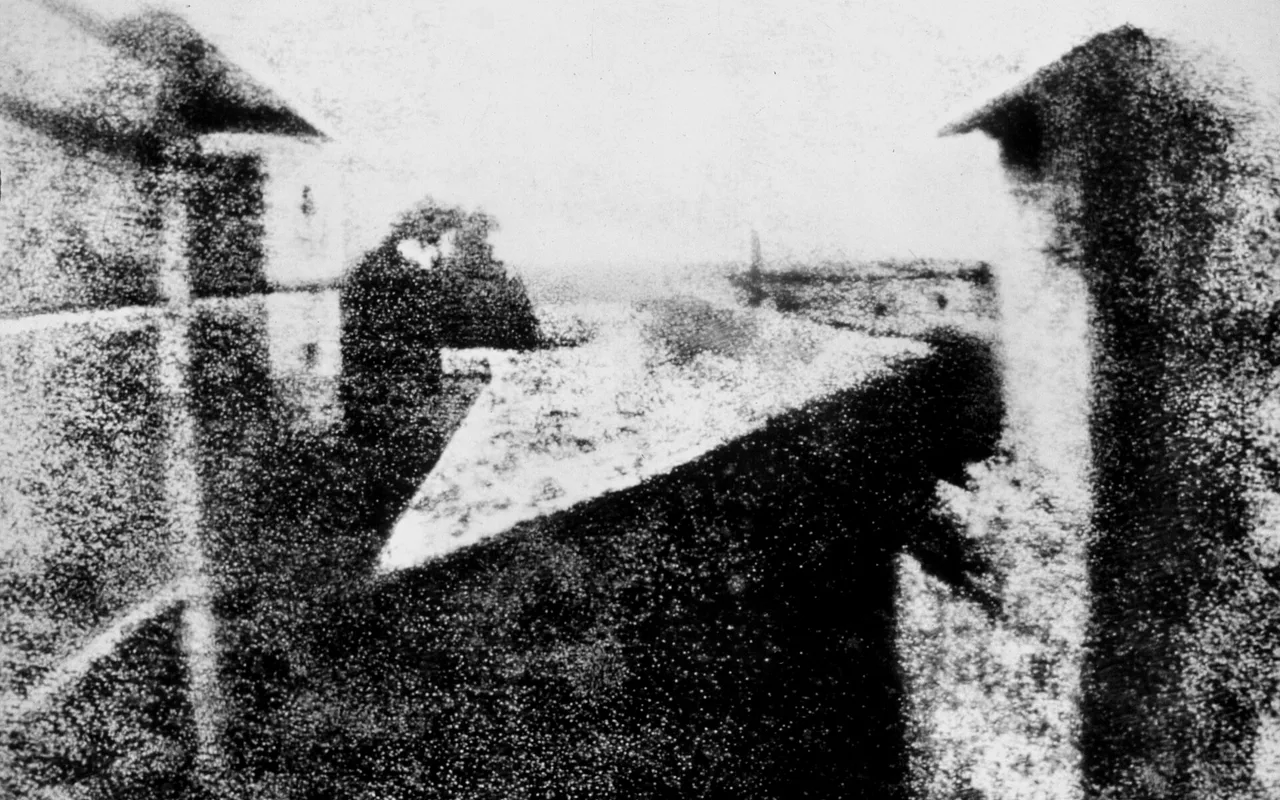
Photography, film and the recorded image

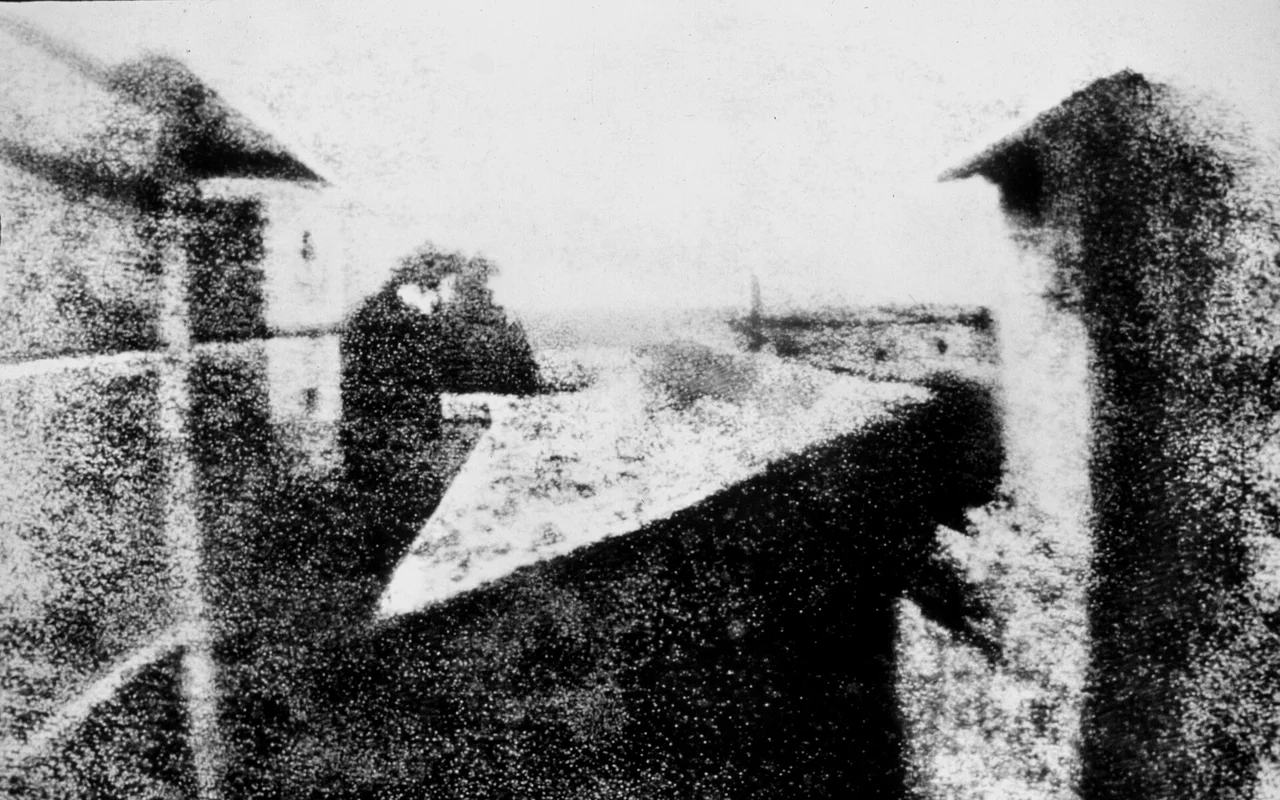
Chemical photography and then motion pictures made it possible to preserve, reproduce and circulate visual records at a scale unavailable to earlier generations.

Atlas dossier · Industrial & Imperial Age

Free device narration · synchronized English captions · transcript available

Why it matters

Recorded images transformed science, journalism, family memory, propaganda, surveillance and the global circulation of culture.

Date
1826–1895
Historical setting
Industrial & Imperial Age · Europe
People & communities
Nicéphore Niépce · Louis Daguerre · Eadweard Muybridge · photographers · audiences
01

Event

Chemical photography and then motion pictures made it possible to preserve, reproduce and circulate visual records at a scale unavailable to earlier generations.

02

People

Nicéphore Niépce · Louis Daguerre · Eadweard Muybridge · photographers · audiences

03

Consequences

Recorded images transformed science, journalism, family memory, propaganda, surveillance and the global circulation of culture.

Interpretation note

Evidence, memory and historical debate

This dossier distinguishes the event’s basic chronology from later arguments about meaning, responsibility and legacy. When comparing religious, national, Indigenous or scholarly interpretations, consult the primary and institutional sources above alongside peer-reviewed historical work.

Elsewhere in the world

Parallel histories near this moment

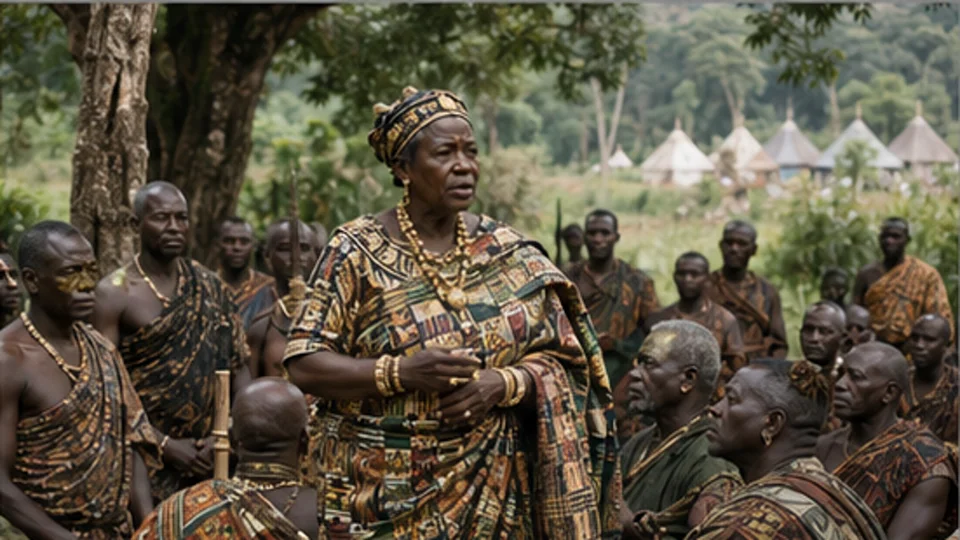
1824–1901 · AfricaAsante–British Wars

Five major conflicts pitted Asante sovereignty against British expansion on the Gold Coast, culminating in the War of the Golden Stool led by Yaa Asantewaa.

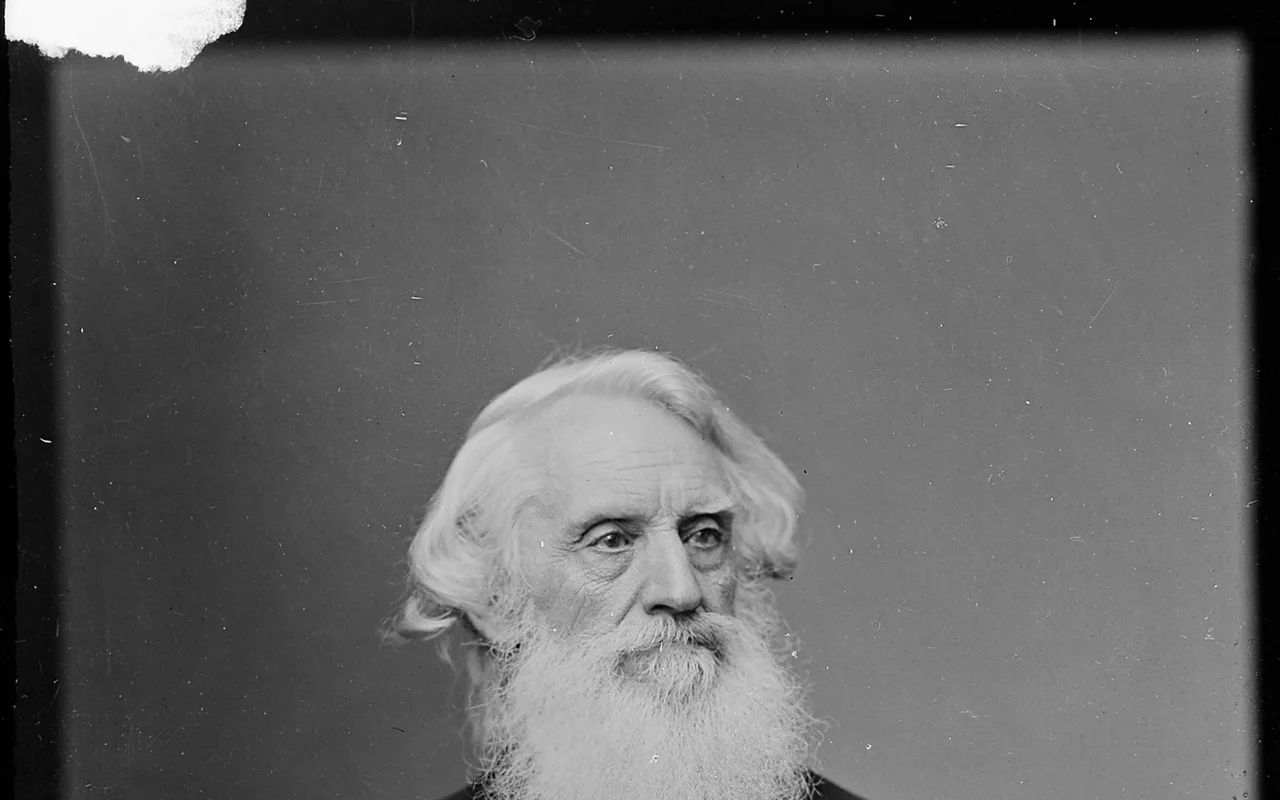
1837–1901 · GlobalElectrical communication and recording

Telegraphy, telephony, sound recording and radio turned electrical signals into systems for rapid communication, coordination and mass media.

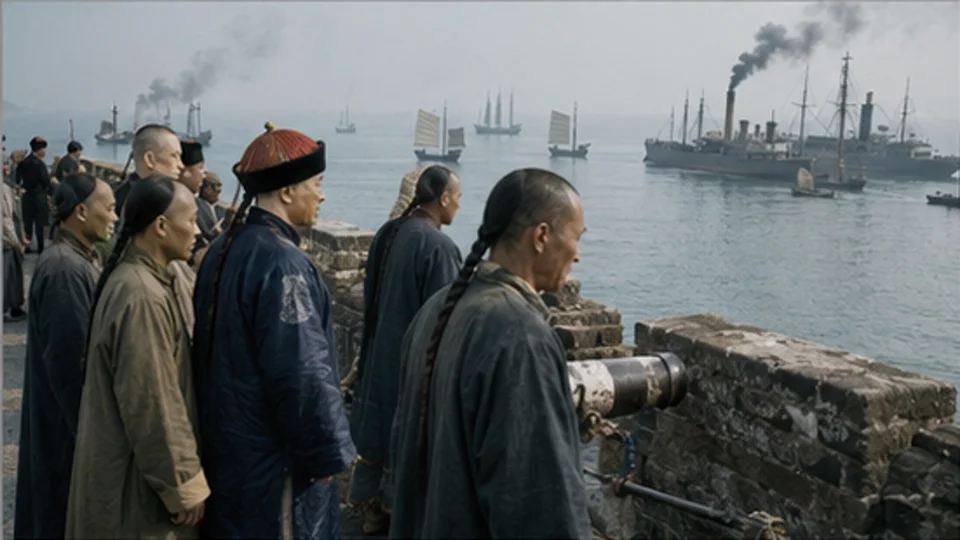
1839–1860 · AsiaOpium Wars

Britain and allies used force to expand commercial access to Qing China, securing unequal treaties and treaty ports.