Why it matters
The wars became symbols of imperial coercion and shaped modern Chinese nationalism.
- Date
- 1839–1860
- Historical setting
- Industrial & Imperial Age · Asia
- People & communities
- Qing officials · Lin Zexu · British merchants and forces
1839–1860 · Asia · Trade
Britain and allies used force to expand commercial access to Qing China, securing unequal treaties and treaty ports.
Atlas dossier · Industrial & Imperial AgeFree device narration · synchronized English captions · transcript available
Why it matters
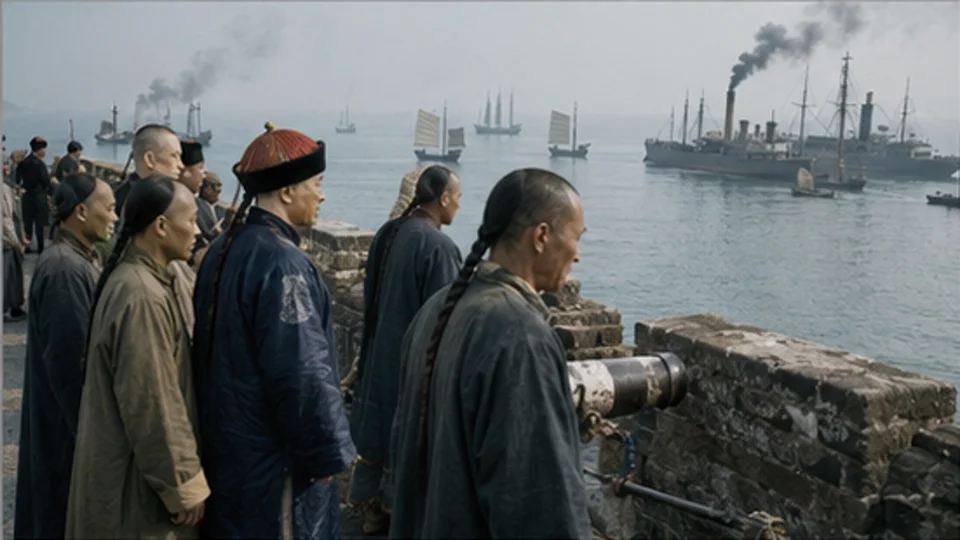
Britain and allies used force to expand commercial access to Qing China, securing unequal treaties and treaty ports.
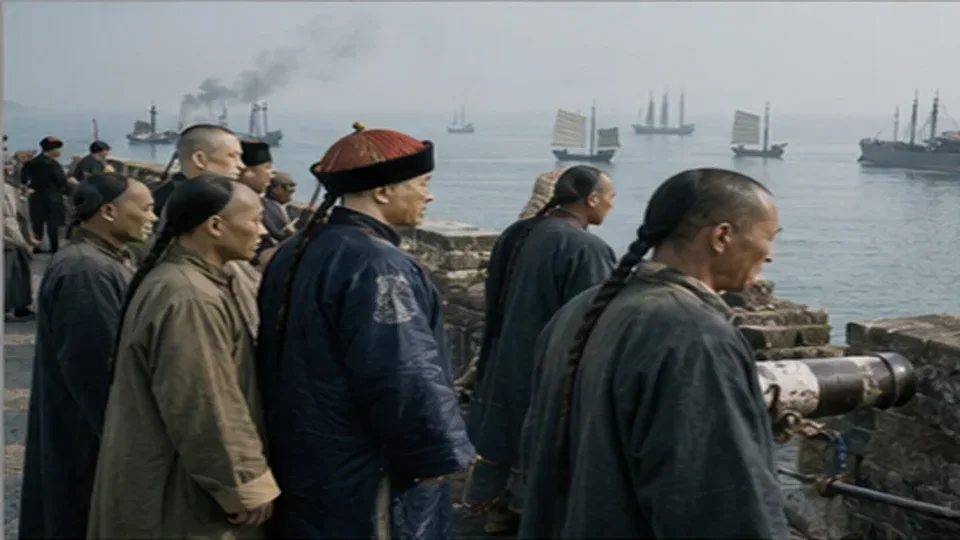
Qing officials · Lin Zexu · British merchants and forces
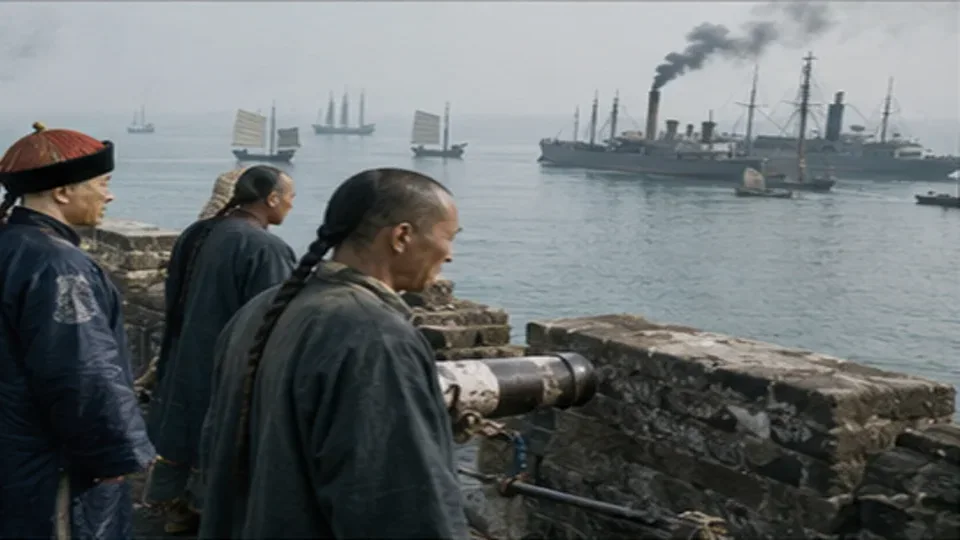
The wars became symbols of imperial coercion and shaped modern Chinese nationalism.
Supplemental archival visual
Opium War, 1840 is presented as a period visual interpretation or documentary record. It does not independently establish the dossier’s chronology; use the linked item page and source trail for its provenance and reuse terms.
Open the item page and rights record ↗Opium War, 1840 — Jean Ignace Isidore Gérard Grandville; Public Domain; via Wikimedia Commons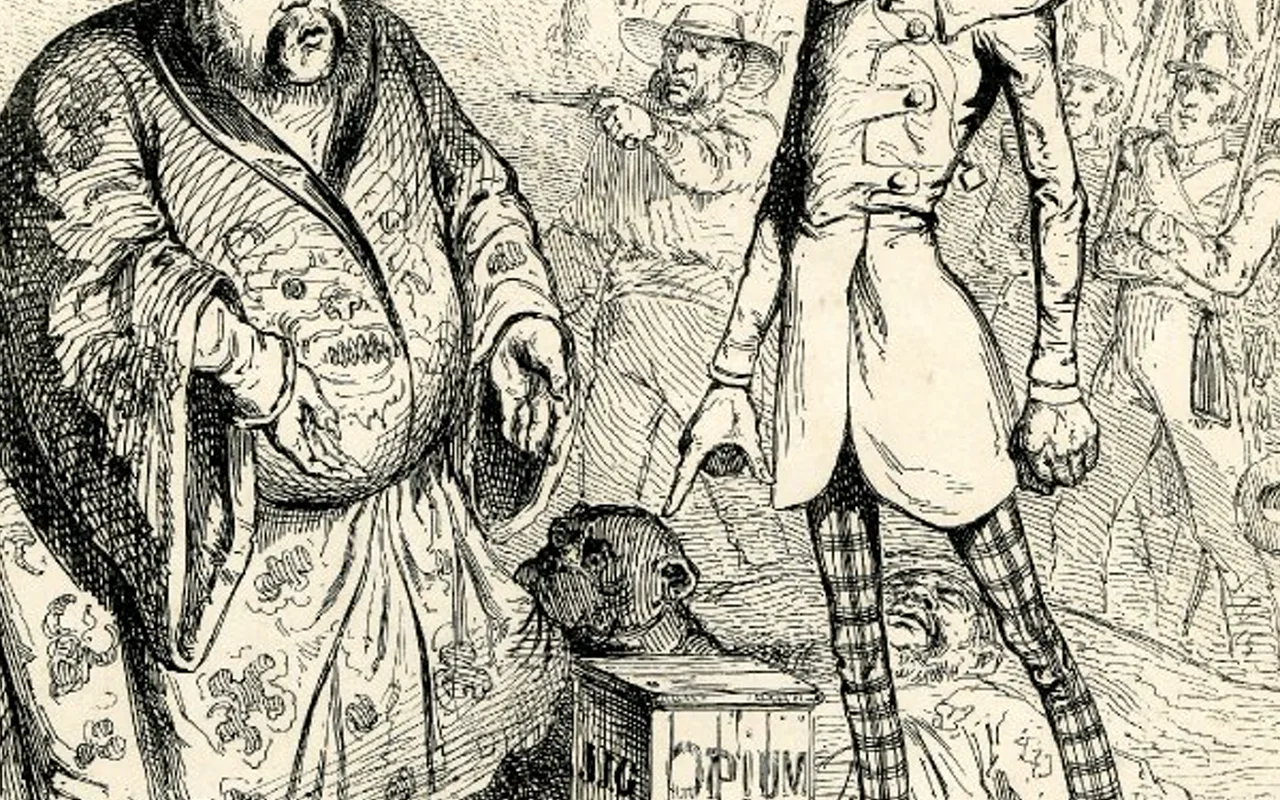
Interpretation note
This dossier distinguishes the event’s basic chronology from later arguments about meaning, responsibility and legacy. When comparing religious, national, Indigenous or scholarly interpretations, consult the primary and institutional sources above alongside peer-reviewed historical work.
Elsewhere in the world
 1838–1906 · EuropeCell theory, neurons and modern physiology
Microscopy, cell theory, experimental physiology and the neuron doctrine recast living bodies as organized systems of cells, organs, signals and chemical processes.
 1837–1901 · GlobalElectrical communication and recording
Telegraphy, telephony, sound recording and radio turned electrical signals into systems for rapid communication, coordination and mass media.
 1846–1885 · EuropeAnesthesia, germ theory and public health
Anesthesia made new forms of surgery possible while germ theory, antisepsis, vaccination and sanitation changed how communities explained and prevented disease.