ATLAS / ANCIENT—PRESENT
All historyHow Atlas is sourced← Back to Atlas
Back to Atlas timeline
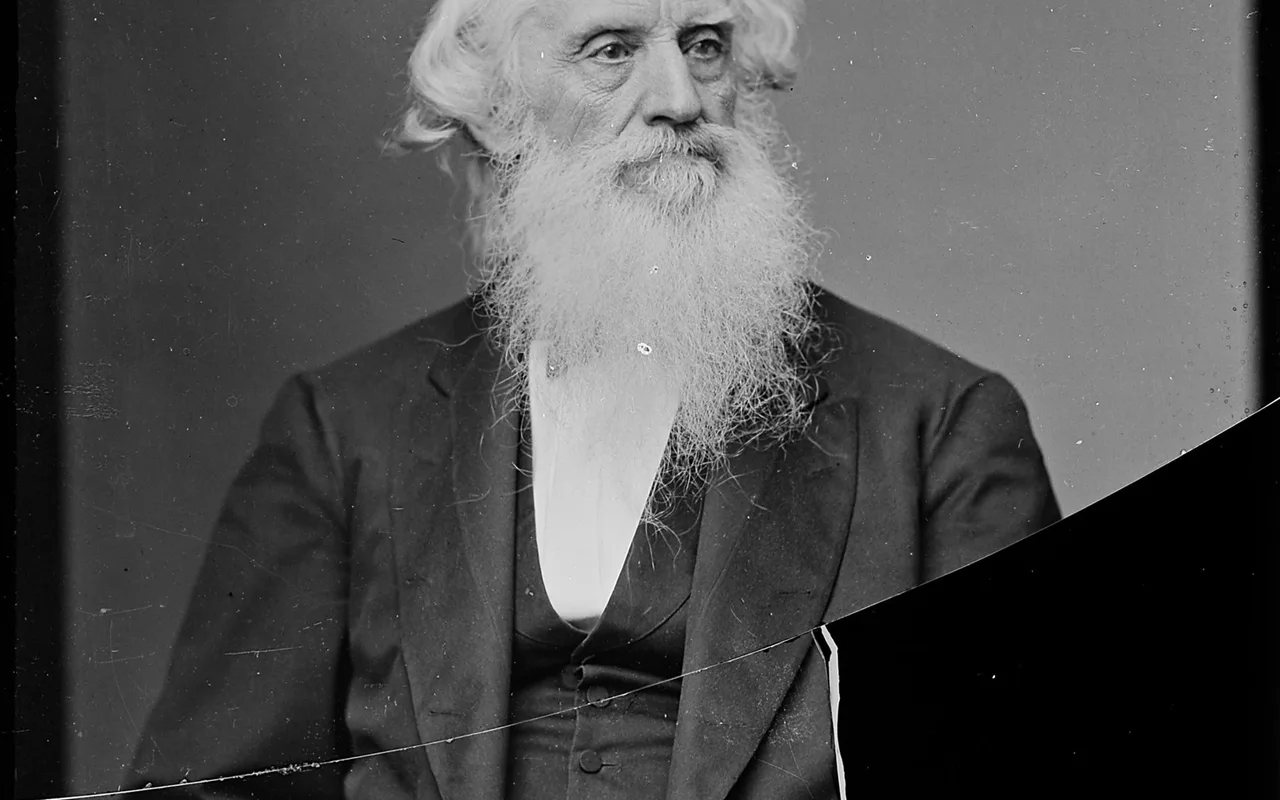
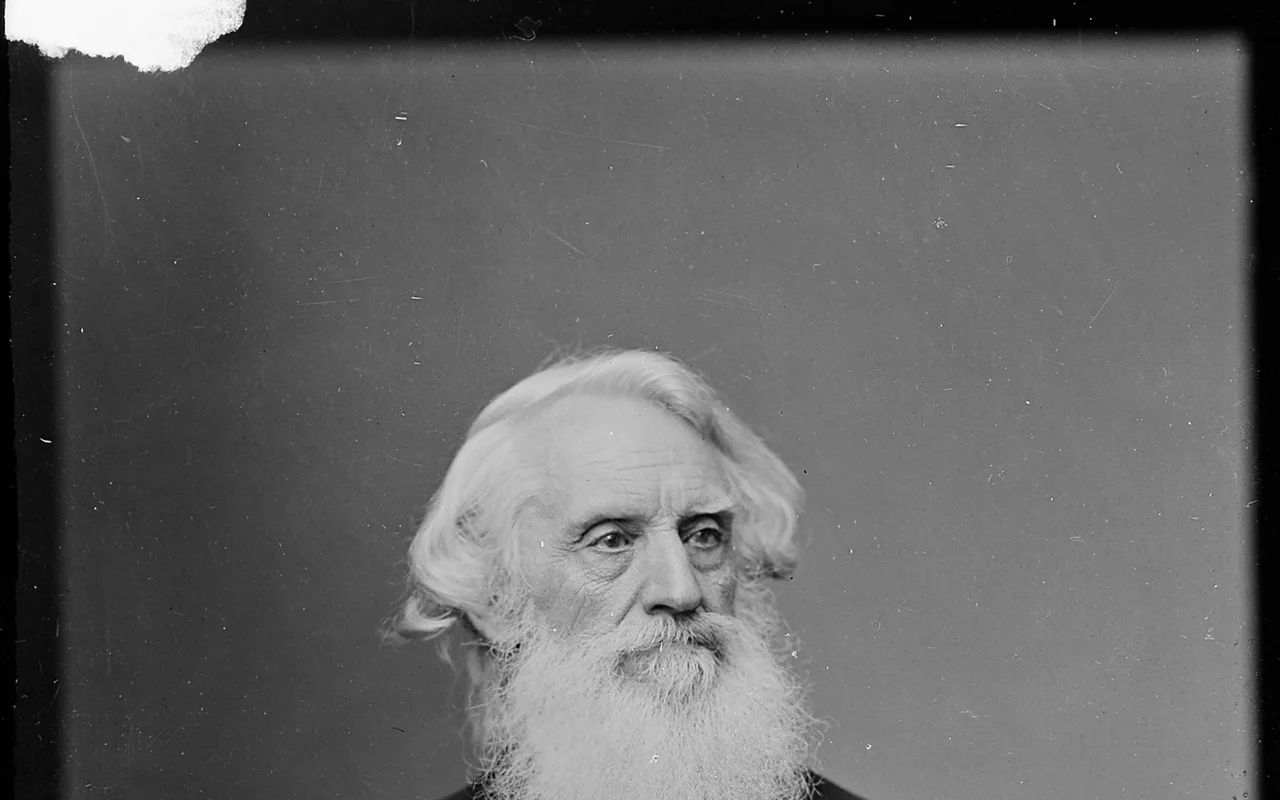
Samuel F.B. Morse, inventor of the telegraph - NARA - 526779.jpg

1837–1901 CE · selected signal and recording milestones · Global · Technology

Electrical communication and recording

Selected telegraphy, telephony, sound-recording and radio milestones show distinct technologies becoming systems for rapid communication, coordination and mass media through infrastructure and operator labour.

Atlas dossier · Industrial & Imperial Age

Free device narration · synchronized English captions · transcript available

Why it matters

These inventions compressed distance, transformed news and business, and laid groundwork for later electronic networks.

Date
1837–1901 CE · selected signal and recording milestones
Historical setting
Industrial & Imperial Age · Global
People & communities
Samuel Morse · Alexander Graham Bell · inventors · operators · listeners
Four technologies, not one invention

The 1837–1901 range selects milestones in telegraphy, telephony, recorded sound and radio. These systems used different devices, standards and infrastructures, and priority claims remain contested. A named inventor never replaces the operators, engineers, manufacturers and users who made a network work.

Science Museum: communication histories

Faster signals changed power

Electrical networks accelerated news, finance, railway coordination and emergency communication. They also strengthened military command, imperial administration, surveillance and market advantage. Cables and stations depended on labour, capital and territorial access rather than collapsing distance by technology alone.

Smithsonian communication collections

Illustrated sequence

A visual presentation accompanying this entry. Read each image’s attribution to distinguish archival records, later depictions and reconstructions.

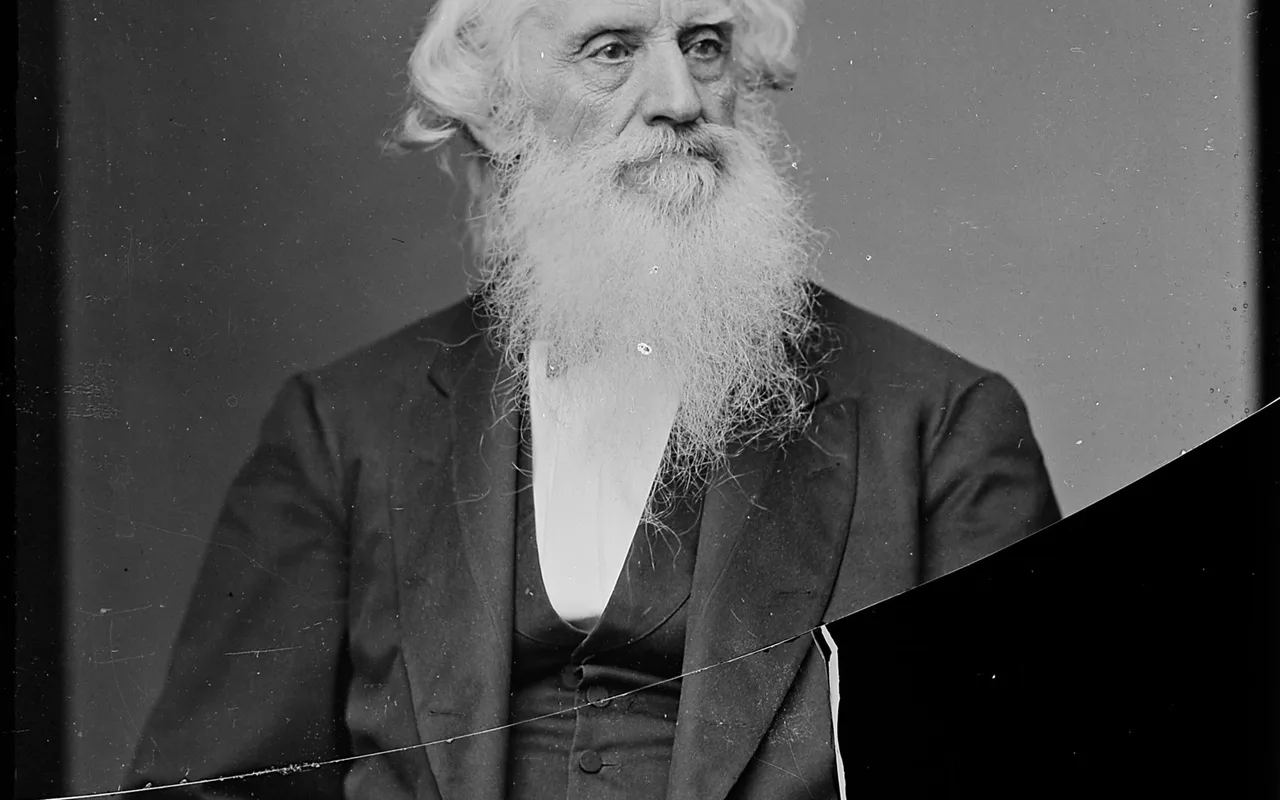
Samuel F.B. Morse, inventor of the telegraph - NARA - 526779.jpg
IMAGE 1

Visual record

Rights-cleared archival or official image · Public domain

Samuel F.B. Morse, inventor of the telegraph - NARA - 526779.jpg — Mathew Benjamin Brady; Public domain; via Wikimedia Commons

Source and reuse terms ↗

Interpretation note

Evidence, memory and historical debate

This dossier distinguishes the event’s basic chronology from later arguments about meaning, responsibility and legacy. When comparing religious, national, Indigenous or scholarly interpretations, consult the primary and institutional sources above alongside peer-reviewed historical work.

Elsewhere in the world

Parallel histories near this moment

1838–1906 CE · selected cell, physiology and neuron milestones · EuropeCell theory, neurons and modern physiology

Microscopy, cell theory, experimental physiology and competing work on nervous tissue gradually recast living bodies as organized systems of cells, organs, signals and chemical processes.

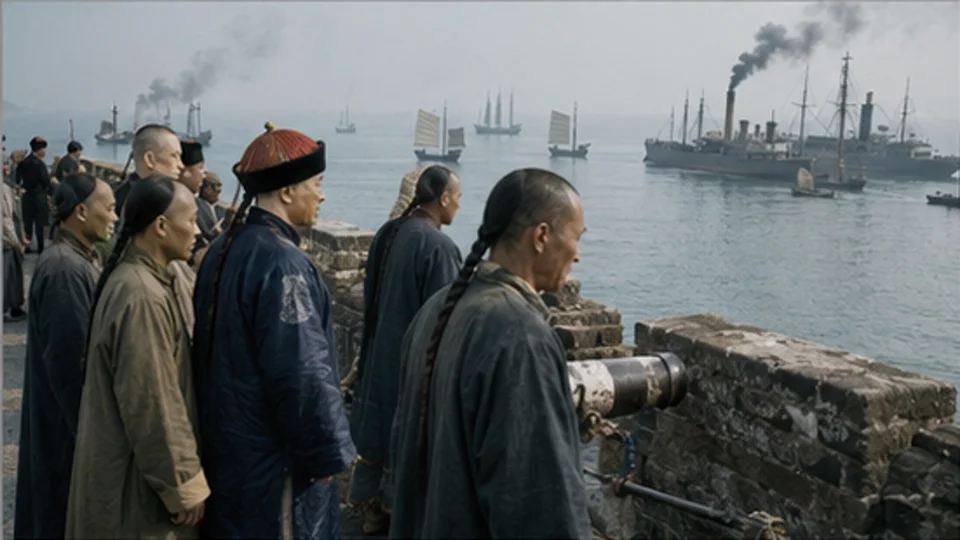
1839–1842 and 1856–1860 CE · two imperial wars · AsiaOpium Wars

Britain fought Qing China in 1839–1842; Britain and France fought the second war in 1856–1860. Opium commerce, diplomatic conflict and military coercion produced unequal treaties and expanded treaty-port access.

1846–1848 CE · war, treaty and territorial transfer · AmericasMexican–American War

War after the U.S. annexation of Texas and a disputed border ended in the Treaty of Guadalupe Hidalgo, which transferred extensive Mexican territory to the United States without making Indigenous nations parties to the settlement.