ATLAS / ANCIENT—PRESENT
All historyHow Atlas is sourced← Back to Atlas
Back to Atlas timeline
Mexican–American War — original Atlas editorial reconstruction

1846–1848 CE · war, treaty and territorial transfer · Americas · War

Mexican–American War

War after the U.S. annexation of Texas and a disputed border ended in the Treaty of Guadalupe Hidalgo, which transferred extensive Mexican territory to the United States without making Indigenous nations parties to the settlement.

Atlas dossier · Industrial & Imperial Age

Free device narration · synchronized English captions · transcript available

Why it matters

The conflict fulfilled a major phase of U.S. expansion while intensifying disputes over slavery and transforming Mexican and Indigenous lands.

Date
1846–1848 CE · war, treaty and territorial transfer
Historical setting
Industrial & Imperial Age · Americas
People & communities
Mexican and U.S. soldiers · civilians · Indigenous nations · Polk · Santa Anna
Annexation, disputed border and war

The United States annexed Texas in 1845 while Mexico rejected both the annexation and the U.S. claim that the Rio Grande was the boundary. Fighting began in the disputed borderlands in 1846. This context matters when reading official declarations that presented the war as a response to attack.

Library of Congress: Mexican–American War collection

A treaty did not settle every claim

The 1848 Treaty of Guadalupe Hidalgo ended the interstate war and transferred extensive territory. Its promises to Mexican residents were implemented unevenly. Indigenous nations whose lands were mapped into the cession were not treaty parties, so territorial transfer did not extinguish their sovereignty or histories.

U.S. National Archives: Treaty of Guadalupe Hidalgo

Illustrated sequence

Silent pan-and-zoom motion derivative of the Mexican–American War reconstruction; not archival footage.

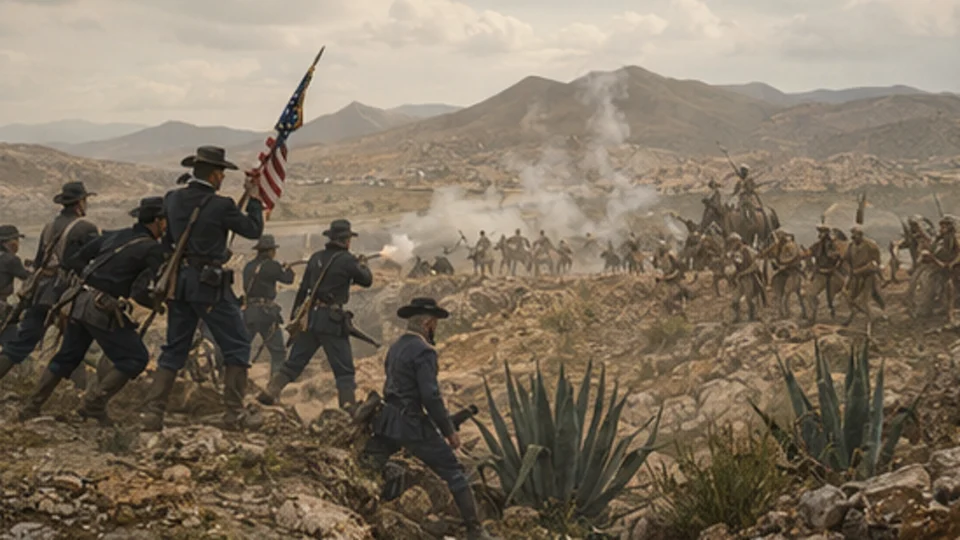
Mexican–American War — original Atlas editorial reconstruction
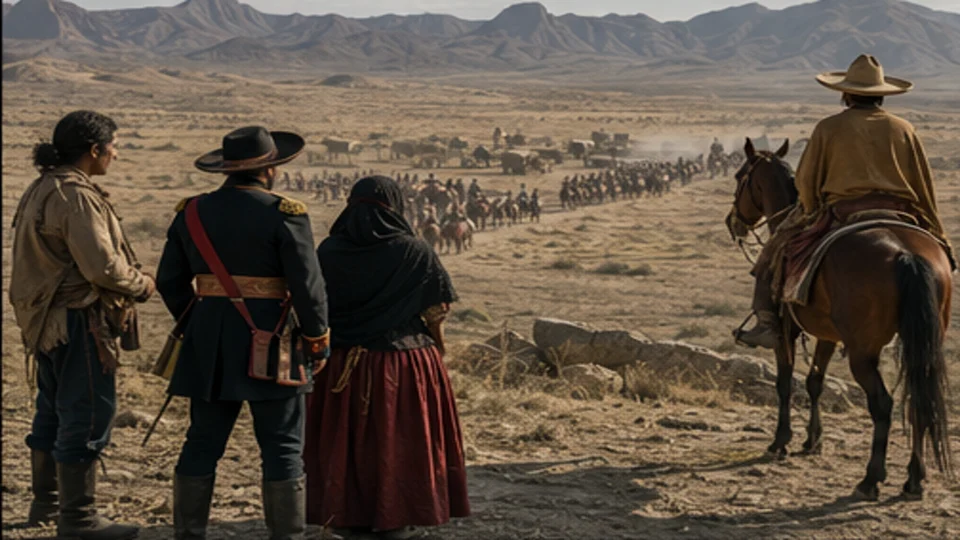
IMAGE 1

Original Atlas reconstruction

Primary Atlas editorial reconstruction for Mexican–American War.

World History in Pictures · Public site artwork. This record does not grant third-party republication rights.

How Atlas classifies this artwork →
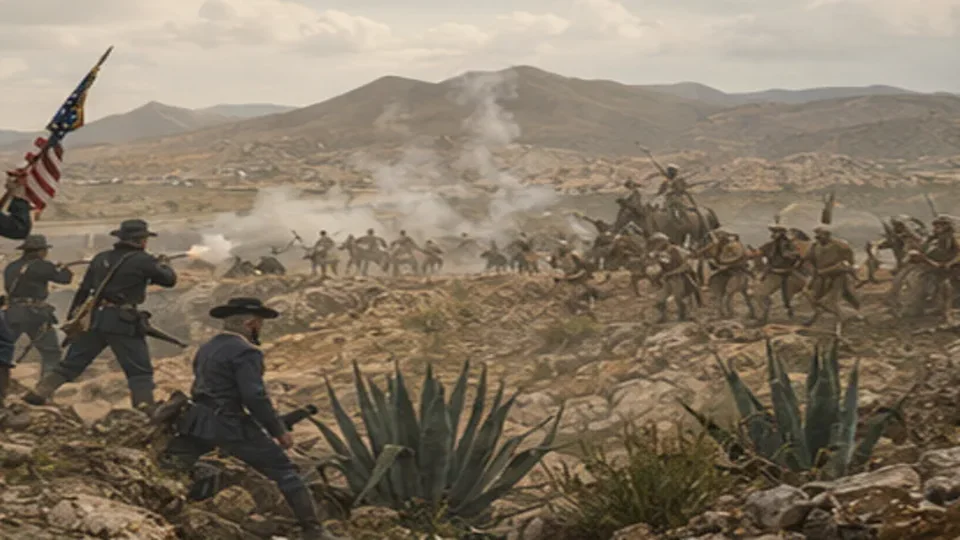
Mexican–American War: people and action
IMAGE 2

Supporting Atlas reconstruction

Supporting Atlas reconstruction within the same Mexican–American War editorial package; not an independent archival record.

World History in Pictures · Same editorial artwork package

How Atlas classifies this artwork →
Mexican–American War: setting and consequences
IMAGE 3

Context crop — same artwork

Context crop from the same Mexican–American War reconstruction; not an independent historical record.

World History in Pictures · Same editorial artwork package

How Atlas classifies this artwork →

Interpretation note

Evidence, memory and historical debate

This dossier distinguishes the event’s basic chronology from later arguments about meaning, responsibility and legacy. When comparing religious, national, Indigenous or scholarly interpretations, consult the primary and institutional sources above alongside peer-reviewed historical work.

Elsewhere in the world

Parallel histories near this moment

1846–1885 CE · GlobalAnesthesia, germ theory and public health

Anesthesia made new forms of surgery possible while germ theory, antisepsis, vaccination and sanitation changed how communities explained and prevented disease.

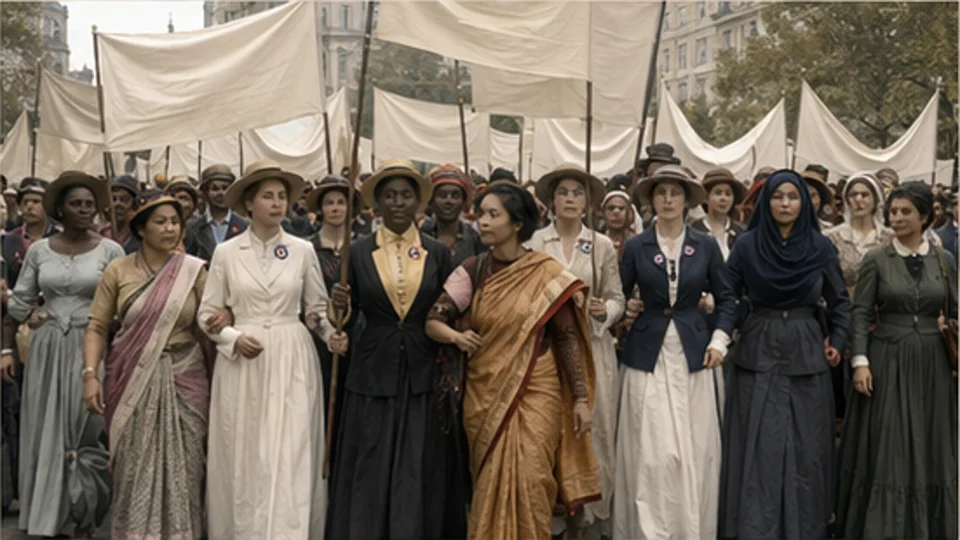
1848–1920 CE · selected U.S. and British movement milestones · GlobalWomen’s rights and suffrage movements

This selected U.S. and British survey follows conventions, petitions, publications and civil disobedience for legal personhood, property rights and the vote; suffrage chronologies differed worldwide.

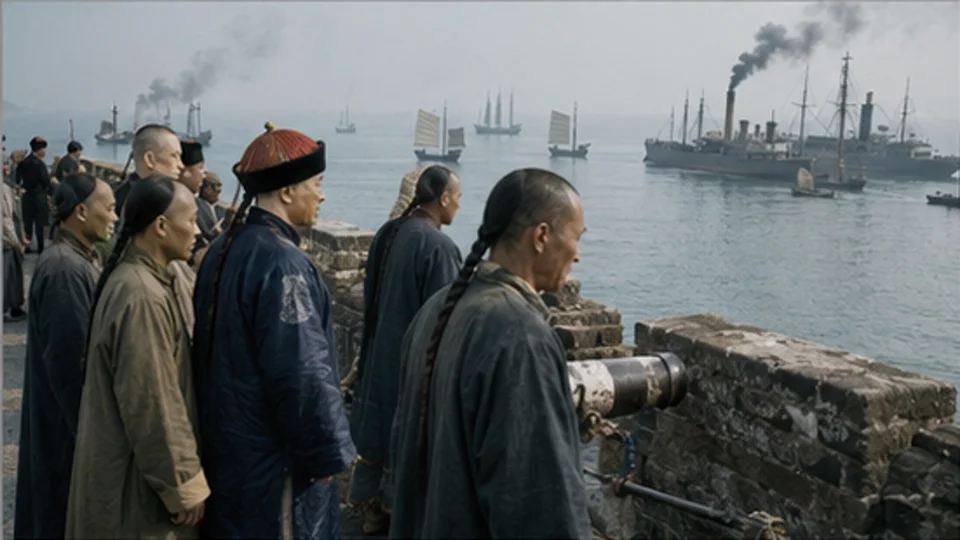
1839–1842 and 1856–1860 CE · two imperial wars · AsiaOpium Wars

Britain fought Qing China in 1839–1842; Britain and France fought the second war in 1856–1860. Opium commerce, diplomatic conflict and military coercion produced unequal treaties and expanded treaty-port access.

Explore the connections

The Mexican Revolution: land, power and competing programmes