ATLAS / ANCIENT—PRESENT
All historyHow Atlas is sourced← Back to Atlas
Back to Atlas timeline
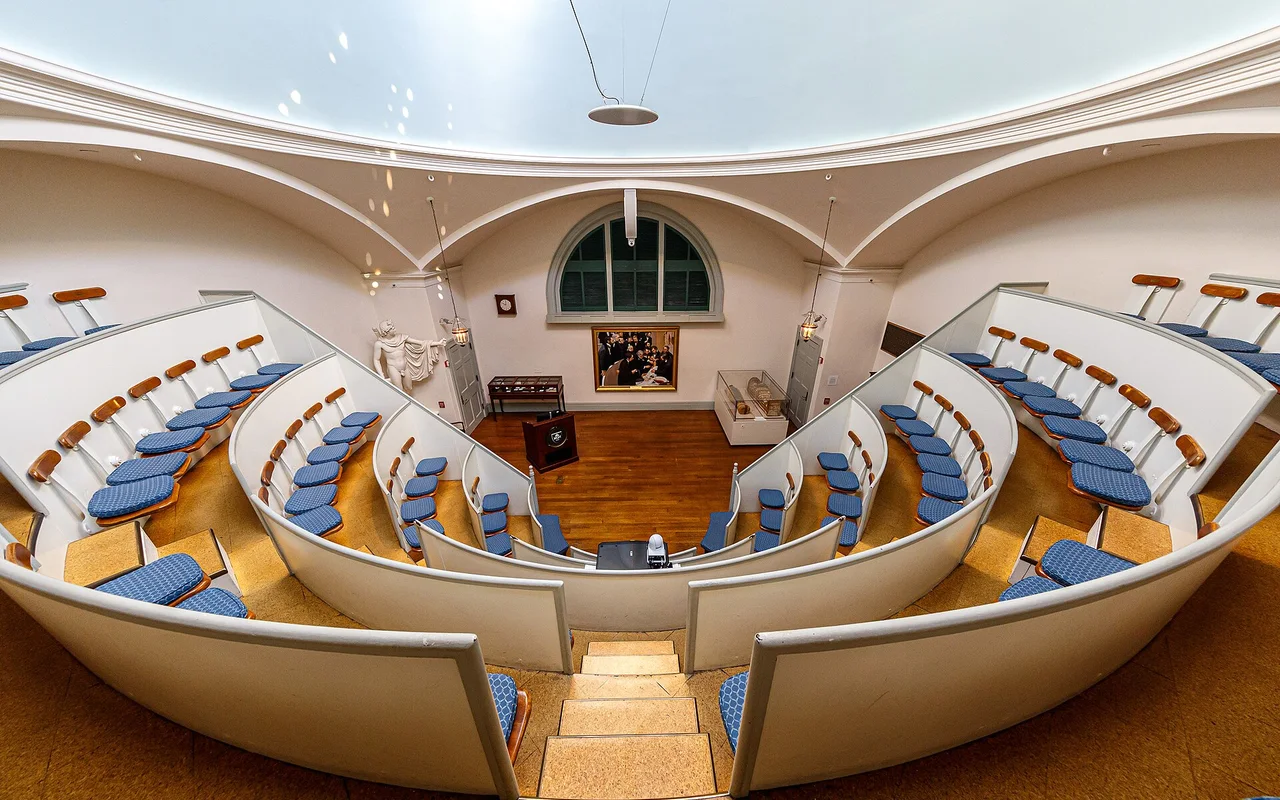
Inside the Ether Dome at Massachusetts General Hospital.jpg

1846–1885 CE · Global · Medicine

Anesthesia, germ theory and public health

Anesthesia made new forms of surgery possible while germ theory, antisepsis, vaccination and sanitation changed how communities explained and prevented disease.

Atlas dossier · Industrial & Imperial Age

Free device narration · synchronized English captions · transcript available

Why it matters

Modern medicine increasingly joined clinical care to laboratories, water systems, public institutions and unequal access to health.

Date
1846–1885 CE
Historical setting
Industrial & Imperial Age · Global
People & communities
Crawford Long · William T. G. Morton · Joseph Lister · Louis Pasteur · Robert Koch · public-health workers
A public demonstration in Boston

The opening date marks Morton’s public ether demonstration at Massachusetts General Hospital on 16 October 1846, during an operation by John Collins Warren. It is a milestone in dissemination, not a claim that all anesthesia began that day.

University of Texas Medical Branch: William T. G. Morton

Pain relief and infection prevention

Anesthesia and antisepsis addressed different obstacles. Patients could survive an operation yet die from infection. Lister’s work in the 1860s applied ideas about microorganisms to surgical practice, developing procedures intended to reduce infection.

Royal College of Surgeons: Lister in the archives

Why the timeline ends in 1885

The endpoint marks the rabies vaccination of Joseph Meister after a dog bite in July 1885. Pasteur worked with medical collaborators, including Jacques Joseph Grancher. This was a specific milestone in rabies prevention, not the beginning of vaccination as a whole.

Institut Pasteur: the 1885 rabies vaccination

Illustrated sequence

A visual presentation accompanying this entry. Read each image’s attribution to distinguish archival records, later depictions and reconstructions.

Interpretation note

Evidence, memory and historical debate

This dossier distinguishes the event’s basic chronology from later arguments about meaning, responsibility and legacy. When comparing religious, national, Indigenous or scholarly interpretations, consult the primary and institutional sources above alongside peer-reviewed historical work.

Elsewhere in the world

Parallel histories near this moment

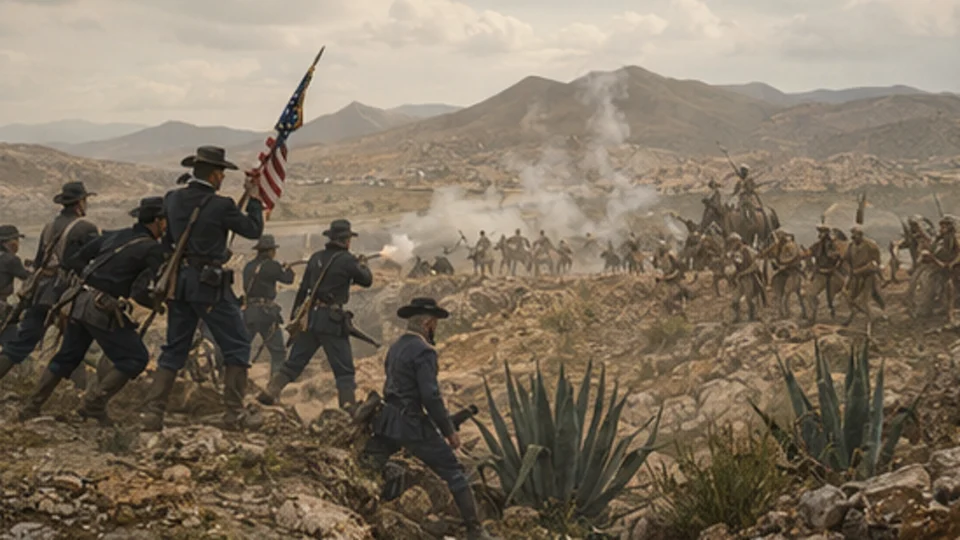
1846–1848 CE · war, treaty and territorial transfer · AmericasMexican–American War

War after the U.S. annexation of Texas and a disputed border ended in the Treaty of Guadalupe Hidalgo, which transferred extensive Mexican territory to the United States without making Indigenous nations parties to the settlement.

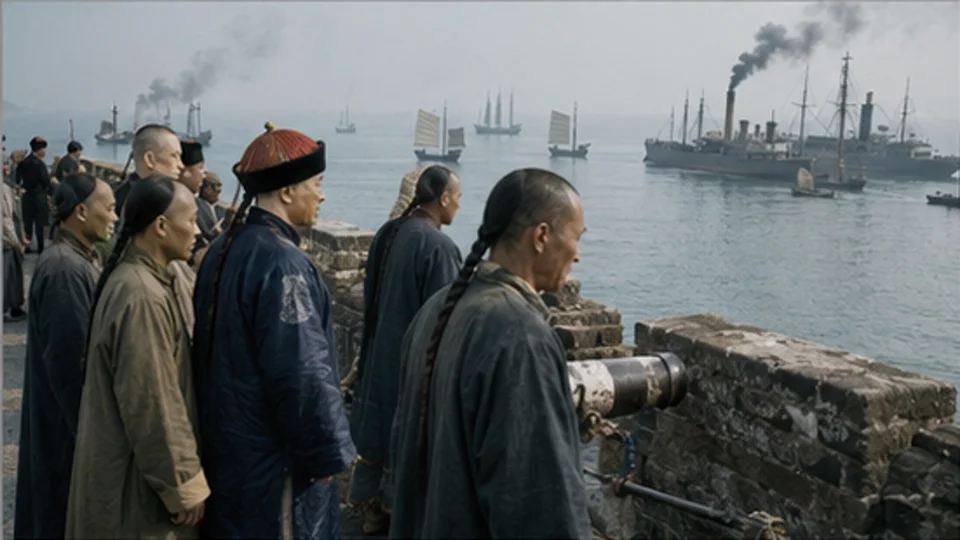
1839–1842 and 1856–1860 CE · two imperial wars · AsiaOpium Wars

Britain fought Qing China in 1839–1842; Britain and France fought the second war in 1856–1860. Opium commerce, diplomatic conflict and military coercion produced unequal treaties and expanded treaty-port access.

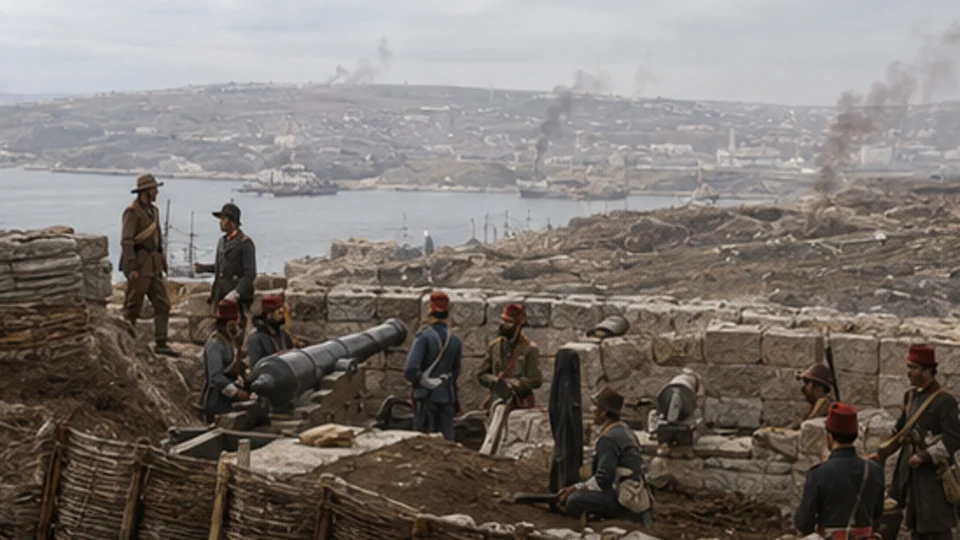
1853–1856 CE · Black Sea and wider coalition war · EuropeCrimean War

Russia fought an alliance of the Ottoman Empire, Britain, France and Sardinia-Piedmont, chiefly around the Black Sea and Crimea.

Explore the connections

London’s sanitation: waste, water and public works