ATLAS / ANCIENT—PRESENT
All historyHow Atlas is sourced← Back to Atlas
Back to Atlas timeline
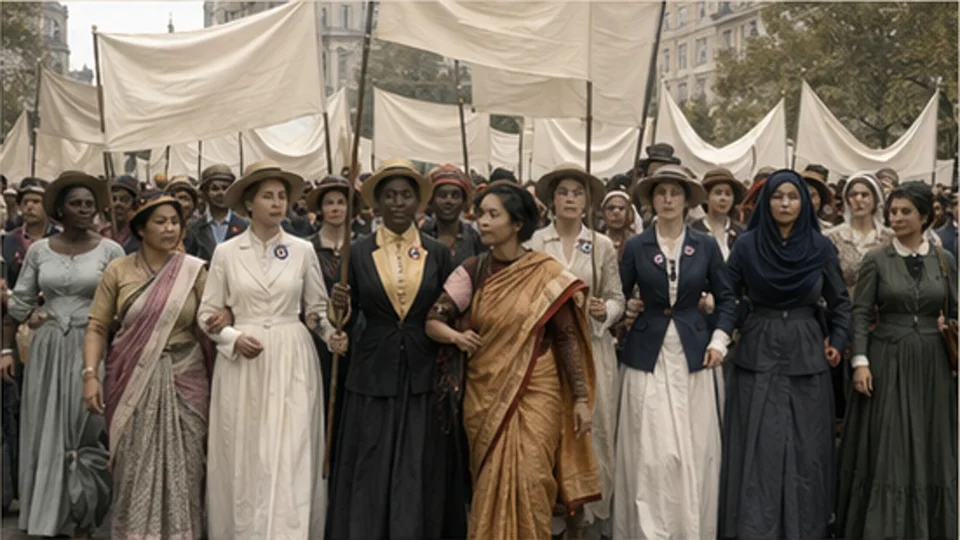
Women’s rights and suffrage movements — original Atlas editorial reconstruction

1848–1920 CE · selected U.S. and British movement milestones · Global · Rights

Women’s rights and suffrage movements

This selected U.S. and British survey follows conventions, petitions, publications and civil disobedience for legal personhood, property rights and the vote; suffrage chronologies differed worldwide.

Atlas dossier · Industrial & Imperial Age

Free device narration · synchronized English captions · transcript available

Why it matters

Suffrage changed citizenship while revealing differences of race, class, empire and strategy within reform movements.

Date
1848–1920 CE · selected U.S. and British movement milestones
Historical setting
Industrial & Imperial Age · Global
People & communities
Sojourner Truth · Susan B. Anthony · Emmeline Pankhurst · global organizers

A selected survey, not a global suffrage clock

The 1848 opening and 1920 endpoint foreground U.S. and British movement milestones. Women organised for legal and political rights in many places on different timelines; New Zealand extended parliamentary voting rights to women in 1893, while exclusions and colonial conditions varied. The range does not represent universal enfranchisement.

U.S. National Archives: Nineteenth Amendment ↗

Women did not form one political bloc

Movements differed over race, class, empire, labour and strategy. Black women and colonised women often confronted exclusion within reform organisations as well as state discrimination. Winning a formal vote did not by itself secure equal citizenship, safety or economic power.

Library of Congress: women’s suffrage collection ↗

Illustrated sequence

Silent pan-and-zoom motion derivative of the Women’s rights and suffrage movements reconstruction; not archival footage.

Interpretation note

Evidence, memory and historical debate

This dossier distinguishes the event’s basic chronology from later arguments about meaning, responsibility and legacy. When comparing religious, national, Indigenous or scholarly interpretations, consult the primary and institutional sources above alongside peer-reviewed historical work.

Elsewhere in the world

Parallel histories near this moment

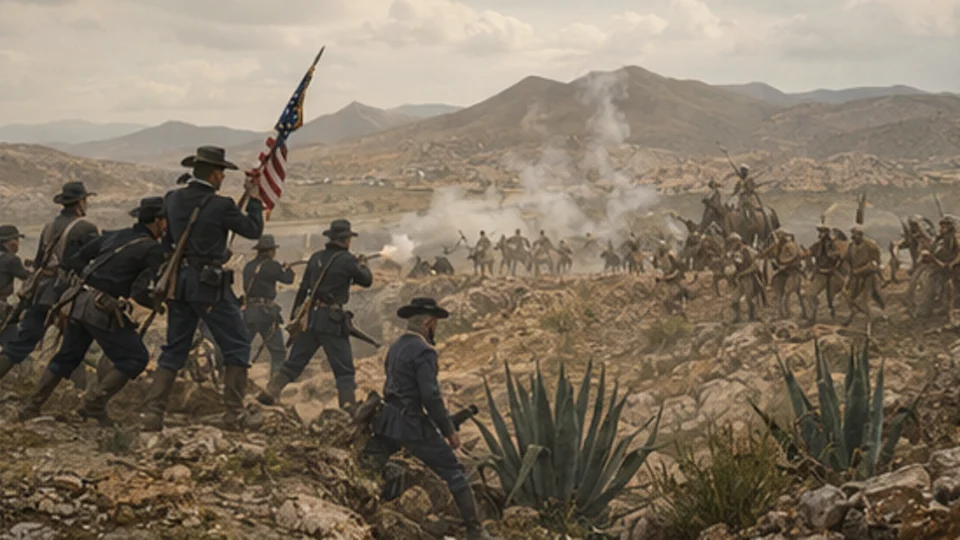
1846–1848 CE · war, treaty and territorial transfer · AmericasMexican–American War

War after the U.S. annexation of Texas and a disputed border ended in the Treaty of Guadalupe Hidalgo, which transferred extensive Mexican territory to the United States without making Indigenous nations parties to the settlement.

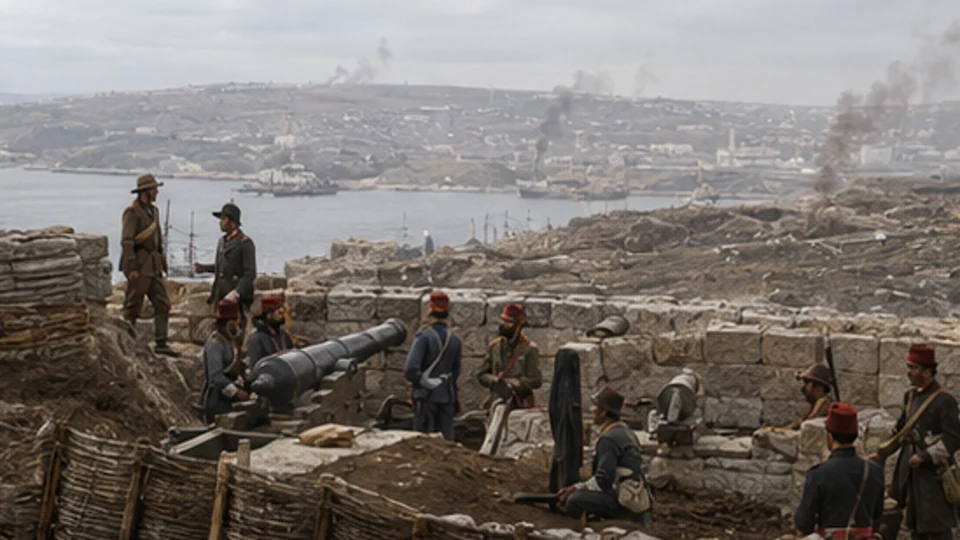
1853–1856 CE · Black Sea and wider coalition war · EuropeCrimean War

Russia fought an alliance of the Ottoman Empire, Britain, France and Sardinia-Piedmont, chiefly around the Black Sea and Crimea.

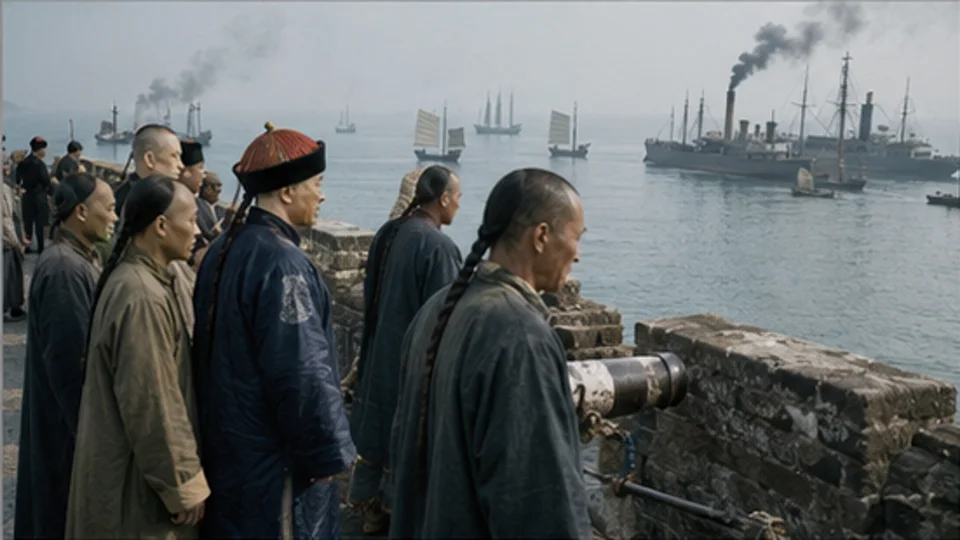
1839–1842 and 1856–1860 CE · two imperial wars · AsiaOpium Wars

Britain fought Qing China in 1839–1842; Britain and France fought the second war in 1856–1860. Opium commerce, diplomatic conflict and military coercion produced unequal treaties and expanded treaty-port access.

Explore the connections

Australia’s 1967 referendum and First Nations rights →

Norway: constitution, union and the expansion of democracy →

Finland: votes for women, independence and a contested republic →