ATLAS / ANCIENT—PRESENT
All historyHow Atlas is sourced← Back to Atlas
Back to Atlas timeline
Manifest Destiny and Indigenous wars — original Atlas editorial reconstruction

1803–1890 CE · selected U.S. expansion milestones · Americas · Empire

Manifest Destiny and Indigenous wars

U.S. settlement expanded westward through purchase, annexation, forced removal, broken treaties, warfare and the destruction of Indigenous food systems.

Atlas dossier · Industrial & Imperial Age

Free device narration · synchronized English captions · transcript available

Why it matters

Continental expansion built the modern United States while dispossessing Native nations and extending conflicts over slavery, citizenship and land; the 1890 endpoint does not end Native sovereignty or resistance.

Date
1803–1890 CE · selected U.S. expansion milestones
Historical setting
Industrial & Imperial Age · Americas
People & communities
Indigenous nations · settlers · U.S. troops · displaced families · Native resisters and diplomats
A survey of expansion, not a settled frontier

The 1803–1890 range selects milestones in U.S. territorial growth, forced removal, warfare and reservation policy. Wounded Knee in 1890 is not an endpoint for Native nations, sovereignty or resistance. Treaties remain records of government-to-government relations as well as repeated violations.

U.S. National Archives: American Indian Treaties

Native nations are political actors

The phrase Manifest Destiny describes a U.S. expansionist ideology, not an inevitable process. Native nations negotiated, adapted and resisted under unequal conditions, and they remain living sovereign communities. Museum-led Native knowledge must therefore sit inside the account, not as an afterthought.

National Museum of the American Indian: Native Knowledge 360°

Illustrated sequence

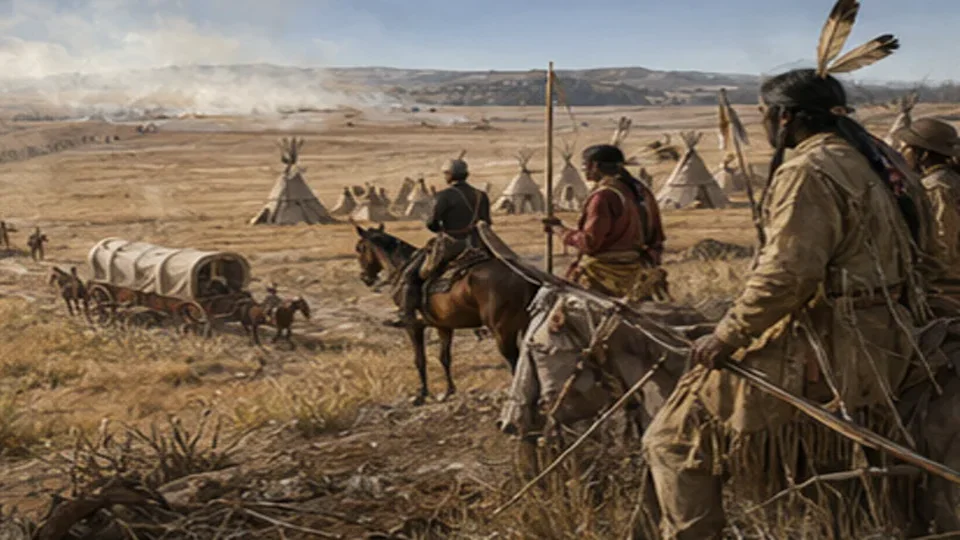
Silent pan-and-zoom motion derivative of the Manifest Destiny and Indigenous wars reconstruction; not archival footage.

Manifest Destiny and Indigenous wars — original Atlas editorial reconstruction
IMAGE 1

Original Atlas reconstruction

Primary Atlas editorial reconstruction for Manifest Destiny and Indigenous wars.

World History in Pictures · Public site artwork. This record does not grant third-party republication rights.

How Atlas classifies this artwork →
Manifest Destiny and Indigenous wars: people and action
IMAGE 2

Supporting Atlas reconstruction

Supporting Atlas reconstruction within the same Manifest Destiny and Indigenous wars editorial package; not an independent archival record.

World History in Pictures · Same editorial artwork package

How Atlas classifies this artwork →
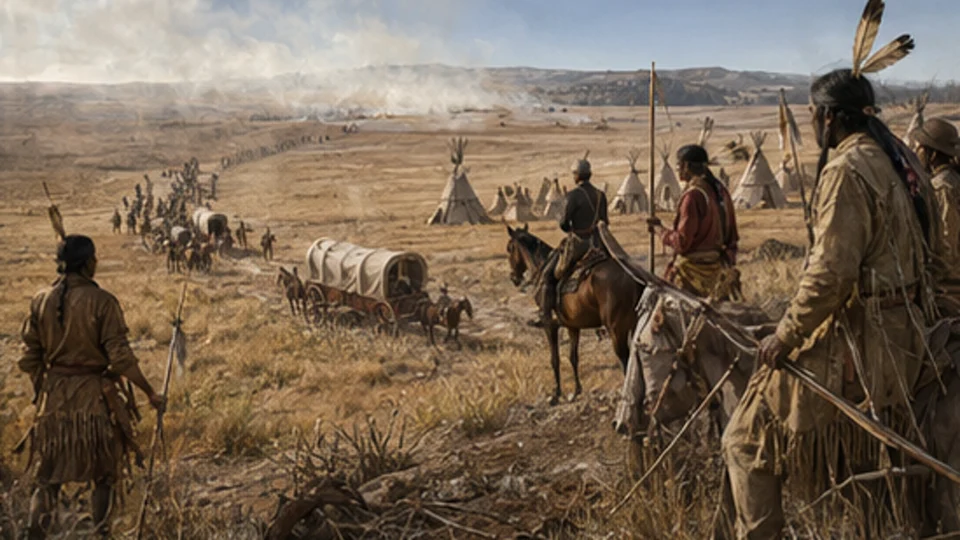
Manifest Destiny and Indigenous wars: setting and consequences
IMAGE 3

Context crop — same artwork

Context crop from the same Manifest Destiny and Indigenous wars reconstruction; not an independent historical record.

World History in Pictures · Same editorial artwork package

How Atlas classifies this artwork →

Interpretation note

Evidence, memory and historical debate

This dossier distinguishes the event’s basic chronology from later arguments about meaning, responsibility and legacy. When comparing religious, national, Indigenous or scholarly interpretations, consult the primary and institutional sources above alongside peer-reviewed historical work.

Elsewhere in the world

Parallel histories near this moment

1804–1869 CE · selected locomotive, steamship and railway milestones · GlobalRailways, steamships and networked transport

Selected locomotive, railway and steamship milestones trace how transport became faster and more regular, while older sail, road and river systems continued and regional timelines differed.

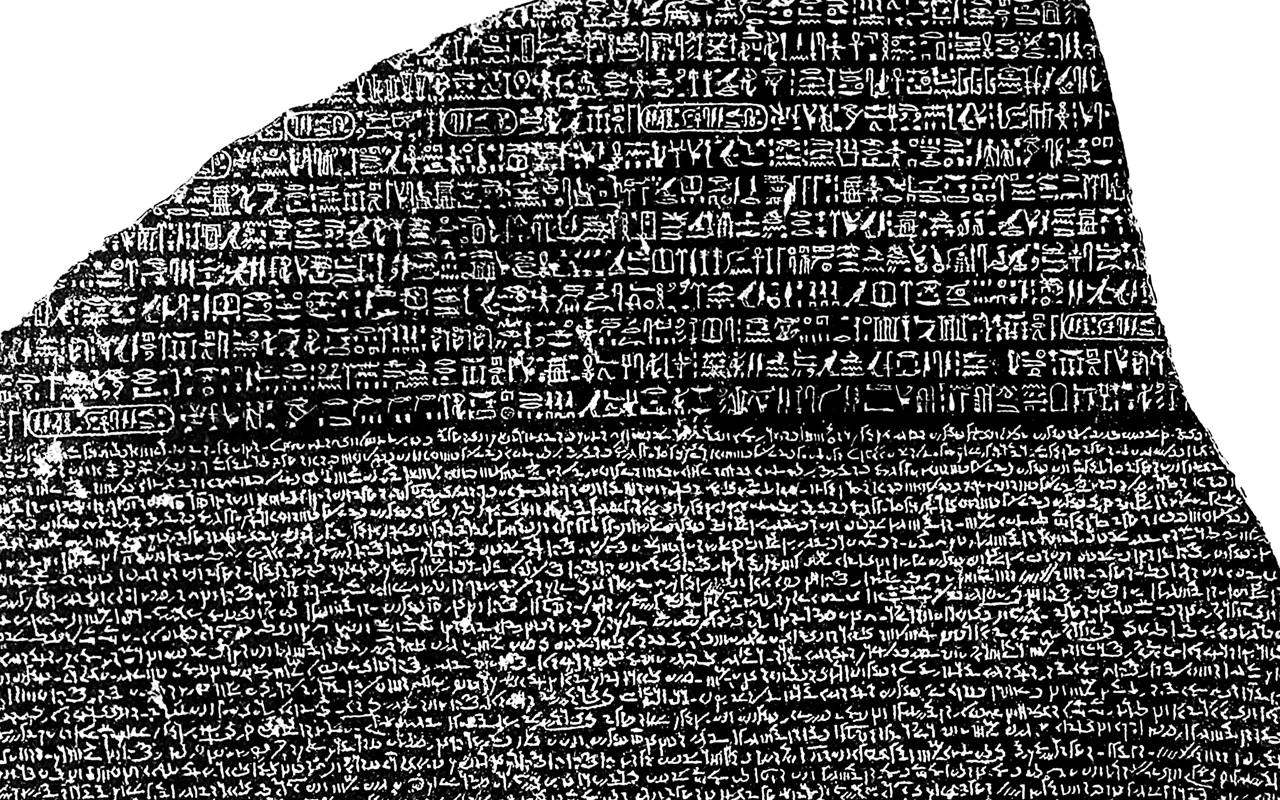
1799–1822 CE · discovery and decipherment milestones · AfricaThe Rosetta Stone unlocks hieroglyphs

French soldiers found the trilingual Rosetta Stone at Rashid in 1799. British forces took it in 1801; in 1822 Jean-François Champollion announced a decisive advance built on Thomas Young’s work and earlier scholarship.

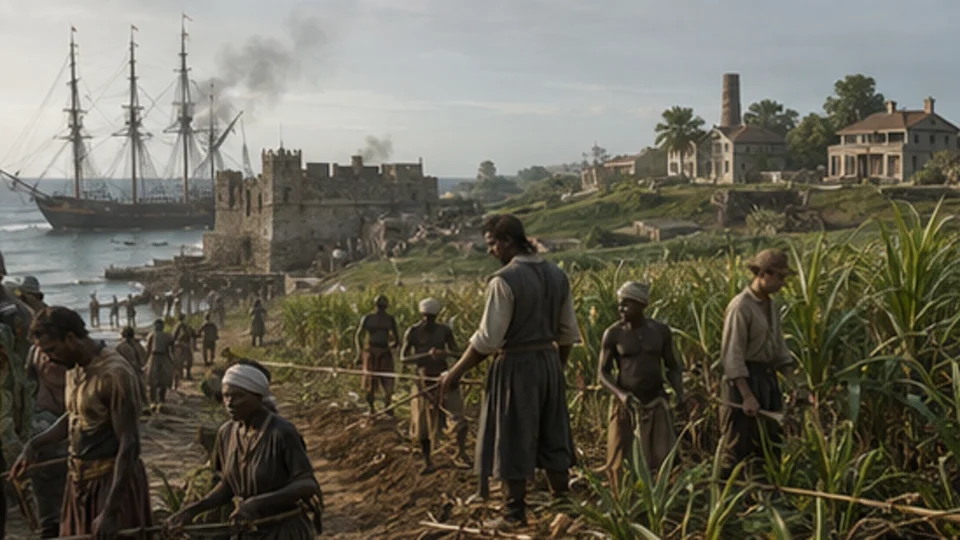
1807–c. 1960 CE · uneven continental survey · AfricaFrom abolition to colonial conquest

Across different African regions, uneven abolition measures, African political choices, changing commerce and European naval coercion preceded—but did not mechanically cause—later territorial conquest and colonial rule.