ATLAS / 1000 BC—PRESENT
How Atlas is sourced← Back to Atlas
Back to Atlas timeline

1804–1826 · Americas · Rights

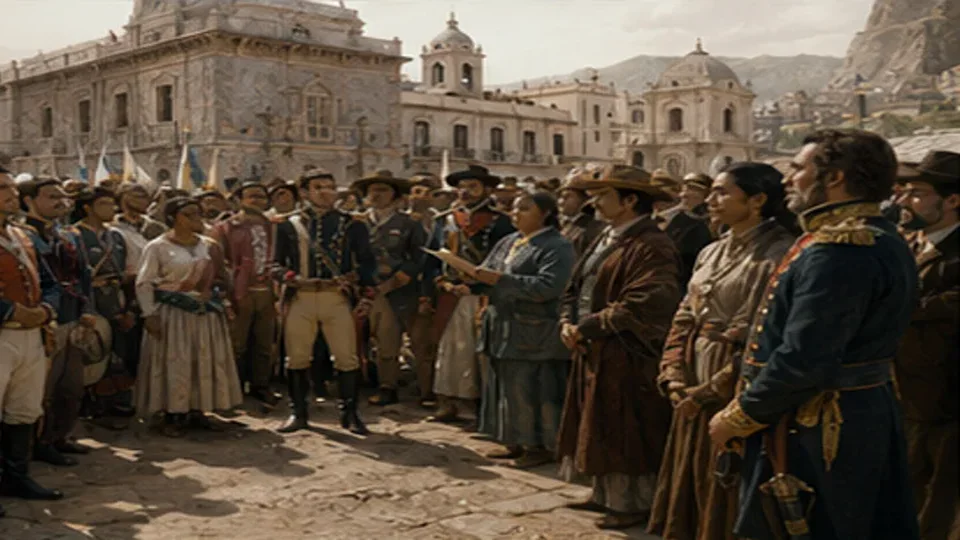
Latin American independence

Revolutions and wars ended most Iberian colonial rule in mainland Latin America, creating new republics amid disputes over citizenship, race, land and regional power.

Atlas dossier · Industrial & Imperial Age

Free device narration · synchronized English captions · transcript available

Why it matters

Independence transformed the Atlantic order without automatically ending social inequality or foreign economic pressure.

Date
1804–1826
Historical setting
Industrial & Imperial Age · Americas
People & communities
Simón Bolívar · José de San Martín · Indigenous, Black and mixed-race soldiers · local communities
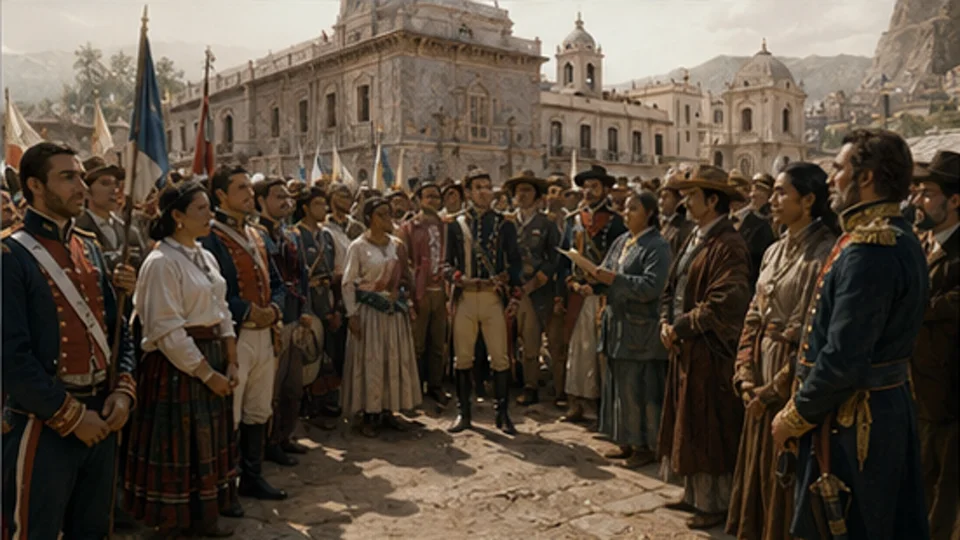
01

Event

Revolutions and wars ended most Iberian colonial rule in mainland Latin America, creating new republics amid disputes over citizenship, race, land and regional power.

02

People

Simón Bolívar · José de San Martín · Indigenous, Black and mixed-race soldiers · local communities

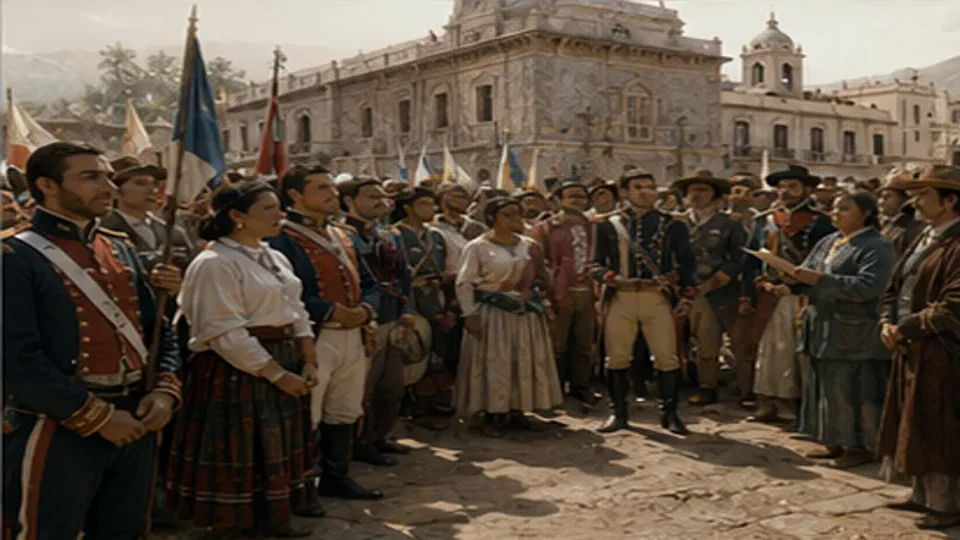
03

Consequences

Independence transformed the Atlantic order without automatically ending social inequality or foreign economic pressure.

Interpretation note

Evidence, memory and historical debate

This dossier distinguishes the event’s basic chronology from later arguments about meaning, responsibility and legacy. When comparing religious, national, Indigenous or scholarly interpretations, consult the primary and institutional sources above alongside peer-reviewed historical work.

Elsewhere in the world

Parallel histories near this moment

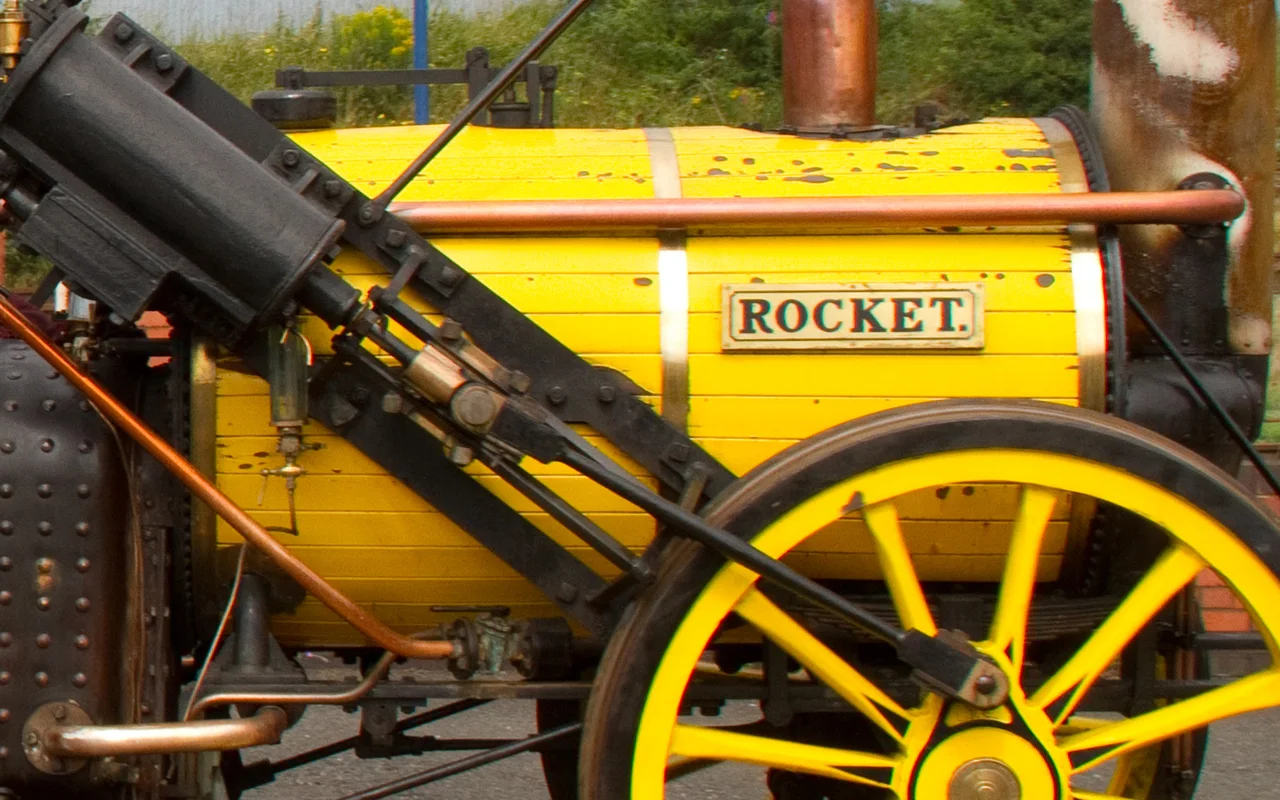
1804–1869 · GlobalRailways, steamships and networked transport

Railways and steamships made the movement of people, raw materials, food, mail and armies faster, more regular and increasingly integrated across continents and oceans.

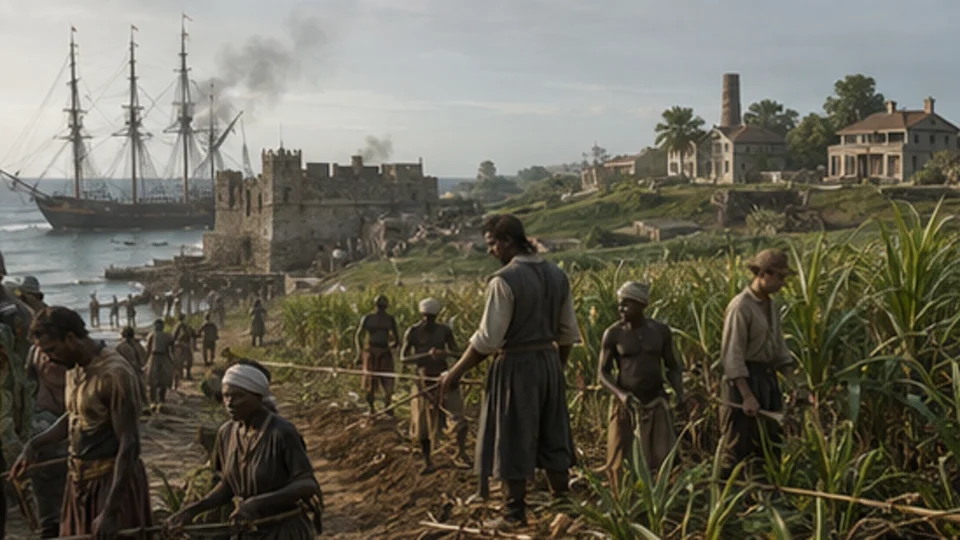
1807–1960 · AfricaFrom abolition to colonial conquest

As legal Atlantic slave trading and slavery were abolished unevenly, European powers redirected commerce, naval coercion and ‘legitimate trade’ into territorial occupation and colonial rule.

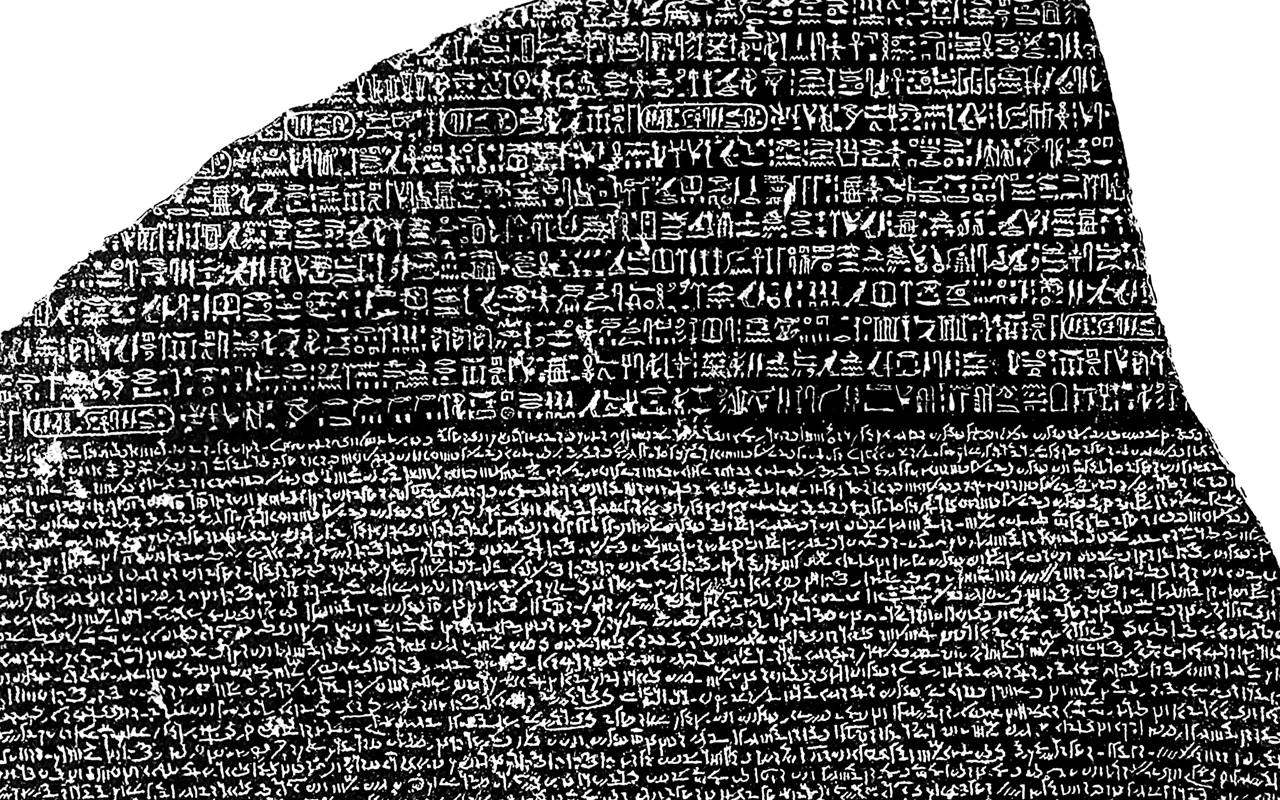
1799–1822 · AfricaThe Rosetta Stone unlocks hieroglyphs

French soldiers found the trilingual Rosetta Stone at Rashid in 1799; in 1822 Jean-François Champollion showed how its Greek, demotic and hieroglyphic texts could unlock ancient Egyptian writing.