ATLAS / ANCIENT—PRESENT
All historyHow Atlas is sourced← Back to Atlas
Back to Atlas timeline
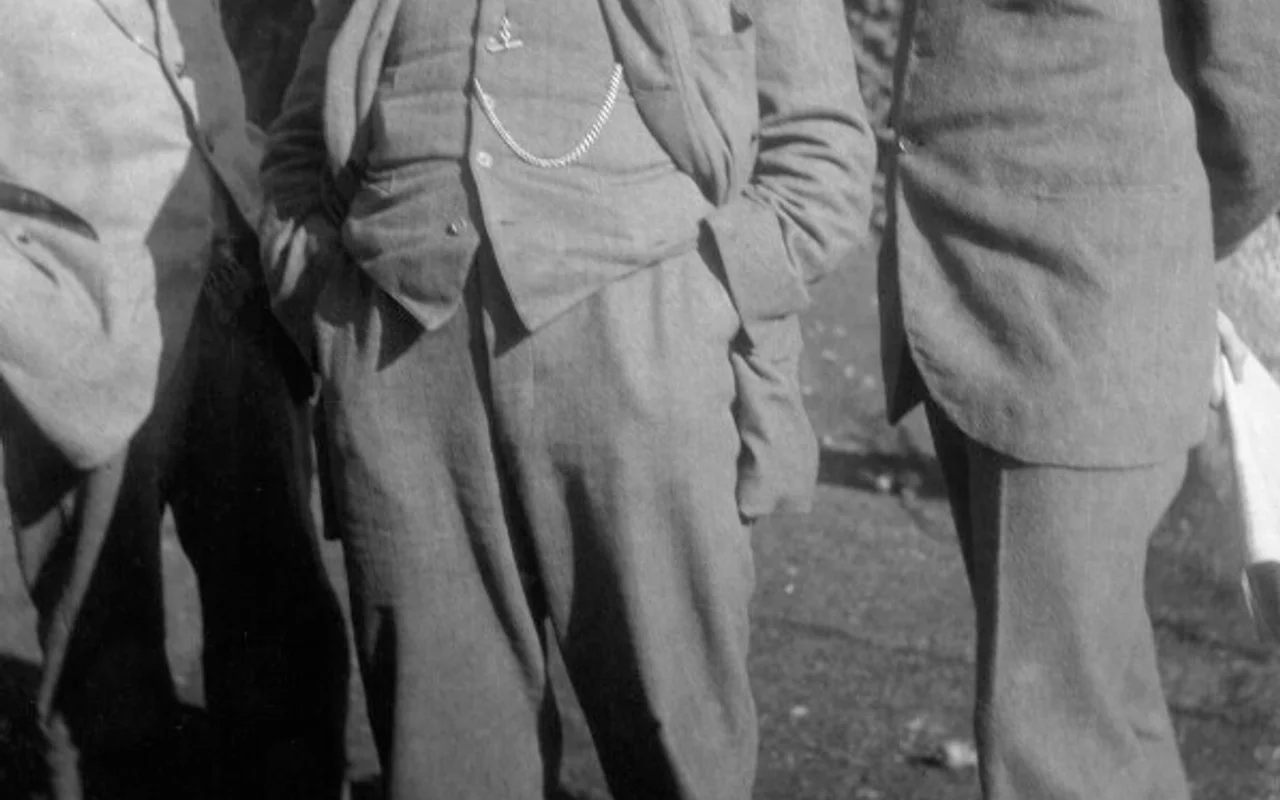
1914 Oliver Strachey, George Edward Moore, John Maynard Keynes mw17626.jpg

1930s–1945 CE · selected theory, measurement and policy milestones · Global · Trade

Macroeconomics, national accounts and welfare states

The Depression and wartime planning accelerated several connected developments: Keynes’s aggregate-demand framework, Kuznets and others’ national-income accounts, and country-specific programmes for employment, social insurance and economic stabilization.

Atlas dossier · World Wars

Free device narration · synchronized English captions · transcript available

Why it matters

National accounts made economies newly legible to states but omitted much unpaid work and treated production as distinct from welfare; neither macroeconomics nor the welfare state began or ended with one 1936 book or one national model.

Date
1930s–1945 CE · selected theory, measurement and policy milestones
Historical setting
World Wars · Global
People & communities
John Maynard Keynes · Simon Kuznets · civil servants · workers · welfare-state advocates
Three institutions, several timelines

Keynes’s 1936 General Theory offered one influential account of aggregate demand; Kuznets and other statisticians developed national-income measurement through different projects; social insurance and welfare institutions had earlier and country-specific histories. Their convergence in depression and wartime government is the subject, not a claim of simultaneous invention.

International Monetary Fund: What is Keynesian economics? ↗

Measurement is useful and selective

National accounts enabled comparison, budgeting and macroeconomic management, but production totals were never identical to social welfare. Unpaid household and care work, distribution, ecological loss and colonial extraction could be obscured. The dossier therefore treats statistics as constructed public tools rather than neutral pictures of an entire society.

Nobel Prize: Simon Kuznets facts ↗

Illustrated sequence

A visual presentation accompanying this entry. Read each image’s attribution to distinguish archival records, later depictions and reconstructions.

1914 Oliver Strachey, George Edward Moore, John Maynard Keynes mw17626.jpgEnlarge and examine the picture

Examine the picture

IMAGE 1

Visual record

Rights-cleared archival or official image · Public domain

1914 Oliver Strachey, George Edward Moore, John Maynard Keynes mw17626.jpg — Ray Strachey, born Rachel Pearsall Conn Costelloe (4 June 1887 London – 16 July 1940); Public domain; via Wikimedia Commons

Source and reuse terms ↗

Interpretation note

Evidence, memory and historical debate

This dossier distinguishes the event’s basic chronology from later arguments about meaning, responsibility and legacy. When comparing religious, national, Indigenous or scholarly interpretations, consult the primary and institutional sources above alongside peer-reviewed historical work.

Elsewhere in the world

Parallel histories near this moment

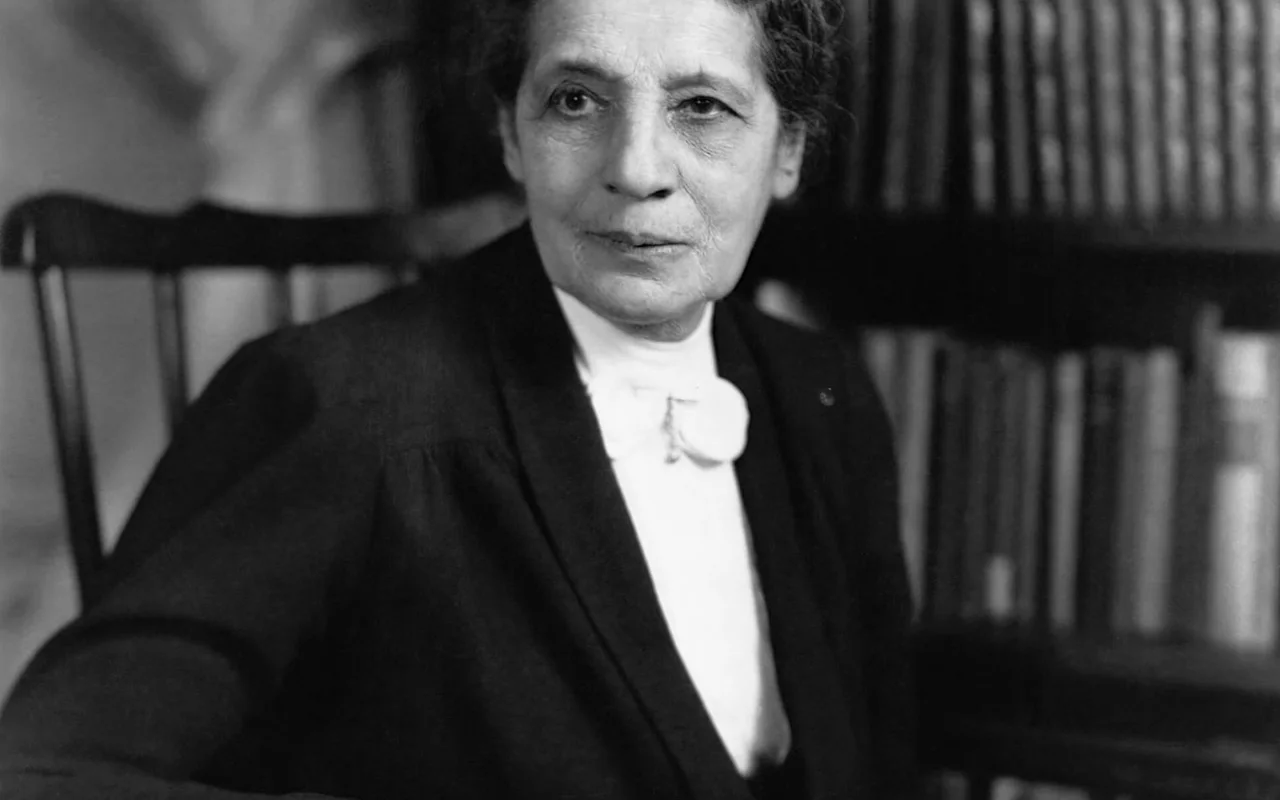
1938–1945 CE · experimental fission, interpretation, chain reaction and atomic war · EuropeNuclear fission and the nuclear age

Hahn and Strassmann’s 1938 experiments produced evidence of uranium fission; Meitner and Frisch supplied the physical interpretation and name. Chain-reaction research then led rapidly to a reactor and the Manhattan Project.

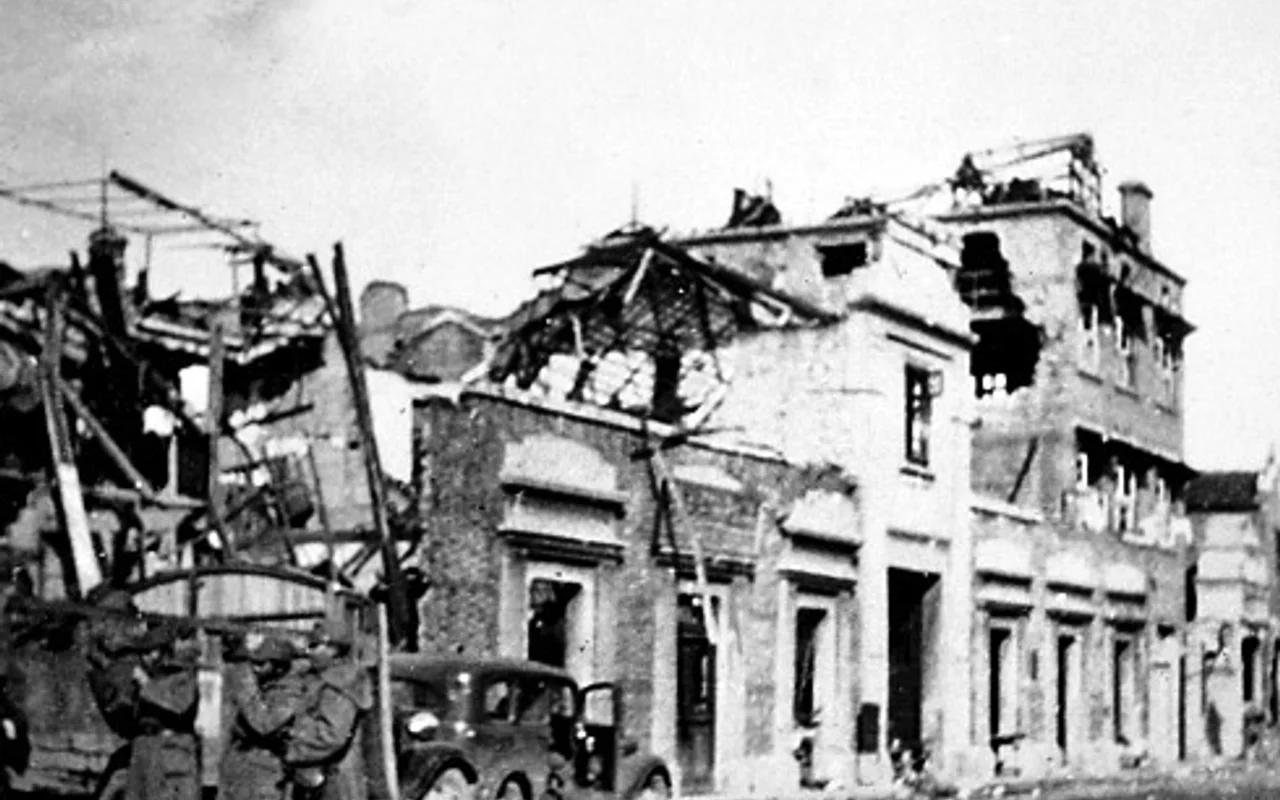
1931–1945 CE · Manchurian seizure, war in China and wider Pacific conflict · AsiaThe Asia-Pacific War and Nanjing

Japan seized Manchuria in 1931; full-scale war with China followed in 1937 and merged with the wider Pacific war after 1941. In late 1937 and early 1938, Japanese forces perpetrated mass killing, sexual violence, looting and terror against civilians and disarmed soldiers in Nanjing.

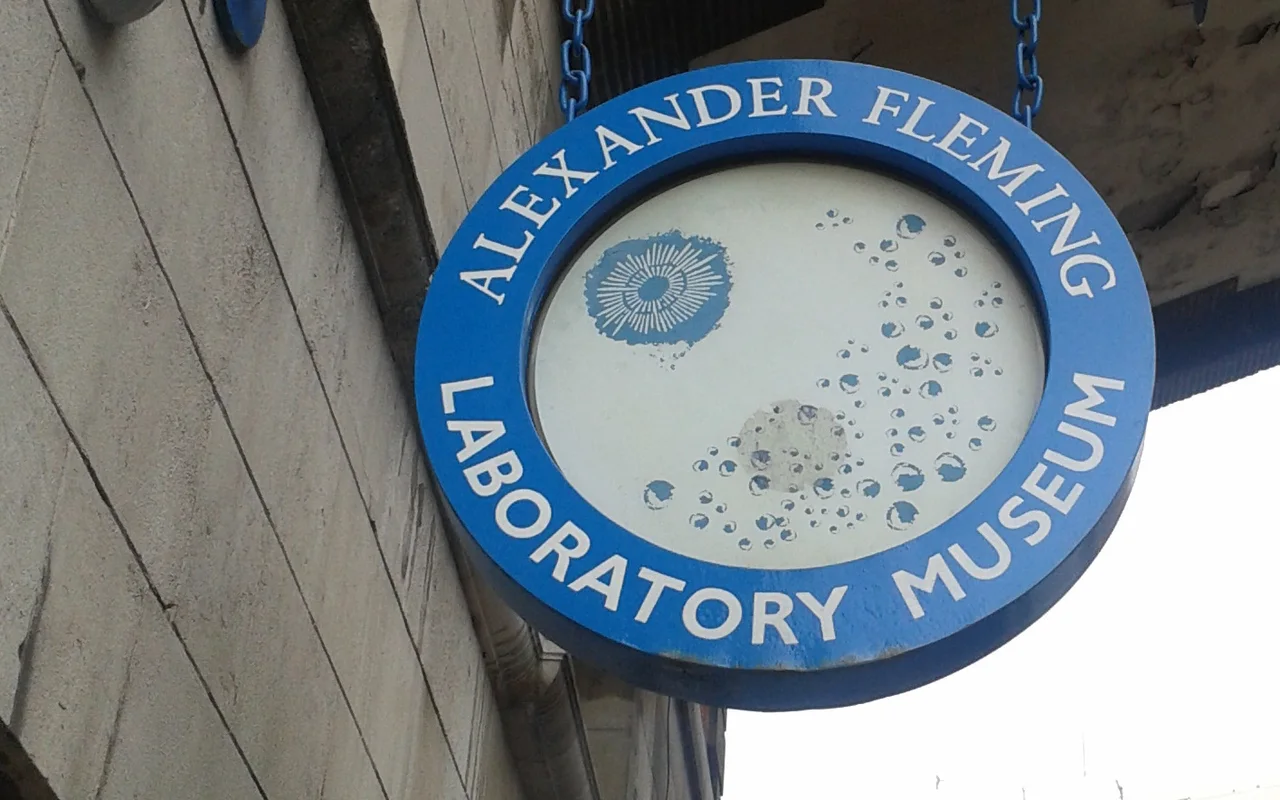
1928–1945 CE · observation, clinical development and mass production · EuropePenicillin and antibiotics

Fleming observed penicillin’s antibacterial effect in 1928; Florey, Chain, Heatley and a wider Oxford team later developed purification and testing, while British and U.S. institutions scaled production during the war.