ATLAS / ANCIENT—PRESENT
All historyHow Atlas is sourced← Back to Atlas
Back to Atlas timeline
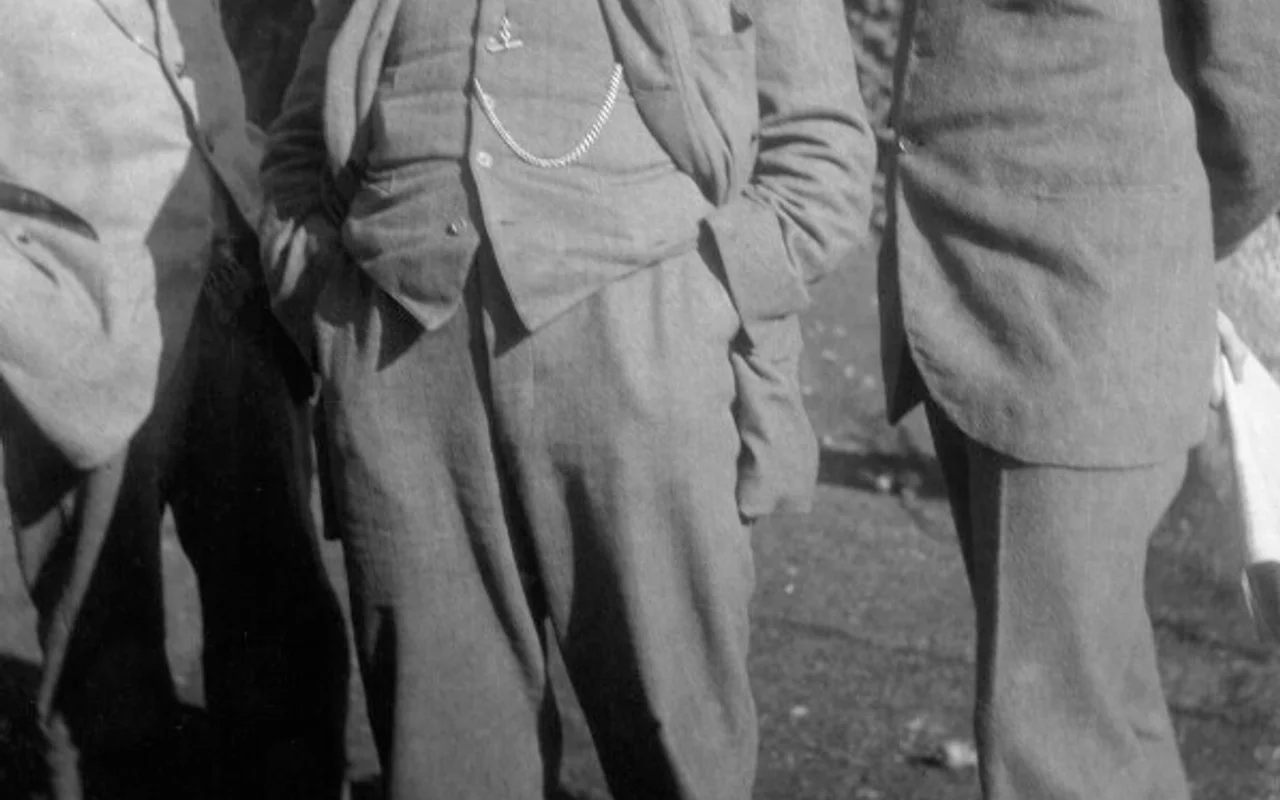
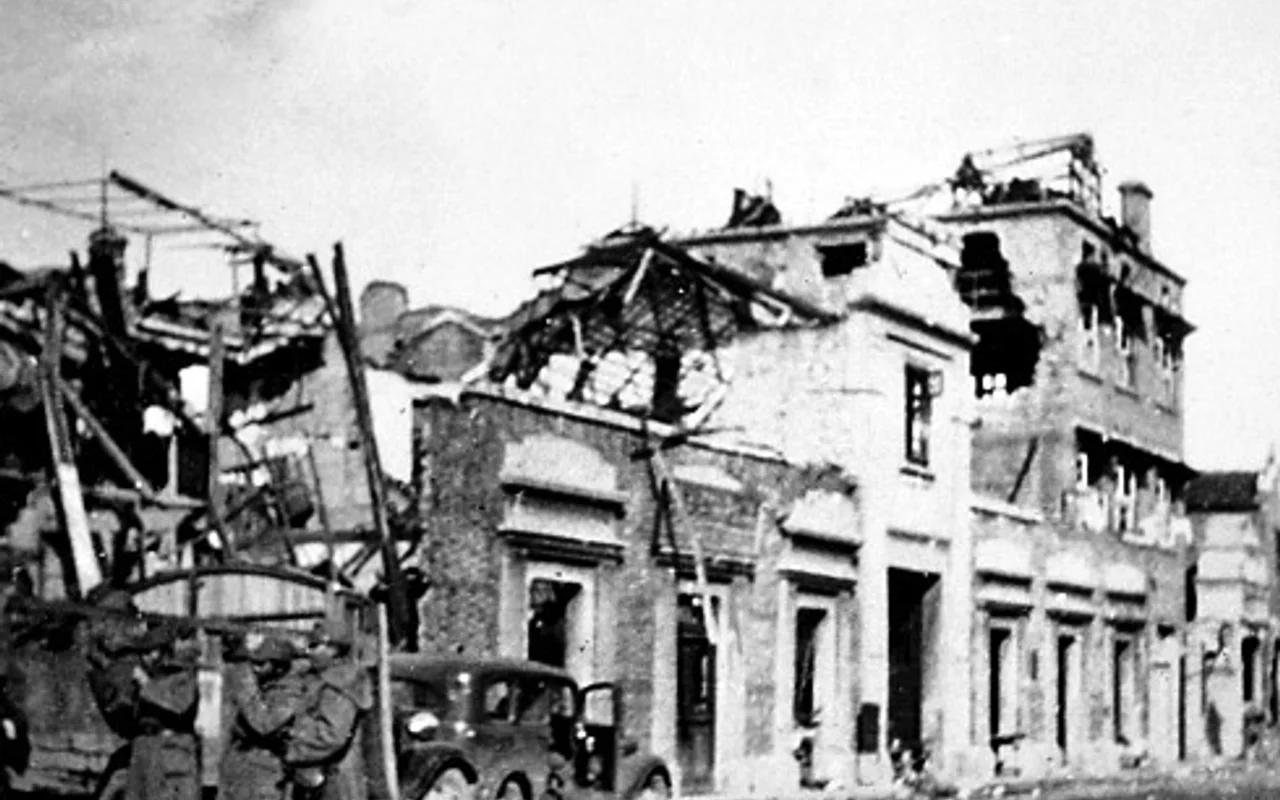
Photo 06 in Nanjing Massacre (Itou Kaneo's Album).jpg

1931–1945 CE · Manchurian seizure, war in China and wider Pacific conflict · Asia · War

The Asia-Pacific War and Nanjing

Japan seized Manchuria in 1931; full-scale war with China followed in 1937 and merged with the wider Pacific war after 1941. In late 1937 and early 1938, Japanese forces perpetrated mass killing, sexual violence, looting and terror against civilians and disarmed soldiers in Nanjing.

Atlas dossier · World Wars

Free device narration · synchronized English captions · transcript available

Why it matters

Separating the 1931, 1937 and 1941 escalations prevents a single-start-date story while placing Chinese, Korean and Southeast Asian experience, resistance and Japanese imperial violence within the global war.

Date
1931–1945 CE · Manchurian seizure, war in China and wider Pacific conflict
Historical setting
World Wars · Asia
People & communities
Chinese civilians · Japanese soldiers · Korean and Southeast Asian peoples · resistance movements · survivors

Three escalations, not one starting gun

Japan’s 1931 seizure of Manchuria, the full-scale Sino-Japanese War beginning in 1937 and the wider Pacific war from December 1941 were connected but distinct escalations. The 1931–1945 range makes room for Chinese resistance and occupation before Pearl Harbor without implying that every theatre began simultaneously.

United States Holocaust Memorial Museum: Nanjing Massacre ↗

Nanjing is documented without spectacle

After Japanese forces captured Nanjing in December 1937, they committed mass killing, rape, looting and other violence against civilians and disarmed soldiers over the following weeks. The dossier names these crimes directly while using a non-graphic archival record and avoiding a false precision where casualty estimates differ.

Library of Congress research shelf: Nanjing and the Asia-Pacific War ↗

Illustrated sequence

A visual presentation accompanying this entry. Read each image’s attribution to distinguish archival records, later depictions and reconstructions.

Photo 06 in Nanjing Massacre (Itou Kaneo's Album).jpgEnlarge and examine the picture

Examine the picture

IMAGE 1

Visual record

A photograph dated 1937 in the Kisarazu naval air unit album, credited to Itou Kaneo. Read the source record alongside the account of the Asia-Pacific war.

Photo 06 in Nanjing Massacre (Itou Kaneo's Album).jpg — 伊藤兼男 (Itou Kaneo); public domain in Japan and the United States (PD-Japan-oldphoto / PD-1996); via Itou Kaneo photograph album / Wikimedia Commons. Resized, cropped and converted to WebP for Atlas display.

Source and reuse terms ↗ · Read the licence ↗

Interpretation note

Evidence, memory and historical debate

This dossier distinguishes the event’s basic chronology from later arguments about meaning, responsibility and legacy. When comparing religious, national, Indigenous or scholarly interpretations, consult the primary and institutional sources above alongside peer-reviewed historical work.

Elsewhere in the world

Parallel histories near this moment

1929–late 1930s CE · uneven global depression and recovery · GlobalGreat Depression

Banking crises, debt, deflation, the gold standard and collapsing demand and trade transmitted a deep depression through an unequal world economy.

1928–1945 CE · observation, clinical development and mass production · EuropePenicillin and antibiotics

Fleming observed penicillin’s antibacterial effect in 1928; Florey, Chain, Heatley and a wider Oxford team later developed purification and testing, while British and U.S. institutions scaled production during the war.

1930s–1945 CE · selected theory, measurement and policy milestones · GlobalMacroeconomics, national accounts and welfare states

The Depression and wartime planning accelerated several connected developments: Keynes’s aggregate-demand framework, Kuznets and others’ national-income accounts, and country-specific programmes for employment, social insurance and economic stabilization.